

Pain Behind Eye: Common Causes, Related Conditions, and When to See a Doctor

Pain behind eye can come from the eye itself or from nearby structures such as the sinuses, nerves, muscles, or head. Common causes include migraine, cluster headache, sinusitis, dry eye, eye strain, and inflammation around the eye.
Key Takeaways
- Pain behind eye can come from the eye itself or from nearby structures such as the sinuses, nerves, muscles, or head.
- Common causes include migraine, cluster headache, sinusitis, dry eye, eye strain, and inflammation around the eye.
- Red flags include sudden vision loss, severe headache, eye redness with blurred vision, fever, double vision, or pain after injury.
- Diagnosis may involve an eye exam, vision testing, pressure measurement, and sometimes imaging or blood tests.
- Treatment depends on the cause and may include rest, hydration, migraine care, treatment of sinus disease, or urgent eye treatment.
Pain behind eye is a symptom rather than a diagnosis. It is commonly caused by headache disorders, sinus inflammation, eye strain, or eye disease, and the meaning depends on whether it comes with vision changes, redness, nausea, fever, or pain with eye movement.
Overview: What Pain Behind Eye Usually Means
Pain behind eye usually means discomfort felt deep in or around the eye socket. In many people, it is related to a headache disorder such as migraine, pressure from sinus inflammation, muscle tension, or eye strain rather than a serious eye emergency. However, some eye and nerve conditions can also cause this symptom, especially when pain appears with blurred vision, redness, pain on eye movement, or sudden changes in sight.
The feeling can vary. Some people describe a dull ache, pressure, throbbing, stabbing pain, or soreness when moving the eye. Because the eye sits close to the sinuses, facial nerves, and blood vessels, pain may seem to come from “behind” the eye even when the eye itself is healthy.
Understanding the pattern helps. One-sided pain may suggest migraine or cluster headache, while pressure with nasal congestion may point to sinus disease. Burning, dryness, or discomfort after screen use may be more consistent with surface irritation and eye strain. A careful medical evaluation is the safest way to identify the source when symptoms are persistent, severe, or unusual.
Common Causes and Related Conditions
Headache disorders are among the most frequent reasons for pain behind eye. Migraine can cause throbbing pain on one side of the head, often around or behind one eye, and may come with nausea, sensitivity to light, or visual symptoms. Cluster headache causes very severe pain around one eye, usually with tearing, nasal congestion, or restlessness. Tension-type headache can also create pressure that seems to settle behind the eyes.
Sinus problems are another common explanation. The frontal and ethmoid sinuses sit near the eyes, so inflammation or infection can create pressure or aching around the forehead, nose bridge, and behind the eye. Symptoms such as nasal blockage, thick discharge, facial fullness, fever, or worse pain when bending forward make sinusitis more likely.
Some causes involve the eye itself. Dry eye, prolonged screen use, focusing strain, and uncorrected vision problems can lead to aching around the eyes. More urgent eye-related causes include inflammation such as uveitis, increased eye pressure as in glaucoma, optic nerve inflammation, and infection in tissues around the eye. Pain with eye movement can sometimes suggest optic neuritis or inflammation in the orbit rather than a simple surface problem.
Less commonly, pain behind eye may be related to dental problems, facial nerve pain, injury, or disease of the blood vessels around the head. This is why associated symptoms matter as much as the pain itself.
Symptoms That Help Narrow the Cause

Doctors usually look at the whole symptom pattern rather than the location alone. Questions often include whether the pain is dull or sharp, constant or episodic, on one side or both, and whether it started suddenly or gradually. Triggers such as bright light, prolonged screen work, recent cold symptoms, poor sleep, dehydration, or stress can also offer clues.
Symptoms that often accompany pain behind eye include:
- Headache, especially one-sided or throbbing pain
- Nausea, vomiting, or sensitivity to light and sound
- Nasal congestion, facial pressure, or fever
- Eye redness, tearing, or discharge
- Blurred vision, halos, double vision, or loss of part of the visual field
- Pain with eye movement
- Tenderness around the brow or temple
Redness with significant pain may suggest inflammation or pressure problems inside the eye. Pain with eye movement deserves attention because it can reflect inflammation of the tissues or nerves behind the eye. A feeling of pressure after long periods of reading or computer use may fit eye strain, but persistent symptoms still warrant a professional assessment, especially if vision is affected.
How Doctors Diagnose Pain Behind Eye
Diagnosis begins with a history and physical examination. A clinician asks when the pain started, how long it lasts, what it feels like, and whether there are visual changes, headache features, sinus symptoms, fever, trauma, or neurological symptoms. This step often helps separate likely headache-related causes from urgent eye or nerve problems.
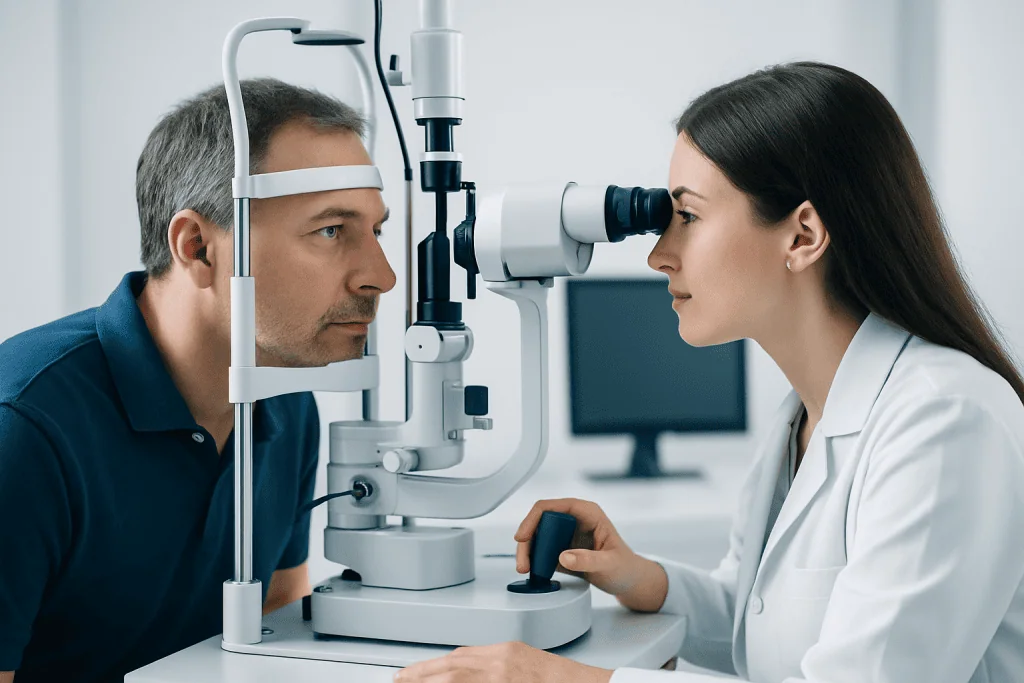
An eye examination may include checking visual acuity, eye movement, pupil reactions, the front of the eye, and the back of the eye. Measuring eye pressure can be important when glaucoma is a concern. Depending on the symptoms, evaluation may involve an ophthalmologist, neurologist, or ear, nose, and throat specialist.
If the cause is not clear, additional tests may be recommended. These can include imaging of the sinuses or brain and orbit, blood tests for inflammation or infection, or tests focused on the optic nerve and visual pathways. Imaging is not necessary for every person with pain behind eye, but it may be helpful when symptoms are severe, persistent, associated with neurological signs, or concerning for orbital or intracranial disease.
Because this symptom can overlap between eye disease and headache disorders, some patients benefit from coordinated care. For headaches with eye-area pain, specialist assessment may guide options such as migraine treatment when appropriate.
Treatment Options Depend on the Underlying Cause
There is no single treatment for pain behind eye because the symptom has many possible causes. If migraine is responsible, management may include avoiding triggers, resting in a dark quiet room, staying hydrated, and using doctor-recommended medicines. Cluster headache and other severe headache disorders usually require targeted treatment and follow-up.
When sinus inflammation is the cause, treatment may focus on relieving congestion, supporting sinus drainage, and addressing infection only when a doctor determines it is likely bacterial. If eye strain or dry eye is contributing, people may improve with regular screen breaks, better lighting, blinking more often, lubricating eye drops, and updated glasses if needed.
Eye diseases need cause-specific treatment. Inflammatory conditions may require prescription drops or other medicines. Raised eye pressure, optic nerve inflammation, or orbital infection can require urgent specialist care. If the symptom is linked to a structural eye problem, an ophthalmologist may recommend targeted care, and some people may need evaluation through eye surgery services depending on the diagnosis.
Self-treating persistent or severe eye pain is not advisable. Painkillers may temporarily reduce discomfort but can delay recognition of an important eye or neurological condition if used without medical evaluation.
Prevention and Self-Care Measures
Many everyday causes of pain behind eye can be reduced with simple habits. Regular sleep, hydration, balanced meals, and stress management can lower the likelihood of some headaches. People who notice attacks after certain triggers, such as skipped meals, alcohol, bright lights, or prolonged screen use, may benefit from tracking symptoms and discussing the pattern with a doctor.
For digital eye strain, practical steps include taking frequent breaks, adjusting screen distance, reducing glare, and remembering to blink. If the eyes feel dry, a clinician may suggest artificial tears or other dry-eye measures. Contact lens wearers should follow lens hygiene carefully and avoid sleeping in lenses unless specifically advised.
General eye health matters too. Routine eye examinations can detect conditions before they become advanced, including pressure-related disease and vision changes. People with recurrent redness, blurred vision, or headache centered around the eyes should not assume the cause is simple fatigue. If a diagnosed condition such as cataract or glaucoma coexists with new pain, fresh symptoms should still be checked rather than attributed automatically to the known condition.
When to Seek Medical Care
Prompt medical care is important if pain behind eye comes on suddenly, is severe, or is accompanied by vision loss, double vision, marked redness, swelling around the eye, fever, nausea and vomiting, or pain after an injury. These features can signal conditions that need urgent assessment to protect vision and overall health.
Medical review is also recommended when pain is recurrent, worsening, or not improving with rest and simple measures. Pain with eye movement, new headaches in later adulthood, tenderness at the temple, or neurological symptoms such as weakness or confusion should be evaluated without delay. Children with significant eye pain, swelling, or fever should be assessed promptly.
For ongoing or unclear symptoms, evaluation by eye and neurological specialists may be helpful. Acibadem International’s multidisciplinary specialists and JCI-accredited hospitals diagnose and treat eye, sinus, and headache-related causes of pain behind eye for international patients, including advanced assessment through neuro-ophthalmology and related services when indicated.
Frequently asked questions
Is pain behind eye usually serious?
Often, pain behind eye is caused by non-emergency problems such as migraine, sinus pressure, dry eye, or eye strain. It becomes more concerning when it is severe, sudden, or associated with vision changes, redness, swelling, fever, or neurological symptoms.
Can a migraine cause pain behind one eye?
Yes. Migraine commonly causes one-sided pain that may feel centered behind or around one eye. It may also cause nausea, light sensitivity, and visual symptoms, even when the eye itself is structurally normal.
How can someone tell the difference between sinus pain and eye pain?
Sinus-related pain often comes with nasal congestion, facial pressure, thick nasal discharge, or pain that worsens when bending forward. True eye conditions are more likely to cause redness, blurred vision, halos, pain with eye movement, or sensitivity to light.
Can screen time cause pain behind eye?
Yes. Long periods of screen use can contribute to digital eye strain, dryness, and aching around the eyes. Taking regular breaks, improving lighting, and treating dryness can help, but persistent pain should still be evaluated.
When should someone go to urgent care or the emergency department?
Urgent assessment is needed for sudden severe pain, sudden vision loss, double vision, major redness, swelling, fever, eye injury, or pain with vomiting or neurological symptoms. These signs may indicate an eye emergency or another serious condition.
What kind of doctor evaluates pain behind eye?
The right specialist depends on the likely cause. A primary care doctor may begin the evaluation, but an ophthalmologist, neurologist, or ENT specialist may be needed if the symptoms suggest eye disease, headache disorder, or sinus disease.
References
- American Academy of Ophthalmology
- National Eye Institute
- American Migraine Foundation
- Centers for Disease Control and Prevention
- Mayo Clinic
This article is for general information only and is not a substitute for professional medical advice. Please consult a qualified doctor about your individual situation.
Persistent digestive symptoms? Get evaluated in Turkey
JCI-accredited · board-certified surgeons · reply within 24h
Add us as a Preferred Source to see more of our trusted health content across Google Search, AI Overviews and Discover.

More from the Health Library



Related Specialists

Canberk Altan
Physical Medicine & Rehabilitation
Prof. Dr. Melih Paksoy
General Surgery
Dr. Gürkan Metinyurt
Clinical Laboratory
Dr. Kürşat Gül
Anesthesiology