Pale Stools — Explained by Medical Evidence, Not Myths

Pale stools usually happen when bile is reduced or blocked from reaching the intestine. A one-time light stool may occur after diet changes or certain medicines, but repeated pale stools deserve medical attention.
Key Takeaways
- Pale stools usually happen when bile is reduced or blocked from reaching the intestine.
- A one-time light stool may occur after diet changes or certain medicines, but repeated pale stools deserve medical attention.
- Yellowing of the eyes or skin, dark urine, fever, abdominal pain, or unexplained weight loss are important warning signs.
- Doctors evaluate pale stools with a medical history, physical exam, blood tests, and sometimes ultrasound or other imaging.
- Treatment depends on the cause and may range from monitoring to procedures that relieve bile duct blockage.
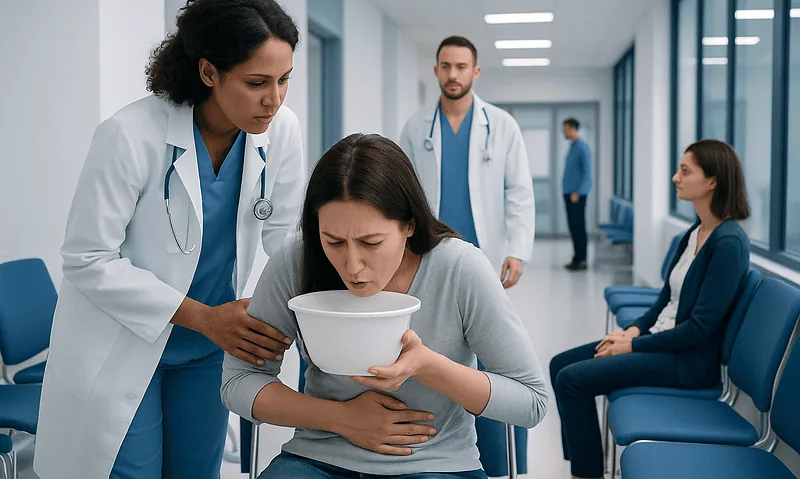
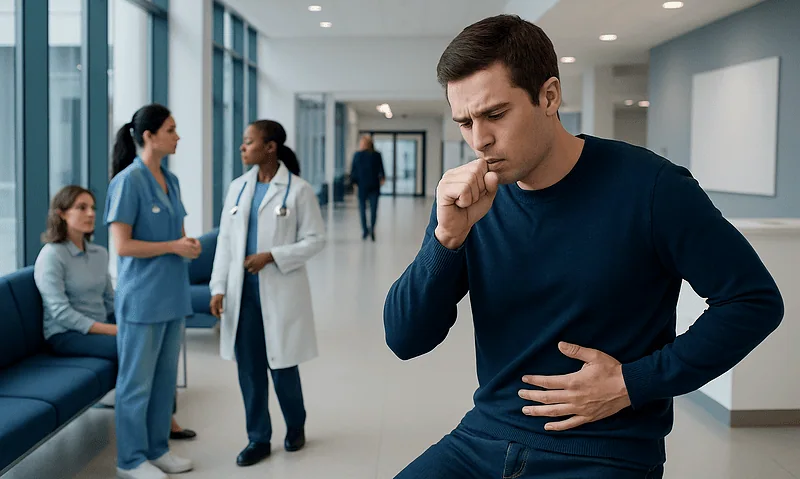
Pale stools are usually caused by too little bile reaching the intestines, which can make bowel movements look clay-colored, gray, or unusually light. While a single light stool may be harmless, persistent pale stools should be assessed because they can signal a problem in the liver, gallbladder, bile ducts, or pancreas.
What pale stools usually mean
Pale stools most often mean that not enough bile is reaching the bowel. Bile is a yellow-green digestive fluid made by the liver and stored in the gallbladder. It helps digest fats and gives stool its usual brown color, so when bile flow is reduced, stool may look light tan, gray, putty-colored, or clay-colored.
This color change is a sign, not a disease by itself. In some cases, a single pale stool may happen temporarily after a change in diet, a mild stomach upset, or the use of certain medicines. However, when pale stools continue for more than a day or two, or appear repeatedly, the change should be evaluated rather than explained away by myths or home theories.
Medical evidence focuses on how the liver, gallbladder, bile ducts, and pancreas work together. Conditions that affect any part of this system can change stool color. Looking at stool color in context with other symptoms helps doctors decide whether the cause is minor and temporary or whether it may need prompt testing.
How stool color relates to bile and digestion
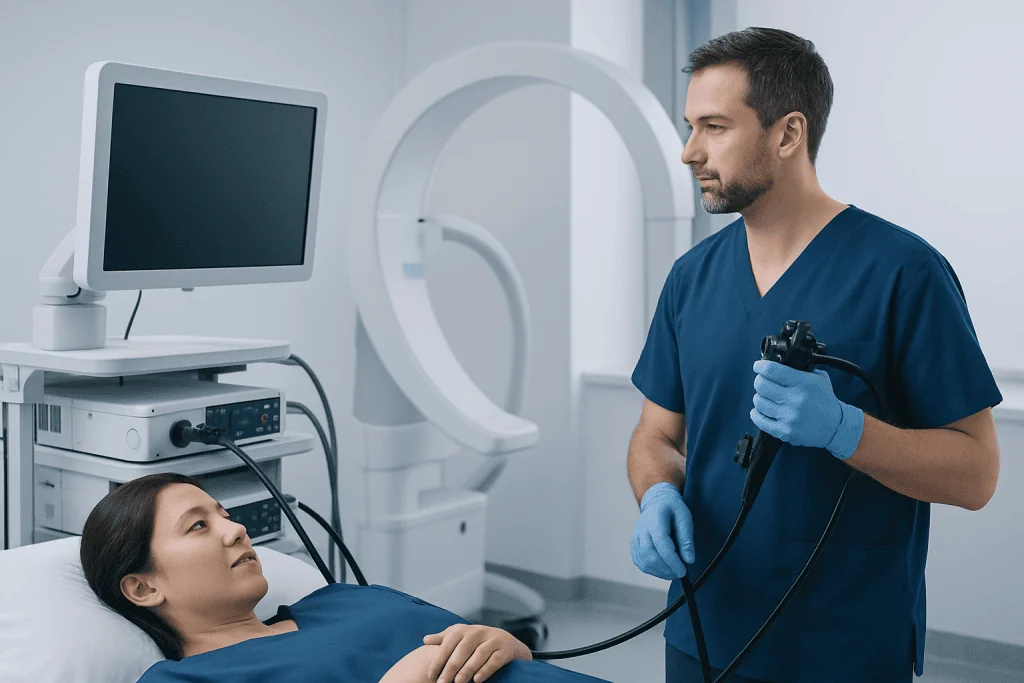
Normal stool color can vary from light to dark brown depending on diet, hydration, and intestinal transit time. Brown color develops as bile pigments are processed during digestion. If bile does not enter the intestines in normal amounts, stool can lose much of its brown tone and become pale.
This can happen for different reasons. The liver may not make or move bile properly, the gallbladder may not release it normally, or a bile duct may be narrowed or blocked. The pancreas can also play a role because swelling or growths near the bile duct may interfere with bile drainage into the small intestine.
People often describe pale stools differently. Some say the stool looks chalky, others say gray, beige, or clay-like. Doctors are usually less concerned with the exact word used and more interested in whether the change is new, persistent, and associated with symptoms such as dark urine, jaundice, itching, nausea, or abdominal pain.
- Brown stool generally reflects normal bile flow.
- Pale, gray, or clay-colored stool may suggest reduced bile reaching the intestine.
- Black, tarry, or bright red stool raises different concerns and should also be assessed medically.
Common causes and risk factors
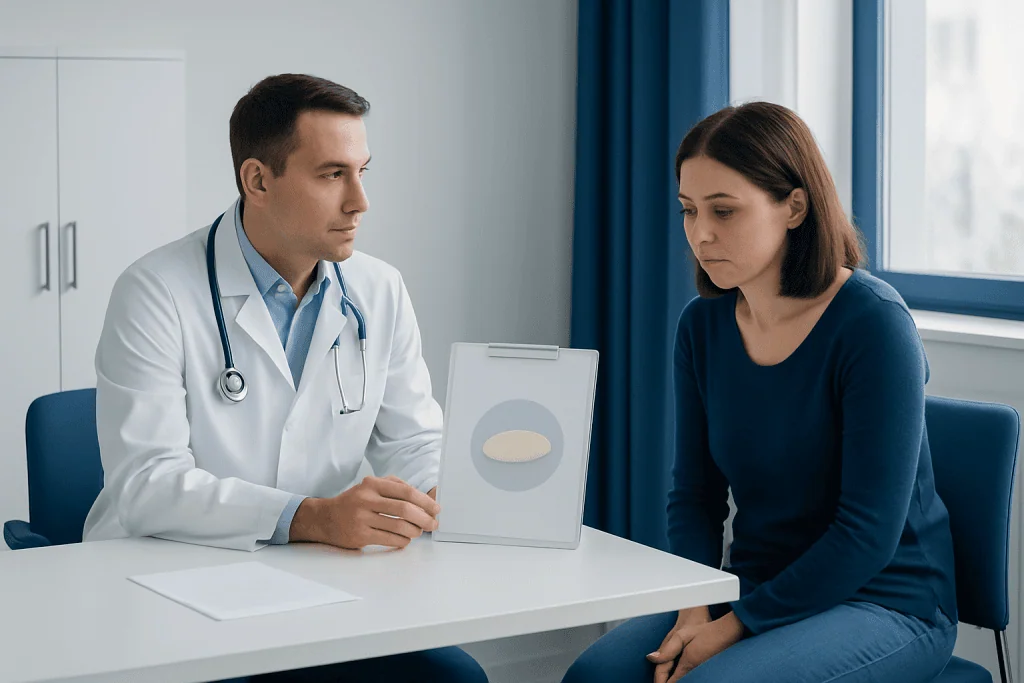
The most common medically important causes of pale stools involve the biliary system. Gallstones can move into and block the common bile duct. Inflammation of the bile ducts or scarring that narrows them can also reduce bile flow. Liver conditions such as hepatitis, fatty liver disease with inflammation, or cirrhosis may interfere with bile production or transport. Related digestive conditions may include gallstones and pancreatitis.
Pancreatic disorders can also affect stool color. Swelling of the pancreas, pancreatic cysts, or tumors in or near the head of the pancreas can compress the bile duct. Less commonly, some people develop pale stools because of certain medications, including some antidiarrheal drugs, barium used in imaging tests, or medicines that affect liver function.
Infections and autoimmune conditions are additional possibilities. Viral hepatitis can alter liver function, and autoimmune diseases that affect bile ducts can disrupt normal bile flow. In infants and young children, pale stools deserve especially careful evaluation because they can be a sign of a serious liver or bile duct condition.
Risk factors depend on the underlying cause. They may include a history of gallstones, heavy alcohol use, obesity, viral hepatitis exposure, autoimmune disease, pancreatic disease, previous biliary surgery, or use of medicines known to affect the liver. Still, pale stools can occur even without obvious risk factors, which is why persistent changes should not be ignored.
Symptoms that can happen with pale stools
Pale stools may occur alone, but doctors pay close attention to accompanying symptoms. One of the most important is jaundice, which is yellowing of the skin or the whites of the eyes. Dark urine is another clue because bilirubin, a bile pigment, may build up in the blood and pass into the urine instead of the bowel.
Itching can happen when bile components accumulate in the body. Some people also have nausea, poor appetite, bloating, fatigue, or discomfort in the upper right side of the abdomen. If the cause involves the pancreas or a significant bile duct blockage, pain may be more noticeable and may radiate to the back.
Stools may also become greasy, bulky, or difficult to flush if fat digestion is impaired. This can happen when bile flow is reduced or when pancreatic enzymes are not working normally. Over time, poor fat absorption can contribute to weight loss or vitamin deficiencies.
- Yellow eyes or skin
- Dark urine
- Fever or chills
- Upper abdominal pain
- Nausea or vomiting
- Unexplained weight loss or poor appetite
How doctors diagnose the cause
Diagnosis begins with a careful history. A doctor may ask when the stool color changed, whether it has happened before, what medications or supplements are being used, and whether symptoms such as jaundice, itching, fever, pain, or weight loss are present. Questions about alcohol use, travel, infections, and family history can also help narrow the possibilities.
A physical examination may look for jaundice, abdominal tenderness, liver enlargement, dehydration, or signs of chronic liver disease. Blood tests often include liver function tests, bilirubin levels, pancreatic enzymes, and sometimes tests for viral hepatitis or autoimmune disease. These results help show whether the liver or bile ducts may be affected.
Imaging is often important when persistent pale stools suggest a blockage or structural problem. An abdominal ultrasound is commonly the first test because it can show gallstones, bile duct widening, or liver changes. Depending on findings, further tests may include MRI-based bile duct imaging, CT scanning, endoscopic ultrasound, or a specialized endoscopic procedure such as ERCP to examine and treat bile duct blockage.
The main goal is to find the reason bile is not reaching the intestine normally. Diagnosis is not based on stool color alone. Instead, doctors combine symptoms, exam findings, laboratory results, and imaging to identify the cause and decide whether treatment is urgent.
Treatment options based on the cause
Treatment for pale stools depends entirely on what is causing them. If the color change relates to a temporary medicine effect or a short-lived digestive upset, no specific treatment may be needed beyond follow-up. If blood tests or imaging show a liver problem, treatment focuses on that condition, such as stopping a harmful medicine, addressing infection, or managing chronic liver disease.
When gallstones block bile flow, treatment may involve procedures to remove the blockage and sometimes surgery to remove the gallbladder. In appropriate cases, doctors may recommend gallbladder surgery if gallstones are causing recurrent symptoms or complications. If a bile duct is narrowed or obstructed, endoscopic treatment may relieve the blockage and restore bile flow.
Pancreatic causes are treated according to the diagnosis. Inflammation may need hospital-based supportive care, while structural blockage may require endoscopic or surgical management. If symptoms, lab tests, or scans suggest a pancreatic disorder, specialists may also evaluate for treatment of pancreatic conditions affecting bile flow when clinically appropriate.
Care is often coordinated by gastroenterologists, hepatologists, surgeons, radiologists, and other specialists. Near the end of the care pathway, some patients may choose evaluation at centers such as Acibadem International, where multidisciplinary specialists in JCI-accredited hospitals diagnose and treat digestive, liver, biliary, and pancreatic conditions for international patients.
Self-care, monitoring, and prevention
There is no single home remedy for pale stools because the cause can vary widely. The most helpful step is observation: noting how long the color change lasts, whether it returns, and whether symptoms such as jaundice, dark urine, pain, fever, or itching are present. Taking a photo for a medical visit can sometimes help if the change is intermittent.
General liver and digestive health measures may reduce risk for some underlying conditions. These include limiting alcohol, maintaining a healthy weight, using medicines only as directed, staying vaccinated when appropriate for hepatitis prevention, and seeking timely treatment for gallbladder or liver symptoms. A balanced diet and regular physical activity support overall digestive health, though they do not replace medical evaluation for ongoing pale stools.
People should avoid self-diagnosing based on internet myths. Pale stools are not reliably explained by eating a particular food once, and they should not be treated only with supplements or cleanses. If there is a repeat pattern or any concerning symptom, professional assessment is the safest approach.
When to seek medical care
Medical care is recommended if pale stools last more than one to two days, recur repeatedly, or happen together with dark urine, jaundice, abdominal pain, itching, nausea, or fatigue. A planned appointment is also wise if the change develops after starting a new medicine or if there is a history of liver, gallbladder, or pancreatic disease.
Urgent care is important if pale stools occur with fever, chills, significant abdominal pain, vomiting, confusion, dehydration, or rapid worsening of jaundice. These symptoms can point to infection, acute blockage, or another complication that should be assessed promptly.
Parents should seek medical advice early for infants or young children with pale or chalky stools. In children, this finding can sometimes reflect a serious problem with bile flow that benefits from rapid evaluation. In adults and children alike, repeated pale stools are best treated as a medical clue rather than a harmless curiosity.
Frequently asked questions
Are pale stools always serious?
Not always. A single pale stool can happen temporarily, but repeated or persistent pale stools are more concerning because they may reflect reduced bile flow. If the change continues or comes with other symptoms, a doctor should evaluate it.
What color counts as pale stools?
People often describe pale stools as clay-colored, gray, beige, chalky, or unusually light compared with their normal brown stool. The exact shade matters less than whether the change is persistent or clearly different from usual. A doctor can help interpret the change in context.
Can diet alone cause pale stools?
Diet can influence stool appearance, but truly pale or clay-colored stools are more often linked to reduced bile reaching the intestine. A very light stool after one meal is less important than a repeated pattern. Ongoing pale stools should not be attributed to diet without medical review.
Why do pale stools and dark urine happen together?
This combination can happen when bilirubin is not passing normally into the intestine with bile. Instead, bilirubin builds up in the blood and is filtered into the urine, making it darker. This pattern is a useful clue for liver or bile duct problems.
How are pale stools diagnosed?
Doctors start with a history and physical examination, then often order blood tests to check liver and pancreatic function. Imaging such as ultrasound may be used to look for gallstones, bile duct blockage, or liver changes. More specialized tests are sometimes needed depending on the findings.
When should someone go to urgent care for pale stools?
Urgent evaluation is important if pale stools occur with fever, chills, strong abdominal pain, vomiting, worsening jaundice, or signs of dehydration. These symptoms can suggest infection or significant blockage. Prompt assessment helps guide treatment and reduce complications.
References
- National Institute of Diabetes and Digestive and Kidney Diseases
- American College of Gastroenterology
- Mayo Clinic
- National Health Service
- Cleveland Clinic
This article is for general information only and is not a substitute for professional medical advice. Please consult a qualified doctor about your individual situation.
Persistent digestive symptoms? Get evaluated in Turkey
JCI-accredited · board-certified surgeons · reply within 24h
Add us as a Preferred Source to see more of our trusted health content across Google Search, AI Overviews and Discover.