

Parietal Lobe Function: Touch, Spatial Awareness, and Symptoms of Dysfunction
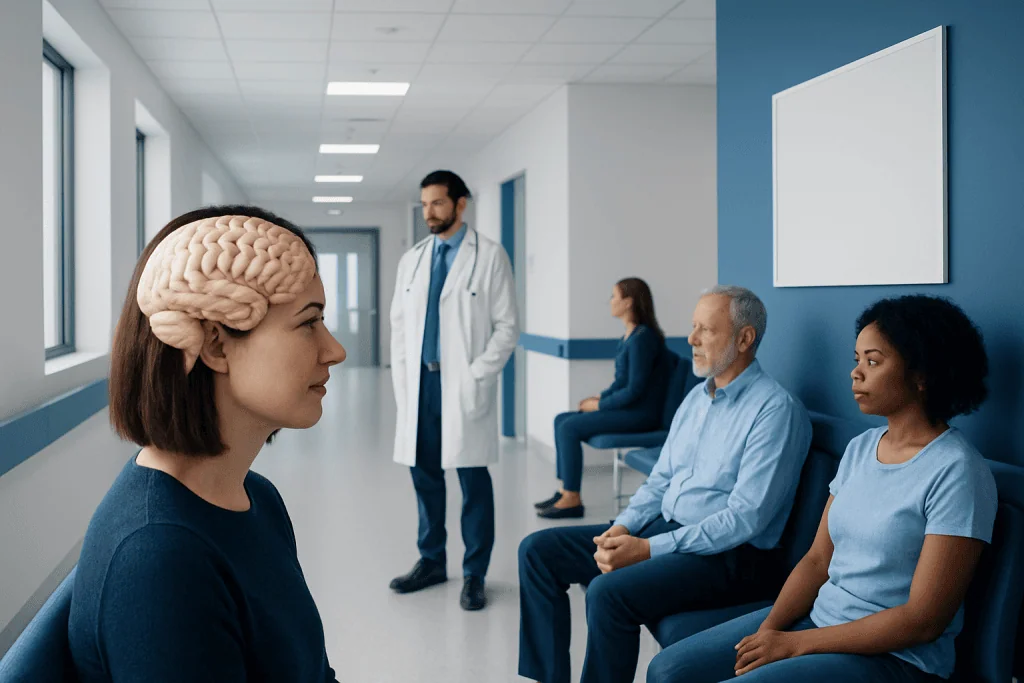
The parietal lobe integrates touch, temperature, pain, and body-position information. It plays a key role in spatial awareness, attention, reading, writing, and practical skills.
Key Takeaways
- The parietal lobe integrates touch, temperature, pain, and body-position information.
- It plays a key role in spatial awareness, attention, reading, writing, and practical skills.
- Parietal lobe dysfunction can result from stroke, head injury, tumors, seizures, or neurodegenerative disease.
- Symptoms vary by which side and which specific area of the parietal lobe is involved.
- Diagnosis often includes a neurological examination and brain imaging.
- Treatment focuses on the underlying cause and may include rehabilitation therapies.
The parietal lobe helps the brain interpret touch, understand body position, and navigate space. When this area is affected, a person may notice changes in sensation, coordination, attention, language-related tasks, or awareness of one side of the body or environment.
Overview of the Parietal Lobe
The parietal lobe is one of the major regions of the brain. It sits near the upper back part of each cerebral hemisphere and acts as an important center for integrating sensory information. Rather than simply detecting touch, the parietal lobe helps the brain make sense of what is being felt, where it is on the body, and how the body is positioned in space.
This area works closely with other parts of the nervous system to support everyday functions. These include recognizing the shape and texture of objects by touch, judging distance, coordinating movements, paying attention to the environment, and understanding where the body is in relation to surrounding objects. It also contributes to reading, writing, calculation, and other learned skills, especially in the dominant hemisphere.
The parietal lobe contains the primary somatosensory cortex, which receives signals related to touch, pain, temperature, and pressure. Nearby association areas then interpret and combine these signals with visual and motor information. Because of this wide role, problems in the parietal lobe can lead to a broad range of symptoms that may seem sensory, cognitive, visual-spatial, or functional.
What the Parietal Lobe Does
Parietal lobe function is often described in terms of sensation and spatial processing, but its role is broader than many people realize. It helps identify where a sensation is coming from, whether something feels rough or smooth, and how strongly it is being touched. It also supports proprioception, the internal sense of limb position and movement that allows a person to move without constantly watching their hands or feet.
Spatial awareness is another major function. The parietal lobe helps a person understand direction, distance, orientation, and the relationship between objects. This is essential for walking through a room, reaching accurately for a cup, getting dressed, using tools, driving, and navigating familiar places. The right parietal lobe is especially important for attention to both sides of space, while the left side often contributes more to learned symbolic tasks such as writing and arithmetic.
In many people, the dominant parietal lobe also supports language-related processing. It can contribute to reading, spelling, naming fingers, and performing calculations. The non-dominant side is often more involved in visual-spatial judgment, awareness of the body and surroundings, and recognizing patterns of attention. Because the parietal lobe connects sensory input with action, even a small area of dysfunction may affect multiple daily activities.
Symptoms of Parietal Lobe Dysfunction

Symptoms depend on the exact area affected and whether the right or left parietal lobe is involved. Some people notice numbness, reduced ability to localize touch, or difficulty recognizing an object by touch alone even though strength is normal. Others may have trouble judging position, coordinating reach, or understanding where a limb is without looking at it.
Visual-spatial symptoms are common. A person may bump into objects, have trouble dressing, misjudge distances, or become confused by maps and directions. If the right parietal lobe is affected, one possible sign is neglect, a reduced awareness of one side of the body or surrounding space. This is not simply poor vision; it is a problem of attention and spatial representation in the brain.
When the dominant, usually left, parietal lobe is involved, a person may develop difficulty with writing, calculation, reading, left-right orientation, or naming fingers. Some may struggle to carry out learned purposeful actions despite having the strength to do them. Symptoms can appear suddenly, as in stroke, or develop gradually when caused by other neurological conditions.
- Changes in touch, pressure, pain, or temperature perception
- Trouble recognizing objects by touch
- Poor spatial awareness or balance in familiar spaces
- Difficulty dressing, drawing, reading, writing, or calculating
- Inattention to one side of the body or environment
- Problems coordinating visually guided hand movements
Causes and Risk Factors
Parietal lobe dysfunction can result from many different medical conditions. A sudden cause is often a stroke, which interrupts blood flow to brain tissue. Head injury may also damage the parietal region, either directly from impact or indirectly through bleeding or swelling. Brain tumors, infections, inflammatory disorders, and seizures can also affect how this part of the brain works.
Gradual changes may occur in neurodegenerative diseases that affect spatial processing, attention, or higher cortical function. In some cases, symptoms appear together with headaches, weakness, speech problems, or memory changes, depending on whether other brain regions are involved. The exact pattern helps clinicians identify where the problem may be located.
Risk factors depend on the underlying cause. For example, vascular risk factors such as high blood pressure, diabetes, smoking, high cholesterol, and heart disease increase the risk of stroke. Falls, contact injuries, and traffic accidents can raise the risk of head trauma. Personal or family history may matter in some seizure disorders or other neurological illnesses. Because symptoms can overlap with many conditions, a careful medical assessment is important.
How Doctors Diagnose Parietal Lobe Problems
Diagnosis begins with a detailed history and neurological examination. A doctor asks when the symptoms started, whether they appeared suddenly or gradually, and which activities have become difficult. The examination may test touch sensation, body-position sense, coordination, visual fields, attention, language, reading, writing, drawing, and the ability to recognize objects or follow commands.
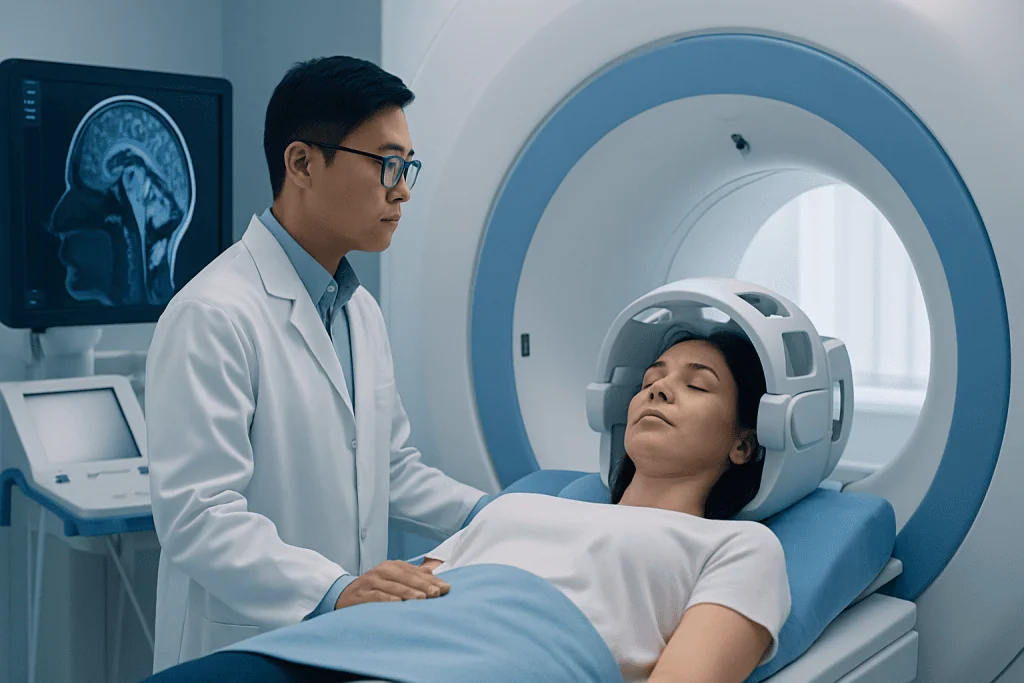
Brain imaging is often needed to look for structural causes. Magnetic resonance imaging can show many types of lesions in detail, while computed tomography may be used urgently when stroke, bleeding, or head injury is suspected. If seizures are possible, tests such as an electroencephalogram may be recommended. Blood tests or other studies may also help identify infection, inflammation, metabolic disorders, or vascular risk factors.
In some cases, formal neuropsychological assessment is helpful. This can measure attention, spatial skills, memory, and practical abilities more precisely. The goal of diagnosis is not only to confirm that the parietal lobe is involved, but also to identify the cause and understand how the symptoms are affecting daily life so treatment can be tailored appropriately.
Treatment Options
Treatment depends on the underlying condition. If symptoms are caused by an emergency such as stroke or bleeding, urgent care is essential. Management may include treatments aimed at restoring blood flow, reducing pressure, controlling seizures, or treating infection. If a structural problem such as a mass is found, a specialist may discuss whether neurosurgery or another targeted intervention is appropriate.
For many people, rehabilitation is a major part of recovery. Neurological rehabilitation may include physical therapy for balance and movement, occupational therapy for dressing and daily tasks, and speech-language therapy for reading, writing, or communication-related difficulties. Therapy often focuses on retraining attention, improving safety, and developing practical strategies to compensate for visual-spatial or sensory deficits.
When seizures are part of the condition, doctors may recommend epilepsy treatment and long-term follow-up. If the cause is a brain tumor or another complex neurological disorder, care often involves multiple specialists. Near the end of the care pathway, some international patients may seek evaluation at centers such as Acibadem International, where multidisciplinary specialists and JCI-accredited hospitals diagnose and treat neurological conditions with coordinated care.
Prevention and Self-Care
Not all causes of parietal lobe dysfunction can be prevented, but healthy habits can reduce the risk of some major conditions. Managing blood pressure, blood sugar, cholesterol, and heart health can lower the risk of stroke. Wearing seat belts, using helmets when appropriate, and taking steps to prevent falls can reduce the chance of head injury.
Self-care after diagnosis is also important. People with spatial or sensory problems may benefit from a safer home setup, such as improved lighting, clear walking paths, labels, and organized storage. Family members can help by placing important items consistently and giving calm, simple cues during daily tasks. These changes do not replace treatment, but they can make everyday life easier and safer.
Rest, regular follow-up, prescribed medications, and participation in rehabilitation can all support recovery. It is also helpful to monitor for new symptoms, especially sudden weakness, speech changes, severe headache, confusion, or worsening neglect. Any sudden neurological change should be assessed promptly by a qualified doctor.
When to See a Doctor
A person should seek urgent medical attention if symptoms begin suddenly, especially if they include one-sided numbness, weakness, confusion, difficulty speaking, sudden severe headache, or new problems with vision and coordination. These may suggest a stroke or another emergency that needs immediate treatment. Time can be very important in protecting brain function.
Medical review is also important for gradual or intermittent symptoms. Repeated clumsiness, difficulty reading or writing, unexplained sensory changes, getting lost in familiar places, or neglecting one side of the body are not normal and deserve evaluation. Even subtle changes can affect safety, independence, and quality of life.
Early assessment can help identify treatable causes and start rehabilitation sooner. A neurologist, neurosurgeon, or rehabilitation specialist may be involved depending on the findings. The best approach is a professional evaluation rather than trying to explain persistent neurological symptoms as stress, aging, or fatigue alone.
Frequently asked questions
What is the main function of the parietal lobe?
The parietal lobe mainly helps the brain process touch and body-position information and understand spatial relationships. It allows a person to recognize sensations, judge where the body is in space, and interact accurately with the environment.
Can parietal lobe problems affect thinking as well as sensation?
Yes. Although the parietal lobe is strongly linked to sensation, it also supports attention, visual-spatial skills, reading, writing, and calculation. This is why dysfunction may cause practical and cognitive difficulties in addition to sensory changes.
What symptoms might appear if the right parietal lobe is affected?
Right parietal lobe problems often affect spatial awareness and attention. A person may ignore one side of space, bump into objects, misjudge distances, or have trouble dressing and navigating familiar places.
What happens when the left parietal lobe is damaged?
Damage to the left parietal lobe may cause problems with writing, reading, calculation, left-right orientation, or other learned tasks. Some people also have sensory changes or difficulty carrying out purposeful movements despite normal strength.
Is parietal lobe dysfunction always permanent?
Not always. Recovery depends on the cause, the size and location of the injury, how quickly treatment begins, and whether rehabilitation is started. Some symptoms improve significantly over time, while others may require long-term coping strategies and therapy.
How is parietal lobe dysfunction treated?
Treatment focuses first on the cause, such as stroke, head injury, seizures, infection, or a tumor. Many patients also benefit from rehabilitation therapies that address balance, daily activities, attention, reading, writing, and sensory-spatial skills.
References
- National Institute of Neurological Disorders and Stroke
- National Institute on Aging
- Mayo Clinic
- Merck Manual
- World Health Organization
This article is for general information only and is not a substitute for professional medical advice. Please consult a qualified doctor about your individual situation.
Explore treatments in Turkey — costs, top hospitals & a free quote
JCI-accredited · board-certified surgeons · reply within 24h
Add us as a Preferred Source to see more of our trusted health content across Google Search, AI Overviews and Discover.

More from the Health Library



Related Specialists

Dt. Akif Aydın Şen
Oral & Dental Health
Asst. Prof. Dr. Mahmut Ozan Findik
Otorhinolaryngology
Assoc. Prof. Dr. Engin Çelik
Gynecology & Obstetrics
Dr. Aliye Sevil Sarıkaya
Pediatric Endocrinology