Parkinson’s Life Expectancy: An Evidence-Based Guide for Patients

Many people with Parkinson's disease live for many years, and life expectancy may be near normal in many cases. Outlook is influenced more by age, overall health, disease progression, and complications than by the diagnosis alone.
Key Takeaways
- Many people with Parkinson's disease live for many years, and life expectancy may be near normal in many cases.
- Outlook is influenced more by age, overall health, disease progression, and complications than by the diagnosis alone.
- Regular follow-up, exercise, rehabilitation, and careful medication management can support function and quality of life.
- Complications such as falls, aspiration, infections, and cognitive decline can have a major impact on long-term health.
- Early evaluation of new symptoms can help prevent avoidable problems and improve daily living.
Parkinson's life expectancy is often close to normal, particularly when symptoms are managed well and complications are recognized early. The condition itself progresses gradually, but overall outlook depends on age, general health, response to treatment, and prevention of problems such as falls, swallowing difficulty, and infections.
Overview: Does Parkinson's Affect Life Expectancy?
Parkinson’s life expectancy is often longer than many people fear. For many patients, especially those diagnosed earlier in the course of disease and treated consistently, life expectancy can be close to that of the general population. The diagnosis does not mean that life will be short, but it does mean that long-term medical follow-up and symptom management become important.
Parkinson’s disease is a progressive neurological condition that affects movement and can also influence sleep, mood, digestion, blood pressure, and thinking over time. Because progression varies from person to person, no single timeline applies to everyone. Some people live independently for many years, while others develop more complex needs sooner.
In practice, doctors usually focus less on predicting an exact number of years and more on the factors that shape a person’s outlook. These include age at diagnosis, other medical conditions, walking and balance problems, swallowing ability, cognitive changes, and how well symptoms respond to treatment. Understanding these factors can help patients and families plan realistically without assuming the worst.
What Shapes Prognosis More Than the Diagnosis Itself
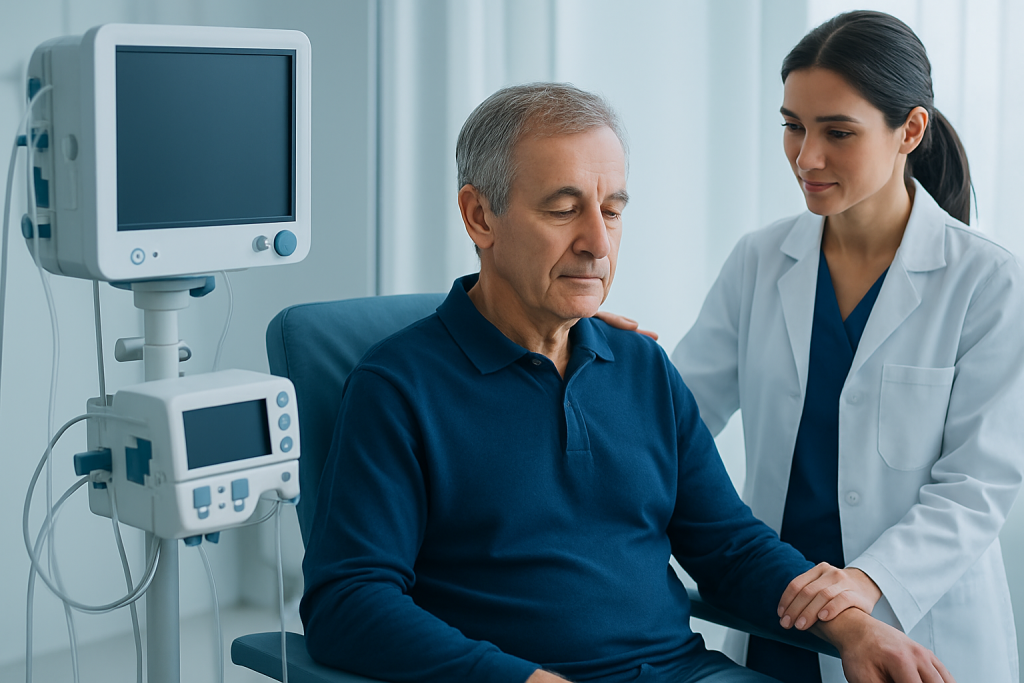
When people ask about Parkinson’s life expectancy, they are often really asking what influences prognosis. The answer is that the course of Parkinson’s depends on several interacting factors rather than on the diagnosis alone. A person with mild motor symptoms, strong family support, and good overall health may do very well for a long time.
Age is one of the most important influences. Older adults may have a higher risk of frailty, falls, infections, or hospitalization, which can affect long-term outcomes. Other health conditions, such as heart disease, diabetes, lung disease, or osteoporosis, may also affect resilience and recovery from illness.
The pattern of Parkinson’s symptoms matters too. Tremor-predominant disease may progress differently from forms where balance, gait freezing, swallowing problems, or cognitive changes appear earlier. Doctors also look at how a person responds to medication, whether they remain active, and whether non-motor symptoms interfere with nutrition, sleep, or safety at home.
- Age at diagnosis and current age
- General health and other chronic illnesses
- Balance, walking, and fall risk
- Swallowing function and nutrition
- Cognition, mood, and sleep quality
- Access to neurologic care, rehabilitation, and caregiver support
Symptoms and Complications That Can Affect Long-Term Health

Parkinson’s disease itself is not usually considered directly fatal. However, complications related to the disease can affect health and, in some cases, survival. This is why regular monitoring matters. Problems that increase risk over time include falls, fractures, swallowing difficulty, dehydration, malnutrition, constipation complications, pneumonia, and reduced mobility.
Swallowing difficulty deserves special attention because it may lead to aspiration, which means food or liquid enters the airway. Aspiration can contribute to chest infections and pneumonia. Similarly, reduced movement and slower reaction time can raise the risk of falls, which may cause injury, hospitalization, and loss of independence.
Non-motor symptoms can also shape overall outlook. Low blood pressure on standing, sleep disturbance, depression, anxiety, hallucinations, and memory changes can make everyday activities harder and may increase caregiver burden. For some patients, cognitive decline becomes a major factor in long-term planning. If there are concerns about diagnosis or symptom pattern, evaluation for Parkinson's disease and related movement disorders may help clarify the next steps.
Recognizing complications early does not change the fact that Parkinson’s is progressive, but it can reduce avoidable setbacks. Timely treatment of swallowing problems, medication side effects, constipation, or recurrent falls may help preserve function and quality of life for longer.
How Doctors Assess Outlook and Monitor Progression
There is no single test that can predict exactly how long someone with Parkinson’s will live. Instead, doctors build a picture over time using medical history, neurological examination, symptom pattern, treatment response, and changes in daily function. Follow-up visits are important because prognosis becomes clearer as the course of disease unfolds.
Assessment often includes motor symptoms such as tremor, slowness, stiffness, walking speed, posture, and balance. Doctors also ask about non-motor symptoms, including sleep, mood, bladder and bowel function, swallowing, and memory. Family members may notice subtle changes that are helpful to mention during appointments.
Sometimes additional testing is needed to rule out other conditions or to evaluate complications. Depending on the situation, doctors may recommend brain imaging, swallowing assessment, cognitive screening, or rehabilitation evaluation. In selected cases, advanced evaluation in neurology care or a movement disorders clinic can help tailor treatment goals and long-term planning.
It is also common for doctors to revisit the care plan after a hospitalization, fall, sudden decline, or new confusion. Changes like these may not always mean the Parkinson’s itself has rapidly worsened; they can also reflect infection, medication effects, dehydration, sleep disruption, or another treatable problem.
Treatment, Rehabilitation, and Steps That Support Longer, Better Living
Although no treatment can currently cure Parkinson’s disease, several approaches can help control symptoms and support daily function. Medication often improves slowness, stiffness, and tremor, which may help mobility and independence. The treatment plan usually evolves over time as symptoms change.
Exercise is one of the most consistently recommended parts of care. Regular physical activity may support walking, balance, flexibility, strength, and overall well-being. Many patients benefit from structured rehabilitation, including physiotherapy, speech therapy, and occupational therapy, especially if they have gait difficulty, reduced voice volume, or trouble with daily tasks.
For some patients with medication fluctuations or tremor that is difficult to control, advanced options may be discussed. These are not suitable for everyone, but carefully selected patients may benefit from therapies such as deep brain stimulation. Supportive programs such as physical therapy and rehabilitation can also play a major role in maintaining mobility and reducing complications.
Good treatment is not only about motor symptoms. Managing constipation, sleep problems, mood symptoms, swallowing issues, bone health, and blood pressure changes can make a meaningful difference. The goal is to help patients live as safely and fully as possible, not simply to reduce tremor.
Daily Habits, Prevention, and Self-Care
Self-care can influence both quality of life and long-term health in Parkinson’s disease. A steady routine around medication timing, meals, sleep, hydration, and exercise can reduce day-to-day fluctuations. Patients are often encouraged to stay socially and mentally engaged, since isolation and inactivity can worsen health over time.
Preventing complications is especially important. Home safety measures, balance training, proper footwear, and review of dizziness or fainting can help reduce falls. Eating enough calories, protein, and fiber, along with drinking enough fluids when medically appropriate, can support energy, bowel function, and overall strength.
Caregivers also play an important role. They may notice medication wearing-off, swallowing changes, nighttime confusion, or unsafe walking before the patient does. Open communication with the care team can help address these changes early rather than waiting for a crisis.
- Take medicines exactly as prescribed and ask before making changes.
- Exercise regularly with a plan matched to ability and safety.
- Report new swallowing, balance, or memory problems promptly.
- Keep vaccinations and routine health care up to date.
- Review the home for fall hazards such as loose rugs and poor lighting.
- Seek support for mood, sleep, and caregiver strain when needed.
When to Seek Medical Care
Routine follow-up with a doctor is important even when symptoms seem stable. Medical advice should be sought sooner if there are frequent falls, choking or coughing with meals, unintentional weight loss, worsening confusion, hallucinations, fainting, severe constipation, or a sudden decline in walking or speech. These changes may be related to Parkinson’s, medication effects, or another illness that needs treatment.
Urgent medical attention is needed for chest pain, severe breathing difficulty, signs of stroke, major injury after a fall, high fever, or sudden inability to wake or respond normally. A sudden change should not automatically be blamed on Parkinson’s disease, because infections, dehydration, and other acute problems are common and may be treatable.
Near the end of the care journey, some patients and families also benefit from discussions about advance care planning, symptom priorities, and supportive services. This can be done gradually and respectfully, with attention to the person’s goals and values. For international patients who need specialist evaluation, Acibadem International’s multidisciplinary teams in JCI-accredited hospitals diagnose and treat movement disorders with individualized care planning.
Frequently asked questions
Is Parkinson's disease fatal?
Parkinson's disease is not usually considered directly fatal. However, complications related to the condition, such as falls, swallowing problems, infections, and reduced mobility, can affect overall health and long-term outcomes.
Can a person with Parkinson's have a normal life expectancy?
Many people with Parkinson's disease live for many years, and life expectancy may be near normal in many cases. The outlook depends on age, general health, symptom pattern, and how well complications are prevented and treated.
What stage of Parkinson's affects life expectancy the most?
There is no single stage that predicts life expectancy on its own. More advanced disease often brings greater risk from falls, swallowing difficulty, frailty, and cognitive decline, which can have a stronger effect on overall health than tremor or stiffness alone.
What are the most serious complications of Parkinson's disease?
Important complications include falls, fractures, aspiration, pneumonia, malnutrition, dehydration, and progressive cognitive problems. These issues can reduce independence and may lead to hospitalization if not recognized early.
Does early treatment improve Parkinson's life expectancy?
Treatment is primarily aimed at symptom control, function, and prevention of complications rather than directly extending life. Even so, timely treatment, regular follow-up, exercise, and rehabilitation can support safer mobility and better overall health over time.
How can someone with Parkinson's protect their long-term health?
Helpful steps include taking medication consistently, staying physically active, reducing fall risks at home, and addressing swallowing, sleep, mood, and bowel problems early. Regular review with a neurologist or qualified doctor can help adjust the care plan as needs change.
This article is for general information only and is not a substitute for professional medical advice. Please consult a qualified doctor about your individual situation.
Explore treatments in Turkey — costs, top hospitals & a free quote
JCI-accredited · board-certified surgeons · reply within 24h
Add us as a Preferred Source to see more of our trusted health content across Google Search, AI Overviews and Discover.
Check your numbers in seconds
BMI, calories, due date, blood pressure and 30+ more clinical calculators — free, instant, doctor-reviewed ranges.

More from the Health Library

High Albumin Globulin Ratio: A Complete Medical Overview

Healthy Lifestyle: A Complete Medical Overview

Troponin — Explained by Medical Evidence, Not Myths

Unexplained Itching All Over Body at Night — Explained by Medical Evidence, Not Myths

Half Life — Explained by Medical Evidence, Not Myths