Patanol Eye Drops — Explained by Medical Evidence, Not Myths

Patanol eye drops contain olopatadine, an antihistamine and mast cell stabilizer used for eye allergies. They are mainly used for itching related to allergic conjunctivitis, not for infections or all forms of eye redness.
Key Takeaways
- Patanol eye drops contain olopatadine, an antihistamine and mast cell stabilizer used for eye allergies.
- They are mainly used for itching related to allergic conjunctivitis, not for infections or all forms of eye redness.
- Proper drop technique, contact lens precautions, and medical guidance help improve safety and effectiveness.
- Mild burning or stinging can happen, but severe pain, vision changes, or worsening redness need medical review.
- A clinician can help distinguish allergy symptoms from dry eye, infection, or other eye conditions.
Patanol eye drops are prescription allergy eye drops used to relieve itchy eyes caused by <a href="https://acibademinternational.com/diseases/allergic-conjunctivitis/”>allergic conjunctivitis. They do not treat every cause of red or irritated eyes, so correct diagnosis matters before use.
What Patanol Eye Drops Are and What They Do
Patanol eye drops are a prescription medicine used to treat eye itching caused by allergies. The active ingredient is olopatadine, a medicine that helps calm the allergic response on the surface of the eye. In practical terms, this means Patanol is designed for people whose eyes become itchy, red, watery, or irritated after exposure to triggers such as pollen, dust, animal dander, or other allergens.
A common misunderstanding is that any red or uncomfortable eye should improve with allergy drops. Medical evidence does not support that idea. Patanol eye drops are most useful when symptoms are due to allergic conjunctivitis, a condition in which the thin membrane covering the white of the eye becomes inflamed because of an allergic reaction. They are not an antibiotic, do not treat viral eye infections, and are not a substitute for treatment of injuries or sudden vision problems.
Olopatadine works in two helpful ways. It blocks histamine, a chemical involved in allergy symptoms, and it also helps stabilize mast cells, which are part of the allergic response. This dual action can reduce itching and irritation rather than only masking symptoms for a short time.
Because many eye conditions can feel similar at first, it is important not to self-diagnose based only on redness or discomfort. If symptoms are unclear, persistent, or severe, an eye specialist can help determine whether the problem is allergy, dry eye, infection, or another condition requiring different care.
When Patanol Eye Drops May Help
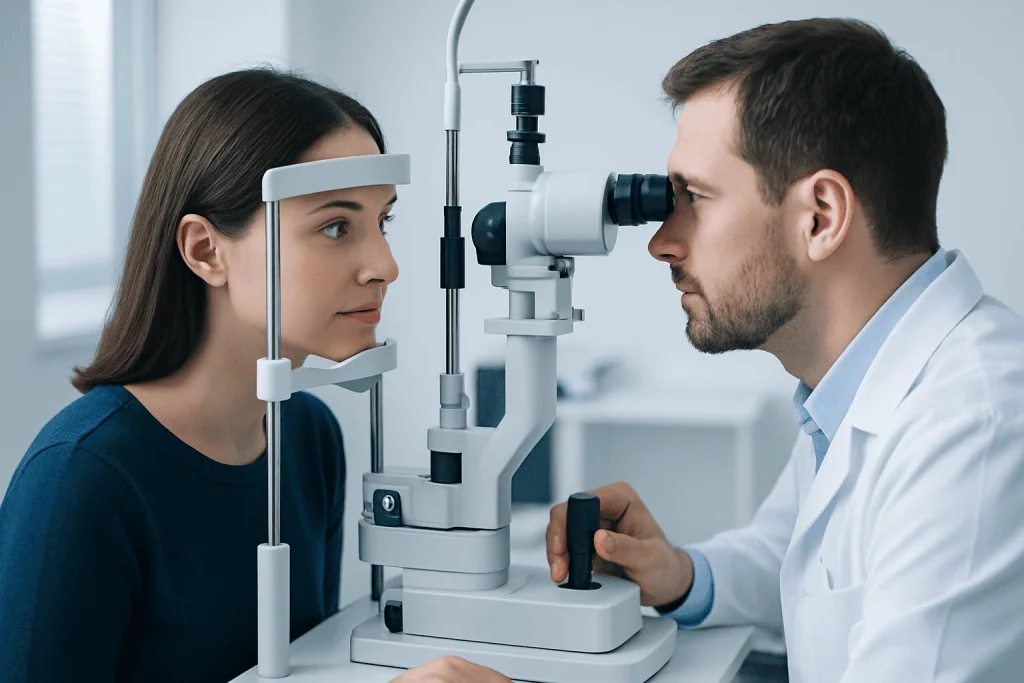
Patanol eye drops are usually prescribed for allergic conjunctivitis. This often causes itching in both eyes, tearing, mild redness, and puffiness around the eyes. Symptoms may come and go with seasonal allergens or may continue year-round when caused by indoor triggers such as dust mites or pet dander.
Itching is one of the strongest clues that allergies are involved. Many people also notice that symptoms worsen outdoors during pollen seasons or after exposure to smoke, pets, or other irritants. Some may have related allergy symptoms such as sneezing, a runny nose, or a personal history of eczema or hay fever.
However, not every irritated eye is due to allergy. Dry eye can cause burning, grittiness, and fluctuating discomfort. Eye infections may produce discharge, marked redness, or eyelids stuck together on waking. Inflammation from other causes may need a different approach. For readers comparing possibilities, conditions such as conjunctivitis and dry eye can overlap in symptoms, which is why a proper evaluation is sometimes needed.
If symptoms are frequent or hard to control, clinicians may also recommend reducing exposure to triggers, using lubricating drops, or combining treatment with oral allergy management when appropriate. The goal is not only temporary comfort but a treatment plan that fits the true cause of symptoms.
How to Use Patanol Eye Drops Safely

Like all eye medicines, Patanol eye drops work best when used exactly as directed by a qualified clinician or according to the approved product instructions. Before applying the drops, hands should be washed thoroughly. The bottle tip should not touch the eye, eyelid, fingers, or any surface, because contamination can introduce germs into the bottle.
To apply a drop, the person usually tilts the head back, gently pulls down the lower eyelid, and places the prescribed drop into the pocket formed by the lid. Closing the eye gently for a short time afterward may help the medicine stay in place. Blinking repeatedly right away can cause the drop to run out too quickly.
Contact lens wearers should be cautious. Allergy symptoms and contact lens discomfort can affect each other, and some eye drops should not be placed directly onto lenses. In many cases, lenses are removed before using the drops and reinserted only after the recommended waiting period. A clinician or pharmacist can give product-specific guidance.
If a person uses more than one kind of eye drop, spacing them apart can help prevent one medication from washing out the other. People who are also being treated for other eye conditions may benefit from specialist review through services such as a comprehensive eye examination to ensure the treatment plan is appropriate and coordinated.
Possible Side Effects and Important Precautions
Most people tolerate Patanol eye drops well, but mild side effects can occur. These may include brief burning or stinging after the drop is placed, temporary blurred vision, dry eye sensation, mild headache, or an unusual taste in the mouth after use. These effects are often short-lived.
More significant symptoms deserve attention. Severe eye pain, marked swelling, worsening redness, sensitivity to light, a drop in vision, or symptoms affecting only one eye in an unusual way are not typical of simple eye allergy and should be assessed promptly. These signs can point to infection, corneal irritation, or another eye problem that needs a different treatment.
People should also mention any history of eye surgery, chronic dry eye, glaucoma, contact lens intolerance, or medicine allergies when discussing treatment. Pregnancy, breastfeeding, and use in children should be guided by a qualified clinician, because the safest choice depends on the person’s overall situation.
Using Patanol longer, more often, or for symptoms it was not prescribed for is not likely to improve results and may delay the correct diagnosis. If a person has frequent flare-ups, an ophthalmologist can look for underlying issues such as chronic allergy, surface irritation, or conditions that may mimic allergy, including glaucoma when eye discomfort is accompanied by other warning signs.
What Patanol Does Not Treat
One of the most useful ways to understand Patanol eye drops is to be clear about their limits. They are not an antibiotic, so they do not treat bacterial infections. They are not an antiviral medicine, so they do not cure viral pink eye. They also do not replace lubricating drops for primary dry eye or treat injuries caused by chemical exposure or trauma.
This distinction matters because the visible symptom of a red eye can arise from many causes. An infection may cause discharge, crusting, tenderness, or contagious symptoms among family members. Dry eye often feels gritty or burning, especially after screen use or in air-conditioned environments. Corneal conditions may lead to light sensitivity or stronger pain. Allergy, in contrast, often causes itching and tends to affect both eyes.
If the diagnosis is uncertain, using only allergy drops can delay effective care. An eye specialist may recommend tests or examination methods to evaluate the cornea, tear film, eyelids, and conjunctiva. Depending on findings, treatment may include lubricating drops, infection treatment, or another targeted approach such as cornea-focused evaluation and treatment when the eye surface is involved.
In short, Patanol can be very helpful when the problem is truly allergic conjunctivitis, but it should not be treated as a universal solution for any eye discomfort. A clear diagnosis leads to safer and more effective care.
Practical Self-Care for Eye Allergy Symptoms
Medication often works best when combined with practical steps to reduce allergen exposure. During high pollen periods, people may benefit from keeping windows closed, showering after time outdoors, and washing pillowcases regularly. Avoiding eye rubbing is especially important, because rubbing can worsen irritation and trigger more histamine release.
Cool compresses may offer additional comfort for itchy or puffy eyes. Preservative-free lubricating eye drops can sometimes help rinse away allergens and soothe the eye surface, although they are not the same as prescription allergy drops. If makeup or skincare products seem to worsen symptoms, stopping them temporarily can help identify irritants.
For people who wear contact lenses, symptoms may improve by reducing lens wear during allergy flare-ups or discussing alternative lens schedules with an eye care professional. Some people need a broader review if eye irritation keeps returning, particularly when allergy overlaps with eyelid inflammation, dry eye, or refractive issues. In selected cases, a clinician may suggest further assessment through specialist eye care services if there are additional vision concerns unrelated to allergy.
Near the end of the care pathway, if symptoms remain difficult to manage or the diagnosis is uncertain, patients may benefit from multidisciplinary review. Acibadem International’s specialists in JCI-accredited hospitals diagnose and treat eye conditions for international patients when more detailed assessment is needed.
When to Seek Medical Care
Medical review is advisable if eye symptoms do not improve, keep returning, or are not clearly typical of allergy. An appointment is especially important when symptoms affect daily activities, interfere with contact lens wear, or are accompanied by eyelid swelling, significant discharge, or increasing discomfort.
Urgent assessment is needed for severe eye pain, sudden vision changes, light sensitivity, injury, chemical exposure, or a feeling that something is stuck in the eye and will not come out. These symptoms can indicate conditions more serious than uncomplicated allergy and should not be managed at home alone.
Children, older adults, and people with known eye disease may need earlier evaluation, because symptoms can be harder to interpret and complications easier to miss. Anyone using other prescription eye medicines should also ask how treatments should be combined safely.
An ophthalmology review can help confirm whether symptoms are due to allergy or another condition and guide next steps. This may include a detailed eye surface check, pressure measurement, or broader ophthalmic evaluation and treatment depending on the individual case.
Frequently asked questions
What are Patanol eye drops used for?
Patanol eye drops are used to relieve itching caused by allergic conjunctivitis. They may also help reduce redness and watering linked to eye allergies, but they are not meant for every cause of eye irritation.
Are Patanol eye drops the same as regular red-eye drops?
No. Patanol contains olopatadine, which targets allergic inflammation, while many over-the-counter red-eye drops mainly shrink blood vessels for temporary redness relief. These products work differently and are not interchangeable for every situation.
Can Patanol eye drops treat an eye infection?
No, Patanol eye drops do not treat bacterial or viral eye infections. If there is thick discharge, one eye is much worse than the other, or symptoms are worsening, a doctor should assess the eye.
Do Patanol eye drops have side effects?
They can cause mild side effects such as temporary stinging, burning, blurred vision, or dryness after use. Severe pain, major swelling, or vision changes are not typical and need prompt medical advice.
Can contact lenses be worn with Patanol eye drops?
Many people need to remove contact lenses before using eye drops and wait before putting them back in. The exact timing depends on the product instructions and the clinician's advice, so it is best to confirm this before use.
How quickly do Patanol eye drops work?
Some people notice relief relatively soon, especially for itching, but the response can vary depending on the severity of the allergy and ongoing exposure to triggers. If symptoms continue despite correct use, the diagnosis may need to be reviewed.
References
- American Academy of Ophthalmology
- National Eye Institute
- U.S. Food and Drug Administration
- MedlinePlus
- Mayo Clinic
This article is for general information only and is not a substitute for professional medical advice. Please consult a qualified doctor about your individual situation.
Explore treatments in Turkey — costs, top hospitals & a free quote
JCI-accredited · board-certified surgeons · reply within 24h
Add us as a Preferred Source to see more of our trusted health content across Google Search, AI Overviews and Discover.