Pediatric Headaches: When a Child Needs Specialist Evaluation
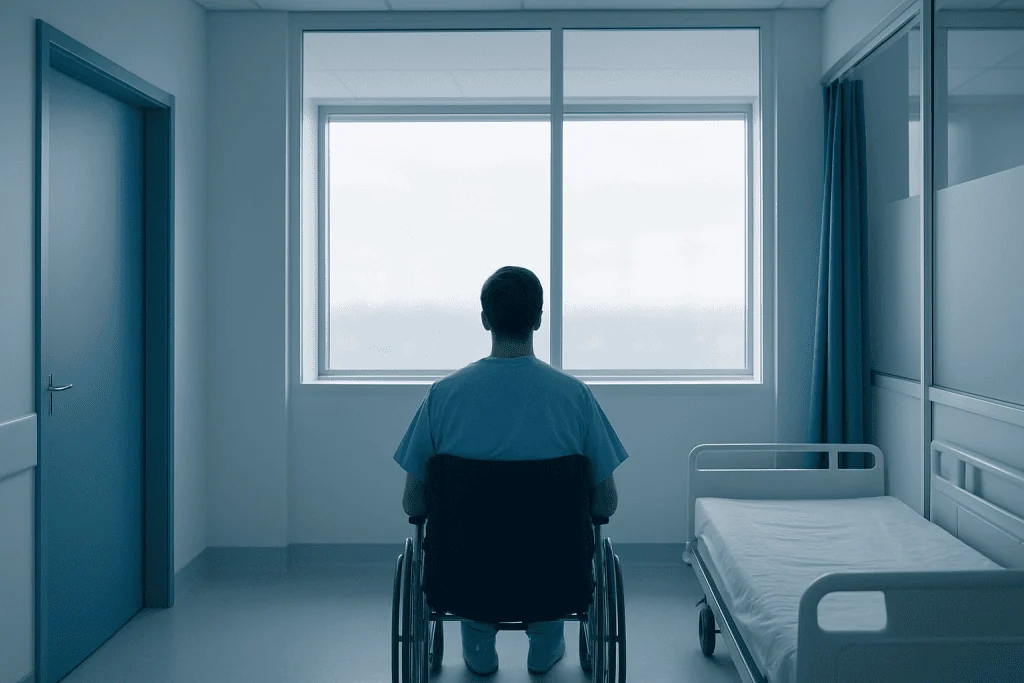
Most pediatric headaches are not caused by a serious brain problem. Keeping a headache diary can help identify patterns and triggers.
Key Takeaways
- Most pediatric headaches are not caused by a serious brain problem.
- Keeping a headache diary can help identify patterns and triggers.
- Red-flag symptoms include sudden severe headache, neurological changes, repeated vomiting, or headaches that wake a child from sleep.
- Specialist assessment may include a careful neurological exam and, when appropriate, imaging or other tests.
- Treatment depends on the headache type and may involve lifestyle changes, acute medicines, and preventive strategies.
Pediatric headaches are common and often related to factors such as dehydration, stress, poor sleep, or common infections. A specialist evaluation may be needed when headaches become frequent, severe, progressive, or occur with warning signs such as vomiting, vision changes, or neurological symptoms.
Overview of Pediatric Headaches
Pediatric headaches are a common reason for medical visits. Children can develop many of the same headache types seen in adults, including tension-type headaches and migraines, but the symptoms may look different at different ages. Younger children may have trouble describing the pain clearly and may instead become quiet, irritable, pale, or less active.
In many cases, headaches in children are linked to everyday factors such as missed meals, not drinking enough fluids, lack of sleep, stress, screen overuse, or minor viral illnesses. These causes are often manageable and do not point to a serious underlying disease. Even so, repeated headaches should not be ignored, especially if they interfere with school, play, sleep, or family life.
The main goal of evaluation is to identify the type of headache, look for possible triggers, and rule out uncommon but important secondary causes. A specialist may be helpful when the pattern is unclear, the headaches are disabling, or there are signs that need closer neurological assessment.
Common Symptoms and Headache Patterns in Children
Children may describe headache pain as pressure, tightness, throbbing, or pain on one or both sides of the head. Some headaches are short and mild, while others may last for hours. In children with migraine, the pain may be moderate to severe and can be accompanied by nausea, vomiting, sensitivity to light or sound, dizziness, abdominal pain, or a need to lie down in a dark room.
Tension-type headaches often feel like a band of pressure around the head and are less likely to cause nausea or vomiting. Some children also have headaches during or after an illness, with allergies, or after long periods of concentration. Headaches can appear after sports, hot weather, dehydration, or skipped meals.
Patterns are important. A doctor will often ask whether the headaches are becoming more frequent, more intense, or different from past episodes. It also helps to note whether headaches occur in the morning, wake the child from sleep, happen with coughing or straining, or are linked to stress, menstruation, particular foods, or screen time. A headache diary can make these patterns easier to recognize.
Causes and Risk Factors
Most pediatric headaches are primary headaches, meaning the headache itself is the condition rather than a symptom of another illness. The most common primary types are migraine and tension-type headache. There may be a family history of migraine, and many children who have migraine have close relatives with similar symptoms.
Secondary headaches happen because of another cause. Common examples include fever, sinus or ear infections, dehydration, vision strain, sleep problems, head injury, or medication overuse. Less often, headaches may be related to neurological conditions that need prompt diagnosis. For example, when symptoms suggest increased pressure inside the skull, seizures, or other neurological concerns, doctors may consider further investigation for conditions affecting the brain or nervous system, including brain tumors or hydrocephalus when clinically appropriate.
Risk factors that can make headaches more likely include irregular sleep schedules, anxiety, school stress, caffeine use, inadequate hydration, skipping meals, and too much use of pain-relief medicines. Hormonal changes during adolescence may also influence headache patterns. Understanding these factors is useful because treatment often includes reducing triggers as well as treating the pain itself.
When a Child Needs Specialist Evaluation
Many children with occasional mild headaches can first be assessed by a pediatrician. Specialist evaluation becomes more important when headaches are frequent, disabling, hard to classify, or not improving with initial care. Referral may also be appropriate if there is a strong suspicion of migraine, unusual neurological symptoms, or concern about an underlying disorder.
Doctors pay special attention to red flags. These include a sudden very severe headache, headaches that rapidly worsen over time, headaches that wake a child from sleep on a repeated basis, or early-morning headaches with vomiting. Other warning signs include weakness, imbalance, confusion, personality change, fainting, seizures, double vision, persistent visual changes, or headaches after a significant head injury.
Children younger than school age may need closer attention because they often cannot explain what they feel. A specialist may also be recommended if the child has developmental or neurological conditions, an abnormal neurological exam, headaches triggered by coughing or exertion, or chronic daily headaches that affect attendance, mood, and daily function.
- Seek urgent medical care for sudden severe headache, seizure, loss of consciousness, or new neurological deficits.
- Arrange timely assessment for repeated vomiting with headache, increasing frequency, or headaches that regularly disrupt sleep.
- Ask about specialist review when headaches limit school, sports, or normal activities despite basic measures.
How Pediatric Headaches Are Diagnosed
Diagnosis starts with a detailed history. The doctor will ask when the headaches began, how often they happen, where the pain is felt, what the pain feels like, how long it lasts, and what makes it better or worse. Associated symptoms such as nausea, sensitivity to light, dizziness, or visual changes are also important. Families may be asked about sleep habits, stress, fluid intake, medications, school performance, and family history of headache.
A physical and neurological examination is a key part of the assessment. This may include checking vision, eye movements, coordination, reflexes, balance, neck stiffness, growth parameters, and blood pressure. In many children with recurrent primary headaches, the examination is normal.
Imaging is not needed for every child with headache. Brain imaging may be considered when the story or examination raises concern for a structural cause. Depending on the situation, clinicians may use MRI imaging to look more closely at the brain. If there are visual symptoms or findings on examination, neuro-ophthalmology assessment may also help. Blood tests, eye examination, or other investigations are ordered selectively rather than routinely.
Treatment Options
Treatment depends on the headache type and the child’s overall pattern of symptoms. For occasional headaches, first steps often include rest, hydration, food if a meal was missed, and age-appropriate pain relief recommended by a doctor. It is important not to overuse pain medicines, because frequent use can sometimes worsen headaches over time.
For migraine, treatment may involve a plan for acute attacks and, in some children, preventive treatment if headaches are frequent or disabling. Preventive care can include regular sleep, hydration, exercise, stress management, and sometimes prescription medicines chosen by a specialist. Behavioral strategies such as relaxation techniques, biofeedback, and support for anxiety or stress may also be useful.
If a secondary cause is found, treatment focuses on that condition. For example, care may address infection, sinus disease, sleep issues, or another neurological problem. In more complex cases, evaluation by pediatric neurology or, where a structural cause is identified, neurosurgery may be part of the treatment pathway. The best results usually come from a personalized plan that includes both symptom relief and trigger management.
Prevention, Self-care, and Follow-up
Healthy daily habits can reduce headache frequency in many children. Useful steps include maintaining a consistent sleep schedule, drinking enough water, eating regular balanced meals, limiting caffeine, and taking breaks from prolonged screen use. Regular physical activity and stress reduction can also help.
A headache diary is one of the most practical tools for families. It can record the date, time, duration, severity, possible triggers, associated symptoms, and what helped. Over time, this may reveal links with dehydration, school stress, missed meals, hormonal changes, or specific activities.
Follow-up matters because headache patterns can change as a child grows. If headaches become more frequent, interfere with learning or mood, or no longer respond to the current plan, the child should be reassessed. Near the end of the care journey, some families may choose to seek multidisciplinary assessment; Acibadem International’s specialists in JCI-accredited hospitals evaluate and treat pediatric headache disorders for international patients when specialist care is needed.
Frequently asked questions
Are headaches common in children?
Yes. Headaches are common during childhood and adolescence, and many are related to benign causes such as dehydration, missed meals, stress, viral illness, or migraine. Even so, repeated or severe headaches deserve medical attention to confirm the cause and guide treatment.
How can a parent tell if a child’s headache might be a migraine?
Migraine in children often causes moderate to severe pain that may be throbbing and can come with nausea, vomiting, sensitivity to light or sound, dizziness, or a need to rest in a dark room. Some children also look pale, become unusually tired, or complain of stomach pain. A doctor can help distinguish migraine from other headache types.
When should a child with headaches see a specialist?
Specialist evaluation is appropriate when headaches are frequent, worsening, disabling, or difficult to classify. It is also important if the child has neurological symptoms, repeated early-morning vomiting, headaches that wake them from sleep, or an abnormal examination. Urgent assessment is needed for sudden severe headache, seizures, confusion, or weakness.
Does every child with headaches need a brain scan?
No. Most children with recurrent headaches do not need imaging if the history fits a primary headache disorder and the neurological examination is normal. Scans are usually reserved for cases with red-flag symptoms, abnormal exam findings, or concern about a structural cause.
What can families do at home to help prevent headaches?
Keeping a regular routine is often very helpful. Good sleep, regular meals, hydration, exercise, and limiting caffeine and excessive screen time can reduce headaches in many children. A headache diary can also help identify triggers and show whether treatment is working.
Can stress or school pressure cause headaches in children?
Yes. Emotional stress, anxiety, poor sleep, and long periods of concentration can all contribute to headaches. Addressing school pressure, promoting relaxation, and building healthy daily habits may reduce symptoms, although a medical review is still important if headaches are frequent or severe.
References
- American Academy of Pediatrics
- American Academy of Neurology
- National Institute of Neurological Disorders and Stroke
- International Headache Society
- Mayo Clinic
This article is for general information only and is not a substitute for professional medical advice. Please consult a qualified doctor about your individual situation.
Explore treatments in Turkey — costs, top hospitals & a free quote
JCI-accredited · board-certified surgeons · reply within 24h
Add us as a Preferred Source to see more of our trusted health content across Google Search, AI Overviews and Discover.