Pulmonary Toilet — Explained by Medical Evidence, Not Myths
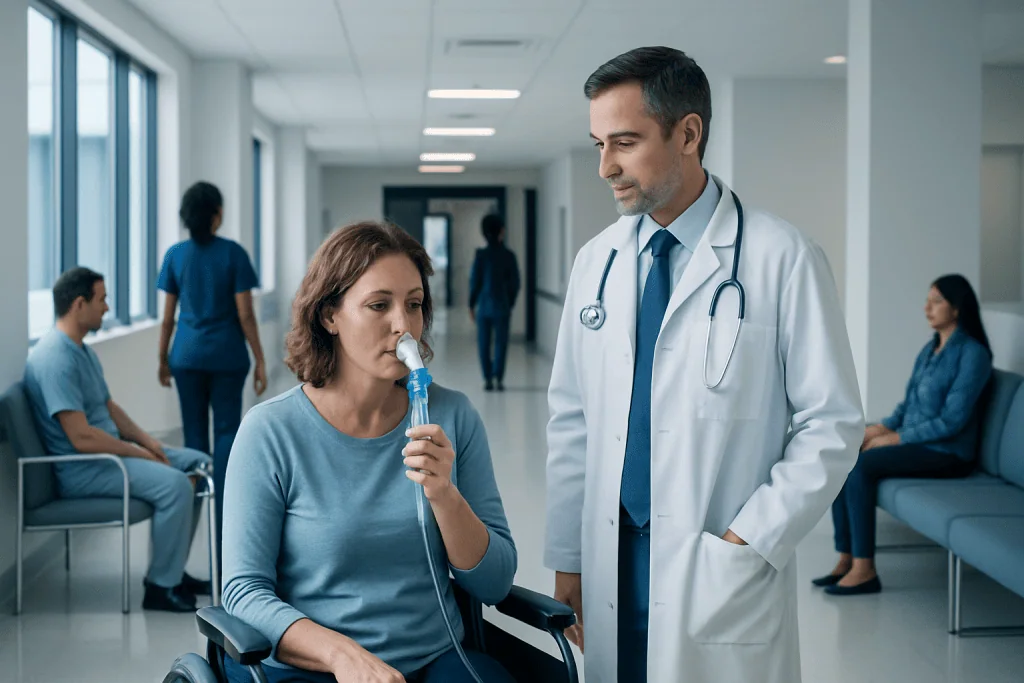
Pulmonary toilet refers to airway-clearance care, not cleansing or “detoxing” the lungs. It may include coughing techniques, movement, hydration, suctioning, breathing devices, and chest physiotherapy.
Key Takeaways
- Pulmonary toilet refers to airway-clearance care, not cleansing or “detoxing” the lungs.
- It may include coughing techniques, movement, hydration, suctioning, breathing devices, and chest physiotherapy.
- The best method depends on the person’s underlying condition, strength, breathing status, and amount of secretions.
- Routine airway-clearance treatments are not needed for everyone with a cough or respiratory infection.
- New or worsening breathlessness, chest pain, blue lips, confusion, or coughing up blood require urgent medical assessment.
Pulmonary toilet is an older clinical term for airway clearance: measures used to loosen and remove mucus or other secretions from the lungs and airways. It is used selectively in hospital and home-care settings when a person cannot clear secretions effectively by coughing.
What is pulmonary toilet?
Pulmonary toilet is a traditional medical term for airway clearance. It describes a group of techniques that help remove mucus, saliva, blood, or other secretions from the airways so that breathing is easier and air can move through the lungs more effectively. Many clinicians now prefer the terms airway clearance, bronchial hygiene, or secretion management, because the word “toilet” can be confusing.
The purpose is practical rather than cosmetic: retained secretions can block smaller airways, make coughing difficult, and provide an environment in which infection may develop. Airway clearance may be recommended for people who are weak after surgery, have an illness affecting the lungs or nervous system, are receiving mechanical ventilation, or have a long-term condition that produces thick mucus. It is not a “lung detox” and does not remove toxins from healthy lungs.
For many people, the body’s natural defenses are enough. Cilia, the tiny hair-like structures lining the airways, move mucus upward, while coughing clears it. Pulmonary toilet is considered when these normal mechanisms are reduced or when secretions are unusually heavy, thick, or difficult to cough out.
Why airway clearance may be needed
Mucus is not inherently harmful. It moistens and protects the lining of the airways and helps trap particles and germs. Problems can arise when mucus becomes too thick, when a person produces a large amount of it, or when they cannot generate a strong enough cough to move it out.
Airway clearance is often used during recovery from major chest or abdominal surgery, prolonged bed rest, serious respiratory infections, or time in an intensive care unit. It can also be part of ongoing care for conditions such as bronchiectasis, cystic fibrosis, chronic obstructive pulmonary disease (COPD), neuromuscular disorders, and some swallowing problems that increase the risk of aspiration.
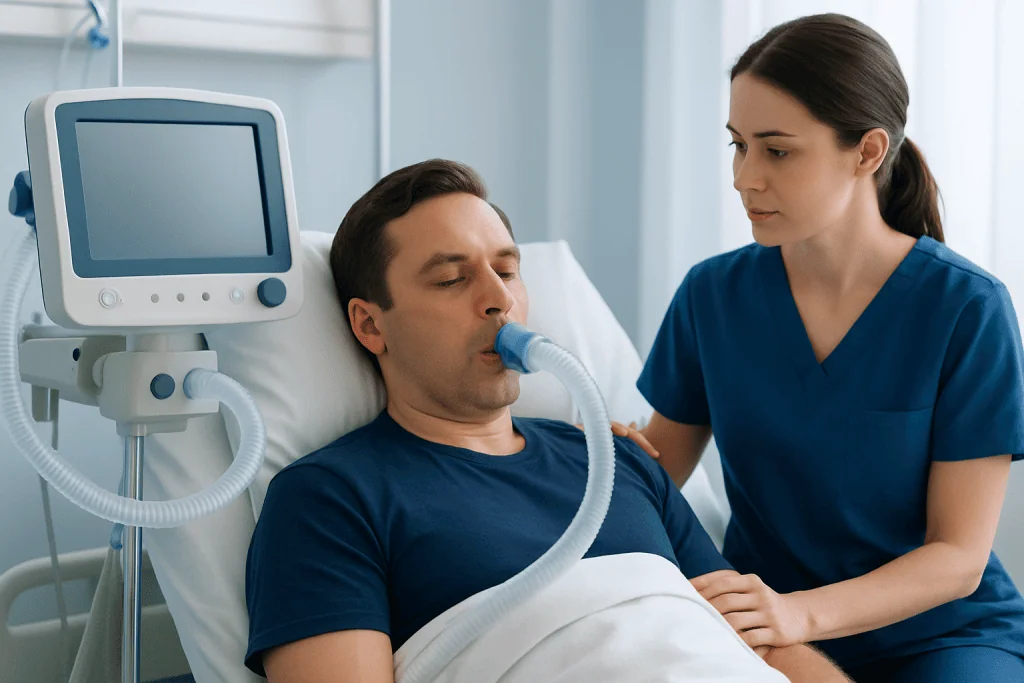
In hospital, clinicians may also use airway-clearance measures for a person with an artificial airway, such as an endotracheal tube or tracheostomy. These devices can bypass normal humidification and make it harder to cough normally. The care team assesses whether secretions are actually causing a problem before choosing an approach.
What pulmonary toilet can include
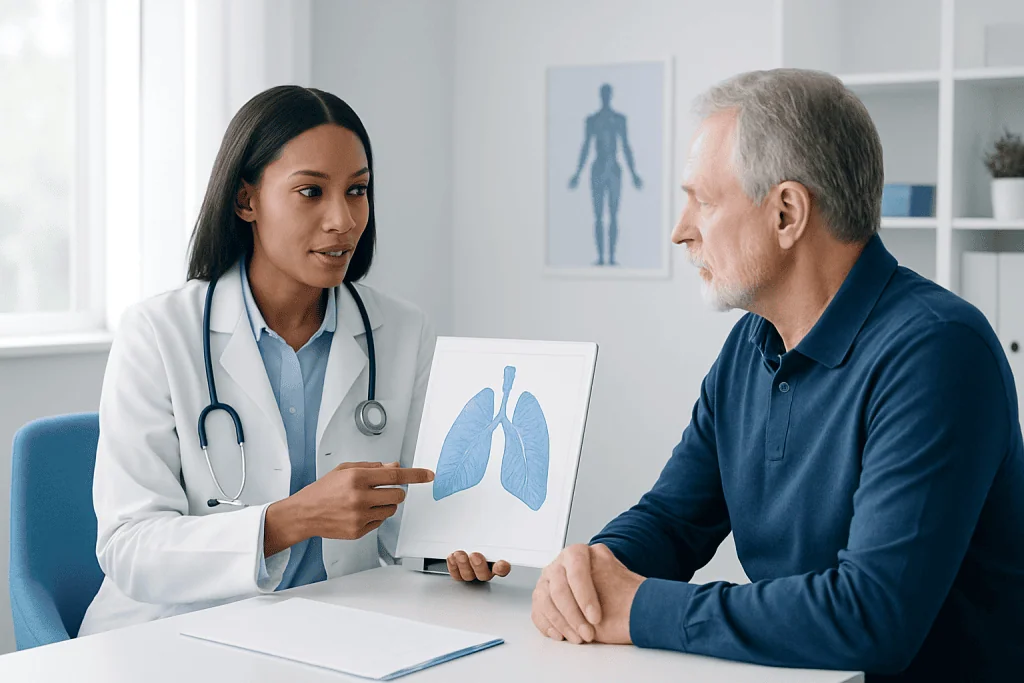
There is no single pulmonary toilet procedure. A clinician may combine simple measures with more specialized treatments according to the person’s needs. Encouraging regular position changes, sitting upright, early walking after surgery, and guided deep breathing can help expand the lungs and support normal mucus movement.
Controlled coughing or “huff coughing” may be taught to bring mucus from smaller airways into the throat, where it can be spat out. Deep-breathing exercises and some handheld breathing devices may be used after surgery when appropriate. Adequate hydration, if medically safe for the individual, can also help keep secretions less sticky.
Other options include chest physiotherapy, in which trained professionals use positioning, manual percussion, vibration, or breathing techniques to mobilize mucus. Some people benefit from positive expiratory pressure devices, oscillating devices, or mechanical cough-assist equipment. In a hospital setting, suctioning may remove secretions when a person cannot cough effectively.
- Mobilization: sitting up, walking, and changing position regularly.
- Breathing and cough techniques: deep breathing, huff coughing, and supported coughing after surgery.
- Airway-clearance devices: selected devices that create resistance or vibration during exhalation.
- Professional interventions: chest physiotherapy, suctioning, and respiratory support when clinically indicated.
How clinicians decide which approach is appropriate
Airway clearance should be individualized. Clinicians consider the amount and thickness of secretions, oxygen levels, cough strength, lung examination findings, mobility, swallowing safety, pain control, and the underlying cause of the problem. A person with a temporary weak cough after surgery may need a different plan from someone living with chronic bronchiectasis or a neuromuscular condition.
Not every cough, noisy breath, or chest infection requires chest physiotherapy or suctioning. In some situations, unnecessary interventions may be uncomfortable, tiring, or offer little benefit. For example, routine chest physiotherapy is not generally needed for uncomplicated viral respiratory illnesses in otherwise healthy people.
Tests may be needed if symptoms suggest a more significant lung problem. Depending on the situation, this can include pulse oximetry to check oxygen saturation, chest imaging, blood tests, sputum testing, or lung function testing. These investigations help identify conditions such as pneumonia, airway narrowing, fluid around the lungs, or aspiration that may require targeted treatment beyond mucus clearance.
Benefits, limits, and possible discomforts
When used for the right reason, pulmonary toilet can improve comfort, reduce the effort needed to clear mucus, and help maintain better airflow in the lungs. In hospitalized people who are at risk of retained secretions, it may form one part of a broader recovery plan that includes pain management, mobilization, treatment of infection when present, and respiratory monitoring.
However, airway clearance does not treat the underlying cause of all breathing symptoms. Antibiotics may be needed for certain bacterial infections, inhaled medicines may be appropriate for airway narrowing, and urgent support may be necessary for severe breathing difficulty. The most effective plan addresses both the secretions and the condition causing them.
Some techniques can temporarily trigger coughing, fatigue, soreness, dizziness, or a drop in oxygen levels in vulnerable people. Suctioning can be uncomfortable and should be performed by trained professionals when needed. People with recent surgery, fragile bones, heart conditions, bleeding risk, or severe lung disease should not start intensive chest-clearing methods without guidance from their healthcare team.
Safe self-care and prevention at home
For people who have been given a home airway-clearance plan, following the recommended technique and schedule is more useful than trying multiple unproven remedies. Sitting upright, taking regular gentle walks if able, and using prescribed breathing or airway-clearance devices correctly can support lung expansion and mucus movement. A physiotherapist, respiratory therapist, or nurse can demonstrate safe technique.
Staying well hydrated may help some people manage thick secretions, but fluid intake should be individualized for those with heart failure, kidney disease, or fluid restrictions. Avoid smoking and exposure to secondhand smoke, as these can irritate airways and impair the natural clearance system. Keeping vaccinations up to date, including recommended influenza and pneumococcal vaccines, can help lower the risk of some respiratory infections.
Over-the-counter cough medicines, expectorants, steam inhalation, and herbal products are not substitutes for medical assessment when symptoms are severe or persistent. Steam can cause burns, and some cough suppressants may be unsuitable when a person needs to cough mucus out. A doctor or pharmacist can advise on options that are appropriate for an individual’s health conditions and medicines.
When to seek medical care
Medical advice is important when mucus is difficult to clear, symptoms are getting worse, or a person has a condition that affects lung function or cough strength. A healthcare professional should assess persistent fever, increasing wheezing, chest discomfort, a new change in mucus color or amount, or a cough lasting more than a few weeks. People recently discharged after surgery or hospitalization should follow their discharge instructions and contact their care team if they are concerned.
Urgent medical care is needed for severe or rapidly worsening shortness of breath, blue or gray lips or face, confusion, fainting, severe chest pain, coughing up more than small streaks of blood, or inability to stay awake. These symptoms may indicate a serious respiratory or cardiovascular problem and should not be managed with home airway-clearance techniques alone.
For international patients who need assessment for complex respiratory symptoms, Acibadem International’s multidisciplinary specialists and JCI-accredited hospitals can diagnose and treat relevant lung and airway conditions. The appropriate care plan should always be based on an in-person clinical evaluation.
Frequently asked questions
Is pulmonary toilet the same as chest physiotherapy?
No. Chest physiotherapy is one possible component of pulmonary toilet or airway clearance. Pulmonary toilet is a broader term that can also include coughing exercises, movement, hydration, breathing devices, positioning, and suctioning when needed.
Can pulmonary toilet prevent pneumonia?
Airway-clearance measures may help reduce retained secretions in selected people who are at increased risk, such as those recovering from surgery or unable to cough well. They do not guarantee prevention of pneumonia, and they cannot replace diagnosis and treatment of an infection.
Can a person perform pulmonary toilet at home?
Some airway-clearance methods, such as prescribed breathing exercises, huff coughing, positioning, and use of a recommended device, can be performed at home. A clinician should first confirm the cause of symptoms and teach the safest approach for the individual.
Does drinking water clear mucus from the lungs?
Hydration can help keep secretions less thick for some people, which may make coughing easier. It does not directly remove mucus from the lungs, and people on fluid restrictions should ask their clinician about safe intake.
Is suctioning necessary for a productive cough?
Usually not. A person who can cough effectively can often clear secretions without suctioning. Suctioning is generally reserved for people who cannot clear their airway adequately, including some patients with artificial airways or severe weakness.
When is coughing up mucus a concern?
Mucus can occur with common respiratory illnesses, but medical advice is appropriate if it is persistent, increasing, foul-smelling, accompanied by fever or worsening breathlessness, or contains blood. Emergency assessment is needed for major breathing difficulty, significant bleeding, chest pain, or confusion.
References
- American Thoracic Society
- European Respiratory Society
- National Heart, Lung, and Blood Institute
- Mayo Clinic
- National Health Service
This article is for general information only and is not a substitute for professional medical advice. Please consult a qualified doctor about your individual situation.
Explore treatments in Turkey — costs, top hospitals & a free quote
JCI-accredited · board-certified surgeons · reply within 24h
Add us as a Preferred Source to see more of our trusted health content across Google Search, AI Overviews and Discover.