Pulseless Ventricular Tachycardia: An Evidence-Based Guide for Patients

Pulseless ventricular tachycardia causes sudden loss of effective blood circulation and is a medical emergency. A person with this rhythm is unresponsive, not breathing normally, and has no detectable pulse when assessed by trained responders.
Key Takeaways
- Pulseless ventricular tachycardia causes sudden loss of effective blood circulation and is a medical emergency.
- A person with this rhythm is unresponsive, not breathing normally, and has no detectable pulse when assessed by trained responders.
- Immediate CPR and rapid defibrillation offer the best chance of restoring a workable heart rhythm.
- Heart disease, a previous heart attack, inherited rhythm conditions, and electrolyte disturbances can increase risk.
- After survival, careful testing and long-term cardiac care help identify the cause and lower the risk of recurrence.
Pulseless ventricular tachycardia is a cardiac arrest rhythm in which the heart beats dangerously fast but does not pump enough blood to create a pulse. It requires immediate emergency action, including calling emergency services, starting CPR, and using an automated external defibrillator (AED) when available.
Overview: What Is Pulseless Ventricular Tachycardia?
Pulseless ventricular tachycardia, often called pulseless VT, is a life-threatening heart rhythm that causes cardiac arrest. The lower pumping chambers of the heart, called ventricles, beat extremely fast in an uncoordinated way. Although there may be electrical activity on a heart monitor, the heart cannot pump enough blood to the brain, lungs, and other organs.
A person with pulseless VT collapses, is unresponsive, and is not breathing normally or may only gasp occasionally. They do not have an effective pulse. This is different from ventricular tachycardia with a pulse, in which a person may remain awake or have symptoms such as palpitations, chest discomfort, dizziness, or fainting.
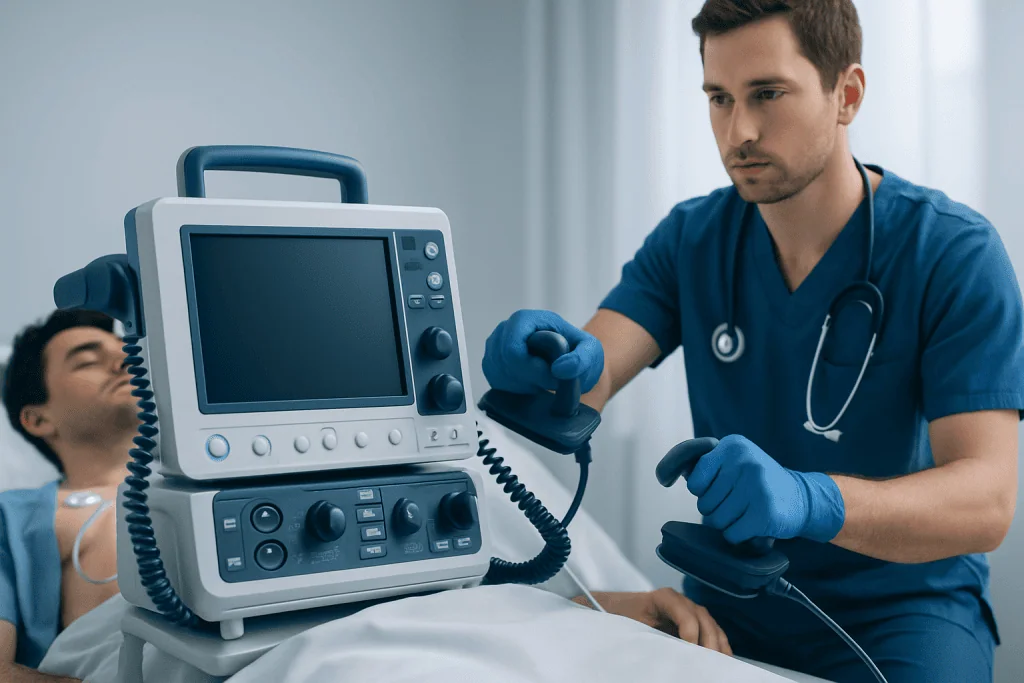
Pulseless VT is one of the “shockable” cardiac arrest rhythms. This means an electric shock from a defibrillator may help stop the abnormal rhythm so that the heart’s normal electrical system can resume control. Fast recognition, high-quality cardiopulmonary resuscitation (CPR), and early defibrillation are central to emergency care.
Why Pulseless VT Is an Emergency
The body depends on a continuous flow of oxygen-rich blood. In pulseless VT, circulation stops or becomes too weak to support vital organs. Brain injury can begin within minutes when blood flow is absent, so bystanders and emergency teams must act quickly rather than waiting for symptoms to improve.
It is not possible to confirm pulseless VT by appearance alone. In everyday settings, a bystander should treat an adult or child who is unresponsive and not breathing normally as a possible cardiac arrest. A trained healthcare professional may check for a pulse, but members of the public should not delay calling emergency services or beginning CPR while trying to make a prolonged pulse assessment.
Pulseless VT can change into ventricular fibrillation, another shockable cardiac arrest rhythm in which the ventricles quiver rather than pump. It can also deteriorate into asystole, sometimes described as a flatline rhythm. These possibilities are why immediate treatment is essential.
What to Do if Someone Collapses
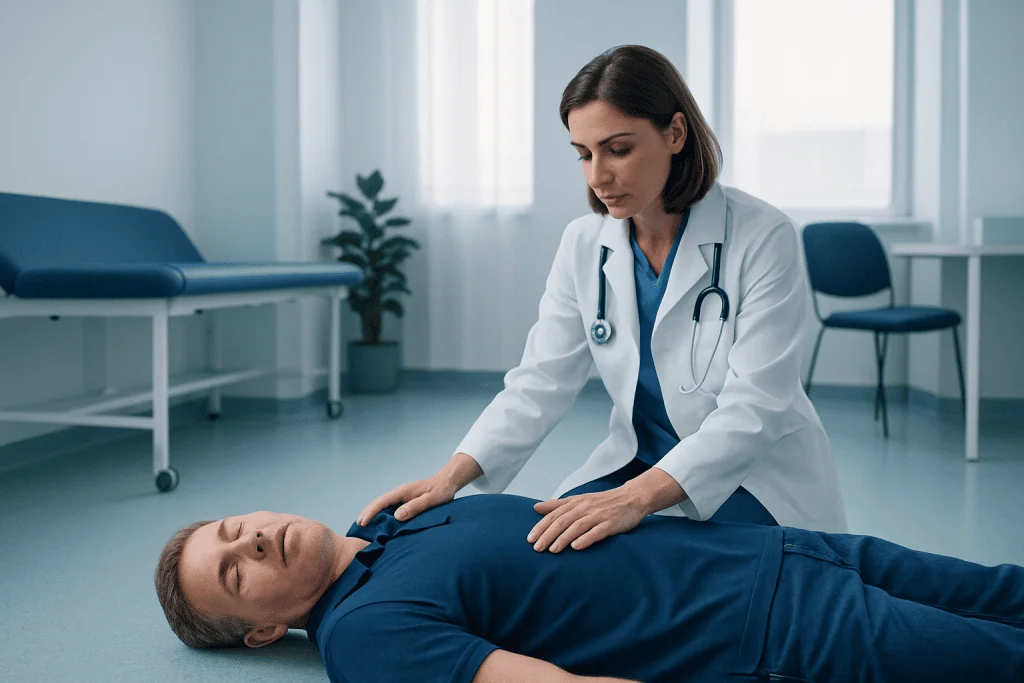
If a person suddenly collapses, does not respond when spoken to or gently tapped, and is not breathing normally, call the local emergency number immediately. If other people are present, one person should call for help and obtain an AED while another starts CPR. Emergency dispatchers can provide instructions by phone until professional help arrives.
For adults and adolescents, begin chest compressions in the center of the chest. Push hard and fast, allowing the chest to rise fully between compressions and minimizing interruptions. If the responder is trained and willing, rescue breaths can be added according to current local resuscitation guidance. If not, hands-only CPR is still valuable until emergency services take over.
Use an AED as soon as it is available. The device gives voice or visual instructions, analyzes the heart rhythm, and advises whether a shock is needed. No one should touch the person while the AED is analyzing or delivering a shock. CPR should be resumed immediately after a shock or when the device advises that no shock is indicated.
Family members should not attempt to drive an unresponsive person to hospital themselves if emergency medical services are available. Ambulance teams can provide defibrillation, airway support, medications, and ongoing monitoring during transport.
Causes and Risk Factors
Most cases of pulseless VT occur because of underlying heart disease. Coronary artery disease, in which blood flow to the heart muscle is reduced, is a common cause. A heart attack, prior heart attack scar tissue, heart failure, and cardiomyopathy can disrupt the heart’s electrical pathways and make dangerous ventricular rhythms more likely.
Some people have an inherited tendency toward abnormal heart rhythms. Examples include long QT syndrome, Brugada syndrome, and certain inherited cardiomyopathies. A family history of sudden unexplained death, fainting during exercise, or known inherited heart disease should be discussed with a doctor, especially if symptoms such as palpitations or unexplained fainting occur.
Other possible contributors include severely abnormal potassium or magnesium levels, major blood loss, low oxygen levels, severe illness, electrical injury, and certain medicines or substances that affect the heart rhythm. These factors do not always cause pulseless VT on their own, but they may trigger it in a susceptible heart.
Risk cannot always be predicted. Some people have no previously recognized heart condition before a cardiac arrest. However, managing blood pressure, diabetes, cholesterol, tobacco use, sleep apnea, and known heart disease can support overall cardiovascular health and may reduce preventable risk.
How Doctors Diagnose the Cause After Resuscitation
Pulseless VT is diagnosed during an emergency response by assessing the person’s condition and reviewing the rhythm shown on a monitor or defibrillator. After circulation is restored, the medical team focuses on stabilizing breathing, blood pressure, temperature, and brain function while looking for the event’s underlying cause.
Tests may include an electrocardiogram (ECG), blood tests, chest imaging, and an echocardiogram to assess heart structure and pumping function. Doctors may also evaluate the coronary arteries, particularly when a heart attack is suspected. Depending on the situation, cardiac MRI, exercise testing, genetic assessment, or an electrophysiology study may be considered.
Information from witnesses can be very helpful. Clinicians may ask whether the person had chest pain, shortness of breath, palpitations, fainting, recent infection, medication changes, substance exposure, or a family history of early heart disease or sudden death. Identifying a reversible trigger can guide treatment and future prevention.
Survival from cardiac arrest can involve physical, emotional, and cognitive recovery. Follow-up may include cardiac rehabilitation, medication review, support for memory or concentration difficulties, and conversations with family members about inherited risk when appropriate.
Treatment in Hospital and Long-Term Prevention
During cardiac arrest, emergency teams provide CPR, defibrillation when the rhythm is shockable, airway and breathing support, and medicines used in advanced cardiac life support. Treatment follows established resuscitation protocols and is adjusted to the person’s rhythm and clinical response. The priority is restoring a circulation that can support the brain and other organs.
Once the immediate emergency has passed, treatment depends on the cause. A blocked coronary artery may require urgent treatment to restore blood flow. Medicines may be used to support heart function, manage coronary artery disease, or reduce the chance of further rhythm disturbances. Correcting electrolyte abnormalities and reviewing medicines that may affect the heart rhythm are also important.
Some survivors are advised to have an implantable cardioverter-defibrillator (ICD). This small device is placed under the skin and can detect certain dangerous rhythms, then deliver treatment if needed. An ICD is not suitable for every person; the decision depends on the cause of the arrest, heart function, expected recovery, and individual health circumstances.
For selected people with recurrent ventricular arrhythmias, catheter ablation may be considered. This procedure uses energy delivered through thin tubes in the blood vessels to target areas of heart tissue involved in abnormal electrical signals. A cardiologist or cardiac electrophysiologist can explain the likely benefits, limitations, and follow-up needs of each option.
Reducing Risk and Preparing for Emergencies
Not every cardiac arrest can be prevented, but ongoing heart care matters. People with diagnosed heart disease should attend follow-up appointments, take prescribed medicines as directed, and report new symptoms promptly. They should not stop a heart medicine suddenly without medical advice, as abrupt changes can sometimes worsen symptoms or affect heart rhythm control.
Healthy daily habits can support heart health. These include avoiding tobacco, limiting or avoiding recreational drugs, following advice on alcohol use, eating a balanced diet, staying physically active at a level approved by a clinician, and managing conditions such as high blood pressure and diabetes. People with known rhythm disorders should ask their care team about exercise, travel, and medication safety.
Learning CPR and knowing the location of AEDs at work, school, sports venues, and public places can help communities respond quickly to cardiac arrest. Family members of someone with an ICD, cardiomyopathy, or inherited rhythm condition may find CPR training particularly reassuring and practical.
Acibadem International’s multidisciplinary specialists and JCI-accredited hospitals can assess heart rhythm conditions and provide coordinated care for international patients who need cardiac evaluation, treatment planning, or follow-up.
When to Seek Medical Care
Call emergency services immediately if someone is unresponsive and not breathing normally, even if they appear to be taking occasional gasping breaths. Begin CPR and use an AED if available. Do not wait to see whether the person wakes up, and do not give food, drink, or oral medicines to an unconscious person.
Urgent medical evaluation is also important for symptoms that may signal a serious heart problem, including new chest pressure, severe shortness of breath, sudden fainting, a sustained racing heartbeat, or palpitations accompanied by dizziness or weakness. These symptoms do not always mean ventricular tachycardia, but they should be assessed promptly.
People who have fainted without a clear explanation, especially during exercise or while lying down, should arrange a medical review. A doctor should also be consulted if there is a close relative with an inherited heart rhythm disorder, cardiomyopathy, or sudden unexplained death at a young age.
Frequently asked questions
Is pulseless ventricular tachycardia the same as a heart attack?
No. A heart attack is usually caused by a blockage that reduces blood flow to part of the heart muscle, while pulseless ventricular tachycardia is a dangerous electrical rhythm that causes cardiac arrest. A heart attack can trigger pulseless VT, but the two conditions are not the same.
Can a person be awake during ventricular tachycardia?
Yes, if ventricular tachycardia still produces an effective pulse, a person may be awake and experience palpitations, dizziness, chest discomfort, or shortness of breath. In pulseless ventricular tachycardia, circulation has failed, so the person is unconscious and requires immediate emergency treatment.
Can an AED treat pulseless ventricular tachycardia?
Yes. Pulseless VT is generally a rhythm that may respond to defibrillation, and an AED can identify whether a shock is advised. The AED should be used as soon as possible while CPR continues with minimal interruptions.
What is the survival outlook after pulseless ventricular tachycardia?
Outlook varies widely and depends on how quickly CPR and defibrillation begin, the underlying cause, overall health, and how well circulation is restored. Early emergency response improves the chance of survival, while hospital follow-up helps address the cause and reduce future risk.
Does an ICD prevent all cardiac arrests?
An implantable cardioverter-defibrillator can detect and treat many dangerous ventricular rhythms, but it does not prevent every possible cardiac event. People with an ICD still need regular cardiac follow-up, medication review when prescribed, and an emergency plan.
Can stress cause pulseless ventricular tachycardia?
Stress alone is not usually the direct cause of pulseless VT. However, intense physical or emotional stress may contribute to rhythm problems in some people who already have heart disease or an inherited electrical condition. Anyone with fainting, chest symptoms, or a racing heartbeat should seek medical advice.
References
- American Heart Association
- European Society of Cardiology
- American College of Cardiology
- National Heart, Lung, and Blood Institute
- Mayo Clinic
This article is for general information only and is not a substitute for professional medical advice. Please consult a qualified doctor about your individual situation.
Heart care in Turkey — expert evaluation and treatment
JCI-accredited · board-certified surgeons · reply within 24h
Add us as a Preferred Source to see more of our trusted health content across Google Search, AI Overviews and Discover.

More from the Health Library

Pioglitazone: An Evidence-Based Guide for Patients
Pinched Nerve: An Evidence-Based Guide for Patients

Flat Poop — Explained by Medical Evidence, Not Myths

Msg Allergy: A Complete Medical Overview

Mandarin Kcal: An Evidence-Based Guide for Patients