Random Bruises on Body — Explained by Medical Evidence, Not Myths

Most unexplained bruises are related to minor unnoticed trauma, aging skin, or medicines that affect bleeding. Bruises that are frequent, large, severe, or associated with nosebleeds, gum bleeding, or extreme tiredness deserve medical attention.
Key Takeaways
- Most unexplained bruises are related to minor unnoticed trauma, aging skin, or medicines that affect bleeding.
- Bruises that are frequent, large, severe, or associated with nosebleeds, gum bleeding, or extreme tiredness deserve medical attention.
- Doctors may use a medical history, physical examination, and simple blood tests to look for clotting or platelet problems.
- Treatment depends on the cause and may include reviewing medications, correcting deficiencies, or treating an underlying blood disorder.
- Emergency care is important if bruising follows a head injury, comes with severe weakness or shortness of breath, or is accompanied by significant bleeding.
Random bruises on body are commonly caused by minor bumps a person does not notice, especially on the arms and legs. However, bruises that happen often, are unusually large or painful, or come with other bleeding symptoms may need medical evaluation to rule out medication effects, vitamin deficiencies, or blood and clotting disorders.
Overview: what random bruises on body usually mean
Random bruises on body usually do not mean that a serious illness is present. In many cases, a person has had a small bump, pressure, or strain that they did not notice at the time, and the bruise only becomes obvious hours later. Bruising is especially common on the legs and arms because these areas are more likely to come into contact with furniture, bags, sports equipment, or daily activities.
A bruise forms when tiny blood vessels under the skin break and leak a small amount of blood into nearby tissue. The skin may first look red or purple, then turn blue, green, yellow, or brown as the body gradually clears the blood. This color change is a normal part of healing and often takes one to two weeks, although larger bruises can last longer.
Medical evidence shows that bruising becomes more common with age because the skin gets thinner and the tissues that cushion blood vessels become less protective. Certain medicines, supplements, and health conditions can also make bruises appear more easily or make them larger than expected. The key question is not only whether a bruise appeared “randomly,” but also how often it happens, how large it is, and whether other symptoms are present.
What bruises look like and which patterns matter
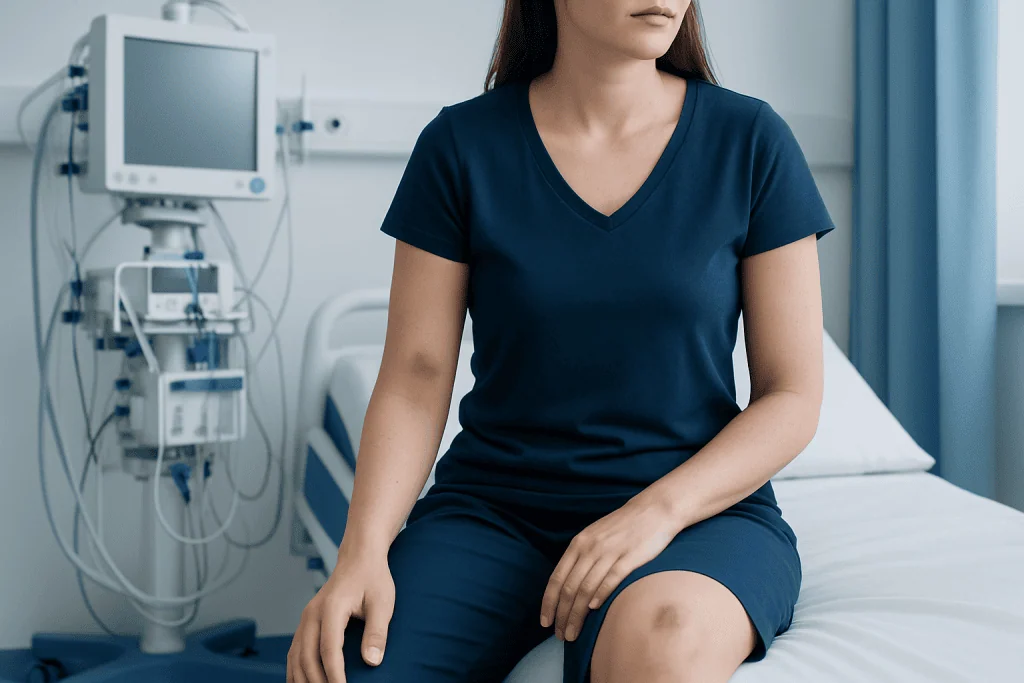
Typical bruises are tender at first and may look purple, blue, or dark red. Over several days, the color usually fades through green and yellow tones before the skin returns to normal. Some bruises feel firm or slightly swollen, especially if they formed after a stronger impact or muscle strain.
Doctors pay attention to the size, location, number, and timing of bruises. Small bruises on the shins may be less concerning than repeated large bruises on the trunk, back, or face without a clear reason. Bruises that continue to appear in clusters, take unusually long to heal, or occur together with tiny red-purple spots called petechiae can suggest a problem with platelets or blood clotting rather than simple injury.
It also helps to notice whether the person bruises only after activity or seems to bruise with minimal touch. A pattern of gum bleeding, frequent nosebleeds, unusually heavy menstrual bleeding, or prolonged bleeding after dental work gives important clues. These details help a clinician decide whether bruising is more likely due to everyday minor trauma or a condition such as hemophilia or another bleeding disorder.
Common causes supported by medical evidence

The most common explanation for random bruises on body is unnoticed minor trauma. Everyday events such as carrying shopping bags, exercising, bumping into a bed frame, or pressure from a tight object can break small blood vessels without causing immediate pain. People who are physically active may also develop deeper bruising after muscle strain, especially in the thighs or upper arms.
Another common reason is medication or supplement use. Blood thinners, aspirin, some anti-inflammatory pain relievers, corticosteroids, and certain antidepressants can increase bruising in some people. Supplements such as fish oil, ginkgo, garlic, or high-dose vitamin E may also affect bleeding in susceptible individuals. A doctor or pharmacist can help review whether a medicine is likely to contribute.
Age-related skin changes, sun-damaged skin, and naturally fragile blood vessels can all make bruises easier to develop. Nutritional deficiencies, especially low vitamin C or low vitamin K, may play a role in some cases, although they are not the most common cause in otherwise healthy adults. Some liver diseases can interfere with the production of clotting factors, which may lead to easier bruising and other bleeding symptoms.
Less commonly, easy bruising may reflect a blood or bone marrow disorder affecting platelets, clotting proteins, or blood cells. Examples include platelet disorders, inherited bleeding conditions, or cancers such as leukemia. These causes are not the usual explanation, but they become more important when bruising is frequent, severe, or linked with fatigue, fever, infections, or unexplained weight loss.
Risk factors and warning signs that deserve attention
Some people are naturally more likely to bruise. Older adults, people with very fair or delicate skin, and those who take medicines that affect clotting are at higher risk. Intensive exercise, contact sports, repetitive lifting, and occupations involving frequent minor impact can also make bruising seem unexplained when the trigger was simply forgotten.
Doctors become more concerned when bruising appears with other signs of bleeding or illness. Warning signs include bruises larger than expected, bruises in unusual places, bleeding from the gums, repeated nosebleeds, heavy menstrual bleeding, blood in urine or stool, or bruising that continues to increase in number. Persistent tiredness, dizziness, fever, swollen lymph nodes, or recurrent infections are also important to mention.
- Large bruises without a clear injury
- Many bruises appearing over a short time
- Petechiae or tiny pinpoint red-purple spots
- Bleeding that is hard to stop after small cuts
- A family history of bleeding disorders
- Bruising soon after starting a new medicine
These warning signs do not automatically mean a serious disease is present, but they are strong reasons to seek assessment. Careful evaluation can often identify a treatable cause and provide reassurance when testing is normal.
How doctors evaluate unexplained bruising
Assessment starts with a detailed history. The doctor may ask when the bruises began, where they usually occur, how long they last, whether there is pain or swelling, and whether any recent medication or supplement changes have occurred. Questions about family history, alcohol use, nutrition, menstrual bleeding, surgeries, and previous dental procedures can also be important.
A physical examination looks at bruise pattern, skin texture, signs of liver disease, enlarged lymph nodes, and evidence of other bleeding. The goal is to distinguish common easy bruising from clues that point to platelet problems, clotting factor deficiencies, liver disease, or systemic illness. If bruising is deep, painful, or linked to a sports or muscle injury, doctors may also consider damage to the underlying muscle or soft tissue.
Simple blood tests are often the next step when bruising is frequent or unexplained. These may include a complete blood count to check platelets and other blood cells, as well as tests that assess clotting function and liver health. In selected cases, a person may need more specialized testing through hematology or additional imaging with MRI or ultrasound if there is concern about deeper bleeding or another structural cause.
Treatment options and what recovery looks like
Treatment depends on the underlying cause rather than the bruise alone. Simple bruises from minor trauma generally heal on their own with time. Rest, elevating the area when practical, and using a cold pack wrapped in cloth during the first day may reduce discomfort and swelling. Most uncomplicated bruises do not need specific medical treatment.
If medicines or supplements are contributing, a doctor may review whether a safer alternative is possible or whether the current treatment is still necessary. People should not stop prescribed blood thinners, aspirin, or other medicines on their own, because these may be protecting them from serious conditions such as stroke or heart disease. Any medication changes should be guided by a qualified clinician.
When bruising is linked to a deficiency or an underlying disease, treatment focuses on correcting that problem. This may include nutritional support, management of liver disease, or care for a platelet or clotting disorder. If specialists are needed, Acibadem International’s multidisciplinary teams in JCI-accredited hospitals evaluate and treat international patients with unexplained bruising and related conditions in a coordinated way.
Recovery varies by cause. Ordinary bruises often fade within one to two weeks, while larger or deeper bruises may take longer. Once the cause is identified and addressed, future bruising often becomes less frequent or less severe.
Self-care, prevention, and when to seek medical care
It is not always possible to prevent bruises completely, but practical steps can reduce risk. Wearing protective clothing during sports, improving lighting at home, removing tripping hazards, and being mindful around hard edges can help. Good nutrition, including an overall balanced diet, supports skin and blood vessel health. A person who notices repeated bruising should keep a simple record of when bruises appear, their size, and any possible triggers to share with a doctor.
Self-care is reasonable for an isolated bruise after a likely minor bump. However, medical evaluation is a good idea if bruising becomes a pattern, appears without any remembered injury, or is associated with other bleeding symptoms. It is also sensible to ask a clinician to review all prescription medicines, over-the-counter pain relievers, and supplements.
Urgent medical care is needed if bruising follows a head injury, if there is severe swelling or pain, if a person feels faint or short of breath, or if there is heavy or persistent bleeding. Prompt care is also important when bruises appear together with sudden weakness, confusion, chest pain, or signs of serious illness. In children, unexplained bruising should always be assessed carefully by a qualified healthcare professional.
Frequently asked questions
Are random bruises on body usually serious?
Usually not. Many bruises happen after small injuries that are forgotten or barely noticed, especially on the arms and legs. They deserve more attention if they are frequent, unusually large, or happen along with other bleeding symptoms.
Why do I bruise easily even if I do not remember hitting anything?
Minor daily impacts can break tiny blood vessels without causing immediate pain, so the bruise may seem to appear out of nowhere later. Aging skin, some medicines, and fragile blood vessels can also make bruising easier.
Can vitamin deficiencies cause unexplained bruising?
Yes, certain deficiencies can contribute, especially low vitamin C or vitamin K, although they are not the most common cause in healthy adults. A doctor may consider diet, general health, and blood tests if deficiency is suspected.
Which medicines can make bruising more likely?
Blood thinners, aspirin, some anti-inflammatory pain relievers, corticosteroids, and a few other medicines may increase bruising risk. Some supplements can also contribute. A person should not stop prescribed medication without first speaking to the doctor who recommended it.
When should unexplained bruising be checked by a doctor?
It should be checked if bruises are large, happen often, appear in unusual places, or come with gum bleeding, nosebleeds, heavy periods, or extreme tiredness. Evaluation is also important if bruising starts after a new medicine or if there is a family history of bleeding disorders.
How do doctors test for the cause of easy bruising?
Doctors usually begin with questions about symptoms, medicines, diet, and family history, followed by a physical examination. Blood tests may be used to check platelets, clotting, liver function, and overall blood cell counts.
This article is for general information only and is not a substitute for professional medical advice. Please consult a qualified doctor about your individual situation.
Explore treatments in Turkey — costs, top hospitals & a free quote
JCI-accredited · board-certified surgeons · reply within 24h
Add us as a Preferred Source to see more of our trusted health content across Google Search, AI Overviews and Discover.

More from the Health Library

Ylang: An Evidence-Based Guide for Patients

Cramps in Feet Fingers: An Evidence-Based Guide for Patients

Blasts: An Evidence-Based Guide for Patients

Purple Potatoes: A Complete Medical Overview

Difficulty Breathing: A Complete Medical Overview