Recovery After ESWL: Pain, Urine Changes, and When to Call Your Doctor

Mild flank pain, cramping, and blood-tinged urine are common after ESWL. Small stone fragments may pass for days or sometimes weeks after treatment.
Key Takeaways
- Mild flank pain, cramping, and blood-tinged urine are common after ESWL.
- Small stone fragments may pass for days or sometimes weeks after treatment.
- Drinking fluids, resting, and taking prescribed medicines can support recovery.
- Fever, severe pain, inability to urinate, or heavy bleeding need prompt medical advice.
- Follow-up visits and imaging help confirm that the stone has cleared.
Recovery after ESWL is usually straightforward, but it is common to notice mild discomfort, pink or red urine, and small stone fragments passing over several days. Knowing which symptoms are expected and which need medical attention can help patients recover more confidently and safely.
Overview: What Recovery After ESWL Usually Looks Like
Extracorporeal shock wave lithotripsy, often called ESWL, is a noninvasive treatment used to break kidney or ureter stones into smaller pieces so they can pass more easily in the urine. Because there are no surgical incisions, many people recover relatively quickly and return home the same day. Even so, the body still needs time to heal and clear the stone fragments.
In the first hours and days after ESWL, it is common to feel mild soreness in the back, side, or lower abdomen. Some people notice bruising where the shock waves were focused. Urine may look pink or light red for a short time, and tiny pieces of stone may pass unexpectedly. These changes are often part of normal healing rather than a sign that something is wrong.
Recovery is not exactly the same for everyone. The size and location of the stone, the number of shock waves used, and whether a stent is in place can all affect symptoms. A doctor may also recommend follow-up imaging, such as renal ultrasonography, to check whether fragments have cleared well after treatment.
Common Symptoms After ESWL
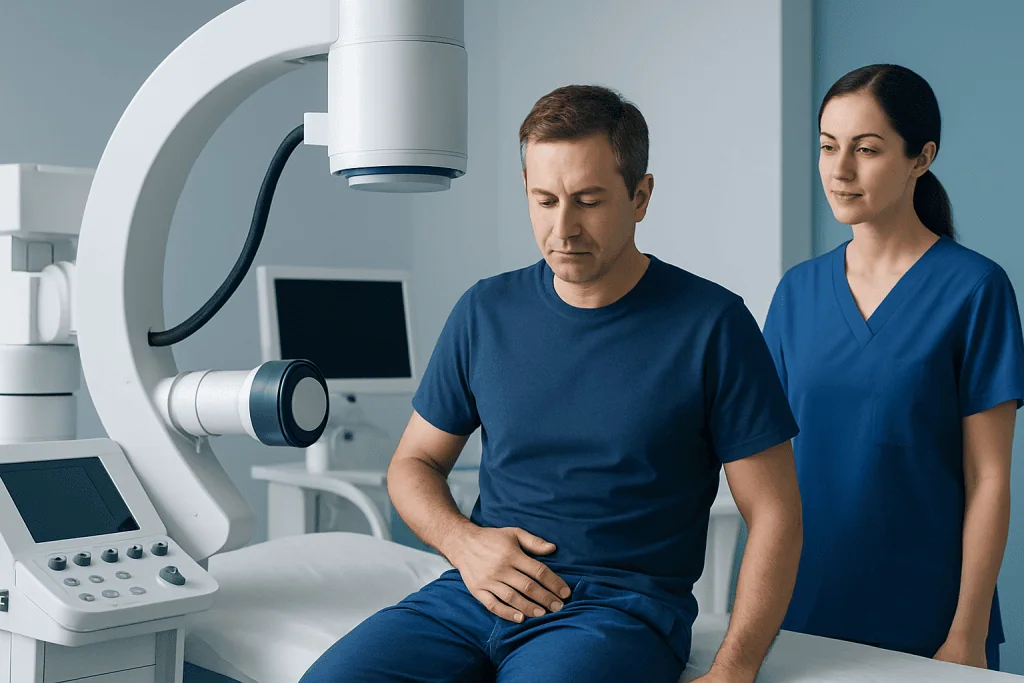
Most post-ESWL symptoms are temporary and improve gradually. The most common include aching or cramping in the flank, lower back, or abdomen as stone fragments move through the urinary tract. Some people describe this as a milder version of kidney stone pain, while others have only minor discomfort.
Urine changes are also expected. Light bleeding can make the urine appear pink, red, or tea-colored for a day or two. It is also normal to see sandy particles or tiny stone pieces in the urine. A clinician may advise straining the urine to collect fragments for analysis, which can help guide future prevention.
Other short-term effects may include nausea, tiredness from sedation or pain medicine, and urinary urgency or frequency. If a stent was placed, there may be additional symptoms such as bladder irritation, pressure, or discomfort during urination. These symptoms can be unpleasant, but they often settle as the stone clears and inflammation improves.
- Mild side or back pain
- Cramping as fragments pass
- Pink or slightly red urine
- Small blood clots or sandy particles in urine
- Temporary urinary urgency or burning
- Bruising or skin tenderness near the treatment area
Why Pain and Urine Changes Happen
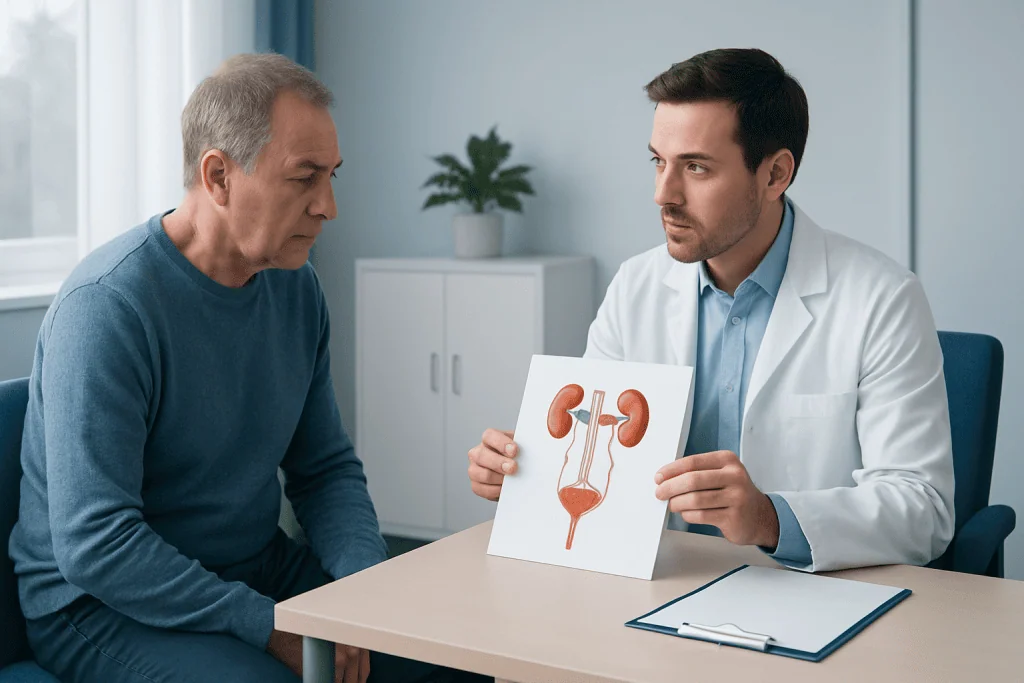
After ESWL, the stone has been broken into smaller fragments rather than removed all at once. As these fragments travel through the kidney and ureter, they can irritate the lining of the urinary tract. This irritation explains why mild pain, pressure, and a small amount of bleeding are common during recovery.
The shock waves themselves can also cause temporary swelling or bruising in the tissues around the kidney. This may lead to soreness in the flank or back, even when stone fragments are not actively moving. For many people, the discomfort improves within a few days, though occasional cramping may continue until all fragments have passed.
If a larger fragment gets stuck, pain may become more intense or come in waves, similar to renal colic. This does not always mean there is a serious complication, but it does warrant medical advice, especially if symptoms are severe or persistent. Patients being treated for kidney stone disease are often given a recovery plan that explains how to distinguish expected discomfort from symptoms that should be checked.
How to Care for Yourself at Home
Home care after ESWL usually focuses on hydration, pain control, and rest. Unless a doctor has advised limiting fluids for another medical reason, drinking enough water can help move fragments through the urinary tract. Many people find it useful to sip fluids regularly throughout the day rather than trying to drink a large amount all at once.
Medicines prescribed after ESWL may include pain relievers, drugs that relax the ureter to help fragments pass, or antibiotics if there is concern about infection. These should be taken exactly as directed. Warm compresses, gentle movement, and avoiding strenuous activity for a short period may also help reduce soreness.
Patients are often advised to avoid heavy lifting or intense exercise until they feel better. If urine straining has been recommended, collecting passed fragments can provide valuable information about stone type. In some cases, a follow-up plan may also include minimally invasive urology care if fragments do not pass or symptoms continue.
- Drink fluids regularly unless told otherwise
- Take prescribed medicines as directed
- Rest for the first day or two, then resume light activity as tolerated
- Use a urine strainer if recommended
- Monitor the color of urine and the severity of pain
When Symptoms May Suggest a Problem
Although mild pain and blood-tinged urine are expected, certain symptoms can signal a complication. Fever, chills, or feeling suddenly unwell may indicate an infection, which needs prompt medical assessment. Infection after a stone procedure can become serious if treatment is delayed.
Severe pain that is not relieved by prescribed medicine may mean a fragment is causing significant blockage. Trouble passing urine, a marked decrease in urine output, or complete inability to urinate should also be reported urgently. Heavy bleeding, large clots, or urine that remains very dark red instead of gradually clearing can also need medical evaluation.
Other warning signs include persistent vomiting, worsening swelling, or faintness. People with a history of urinary infections, kidney disease, or a single kidney may need closer follow-up. If there are concerns about infection, clinicians may assess for problems related to urinary infections or other urinary tract complications.
- Fever or chills
- Severe or worsening pain
- Difficulty urinating or inability to urinate
- Heavy bleeding or large clots
- Persistent nausea or vomiting
- Symptoms that do not improve over time
Follow-Up, Diagnosis of Problems, and Next Steps
Follow-up is an important part of recovery after ESWL because symptoms alone cannot always show whether the stone has fully cleared. A doctor may recommend urine tests, blood tests, or imaging to check for remaining fragments, swelling, or obstruction. The timing of follow-up depends on the stone size, the patient’s symptoms, and whether there are risk factors for complications.
If fragments do not pass, the treatment plan may need to change. Some people require another ESWL session, while others may benefit from a different procedure, depending on where the fragments are located and how large they are. Evaluation can also help determine why the stone formed in the first place, especially if stones recur.
Longer-term stone prevention may include analyzing the stone composition, reviewing diet, checking urine chemistry, and assessing kidney health. For patients with complex or repeated stone problems, a specialist may recommend broader kidney-focused assessment and treatment planning. Near the end of recovery, if symptoms persist or stones recur, multidisciplinary specialists at Acibadem International and its JCI-accredited hospitals can evaluate and treat international patients with individualized urology and kidney care.
Preventing Future Stones and Knowing When to Call the Doctor
Recovery after ESWL is also a good time to think about prevention. Many kidney stones can recur, so understanding the stone type matters. Depending on the cause, a doctor may suggest increasing fluid intake, reducing excess salt, moderating certain foods, or using medicines to lower the chance of new stones. Prevention plans should be personalized, especially for people with repeated stones or underlying kidney conditions.
Patients should call their doctor if they are unsure whether symptoms are normal, especially during the first few days after treatment. It is better to ask early than to wait when pain is escalating or urine output is changing. Men who have had stones before may recognize some symptoms, but any recovery that feels different from prior experiences deserves attention.
A prompt call is especially important for fever, shaking chills, severe ongoing pain, inability to keep fluids down, difficulty urinating, or bleeding that seems heavy rather than gradually improving. Medical review is also sensible if stone fragments continue causing symptoms for an extended period. People who want to understand the broader condition behind stone formation may also benefit from learning about acute UTI when infection is suspected as a related issue, although not every urinary symptom after ESWL is caused by infection.
Frequently asked questions
How long does recovery after ESWL usually take?
Many people feel well enough to resume light daily activities within one to two days. Passing stone fragments and mild urinary symptoms can continue for several days or, in some cases, a few weeks depending on the stone size and location.
Is blood in the urine normal after ESWL?
Yes, a small amount of blood in the urine is common after ESWL. The urine may look pink, red, or tea-colored for a short time, but it should gradually improve rather than become heavier.
What kind of pain is normal after ESWL?
Mild to moderate soreness in the side, back, or lower abdomen is common, especially as fragments pass. Pain that becomes severe, does not improve with prescribed medicine, or is accompanied by fever should be discussed with a doctor promptly.
When should someone call the doctor after ESWL?
A doctor should be contacted for fever, chills, severe pain, persistent vomiting, heavy bleeding, or trouble urinating. These symptoms can suggest infection, blockage, or another complication that needs timely evaluation.
Can stone fragments keep passing after the first few days?
Yes, fragments may continue to pass beyond the first few days, especially if the original stone was larger. This can cause intermittent cramping or discomfort, which is why follow-up with a urologist is important.
Does everyone need a follow-up appointment after ESWL?
Follow-up is usually recommended to confirm that the stone has cleared and that the kidney is draining well. Even if symptoms seem mild, imaging or urine tests may be needed because not all retained fragments cause obvious symptoms right away.
References
- National Institute of Diabetes and Digestive and Kidney Diseases
- European Association of Urology
- American Urological Association
- National Health Service
- Mayo Clinic
This article is for general information only and is not a substitute for professional medical advice. Please consult a qualified doctor about your individual situation.
ESWL in Turkey — costs, top hospitals & a free quote
JCI-accredited · board-certified surgeons · reply within 24h
Add us as a Preferred Source to see more of our trusted health content across Google Search, AI Overviews and Discover.