Respiratory Depression: A Complete Medical Overview

Respiratory depression is reduced breathing that can lower oxygen and raise carbon dioxide levels. Common causes include opioids, sedatives, alcohol, anesthesia, severe lung disease, and some neurological or metabolic problems.
Key Takeaways
- Respiratory depression is reduced breathing that can lower oxygen and raise carbon dioxide levels.
- Common causes include opioids, sedatives, alcohol, anesthesia, severe lung disease, and some neurological or metabolic problems.
- Warning signs include unusual sleepiness, slow breathing, shallow breaths, bluish lips, confusion, or pauses in breathing.
- Treatment depends on the cause and may include oxygen, airway support, medication reversal, and monitoring.
- Any sudden breathing slowdown, especially after opioids or sedatives, should be assessed promptly by a healthcare professional.
Respiratory depression means breathing becomes too slow, too shallow, or less effective than the body needs. It can happen because of medicines, underlying illness, or problems affecting the brain, lungs, or muscles, and it may require urgent medical attention depending on the cause and severity.
What respiratory depression means
Respiratory depression is a medical term for breathing that becomes too slow, too shallow, or too ineffective to meet the body’s needs. In simple terms, the lungs are not moving enough air in and out. When this happens, oxygen levels may fall and carbon dioxide may build up in the blood.
This is not a disease by itself. Instead, it is a sign or complication that can result from medications, medical conditions, substance use, or problems affecting the brain, nerves, muscles, or lungs. The seriousness can range from mild and temporary to severe and life-threatening, depending on how much breathing is reduced and how quickly it develops.
Respiratory depression is especially important to recognize after opioid pain medicines, sedatives, anesthesia, or a drug overdose. It can also appear during sleep, after surgery, with severe infections, or in people with chronic lung conditions such as chronic obstructive pulmonary disease. Early recognition and treatment can help prevent complications.
How it affects the body
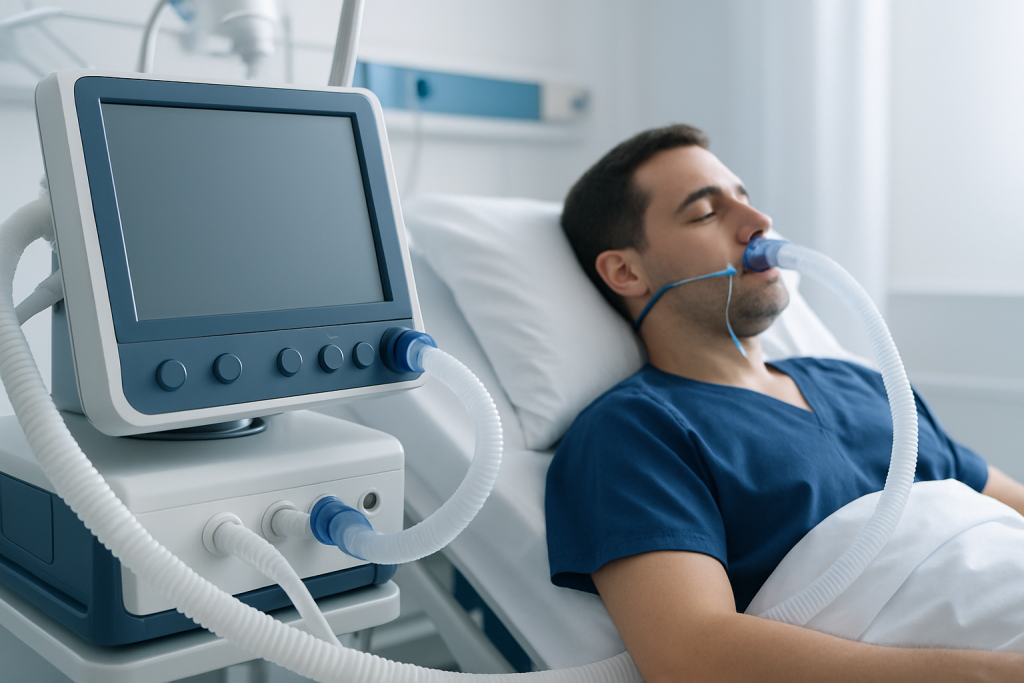
Breathing is controlled automatically by the brain and supported by the airways, lungs, chest wall, and breathing muscles. If any part of this system is impaired, breathing may slow down or become less effective. The body may then struggle to bring in enough oxygen or remove enough carbon dioxide.
Low oxygen can affect the brain, heart, and other organs. High carbon dioxide can cause drowsiness, headache, confusion, and eventually reduced alertness. In more severe cases, breathing can become irregular, stop for short periods, or fail completely without treatment.
Respiratory depression may happen suddenly, as in an overdose or reaction to anesthesia, or develop more gradually in a person with lung disease, sleep-disordered breathing, or a neuromuscular condition. Because symptoms can overlap with fatigue or sleepiness, the problem may be overlooked unless breathing rate, oxygen level, and overall alertness are checked carefully.
Symptoms and warning signs

The symptoms of respiratory depression depend on the cause, the person’s general health, and how severe the breathing reduction is. Mild cases may cause only subtle changes, while severe cases can progress quickly and require emergency care.
Common warning signs include:
- Breathing that is slower than usual
- Shallow or weak breaths
- Unusual sleepiness or difficulty staying awake
- Confusion, poor concentration, or slowed responses
- Bluish lips or fingertips
- Noisy breathing, snoring, or pauses in breathing
- Headache, especially on waking
- Dizziness or faintness
In infants, older adults, and people who are already unwell, symptoms may be less obvious. Family members may notice that the person is hard to wake, seems unusually quiet, or is breathing with long pauses. After surgery or sedation, healthcare teams monitor closely because changes in breathing can appear before a person fully recognizes symptoms.
Causes and who is at higher risk
One of the most common causes of respiratory depression is medication that suppresses the brain’s breathing drive. Opioid pain medicines are a leading example, especially when taken in high amounts or combined with alcohol, sleeping pills, anti-anxiety medicines, or other sedating drugs. Sedation during procedures and general anesthesia can also temporarily slow breathing.
Other causes include severe asthma or worsening chronic lung disease, pneumonia, head injury, stroke, seizures, low blood sugar, very low body temperature, and certain muscle or nerve disorders that weaken the breathing muscles. Sleep-related breathing disorders such as sleep apnea can also contribute, particularly when sedating medicines are used.
Some people are more vulnerable than others. Higher-risk groups include older adults, people with obesity, those with lung disease, kidney or liver problems, neuromuscular conditions, and anyone taking multiple sedating medications. Risk also increases after surgery, during acute illness, and in people with a history of substance misuse or previous overdose.
Because respiratory depression can have many causes, it is important not to assume it is only related to medication. A careful medical evaluation looks at medicines, recent procedures, medical history, and the possibility of airway, lung, neurological, or metabolic problems.
How doctors diagnose respiratory depression
Diagnosis starts with observation and a clinical examination. Doctors assess breathing rate, depth of breathing, level of alertness, oxygen saturation, pulse, blood pressure, and signs of airway obstruction. In urgent situations, treatment to support breathing may begin at the same time as the evaluation.
Testing depends on the clinical picture. A blood gas test may be used to measure oxygen and carbon dioxide levels. Pulse oximetry helps track oxygen saturation, while capnography can show how well carbon dioxide is being exhaled. Blood tests, chest imaging, toxicology testing, and heart monitoring may also be helpful.
If medication effect is suspected, the team will review all recent drugs, including prescription pain medicines, sedatives, and alcohol or recreational substances. If a chronic breathing disorder is possible, doctors may also evaluate for underlying conditions such as asthma or neuromuscular disease. The main goal is to identify the cause quickly so treatment can be tailored appropriately.
Treatment options and immediate care
Treatment depends on how severe the respiratory depression is and what is causing it. The first priorities are to keep the airway open, support breathing, and maintain oxygen levels. This may include repositioning the person, providing supplemental oxygen, and close monitoring in a hospital or recovery setting.
If opioids are the cause, doctors may use reversal medication while continuing to watch for recurrence of symptoms. In more severe cases, assisted ventilation may be needed, ranging from noninvasive breathing support to a breathing tube and intensive care support. If respiratory depression follows surgery or a procedure, medication doses may be adjusted and the person observed until breathing is stable.
Doctors also treat the underlying problem. This may involve managing infection, addressing a flare of lung disease, correcting metabolic problems, or changing sedating medications. Some patients need specialist assessment through pulmonary rehabilitation or evaluation in a sleep laboratory when sleep-related breathing problems are suspected.
For international patients with complex causes or repeated episodes, Acibadem International’s multidisciplinary specialists in JCI-accredited hospitals can evaluate respiratory depression and coordinate treatment across pulmonology, intensive care, neurology, and anesthesiology when needed.
Prevention and self-care
Prevention focuses on reducing known risks and using medications carefully. People should take opioids, sleeping pills, and anti-anxiety medicines only as prescribed and should not combine them with alcohol or other sedating drugs unless a doctor specifically advises that it is safe. Following instructions after surgery or procedures is also important, especially regarding pain medication and activity.
Those with chronic lung disease, obesity, or sleep apnea should keep regular follow-up appointments and use recommended treatments consistently. For some patients, managing sleep apnea treatment or improving baseline lung health with COPD treatment can lower the chance of breathing complications during sleep, illness, or medication use.
Family members and caregivers can help by recognizing warning signs such as unusual drowsiness, shallow breathing, or difficulty waking someone. In people at high risk from opioid use, clinicians may discuss safety planning and what to do in a possible overdose situation. Any concern about slowed breathing should be taken seriously rather than watched passively at home.
When to seek medical care
Immediate medical attention is needed if a person is hard to wake, has very slow or irregular breathing, has blue lips, seems confused, or stops breathing even briefly. Emergency care is also needed when symptoms appear after taking opioids, sedatives, or alcohol, or after a recent procedure involving anesthesia.
Medical review is also important for milder but persistent symptoms, such as repeated episodes of excessive daytime sleepiness, shallow nighttime breathing, morning headaches, or worsening breathlessness. These signs do not always mean severe respiratory depression, but they can suggest an underlying breathing or sleep disorder that should be assessed.
Prompt assessment helps identify whether the problem is medication-related, linked to lung disease, caused by a sleep disorder, or due to another medical issue. If there is any doubt about the person’s safety, it is best to contact emergency services or seek urgent evaluation from a qualified healthcare professional.
Frequently asked questions
Is respiratory depression the same as shortness of breath?
No. Shortness of breath is the feeling of not getting enough air, while respiratory depression means breathing is physically slowed or reduced. A person with respiratory depression may not always notice distress, especially if they are very sleepy or sedated.
Can opioid medicines cause respiratory depression?
Yes. Opioids can suppress the brain’s drive to breathe, especially at higher doses or when combined with alcohol, sleeping pills, or anti-anxiety medicines. This is why opioid use should be carefully monitored and taken only as prescribed.
How is respiratory depression treated in an emergency?
Emergency treatment focuses first on the airway, oxygen, and supporting breathing. If opioids are the cause, doctors may give a reversal medicine and continue monitoring because symptoms can return after the reversal effect wears off.
Who has a higher risk of developing respiratory depression?
Risk is higher in older adults, people with chronic lung disease, obesity, sleep apnea, kidney or liver disease, and those taking multiple sedating medications. The risk also increases after surgery, with severe infection, or with substance misuse.
Can respiratory depression happen during sleep?
Yes. Breathing may become dangerously slow or interrupted during sleep, especially in people with sleep apnea or when sedating medicines are used. Symptoms such as loud snoring, pauses in breathing, and morning headaches should be discussed with a doctor.
When should someone call emergency services for breathing changes?
Emergency help is needed if the person is difficult to wake, has blue lips, breathes very slowly, has long pauses in breathing, or becomes confused. These signs can indicate serious oxygen shortage or carbon dioxide buildup and should not be ignored.
References
- World Health Organization
- U.S. National Institute on Drug Abuse
- Centers for Disease Control and Prevention
- American Society of Anesthesiologists
- National Heart, Lung, and Blood Institute
This article is for general information only and is not a substitute for professional medical advice. Please consult a qualified doctor about your individual situation.
Depression in Turkey — costs, top hospitals & a free quote
JCI-accredited · board-certified surgeons · reply within 24h
Add us as a Preferred Source to see more of our trusted health content across Google Search, AI Overviews and Discover.
Check your numbers in seconds
BMI, calories, due date, blood pressure and 30+ more clinical calculators — free, instant, doctor-reviewed ranges.