Rk Surgery: Procedure, Recovery and Results

RK surgery is an older procedure for myopia that changes the shape of the cornea using radial cuts. It is rarely performed today because newer refractive procedures are typically more predictable and stable.
Key Takeaways
- RK surgery is an older procedure for myopia that changes the shape of the cornea using radial cuts.
- It is rarely performed today because newer refractive procedures are typically more predictable and stable.
- Vision may improve after RK, but outcomes can fluctuate during the day and change over years.
- People who had RK in the past should have regular eye examinations and seek assessment for new visual symptoms.
- PRK, LASIK and lens-based options may be considered for suitable patients seeking modern vision correction.
RK surgery, or radial keratotomy, is an older refractive eye procedure that used carefully placed corneal incisions to reduce nearsightedness. It can improve unaided distance vision, but modern laser procedures are generally preferred because RK may cause vision fluctuations and progressive farsightedness over time.
RK Surgery Overview
RK surgery, short for radial keratotomy, is a refractive eye operation once widely used to treat nearsightedness (myopia). During the procedure, an ophthalmic surgeon makes a pattern of small, spoke-like incisions in the outer part of the cornea, the clear front surface of the eye. These incisions flatten the central cornea, changing how light focuses on the retina and helping distant objects appear clearer.
Although RK helped many people reduce dependence on glasses or contact lenses, it has largely been replaced by modern refractive procedures. Laser-based treatments can reshape the cornea more precisely without the same type of deep radial incisions. People who are considering vision correction today are usually assessed for options such as laser eye surgery, depending on their prescription, corneal measurements, age and overall eye health.
RK remains clinically relevant because many people who underwent the operation years ago continue to need eye care. An eye specialist can evaluate present vision, corneal stability and whether glasses, contact lenses, cataract surgery planning or another treatment may be appropriate.
How RK Surgery Works and Who May Be a Candidate
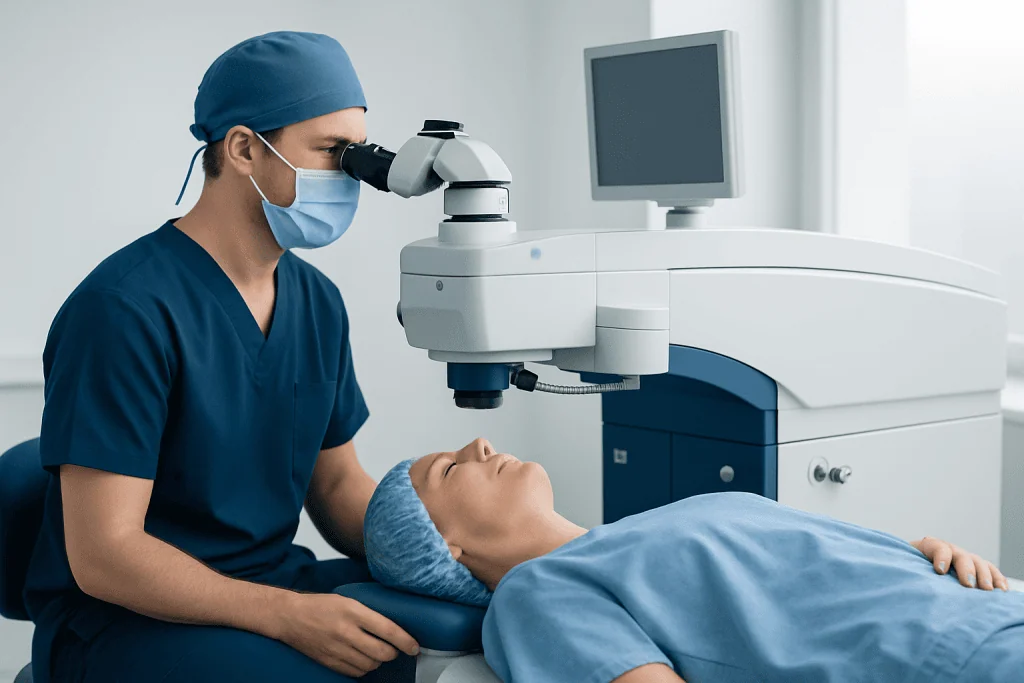
The cornea provides much of the eye’s focusing power. In myopia, light commonly focuses in front of the retina rather than directly on it, causing distant vision to be blurred. RK surgery reduces this focusing power by flattening the central cornea. The number, depth and placement of incisions were planned according to the person’s prescription and corneal features.
Historically, candidates generally had stable mild-to-moderate myopia, healthy corneas and no significant eye disease. A comprehensive examination included measuring refraction, corneal curvature and corneal thickness, as well as checking for conditions such as dry eye, cataracts, glaucoma and retinal problems. People with irregular corneas, certain connective-tissue conditions or active eye infections were not usually suitable.
RK is not commonly selected for new treatment today. A refractive surgeon may instead discuss procedures such as PRK eye surgery for eligible patients, particularly when a surface laser treatment is more appropriate than creating a corneal flap. The best choice is individual and requires a full eye examination rather than relying on prescription alone.
RK Surgery Procedure: Step by Step
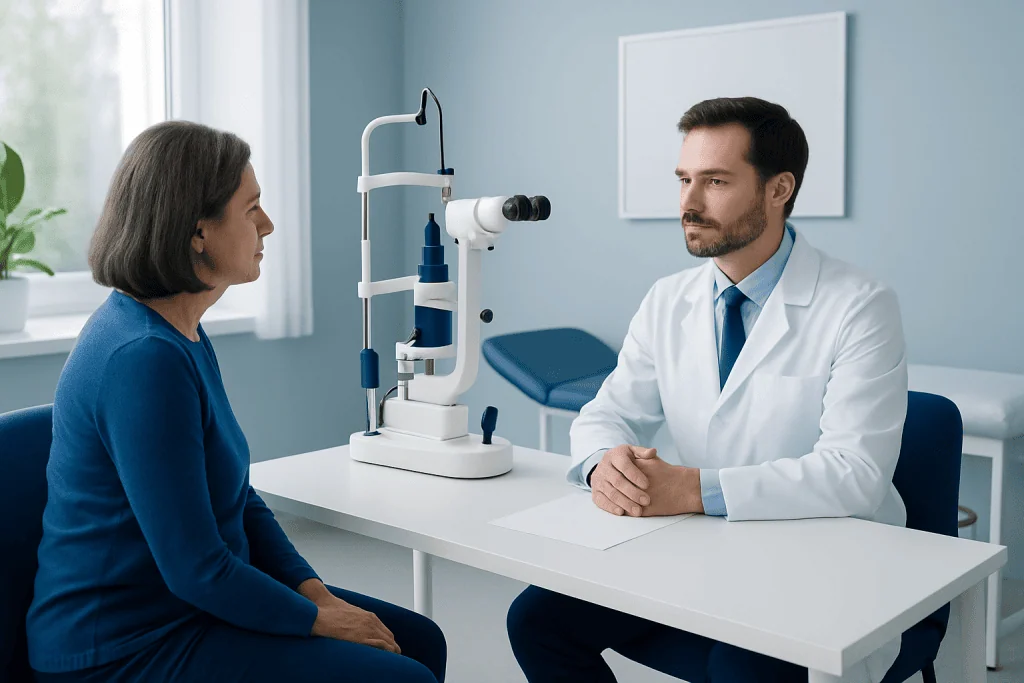
Before surgery, the eye was examined and measured in detail, and the surgeon discussed realistic visual goals. On the treatment day, anesthetic eye drops were used to numb the surface of the eye. The person remained awake, and an eyelid holder helped prevent blinking during the procedure.
Using a microscopic surgical instrument, the surgeon made several radial incisions from the outer cornea toward the center. A small central area was left untouched to preserve clarity in the visual axis. The depth of the cuts was carefully controlled, as the goal was to weaken the peripheral cornea enough for the central area to flatten without cutting completely through the cornea.
After the incisions were completed, antibiotic drops and protective instructions were provided. The procedure itself was relatively brief, but vision did not become stable immediately. Follow-up appointments were important to monitor healing, eye pressure, corneal clarity and changes in refraction.
Recovery Timeline, Aftercare and Daily Activities
Recovery after RK surgery varied between individuals. Early symptoms could include tearing, light sensitivity, scratchiness, glare and blurred or fluctuating vision. The surface discomfort often improved over the first few days, while visual clarity could continue changing for weeks or longer as the cornea healed.
Patients were usually advised to use prescribed eye drops, avoid rubbing the eyes and attend all scheduled follow-up appointments. Activities that could expose the eyes to dirt, water, impact or irritation, such as swimming and contact sports, were commonly restricted until the surgeon confirmed healing. Sunglasses may improve comfort outdoors when light sensitivity is present.
Because RK can cause changes in vision from morning to evening, it may take time before a person knows whether glasses are needed for specific tasks. Anyone who has previously had RK and notices a new decline in vision should arrange an ophthalmology review. Depending on the findings, corrective lenses or other options may be considered; evaluation may also include related corneal conditions such as keratoconus when clinically appropriate.
Can I watch TV after superficial keratectomy? In many cases, watching television is possible when the person feels comfortable, but vision may be blurry and the eyes may be sensitive to light after superficial keratectomy. Short viewing periods, frequent breaks and lubricating drops as advised by the surgeon may help. The treating ophthalmologist’s aftercare guidance should take priority, especially if a bandage contact lens has been placed.
How many days should I rest after PRK? Most people plan several days away from work, driving and visually demanding activities after PRK, as discomfort and blurred vision are common during early surface healing. Many return to light daily activities within about a week, but visual recovery continues over weeks to months. The exact timeline depends on healing, occupation and the surgeon’s assessment.
Benefits, Risks and What Results Can Be Expected
The main potential benefit of RK surgery was reduced myopia and less reliance on distance glasses or contact lenses. Some people achieved useful unaided distance vision after healing. However, the result was not always fully predictable, and some people remained nearsighted, became farsighted or needed glasses for particular activities.
Possible complications included infection, inflammation, glare, halos around lights, reduced night vision, irregular astigmatism, corneal scarring and fluctuating vision. Rarely, the cornea could become structurally weakened. Risks differ according to the eye’s original characteristics, surgical technique and postoperative healing.
What is the success rate of RK eye surgery? Success depends on how it is defined, such as achieving a target prescription, seeing well without glasses or avoiding complications. Many historical studies reported improved unaided distance vision in appropriately selected patients, but outcomes were less predictable than with many current refractive procedures. A substantial consideration is that vision can shift over time, so a person may still need glasses, contact lenses or further treatment later.
What are the long-term effects of RK surgery? A recognized long-term effect is gradual hyperopic shift, meaning vision may slowly become more farsighted over years. Some people also experience day-to-day variation in vision, glare or reduced quality of vision in dim light. Previous RK incisions may influence later eye surgery, especially cataract surgery, so it is important to tell every eye surgeon about the history of RK.
Modern Options and Ongoing Eye Care
For people considering refractive correction for the first time, modern procedures are generally assessed instead of RK. These may include laser corneal procedures, implantable lenses or lens-replacement approaches. The safest and most suitable option depends on refractive error, corneal thickness and shape, dry-eye symptoms, age, lifestyle, cataract status and expectations.
People with prior RK benefit from routine comprehensive eye examinations. An ophthalmologist can measure changes in refraction, assess the cornea and screen for common eye conditions that become more likely with age. Accurate measurements are particularly important before cataract surgery because prior RK can make intraocular lens power calculations more complex.
Healthy eye habits remain useful regardless of past surgery. These include using ultraviolet-protective sunglasses, managing dry-eye symptoms with professional guidance, avoiding eye rubbing and seeking assessment for persistent discomfort or changes in sight. If future lens surgery is being considered, cataract surgery planning should include a detailed discussion of the previous RK procedure and visual goals.
When to Seek Medical Care
Urgent ophthalmic assessment is important for sudden vision loss, a curtain or shadow across vision, severe eye pain, marked redness, increasing sensitivity to light, injury to the eye, or new flashes and floaters. These symptoms are not always caused by prior RK, but they should not be managed by waiting for a routine appointment.
A non-urgent eye appointment is also appropriate for gradually worsening vision, frequent prescription changes, troublesome glare, difficulty driving at night, ongoing dryness or concerns about a previous RK result. An ophthalmologist can determine whether the symptoms relate to corneal changes, lens changes, dry eye or another eye condition.
Acibadem International’s multidisciplinary specialists and JCI-accredited hospitals assess and treat eye conditions for international patients, including individuals who need evaluation after earlier refractive surgery. A qualified eye specialist can provide individualized advice based on a complete examination.
Frequently asked questions
Is RK surgery still performed today?
RK surgery is rarely performed today because newer refractive procedures are generally more precise and offer more predictable long-term outcomes. It may still be discussed in exceptional circumstances, but most people considering refractive correction are evaluated for modern alternatives.
Does RK surgery permanently correct nearsightedness?
RK can reduce nearsightedness, but its effect may change over time. Some people develop a gradual shift toward farsightedness or experience variable vision during the day, so glasses or additional treatment may be needed later.
Can someone have laser eye surgery after RK?
In some cases, further refractive treatment may be possible after RK, but it requires careful specialist assessment. The existing incisions, corneal thickness, corneal shape and stability of the prescription all affect whether another procedure is safe and appropriate.
Why does vision fluctuate after RK surgery?
The radial incisions can affect the cornea's shape and biomechanical stability. Corneal hydration and pressure changes through the day may contribute to variation in focusing power, causing vision to seem clearer at some times than others.
How does prior RK affect cataract surgery?
Prior RK can make it more difficult to calculate the power of the artificial lens used in cataract surgery. An experienced ophthalmologist can use detailed measurements and surgical planning methods, but patients should understand that postoperative refraction may be less predictable.
What eye symptoms after RK need urgent attention?
Sudden loss of vision, severe pain, significant redness, new flashes or floaters, a curtain-like shadow, or eye injury require prompt medical assessment. These symptoms can indicate conditions that need urgent treatment, whether or not they are related to earlier RK surgery.
References
- American Academy of Ophthalmology
- National Eye Institute
- U.S. Food and Drug Administration
- Royal College of Ophthalmologists
This article is for general information only and is not a substitute for professional medical advice. Please consult a qualified doctor about your individual situation.
Explore treatments in Turkey — costs, top hospitals & a free quote
JCI-accredited · board-certified surgeons · reply within 24h
Add us as a Preferred Source to see more of our trusted health content across Google Search, AI Overviews and Discover.