Saturday Lab Testing: How to Plan Weekend Blood Work and Imaging

Many blood tests and some imaging studies can be scheduled on Saturdays, but availability varies by facility. Preparation matters: fasting, hydration, medication use, and arrival time can affect results.
Key Takeaways
- Many blood tests and some imaging studies can be scheduled on Saturdays, but availability varies by facility.
- Preparation matters: fasting, hydration, medication use, and arrival time can affect results.
- Some tests need weekday timing, special staff, or immediate processing and may not suit a weekend slot.
- Patients should bring identification, orders, prior reports, and a current medication list.
- It is best to confirm instructions directly with the lab or imaging center before a Saturday appointment.
Saturday lab testing can be a practical option for people who cannot attend appointments during the workweek. Good preparation helps weekend blood work and imaging go smoothly, especially when fasting, medication timing, and test-specific instructions matter.
Overview: Can testing be done on a Saturday?
Saturday lab testing is often available at hospitals, outpatient diagnostic centers, and selected clinics. For many patients, a weekend appointment is more convenient and can reduce time away from work, school, or caregiving responsibilities. Routine blood tests, urine tests, ultrasound, X-rays, and some other imaging studies may be offered on Saturdays, depending on the center’s staffing and equipment schedule.
However, not every test is suitable for a weekend time slot. Some blood samples must be processed immediately, handled by specialized laboratory teams, or collected at a very specific time of day. Similarly, some imaging exams require a radiologist, contrast preparation, or sedation support that may not be available at every facility on weekends.
Because of this, planning is the most important step. Patients should confirm not only that the center is open, but also that their exact test can be performed on Saturday and that all preparation instructions are clear. This is especially important for fasting blood work, hormone testing, scans using contrast dye, and exams that involve medication or sedation.
Which blood tests and imaging exams are commonly available on weekends?

Many routine blood tests can be done on a Saturday. These may include complete blood count, basic metabolic tests, kidney and liver function tests, cholesterol panels, blood sugar checks, thyroid testing, and common follow-up monitoring ordered by a doctor. Urine testing and simple specimen collection are also often available during weekend hours.
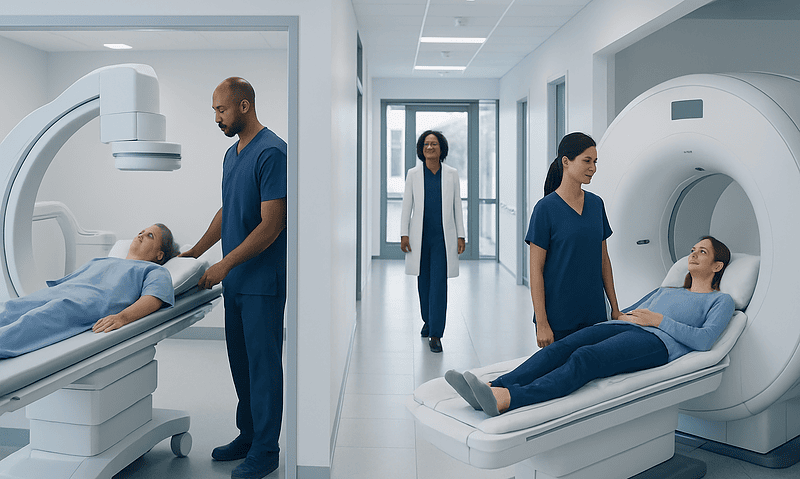
Common imaging services may include standard X-rays, ultrasound, mammography in some centers, and certain CT or MRI appointments. Availability depends on local scheduling, machine capacity, and whether the exam needs contrast, specialist review, or extra nursing support. Some centers reserve Saturdays mainly for pre-booked imaging rather than walk-in appointments.
Tests that may be harder to schedule on a weekend include time-sensitive hormone studies, specialized microbiology samples, pathology-related collections, or tests requiring immediate transport to a reference laboratory. For imaging, procedures involving sedation, nuclear medicine tracers, or complex preparation may be limited to weekdays. If a patient is unsure, the safest approach is to ask the laboratory or radiology department directly before making plans.
When symptoms suggest a possible underlying disease, a doctor may pair weekend testing with follow-up evaluation for conditions such as diabetes or thyroid nodules if blood work or imaging points in that direction.
How to prepare for Saturday blood work

Preparation for weekend blood work depends on the type of test ordered. Some blood tests require fasting, which usually means avoiding food for a set number of hours beforehand while still drinking water unless told otherwise. Fasting is often relevant for certain glucose and lipid tests, but not every blood test requires it. Patients should not assume; they should check the instructions given by their doctor or the lab.
Hydration is usually helpful unless the patient has been told to restrict fluids. Drinking plain water can make blood collection easier and may help reduce lightheadedness. It is also useful to wear clothing with sleeves that can be rolled up easily and to arrive with identification, the test order, insurance or payment information if relevant, and a list of medications and supplements.
Medication timing deserves special attention. Some medicines should be taken as usual, while others may affect test results or need to be timed around the blood draw. Patients should not stop prescription medicines on their own. Instead, they should ask the ordering clinician whether any medications, vitamins, iron tablets, or supplements should be delayed until after the sample is collected.
If more than one test is booked, it helps to know whether all samples can be collected in one visit. This may be particularly important when a doctor has ordered several evaluations together, such as an MRI scan and blood tests on the same day to speed up assessment.
How to prepare for weekend imaging
Imaging preparation varies more widely than routine blood work. Some exams, such as plain X-rays, usually require little preparation. Others, including ultrasound of the abdomen, CT scans, or MRI studies, may involve fasting, drinking extra fluids, avoiding metal objects, or arriving early for paperwork and safety screening. If contrast material will be used, patients may need recent kidney function blood tests or extra instructions about food and medication.
For MRI, patients are usually asked about pacemakers, implanted devices, aneurysm clips, cochlear implants, and metal fragments. For CT, doctors may review kidney function and allergy history if contrast is planned. Ultrasound instructions may differ by body area; for example, a full bladder may be requested for some pelvic scans, while fasting may be advised for some abdominal studies. These details matter and should be confirmed before the weekend appointment.
People who feel anxious in enclosed spaces, have chronic pain that makes lying still difficult, or may need language support should mention this when booking. A Saturday slot may be shorter and more structured than weekday scheduling, so communicating these needs in advance can help avoid delays. If the study requires sedation or special monitoring, weekend availability may be more limited.
Depending on the reason for the test, the doctor may recommend imaging such as a CT scan or an ultrasound as part of the diagnostic plan. Asking what the scan is for and how quickly results are expected can help patients plan their follow-up.
Why timing matters for accurate results
Not all tests are interchangeable across different days and times. Some blood tests are influenced by the body’s natural daily rhythm. Hormones such as cortisol, and certain reproductive or endocrine tests, may need to be collected at a specific hour or on a specific day of the menstrual cycle. Other tests may need repeat measurement under similar conditions each time to allow reliable comparison.
Food, exercise, alcohol, smoking, and even recent illness can also change results. A cholesterol panel after a late-night heavy meal may not be as useful as one performed exactly as instructed. Intense exercise before blood work can affect muscle enzymes and some chemistry results. Imaging can also be influenced by preparation; for example, poor fasting or bowel motion can affect the clarity of some abdominal exams.
Weekend scheduling is often completely appropriate, but the key question is whether Saturday is appropriate for that specific test. If the answer is yes, patients can feel confident going ahead. If a test must be done on a weekday for technical or medical reasons, changing the appointment is usually better than risking a sample or scan that may need to be repeated.
Practical tips for booking and day-of planning
A little organization can make Saturday lab testing much easier. When booking, patients should ask whether the center accepts walk-ins or requires an appointment, how early to arrive, how long the visit may take, and whether any forms need to be completed in advance. It is also sensible to ask how results will be shared and whether the ordering doctor will receive them automatically.
On the day of the appointment, patients should bring a photo ID, referral or electronic order details, previous relevant reports, and a current list of medicines, supplements, and allergies. If contrast imaging is planned, it may help to carry recent kidney blood test results if requested. For people with a history of dizziness during blood draws, having a light snack ready for after the test can be useful if fasting was required.
Travel planning matters too. Weekend transport schedules may differ, parking may be busier in some hospitals, and children or older adults may need an escort. Patients should try to arrive calmly and on time rather than rushing, since stress can make the visit feel harder and may occasionally affect measurements such as blood pressure.
In international centers, patients may also be able to combine lab work, imaging, and same-day specialist review. Acibadem International’s multidisciplinary specialists and JCI-accredited hospitals diagnose and treat conditions for international patients, and coordinated planning can sometimes help streamline testing and follow-up.
When a weekend appointment may need to be changed
Sometimes a Saturday appointment is not the best option, even if it is more convenient. The visit may need to be rescheduled if the patient did not follow fasting instructions, has developed a fever or acute illness, has started a new medication that could affect the test, or has not completed required pre-scan blood work. In these situations, going ahead may lead to unclear or less useful results.
Imaging may also need to be postponed if there is a chance of pregnancy for exams involving radiation, if metal safety questions for MRI remain unresolved, or if the patient has a known contrast allergy that has not yet been reviewed. People who need sedation generally require more detailed planning and may not be suitable for a routine weekend slot.
Patients should contact the center promptly if anything changes. Staff can advise whether to continue, delay, or adjust the appointment. This can save time and help avoid repeat visits.
When to seek medical advice promptly
Routine weekend testing is meant for planned evaluation, follow-up, and non-emergency assessment. If a person has severe chest pain, sudden shortness of breath, signs of stroke, major bleeding, fainting, severe allergic symptoms, or sudden intense abdominal pain, they should seek urgent medical care rather than waiting for a Saturday laboratory or imaging slot.
It is also important to speak with a doctor if symptoms are worsening quickly, test preparation instructions are unclear, or there is uncertainty about medication use before the appointment. Blood work and imaging are most helpful when they are interpreted in the context of a person’s medical history, symptoms, and examination.
After the test, patients should follow up on results rather than assuming that “no news is good news.” Asking when the report will be ready and who will explain it can make the process less stressful and ensure that next steps are not missed. If symptoms continue despite normal initial results, further review may still be needed.
Frequently asked questions
Can all blood tests be done on a Saturday?
No. Many routine blood tests can be done on Saturdays, but some specialized tests need weekday processing, timed collection, or immediate transport to a reference lab. It is best to confirm the exact test with the laboratory before booking.
Do patients need to fast before Saturday lab testing?
Only some tests require fasting. Patients should follow the specific instructions given for their test rather than fasting automatically, because unnecessary fasting can be inconvenient and may not help. Drinking plain water is often allowed unless the center says otherwise.
Should regular medicines be taken before weekend blood work?
Many medicines are taken as usual, but some can affect certain test results or need to be timed carefully. Patients should not stop prescription medicines on their own. The safest choice is to ask the ordering doctor or laboratory what to do before the appointment.
Are imaging scans like MRI or CT available on Saturdays?
In many centers, yes, but availability varies. Some facilities offer scheduled MRI, CT, ultrasound, or X-ray appointments on Saturdays, while others only provide limited services. Exams that require contrast, sedation, or special staffing may have fewer weekend options.
What should patients bring to a Saturday testing appointment?
It usually helps to bring identification, the test order or referral, prior relevant reports, and a list of current medicines and allergies. If imaging with contrast is planned, recent kidney function results may also be needed. Comfortable clothing and early arrival can make the visit easier.
What happens if fasting instructions were not followed?
The center may advise rescheduling, especially if the test result could be affected by food or drinks. This is common for certain glucose and lipid tests. Calling ahead is useful, because staff can explain whether the appointment should still go ahead.
How quickly are Saturday test results available?
Timing depends on the test and the center. Some routine blood results may be available the same day or the next working day, while specialized testing and imaging reports can take longer. Patients should ask when results will be ready and who will review them.
This article is for general information only and is not a substitute for professional medical advice. Please consult a qualified doctor about your individual situation.
Explore treatments in Turkey — costs, top hospitals & a free quote
JCI-accredited · board-certified surgeons · reply within 24h
Add us as a Preferred Source to see more of our trusted health content across Google Search, AI Overviews and Discover.
Check your numbers in seconds
BMI, calories, due date, blood pressure and 30+ more clinical calculators — free, instant, doctor-reviewed ranges.

More from the Health Library

Diagnostic Ultrasound: How It Works and What It Can Detect

Cerebral Angiography for Brain Vessel Disorders: Preparation, Procedure, and Recovery

Diagnosis Explained: How Doctors Combine Symptoms, Exams, Labs, and Imaging

Male Breast Imaging: What to Expect From Mammogram and Ultrasound
Cerebral Angiography vs MRI: Which Test Shows Brain Blood Vessels Better?