Sleeve Dilation After Gastric Sleeve: Why Weight Loss May Slow or Reverse

Weight loss slowing or reversing after gastric sleeve does not always mean the sleeve has stretched. Sleeve dilation may reduce restriction, but food choices, meal patterns, hormones, and physical activity also matter.
Key Takeaways
- Weight loss slowing or reversing after gastric sleeve does not always mean the sleeve has stretched.
- Sleeve dilation may reduce restriction, but food choices, meal patterns, hormones, and physical activity also matter.
- Evaluation may include a medical history, nutrition review, imaging, or endoscopy to understand the cause.
- Treatment can range from structured lifestyle support to endoscopic or surgical revision in selected cases.
- Early follow-up with a bariatric team can help address symptoms and protect long-term results.
Sleeve dilation after gastric sleeve refers to enlargement of the stomach pouch over time, which may reduce early fullness and contribute to slower weight loss or weight regain. However, it is only one possible factor, and a careful medical evaluation can help identify the cause and guide treatment.
Overview
Sleeve dilation after gastric sleeve means the stomach pouch created during sleeve gastrectomy has become larger than it was soon after surgery. This may happen gradually over time as the stomach adapts, and in some people it can reduce the feeling of fullness that helped limit portions in the early months after surgery. As a result, weight loss may slow, stop, or in some cases reverse.
It is important to understand that weight regain after bariatric surgery is usually multifactorial. Even when a sleeve appears somewhat enlarged, anatomy is only one part of the picture. Changes in hunger hormones, frequent snacking, liquid calories, stress eating, low physical activity, poor sleep, or medical conditions can all contribute. For this reason, the term “stretched sleeve” should not be used as a simple explanation without proper assessment.
Many people feel discouraged if the scale stops moving after a good initial response. In practice, this is a common reason for follow-up after gastric sleeve surgery. Reassuringly, several treatment approaches may help, from dietary retraining and behavioral support to endoscopic or surgical revision in carefully selected patients.
Symptoms and Signs
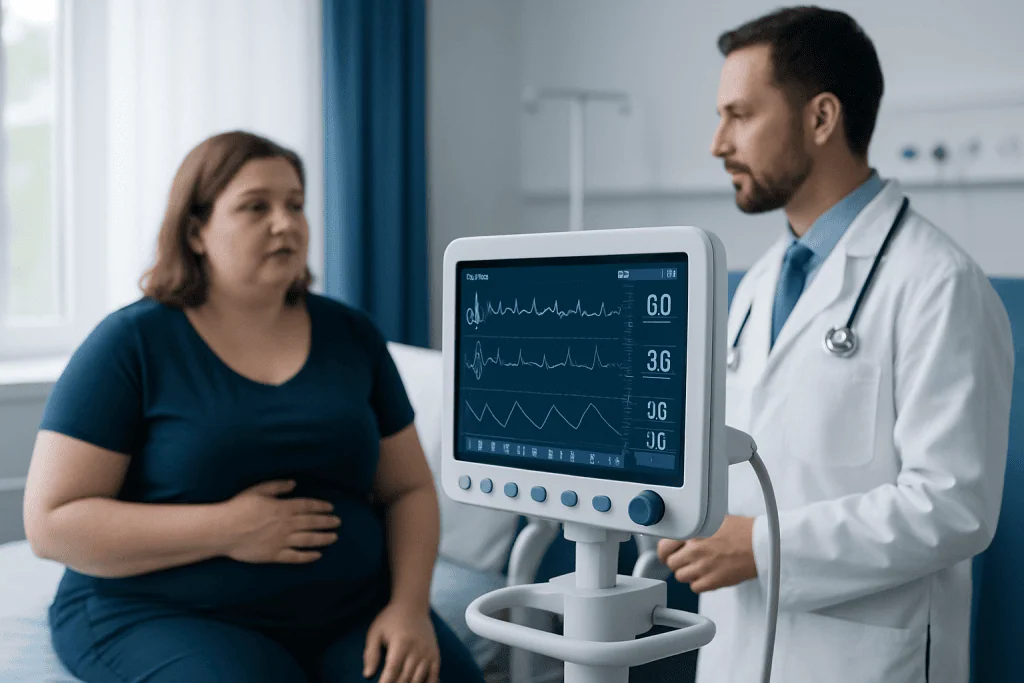
The most noticeable sign is often a change in weight trend. A person may stop losing weight earlier than expected, begin regaining weight months or years after surgery, or find that smaller meals no longer feel as satisfying. Some people also notice they can eat larger portions than before without the same pressure or fullness in the upper abdomen.
Symptoms can overlap with other issues after sleeve surgery. These may include increased hunger, frequent grazing, stronger cravings for high-calorie foods, or difficulty following the eating plan that worked well after surgery. Reflux symptoms such as heartburn, sour taste, or regurgitation can also occur in some patients, especially if there are anatomic changes in the sleeve.
None of these signs proves sleeve dilation on its own. Similar patterns can happen with hormonal adaptation, emotional eating, reduced activity, or underlying conditions linked to morbid obesity. A detailed review with a bariatric specialist helps distinguish between these possibilities and identify the most appropriate next steps.
Why It Can Happen: Causes and Risk Factors
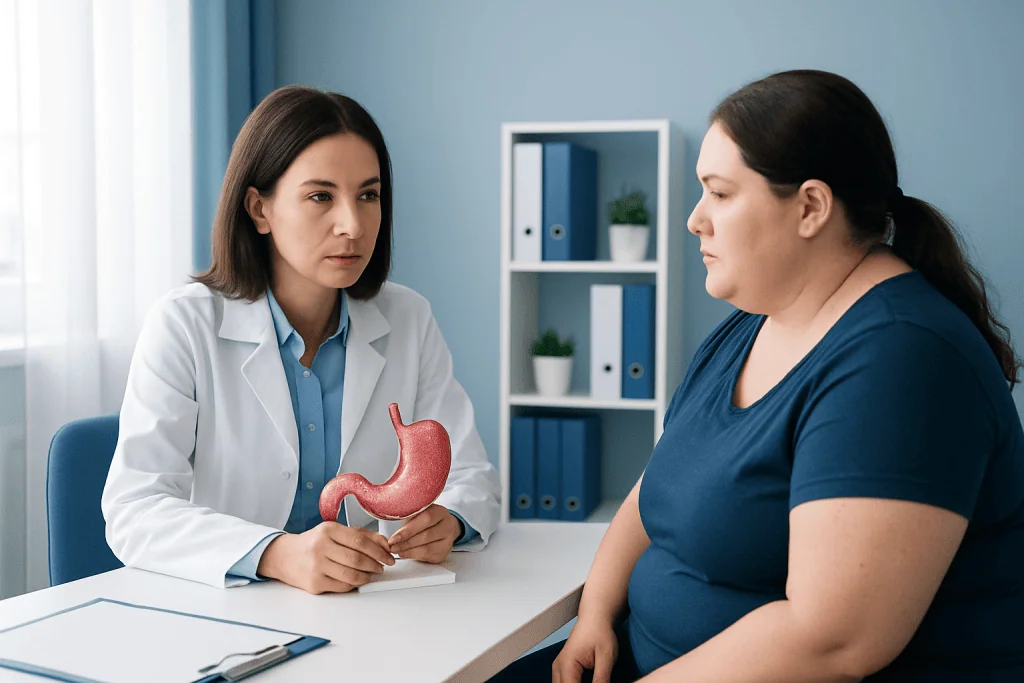
Some enlargement of the stomach after surgery can be part of the natural healing and adaptation process. The sleeve is made from living, flexible tissue rather than a rigid structure. Over time, the stomach may relax and accommodate food somewhat more easily. This does not always lead to poor results, but when dilation is more pronounced, restriction may be reduced.
Eating patterns can influence symptoms and long-term outcomes. Regularly eating large portions, frequent snacking, and consuming soft or liquid high-calorie foods may allow calorie intake to rise even if the sleeve has not changed much. Carbonated drinks and eating too quickly may worsen discomfort and overeating habits, though they are not the sole cause of true dilation.
Technical and anatomical factors may also play a role. The original size and shape of the sleeve, whether a wider upper pouch remains, sleeve twisting or narrowing, or associated hiatal hernia and reflux can affect how the stomach functions. In some situations, the issue is not only enlargement but an uneven shape that changes emptying and satiety.
Medical and lifestyle factors matter as well. Weight regain may be linked to medications that promote weight gain, untreated thyroid disease, sleep apnea, depression, chronic stress, or lack of ongoing nutritional follow-up. This is why care after sleeve gastrectomy should be seen as long-term rather than a one-time procedure.
How Doctors Diagnose Sleeve Dilation
Diagnosis starts with a thorough conversation rather than a scan alone. The bariatric team usually reviews weight history, current eating habits, hunger patterns, reflux symptoms, bowel symptoms, medication use, physical activity, and emotional factors. A dietitian may ask about meal structure, protein intake, sweetened beverages, alcohol, and grazing between meals, since these can strongly affect results.
Imaging or endoscopy may be used when anatomy needs to be assessed. An upper gastrointestinal contrast study can show the shape and size of the sleeve and how food passes through it. Upper endoscopy allows the doctor to look directly at the inside of the stomach and esophagus, check for widening, evaluate reflux-related irritation, and rule out other problems.
Sometimes blood tests are recommended to look for nutritional deficiencies or medical conditions that may contribute to fatigue, appetite changes, or slowed progress. The purpose of evaluation is not simply to confirm or dismiss stretching, but to build a complete picture. This helps ensure treatment addresses the real cause of weight regain rather than focusing on only one possible factor.
Treatment Options
Treatment depends on what the evaluation shows. If eating patterns and lifestyle factors are the main issue, the first step is often a structured program with a bariatric dietitian, psychologist, and surgeon or obesity medicine specialist. This may include meal planning, portion retraining, attention to protein and fiber, reducing liquid calories, managing emotional eating, and rebuilding activity and sleep routines.
In some patients, medication may be considered as part of weight management. Anti-obesity medicines may help reduce hunger, support portion control, and improve results when combined with lifestyle treatment. This option is individualized and should be discussed with a qualified doctor, especially after prior bariatric surgery.
When tests show significant sleeve enlargement or a sleeve shape that no longer works well, revisional treatment may be discussed. Options can include endoscopic approaches in selected centers or conversion to another operation such as gastric bypass, especially when reflux is also a major problem. Revision surgery is more complex than primary surgery, so the risks and benefits need careful review.
Not every patient with weight regain needs another procedure. Many people benefit from a combination of nutrition support, behavioral therapy, exercise guidance, and medical treatment. The most effective plan is usually personalized, realistic, and designed for long-term follow-up rather than a short-term reset.
Prevention and Self-Care After Gastric Sleeve
Long-term success after sleeve surgery is supported by consistent habits. Eating slowly, chewing well, pausing between bites, and stopping at early fullness can help protect restriction and reduce discomfort. Choosing mostly solid, protein-rich meals is often more effective than relying on foods that slide through the stomach easily, such as sweets, chips, or calorie-containing drinks.
Regular follow-up is one of the most important protective steps. Ongoing visits with the bariatric team can identify small changes before they become bigger setbacks. A dietitian can help refresh portion awareness and meal structure, while a psychologist or counselor can address emotional triggers, stress, and all-or-nothing thinking about eating.
Healthy routines also support weight stability. Useful habits may include:
- Prioritizing protein at meals
- Drinking enough water between meals rather than during meals if advised
- Avoiding grazing and unplanned snacking
- Limiting sugary drinks and alcohol
- Staying physically active most days of the week
- Getting adequate sleep and treating sleep apnea if present
People who continue to struggle with severe obesity despite lifestyle efforts may need a broader bariatric review. In these situations, management of morbid obesity may include reassessment of anatomy, metabolism, and the best available nonsurgical or surgical strategy.
When to See a Doctor
A medical review is advisable if weight loss has clearly stalled for a prolonged period, if weight regain continues despite renewed efforts, or if early fullness has noticeably decreased. It is especially important to seek assessment when symptoms are accompanied by heartburn, vomiting, trouble swallowing, upper abdominal pain, or difficulty tolerating normal meals.
Urgent medical attention is needed for severe chest or abdominal pain, persistent vomiting, signs of dehydration, black stools, or vomiting blood. These symptoms do not automatically mean sleeve dilation, but they should not be ignored because they can point to other potentially serious gastrointestinal problems.
Near the end of the care pathway, some patients benefit from specialist review in an experienced center. Acibadem International’s multidisciplinary specialists in JCI-accredited hospitals evaluate and treat bariatric concerns for international patients, including follow-up after primary or revisional procedures. The goal is a careful diagnosis and a treatment plan tailored to the individual.
Frequently asked questions
Can the stomach really stretch after gastric sleeve surgery?
Some degree of stomach adaptation can happen over time because the sleeve is made of living tissue. However, not every change in appetite or weight means there is major sleeve dilation. Proper evaluation is needed to determine whether anatomy, habits, hormones, or other medical factors are responsible.
Does weight regain always mean sleeve dilation?
No. Weight regain after gastric sleeve can result from many factors, including grazing, high-calorie liquids, low activity, poor sleep, stress, medication effects, or hormonal changes. Sleeve dilation is only one possible explanation.
How is sleeve dilation diagnosed?
Doctors usually begin with a review of weight history, symptoms, eating patterns, and lifestyle habits. If needed, they may order an upper GI contrast study or endoscopy to assess the sleeve’s size and shape and to look for reflux or other issues.
Can sleeve dilation be treated without another operation?
In many cases, yes. A structured program with nutrition counseling, behavior support, exercise guidance, and sometimes medication can improve results, especially if anatomy is not the only issue. Nonsurgical treatment is often the first step before considering revision.
When is revision surgery considered?
Revision may be considered when there is clear anatomical change, troublesome reflux, or persistent weight regain that has not improved with comprehensive medical and lifestyle treatment. The decision depends on symptoms, test results, overall health, and the risks and benefits of another procedure.
What can help protect long-term results after gastric sleeve?
Regular follow-up, mindful eating, solid protein-focused meals, physical activity, and avoiding liquid calories are all important. Early support for stress, emotional eating, and sleep problems can also make a meaningful difference over time.
References
- American Society for Metabolic and Bariatric Surgery
- National Institute of Diabetes and Digestive and Kidney Diseases
- Mayo Clinic
- National Institute for Health and Care Excellence
- Society of American Gastrointestinal and Endoscopic Surgeons
This article is for general information only and is not a substitute for professional medical advice. Please consult a qualified doctor about your individual situation.
Medical weight-loss options in Turkey — costs & eligibility
JCI-accredited · board-certified surgeons · reply within 24h
Add us as a Preferred Source to see more of our trusted health content across Google Search, AI Overviews and Discover.
Check your numbers in seconds
BMI, calories, due date, blood pressure and 30+ more clinical calculators — free, instant, doctor-reviewed ranges.