Sore Eyes: A Complete Medical Overview

Sore eyes are a symptom rather than a diagnosis and can have several possible causes. Dry eye, prolonged screen use, allergies and exposure to smoke or dust are common triggers.
Key Takeaways
- Sore eyes are a symptom rather than a diagnosis and can have several possible causes.
- Dry eye, prolonged screen use, allergies and exposure to smoke or dust are common triggers.
- Contact lens problems, infections and inflammation may also cause sore or painful eyes.
- New vision changes, marked redness, light sensitivity or eye injury require urgent medical advice.
- Safe self-care includes resting the eyes, reducing irritants and using lubricating drops when appropriate.
Sore eyes can feel aching, burning, gritty, tired or tender, and often improve when the underlying trigger—such as dryness, screen use, allergy or irritation—is addressed. However, severe pain, light sensitivity, injury, discharge or changes in vision should be assessed promptly by an eye care professional.
What Are Sore Eyes?
Sore eyes are eyes that feel uncomfortable, aching, burning, stinging, heavy or unusually tired. The symptom may affect one eye or both eyes. It can occur with redness, tearing, itchiness, a gritty sensation, blurred vision that clears with blinking, or sensitivity to light. For many people, sore eyes are temporary and related to environmental irritation, dryness or visual overuse.
The term does not describe one specific illness. The eye itself, the eyelids, the surface tissues around the eye, or muscles involved in focusing and eye movement can all contribute to discomfort. Identifying the pattern of symptoms, how quickly they began, and whether vision has changed helps a clinician distinguish a minor irritation from a condition needing treatment.
Although most mild cases settle with simple measures, eye pain should not be ignored if it is intense, persistent, or accompanied by reduced vision. The eye is sensitive, and some causes of pain can affect sight if treatment is delayed.
Common Symptoms That Can Accompany Sore Eyes
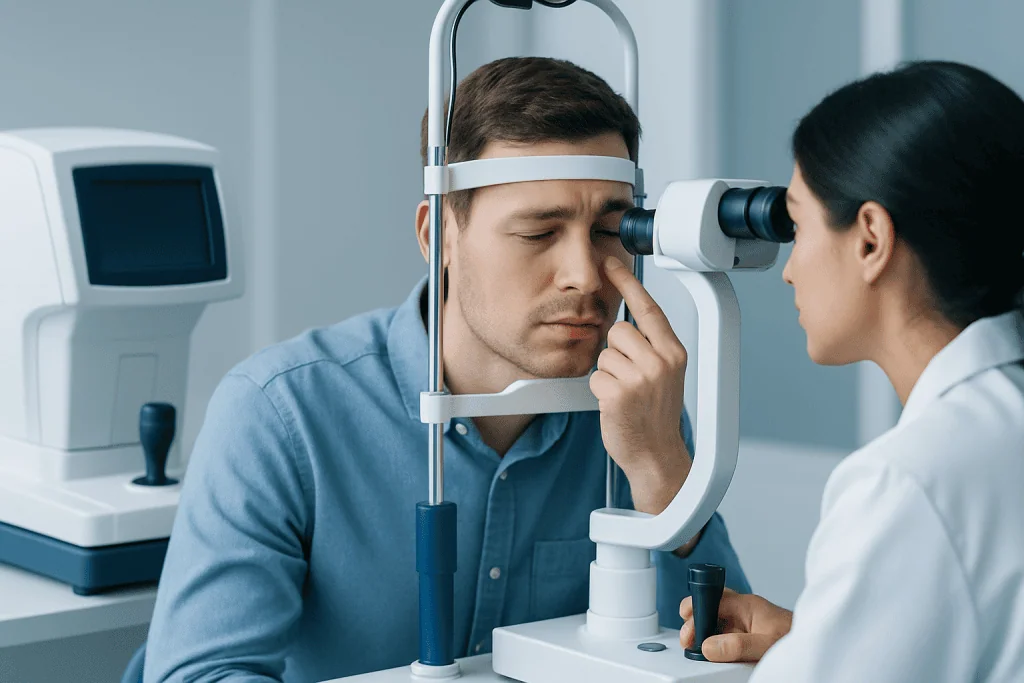
Soreness can feel different depending on its cause. Dryness often produces burning, grittiness, fluctuating vision and a feeling that something is in the eye. Eye strain may cause a dull ache, tired eyes, headache or difficulty focusing after reading, driving or using digital screens. Allergy-related discomfort more often causes itching, tearing and swelling of the eyelids.
Redness, watery eyes and mild sensitivity to wind or bright light can occur with irritation from smoke, pollution, chlorinated water, cosmetics or dust. Viral infections may bring redness, watery discharge and symptoms of a cold. Thick discharge, eyelids stuck together on waking, or marked swelling can occur with some bacterial infections, though a clinician should determine the cause rather than assuming it.
Some symptoms need more urgent attention. These include significant pain rather than mild irritation, worsening light sensitivity, nausea or headache with eye pain, halos around lights, a new unequal pupil, inability to keep the eye open, or any loss of vision. A painful red eye in someone who wears contact lenses should also be evaluated without delay.
Why Do Eyes Become Sore?

Dry eye disease is one of the most frequent reasons for sore eyes. Tears keep the eye surface smooth, lubricated and protected. If the eyes do not make enough tears, or if tears evaporate too quickly, the surface can become irritated. Dry indoor air, air conditioning, heating, wind, ageing, hormonal changes, some medicines and certain health conditions can contribute to dryness.
Digital eye strain is another common contributor. People naturally blink less completely when concentrating on a screen, which can worsen dryness. Long periods of close work may also tire the focusing system of the eyes. Poor lighting, glare, an uncorrected glasses prescription and insufficient breaks can make these symptoms more noticeable.
Other causes include seasonal allergies, eyelid inflammation known as blepharitis, a blocked oil gland in the eyelid, exposure to irritants, and poorly fitting or overworn contact lenses. Eye infections, inflammation inside the eye, corneal scratches and more serious conditions such as acute glaucoma are less common but important possibilities. Soreness may also be felt around the eyes during sinus congestion, migraine or tension headache, even when the eye itself is healthy.
Risk Factors and Everyday Triggers
Anyone can develop sore eyes, but some circumstances make symptoms more likely. Extended screen use, frequent reading or detailed close work can lead to eye strain, especially when breaks are limited. Working in air-conditioned rooms, spending time outdoors in wind, or being exposed to smoke and airborne particles can increase tear evaporation and surface irritation.
Contact lens wear is safe for many people when lenses are fitted, cleaned and replaced correctly. However, sleeping in lenses when they are not designed for overnight wear, using expired solution, swimming while wearing lenses, or continuing to use lenses despite discomfort may raise the risk of irritation and infection. Contact lenses should be removed if the eye becomes painful, red or unusually sensitive to light unless a clinician has instructed otherwise.
People with allergies, skin conditions affecting the eyelids, autoimmune disorders, diabetes, thyroid eye disease or a history of eye surgery may be more prone to dry or irritated eyes. Certain medicines, including some allergy medicines, antidepressants and blood pressure medicines, may contribute to dryness. A person should not stop prescribed medication without medical advice, but can discuss troublesome eye symptoms with their doctor.
How Sore Eyes Are Assessed
An optometrist, ophthalmologist or other qualified clinician will usually begin by asking about the symptoms. Useful details include when the soreness started, whether one or both eyes are affected, whether there has been injury or chemical exposure, contact lens use, recent illness, allergy symptoms, screen habits and any change in vision. Mentioning current medicines and previous eye conditions is also helpful.
The examination may include checking vision, looking at the eyelids and eye surface, assessing pupil reactions, measuring eye pressure when needed and examining the eye with a microscope called a slit lamp. Fluorescein dye may be placed in the eye to highlight scratches or dry areas on the cornea. These tests are generally quick and help guide appropriate care.
Not every person with mild, short-lived symptoms needs extensive testing. However, an eye examination is important when symptoms do not improve, recur frequently, affect daily activities or occur with warning signs. Accurate diagnosis matters because treatments that help one cause, such as allergy, may not be suitable for another, such as infection or corneal injury.
Relief and Treatment Options
Treatment depends on the cause. For mild dry or tired eyes, taking regular visual breaks, blinking consciously during close work and limiting exposure to smoke or dry air may help. Preservative-free lubricating eye drops, often called artificial tears, can relieve dryness for many people. A pharmacist or eye care professional can help choose a suitable product, particularly for people who use drops often or wear contact lenses.
Cool compresses may ease itchy, allergy-related eyes, while warm compresses and careful eyelid hygiene may be advised for some eyelid conditions. Allergy eye drops, antibiotic treatment, anti-inflammatory medicines or other prescription therapies may be appropriate in selected cases, but these should be recommended after an assessment. Steroid eye drops can be very helpful for certain conditions but should not be used without specialist supervision because they can worsen some infections and raise eye pressure.
If an incorrect glasses or contact lens prescription is contributing to strain, updating the prescription can improve comfort. People with persistent dry eye may need a tailored plan that addresses tear quality, eyelid gland function, underlying medical conditions and daily exposures. Acibadem International’s multidisciplinary specialists and JCI-accredited hospitals can assess persistent eye symptoms and coordinate care for international patients when needed.
Prevention and Safe Self-Care
Simple habits can reduce many episodes of sore eyes. During screen work, the 20-20-20 approach can be useful: about every 20 minutes, look at something roughly 20 feet away for 20 seconds. Positioning screens slightly below eye level, reducing glare and using comfortable lighting may also lessen strain. Regular blinking is especially important when concentrating.
Adequate sleep, good hydration and avoiding cigarette smoke can support eye comfort. In dry environments, a humidifier or avoiding direct airflow from fans and vents may help. Sunglasses that block ultraviolet light and wrap around the sides can reduce exposure to wind, dust and bright sunlight outdoors.
Contact lens users should follow their eye care professional’s instructions for cleaning, storage and replacement. Lenses should never be rinsed with tap water or saliva. Eye makeup should be removed before sleeping, and people should avoid sharing cosmetics or using old eye products. If a product causes stinging, redness or swelling, it should be stopped and medical advice sought if symptoms persist.
When to Seek Medical Care
Medical advice is recommended if sore eyes last more than a few days despite basic self-care, return repeatedly, or interfere with work, sleep or normal activities. An appointment is also appropriate for ongoing dryness, frequent redness, recurrent eyelid swelling, suspected allergies or concern about contact lens tolerance. A planned eye examination can identify whether vision correction or targeted treatment is needed.
Urgent assessment is needed for sudden or severe eye pain, a change or loss of vision, significant light sensitivity, a very red eye, marked swelling, severe headache with nausea, or pain after eye surgery. People should also seek urgent care after an eye injury, a chemical splash, penetration by a foreign object, or a possible scratch from metal, wood or other material.
A contact lens wearer with a painful red eye, blurred vision or light sensitivity should remove the lens and obtain same-day eye care. If a chemical enters the eye, it should be rinsed immediately with clean lukewarm water or saline for at least 15 minutes while arranging urgent medical evaluation. The person should avoid rubbing the eye and should not attempt to remove an embedded object.
Frequently asked questions
Are sore eyes usually serious?
Most sore eyes are caused by temporary issues such as dryness, eye strain, allergies or mild irritation. However, pain that is severe, persistent or associated with vision changes, marked redness or light sensitivity can indicate a more urgent condition. An eye care professional should assess those symptoms promptly.
Can too much screen time cause sore eyes?
Yes. Screen use can contribute to eye strain and dry eye because people tend to blink less often and less completely while focusing. Taking regular breaks, reducing glare and ensuring an up-to-date vision prescription can help.
What eye drops can help sore eyes?
Lubricating drops, also called artificial tears, may help discomfort caused by dryness or screen-related irritation. Preservative-free options may be preferable for frequent use. Redness-relief drops are not a long-term solution, and steroid drops should only be used under medical supervision.
Should contact lenses be worn when eyes are sore?
It is generally safest to remove contact lenses when an eye becomes sore, red, painful or sensitive to light, unless a clinician has advised otherwise. Wearing lenses over an irritated eye can worsen discomfort and may delay recognition of an infection. Same-day assessment is important if symptoms are significant or vision is affected.
Can allergies make eyes feel sore?
Yes. Eye allergies commonly cause itching, tearing, redness and eyelid swelling, and rubbing the eyes can make them feel sore. Reducing exposure to known allergens, using cool compresses and discussing suitable allergy treatment with a clinician may help.
When should a person go to urgent care for eye pain?
Urgent care is needed for sudden severe pain, reduced vision, intense redness, light sensitivity, eye injury, chemical exposure or pain with nausea and headache. A painful red eye in a contact lens wearer also needs urgent evaluation. These symptoms may require timely treatment to protect eye health.
This article is for general information only and is not a substitute for professional medical advice. Please consult a qualified doctor about your individual situation.
Explore treatments in Turkey — costs, top hospitals & a free quote
JCI-accredited · board-certified surgeons · reply within 24h
Add us as a Preferred Source to see more of our trusted health content across Google Search, AI Overviews and Discover.

More from the Health Library

Purple Sweet Potato: What Patients Need to Know
Pimple on Lip: A Complete Medical Overview

Aspiration: What Patients Need to Know

Sinuses: An Evidence-Based Guide for Patients

Peanut Butter Effect on Cholesterol: A Complete Medical Overview