Status Epilepticus: A Complete Medical Overview

Status epilepticus is a medical emergency involving ongoing seizure activity or repeated seizures without full recovery. It may cause obvious shaking movements, but some forms are less visible and appear as confusion, unresponsiveness, or unusual behavior.
Key Takeaways
- Status epilepticus is a medical emergency involving ongoing seizure activity or repeated seizures without full recovery.
- It may cause obvious shaking movements, but some forms are less visible and appear as confusion, unresponsiveness, or unusual behavior.
- Prompt treatment focuses on stopping the seizure, supporting breathing and circulation, and finding the underlying cause.
- Common triggers include epilepsy, missed antiseizure medicines, stroke, infection, head injury, metabolic imbalance, and substance withdrawal.
- Anyone with a seizure lasting more than 5 minutes or repeated seizures without waking up normally between them needs emergency help.
Status epilepticus is a prolonged seizure or a series of seizures without recovery in between, and it requires urgent medical treatment. Fast recognition and early care can reduce complications, identify the cause, and improve recovery.
Overview
Status epilepticus is a serious condition in which seizure activity lasts too long or repeated seizures happen without the person returning to their usual level of awareness between episodes. In practical terms, doctors treat a seizure lasting more than 5 minutes as status epilepticus because the chance of it stopping on its own becomes lower, and the need for urgent treatment becomes higher.
This condition can happen in adults or children. It may occur in someone who already has epilepsy, but it can also be the first sign of another medical problem such as infection, stroke, head injury, low blood sugar, or withdrawal from alcohol or certain medicines. The term includes different forms, including convulsive status epilepticus, which causes visible shaking, and nonconvulsive status epilepticus, which may present more subtly.
Status epilepticus is considered a medical emergency because prolonged seizure activity can affect breathing, circulation, body temperature, and brain function. Quick treatment aims to stop the seizure, stabilize the person, and reduce the risk of complications. Related seizure disorders are discussed more broadly on the epilepsy page.
What it can look like
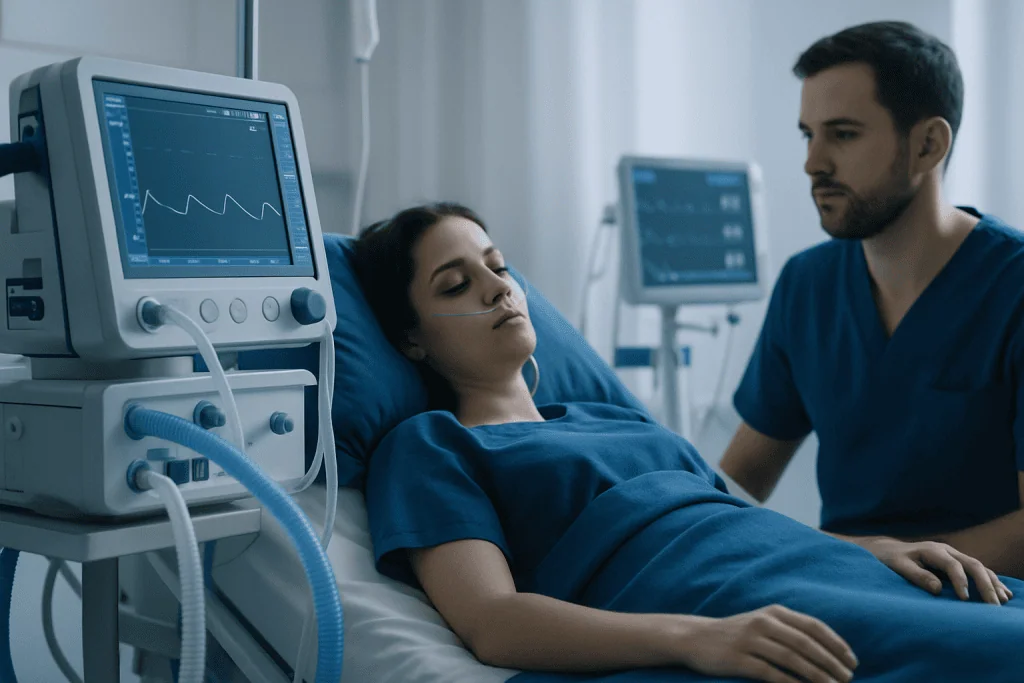
Many people picture status epilepticus as dramatic full-body convulsions, but it does not always look this way. Convulsive status epilepticus usually involves stiffening, rhythmic jerking, loss of consciousness, and often a period of heavy breathing or deep unresponsiveness afterward. This form is easier to recognize and usually prompts an emergency response quickly.
Nonconvulsive status epilepticus can be harder to identify. A person may seem confused, stare blankly, fail to respond, speak unusually, wander, or behave in a way that seems out of character. In some cases, there are only small facial twitches, eyelid movements, or subtle repetitive motions. Because these signs can mimic delirium, stroke, or a psychiatric problem, medical assessment is important.
Possible symptoms and signs include:
- A seizure lasting more than 5 minutes
- Repeated seizures without returning to normal consciousness in between
- Stiffening, shaking, or loss of awareness
- Confusion, blank staring, or unusual behavior
- Difficulty speaking or responding
- Trouble breathing, blue lips, or injury during a seizure
After seizure activity ends, some people remain sleepy, confused, weak, or unable to speak normally for a time. Doctors consider the whole picture, including how long symptoms last and whether the person fully recovers between events.
Causes and risk factors

Status epilepticus is not a disease by itself but a neurological emergency with many possible causes. In people with epilepsy, common triggers include missed antiseizure medicines, sudden changes in medication, sleep deprivation, fever, illness, or alcohol and substance use. Some people develop it even when they have been taking treatment carefully, which is why ongoing neurological follow-up matters.
In people without a previous seizure disorder, doctors look for acute causes. These can include stroke, brain infection, meningitis, encephalitis, head trauma, brain tumor, bleeding in or around the brain, low blood sugar, low sodium, kidney or liver failure, poisoning, and withdrawal from alcohol or sedative medicines. Structural or vascular brain conditions may also play a role, including stroke.
Certain groups may have a higher risk, including infants and older adults, because seizures in these age groups are more likely to be triggered by fever, metabolic disturbance, or underlying brain disease. A prior history of prolonged seizures, severe infection, developmental neurological conditions, or poorly controlled epilepsy can also increase the likelihood.
Identifying the cause is an essential part of treatment. Stopping the seizure is the first priority, but preventing another episode often depends on correcting the factor that triggered it in the first place.
How doctors diagnose status epilepticus
Diagnosis starts with urgent clinical assessment. Emergency teams first check breathing, circulation, oxygen levels, blood sugar, temperature, and injuries. If convulsive seizure activity is still happening, treatment may begin right away while the team gathers information from witnesses, family members, or prior medical records.
Blood tests are often used to look for infection, inflammation, medication levels, electrolyte imbalance, low glucose, and organ function problems. Brain imaging may be needed to look for bleeding, stroke, swelling, trauma, or a mass. Depending on the situation, a doctor may request MRI or CT scan to evaluate the brain quickly and safely.
When symptoms are subtle or continue after visible convulsions stop, an electroencephalogram can be especially important. This test records electrical activity in the brain and can help confirm nonconvulsive status epilepticus. Continuous monitoring may be used in intensive care settings to guide treatment and check whether seizure activity has truly ended.
Doctors also consider other conditions that can resemble seizures, such as fainting, severe migraine, low blood sugar, stroke, movement disorders, or episodes related to severe stress. A careful history and neurological examination help direct the right tests and treatment plan.
Treatment options and emergency care
Treatment for status epilepticus begins immediately. The first steps are to protect the airway, support breathing, provide oxygen if needed, check blood sugar, and make sure the person is safe from injury. If the seizure is ongoing, emergency clinicians usually give fast-acting antiseizure medicine, then longer-acting treatment to prevent the seizure from returning.
If initial medicines do not stop seizure activity, additional therapies may be needed in an emergency department or intensive care unit. Some patients require closer monitoring, intravenous medication, or temporary breathing support. Treatment also targets the underlying cause, such as correcting low blood sugar, treating infection, managing alcohol withdrawal, or addressing a stroke or bleeding event.
After the emergency phase, ongoing care may involve adjusting long-term antiseizure therapy, planning follow-up with a neurologist, and investigating why the episode happened. In selected patients with difficult-to-control epilepsy, advanced care may include specialized evaluation for epilepsy surgery or other therapies through a comprehensive neurology team.
Recovery varies depending on the seizure duration, the person’s age and health, and the reason for the episode. Some people recover fully, while others need rehabilitation, medication review, or support for the underlying neurological condition.
Prevention and self-care after recovery
Not every episode can be prevented, but careful self-management can lower risk in many people. For those with epilepsy, taking antiseizure medicines exactly as prescribed is one of the most important steps. It is also helpful to avoid suddenly stopping medication unless a doctor has advised it and provided a plan.
Healthy routines can make a difference. Regular sleep, good hydration, avoiding excess alcohol, managing stress, and treating fever or infection promptly may reduce seizure triggers in some individuals. Families should also know whether the treating clinician has prescribed a rescue medicine and when it should be used.
Practical steps after recovery may include:
- Keeping an up-to-date list of medicines and allergies
- Recording seizure timing, symptoms, and possible triggers
- Attending regular neurology follow-up appointments
- Discussing safety at home, work, school, and while traveling
- Reviewing whether an emergency action plan is needed
For international patients who need advanced neurological assessment, Acibadem International’s multidisciplinary specialists in JCI-accredited hospitals diagnose and treat seizure disorders with coordinated emergency, imaging, and neurology care.
When to seek medical care
Status epilepticus should not be watched and waited out at home. Emergency medical help is needed if a seizure lasts more than 5 minutes, if repeated seizures happen without the person waking up normally between them, or if the person has trouble breathing, turns blue, becomes injured, or does not regain awareness as expected.
Urgent evaluation is also important when a seizure happens for the first time, occurs in pregnancy, follows a head injury, happens in water, or is associated with fever, severe headache, weakness, or suspected infection. Even if the seizure stops before medical teams arrive, the person may still need prompt assessment to find the cause and prevent another episode.
Family members and bystanders can help by timing the seizure, moving dangerous objects away, placing the person on their side if possible, and avoiding anything in the mouth. They should not try to restrain movements. If a rescue medicine has been prescribed, it should only be used as instructed by the treating clinician.
Frequently asked questions
Is status epilepticus the same as epilepsy?
No. Epilepsy is a tendency to have recurrent unprovoked seizures, while status epilepticus is a prolonged seizure emergency or repeated seizures without recovery between them. A person with or without epilepsy can develop status epilepticus.
How long does a seizure have to last to be considered status epilepticus?
Doctors generally treat a seizure lasting more than 5 minutes as status epilepticus. They also use the term when seizures happen back-to-back and the person does not return to normal awareness between them.
Can status epilepticus happen without shaking?
Yes. Nonconvulsive status epilepticus may cause confusion, staring, unresponsiveness, unusual behavior, or subtle repetitive movements instead of obvious convulsions. Because it can be difficult to recognize, medical evaluation is important.
What are the most common causes of status epilepticus?
Common causes include epilepsy with missed medication, stroke, brain infection, head injury, low blood sugar, electrolyte imbalance, alcohol withdrawal, and other serious illnesses affecting the brain. Sometimes more than one factor is involved.
Can someone recover fully after status epilepticus?
Many people do recover, especially when treatment is started quickly and the cause can be corrected. Recovery depends on factors such as seizure duration, age, overall health, and the underlying reason for the episode.
What should a bystander do during a prolonged seizure?
A bystander should time the seizure, protect the person from injury, and call emergency services if it lasts more than 5 minutes or repeats without recovery. They should place the person on their side if possible, loosen tight clothing around the neck, and avoid putting anything in the mouth.
This article is for general information only and is not a substitute for professional medical advice. Please consult a qualified doctor about your individual situation.
Explore treatments in Turkey — costs, top hospitals & a free quote
JCI-accredited · board-certified surgeons · reply within 24h
Add us as a Preferred Source to see more of our trusted health content across Google Search, AI Overviews and Discover.

More from the Health Library

Straight Hair: What Patients Need to Know

Bullseye Bug Bite: An Evidence-Based Guide for Patients

Huber Needle: An Evidence-Based Guide for Patients

Delirium: An Evidence-Based Guide for Patients

Ego: A Complete Medical Overview