Stephen Hawking’s Condition: What ALS Is and How It Progresses

ALS is a progressive disease of motor neurons that leads to muscle weakness and loss of movement control. Symptoms often begin with subtle weakness, muscle twitching, cramps, or speech and swallowing changes.
Key Takeaways
- ALS is a progressive disease of motor neurons that leads to muscle weakness and loss of movement control.
- Symptoms often begin with subtle weakness, muscle twitching, cramps, or speech and swallowing changes.
- ALS does not usually affect intelligence, but it can influence communication, breathing, and daily independence over time.
- Diagnosis relies on clinical examination, nerve and muscle testing, imaging, and ruling out other conditions.
- Treatment focuses on slowing progression in some cases, relieving symptoms, supporting breathing and nutrition, and rehabilitation.
Amyotrophic lateral sclerosis, or ALS, is a progressive disease that affects the nerve cells controlling voluntary muscle movement. Although there is no cure at present, early diagnosis, supportive treatment, and coordinated care can help people manage symptoms and maintain quality of life.
Overview: What ALS Is
Amyotrophic lateral sclerosis (ALS) is a disease that damages motor neurons, the nerve cells that send signals from the brain and spinal cord to the muscles. As these nerve cells gradually stop working, muscles become weaker, smaller, and harder to control. This affects voluntary movements such as walking, speaking, swallowing, lifting, and breathing.
ALS is sometimes called motor neuron disease, although that term can also include a group of related disorders. The condition became widely known because physicist Stephen Hawking lived with it for many years. Even so, ALS can vary greatly from person to person, including how symptoms begin and how quickly they progress.
In most people, sensation, hearing, sight, taste, and bladder function are usually preserved. Many people continue to think clearly, reason, and make decisions throughout the illness, although some may develop changes in behavior, language, or thinking. Understanding the condition early can help patients and families plan care, daily support, and treatment choices with greater confidence.
Symptoms and Early Signs
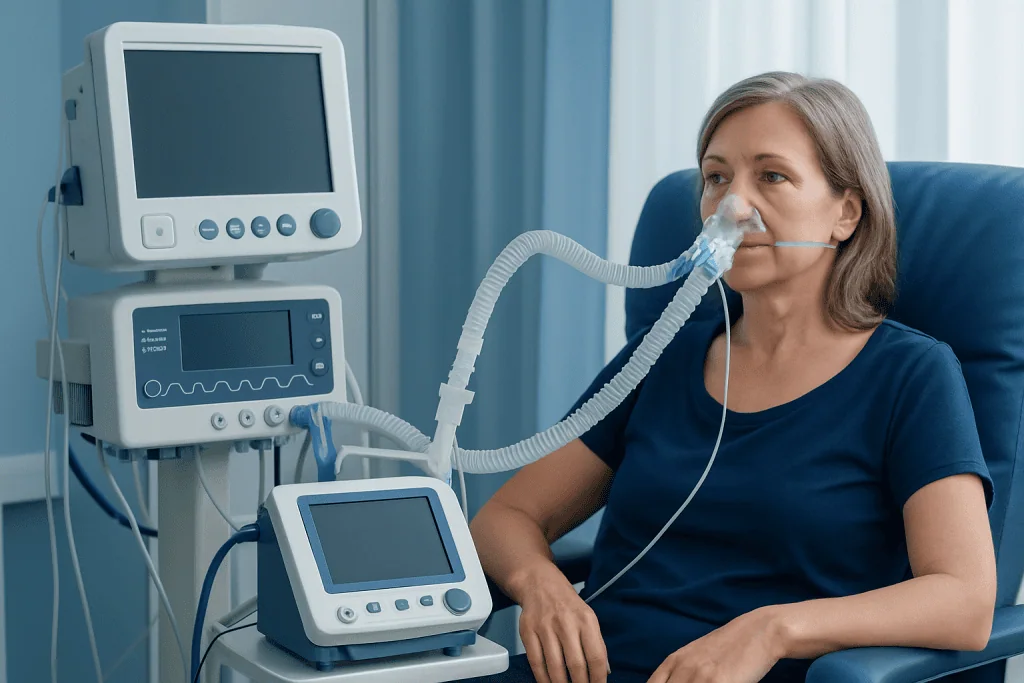
ALS often begins subtly. A person may notice weakness in one hand, tripping more often, difficulty turning a key, dropping objects, or unusual fatigue during routine tasks. Others first develop changes in speech, such as slurring, or problems chewing and swallowing. Muscle cramps, stiffness, twitching under the skin, and weight loss can also occur.
As the disease progresses, weakness spreads to other muscle groups. Everyday activities such as climbing stairs, dressing, writing, and carrying items may become harder. Speech may become softer or less clear, and swallowing may take more effort. Over time, the muscles used for breathing can also weaken, which may lead to shortness of breath, especially when lying down or during sleep.
Symptoms can differ depending on whether ALS starts mainly in the limbs or in the bulbar muscles involved in speech and swallowing. Common symptoms include:
- Weakness in the arms, hands, legs, or feet
- Muscle twitching and cramping
- Stiffness or spasticity
- Slurred or nasal speech
- Difficulty swallowing
- Unexplained weight loss
- Shortness of breath as breathing muscles weaken
Because early signs may resemble those of other neurological disorders, medical assessment is important. Conditions such as Parkinson’s disease or certain nerve and muscle disorders can also affect movement, but they have different patterns and treatments.
Causes and Risk Factors

In most cases, the exact cause of ALS is not known. This is called sporadic ALS. Researchers believe it may result from a combination of genetic susceptibility and environmental influences, but no single explanation applies to all patients. A smaller number of cases are inherited, meaning a gene change runs in families.
Several biological processes are being studied in ALS, including abnormal protein handling, oxidative stress, inflammation, and damage to the connections between nerves and muscles. These changes appear to contribute to motor neuron injury and loss. However, for an individual patient, it is often not possible to identify one clear trigger.
Risk rises with age, and ALS is most often diagnosed in adulthood. A family history of the disease may increase risk in inherited forms. Exposure to certain environmental factors has been explored, but evidence remains incomplete and does not mean a person will definitely develop ALS. For most patients, the diagnosis is not caused by anything they knowingly did or did not do.
How ALS Progresses
ALS is considered a progressive condition, meaning symptoms usually worsen over time. The pattern is often gradual but variable. Some people notice a slow spread of weakness over years, while others experience faster changes. Progression depends on which muscle groups are affected first, the rate of motor neuron loss, overall health, and how well symptoms are supported.
In the early stage, weakness may affect only one body region. During the middle stage, more areas become involved, and mobility, hand use, speech, or swallowing may require increasing support. In later stages, breathing muscles may weaken significantly, and patients may need noninvasive breathing assistance, nutritional support, or more extensive caregiving.
One of the most important points for patients and families is that progression is not identical for everyone. Stephen Hawking is often mentioned because he lived with a very long disease course, but this was unusual. Many people with ALS have a different timeline, so doctors usually avoid making precise predictions and instead focus on regular monitoring, symptom relief, safety, and planning for future needs.
How ALS Is Diagnosed
There is no single test that confirms ALS on its own. Diagnosis usually begins with a detailed medical history and neurological examination. The doctor looks for signs of both upper and lower motor neuron involvement, such as weakness, muscle wasting, twitching, increased reflexes, and stiffness. The pattern of symptoms over time is also important.
Testing is used both to support the diagnosis and to rule out other conditions. Electromyography and nerve conduction studies help assess how muscles and nerves are functioning. Blood tests, MRI scans, and other evaluations may be recommended to exclude structural, metabolic, inflammatory, or inherited causes of weakness. In some cases, genetic testing may be discussed, especially when there is a family history.
Because other neurological conditions can resemble ALS, diagnosis may take time. Disorders such as multiple sclerosis or certain spine and peripheral nerve conditions may need to be considered. Specialist assessment by a neurologist, and often a multidisciplinary team, helps improve diagnostic accuracy and supports timely treatment planning.
Treatment Options and Supportive Care
There is currently no cure for ALS, but treatment can help manage symptoms, support function, and in some cases modestly slow disease progression. Care is usually tailored to the individual and often involves neurologists, rehabilitation specialists, respiratory therapists, dietitians, speech and language therapists, and mental health professionals. A multidisciplinary approach can make daily life safer and more comfortable.
Medication may be offered to slow progression in appropriate patients, while other medicines can help with muscle cramps, stiffness, saliva control, mood symptoms, pain, or sleep problems. Rehabilitation is also important. Physical therapy and rehabilitation may help with mobility, stretching, transfer techniques, energy conservation, and equipment selection. Speech and swallowing support can help preserve communication and reduce choking risk.
Breathing and nutrition need regular review as ALS advances. Some people benefit from respiratory therapy and noninvasive ventilation to ease breathing, especially during sleep. If swallowing becomes difficult or weight loss becomes significant, nutritional strategies and, in selected cases, feeding tube placement may be discussed. Communication devices, mobility aids, and home adaptations can also greatly improve independence and safety.
Near the end of the care pathway, palliative care can play an important role. This does not mean stopping treatment. It means focusing on symptom control, comfort, decision-making, and support for both the patient and family. At Acibadem International, multidisciplinary specialists in JCI-accredited hospitals diagnose and treat ALS for international patients when advanced neurological and supportive care is needed.
Daily Living, Prevention, and Self-care
There is no proven way to prevent ALS in most people, especially because the exact cause is often unknown. Self-care therefore focuses on maintaining function, reducing complications, and supporting emotional well-being after diagnosis. Patients are often encouraged to stay as active as comfortably possible without overexertion, maintain good nutrition, and keep regular follow-up appointments.
Practical adjustments can make a meaningful difference. These may include using supportive footwear, grab bars, mobility devices, adaptive utensils, voice amplifiers, or communication technology. Gentle exercise programs designed by rehabilitation professionals may help preserve flexibility and reduce discomfort. Breathing exercises or monitored respiratory support may also become part of daily care when appropriate.
Emotional and social support are equally important. Living with a progressive neurological disease can affect mood, relationships, work, and personal identity. Counseling, support groups, speech therapy, occupational therapy, and rehabilitation planning can help patients remain engaged in daily life. If swallowing problems or recurrent chest infections develop, doctors may also assess for complications and related conditions such as pneumonia.
When to See a Doctor
A person should see a doctor if they have persistent muscle weakness, frequent tripping, hand clumsiness, unexplained muscle twitching, slurred speech, or increasing difficulty swallowing. These symptoms do not always mean ALS, but they do deserve evaluation, especially when they are progressive or affect more than one part of the body.
Urgent medical attention is important if there is shortness of breath, choking, recurrent aspiration, severe dehydration, or sudden inability to manage daily activities safely. Breathing symptoms should never be ignored, regardless of the underlying cause. Prompt treatment can reduce complications and improve comfort.
Early neurological assessment may help identify ALS or another treatable condition sooner. Timely diagnosis allows patients and families to access therapy, respiratory monitoring, nutritional support, rehabilitation, advance care planning, and community resources before symptoms become more disabling.
Frequently asked questions
What disease did Stephen Hawking have?
Stephen Hawking was widely reported to have amyotrophic lateral sclerosis, or ALS. ALS is a motor neuron disease that affects the nerve cells controlling voluntary muscles. His disease course was unusually long compared with many other patients.
Is ALS the same as motor neuron disease?
ALS is one type of motor neuron disease and is often the term used most commonly in many countries. In some regions, motor neuron disease is used as a broader umbrella term. A doctor can explain which terminology applies in a specific case.
What are the first symptoms of ALS?
Early symptoms often include weakness in a hand, arm, leg, or foot, along with muscle twitching, cramps, or stiffness. Some people first notice slurred speech or trouble swallowing. These symptoms can also occur in other conditions, so proper evaluation is important.
How fast does ALS progress?
ALS progression varies widely from person to person. Some people experience relatively slow change, while others develop disability more quickly. Doctors usually monitor progression over time rather than relying on a single expected timeline.
Can ALS be cured?
At present, there is no cure for ALS. However, treatment can help manage symptoms, support breathing and nutrition, improve communication, and in some cases slow progression modestly. Multidisciplinary care is an important part of treatment.
Does ALS affect thinking and memory?
Many people with ALS keep normal thinking and memory. However, some may develop changes in behavior, language, or cognitive function, which can overlap with frontotemporal disorders. If these changes are suspected, formal assessment can be helpful.
When should someone with ALS seek urgent medical care?
Urgent care is needed for significant shortness of breath, choking, repeated aspiration, dehydration, or sudden worsening of the ability to function safely. Breathing problems are especially important to assess quickly. Families should also ask the care team what emergency signs to watch for at home.
This article is for general information only and is not a substitute for professional medical advice. Please consult a qualified doctor about your individual situation.
Explore treatments in Turkey — costs, top hospitals & a free quote
JCI-accredited · board-certified surgeons · reply within 24h
Add us as a Preferred Source to see more of our trusted health content across Google Search, AI Overviews and Discover.

More from the Health Library

Atrial Fibrillation and Stroke Risk: How Doctors Assess Clot Risk and Prevention

POTS: Fast Heart Rate on Standing, Causes, and Treatment Options

Deep Vein Thrombosis: Leg Clot Symptoms and Prevention

Ulcerative Colitis vs Crohn’s Disease: How the Two Conditions Differ

Warning Signs That a Condition Needs Urgent Medical Care