Strained Eyelid: An Evidence-Based Guide for Patients

A strained eyelid is usually a symptom, not a diagnosis, and may relate to eye strain, dryness, irritation, or fatigue. Common features include eyelid heaviness, twitching, soreness, burning, and a feeling that the eyes are tired.
Key Takeaways
- A strained eyelid is usually a symptom, not a diagnosis, and may relate to eye strain, dryness, irritation, or fatigue.
- Common features include eyelid heaviness, twitching, soreness, burning, and a feeling that the eyes are tired.
- Most mild cases improve with sleep, hydration, screen breaks, warm compresses, and reducing triggers such as stress or caffeine.
- Persistent pain, vision changes, marked swelling, redness, or discharge should be assessed by an eye doctor.
- Treatment depends on the cause and may include lubricating drops, managing eyelid inflammation, or correcting visual strain.
A strained eyelid usually refers to eyelid discomfort, heaviness, twitching, or soreness linked to eye strain, dryness, irritation, or muscle fatigue around the eye. In many cases it is temporary and improves with rest, screen breaks, lubrication, and treatment of the underlying cause.
What a strained eyelid usually means
The term strained eyelid is not a formal medical diagnosis, but many people use it to describe an eyelid that feels tired, sore, heavy, tight, or twitchy. The sensation may come from the eyelid itself, the muscles around the eye, or the surface of the eye becoming dry and irritated. It can happen after long hours of reading, computer use, poor sleep, stress, or exposure to wind and dry air.
In everyday practice, doctors often look beyond the phrase and identify the underlying reason for the symptom. A strained eyelid may be associated with digital eye strain, dry eye, eyelid inflammation, allergy, contact lens irritation, or simple muscle fatigue. Less often, it can point to infection, an eyelid lump, or a neurological issue that needs evaluation.
Most cases are mild and temporary. However, because the eyelids protect the eye and help spread tears across the surface, ongoing eyelid symptoms deserve attention if they do not settle with basic self-care. Understanding the likely cause helps guide the right treatment and can prevent symptoms from recurring.
How it can feel: common symptoms
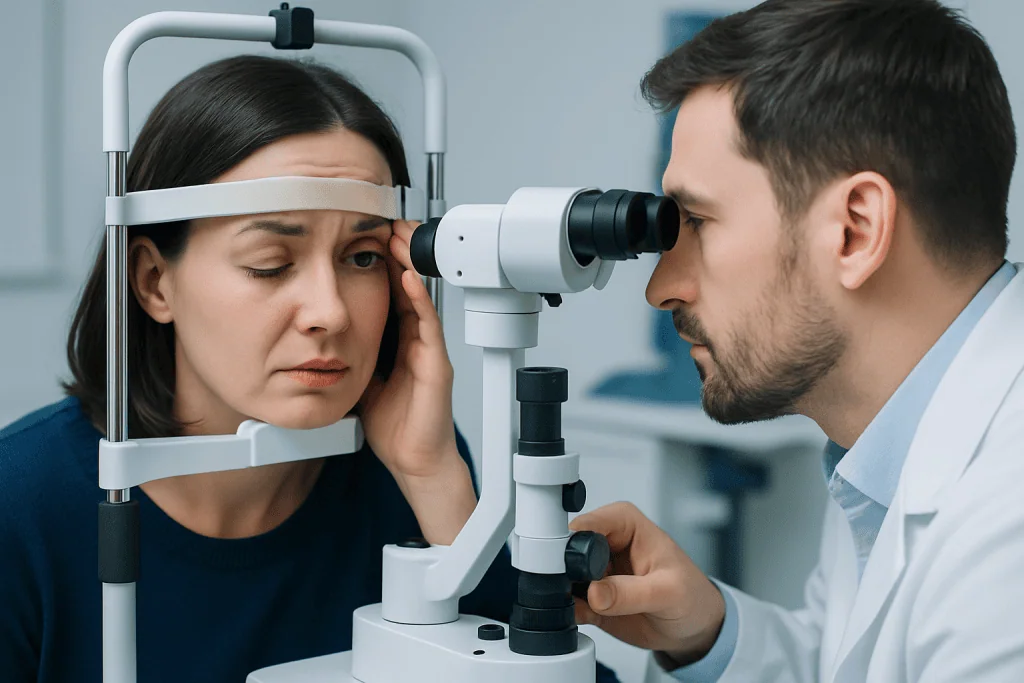
People describe a strained eyelid in different ways. Some notice heaviness or a pulling sensation, while others feel stinging, tenderness, or a sense that the eyelid is working harder than usual. Eye fatigue can also make the area around the eyelids feel uncomfortable, especially at the end of the day.
Symptoms that may occur with a strained eyelid include:
- Heaviness or tiredness in one or both eyelids
- Eyelid twitching or fluttering
- Soreness, tightness, or mild pain around the lid
- Burning, grittiness, or dryness of the eyes
- Increased tearing as a response to dryness
- Light sensitivity
- Blurred vision that improves with blinking or rest
- Redness of the eyelid margin or eye surface
Symptoms may be worse after prolonged near work, poor sleep, stress, or time in air-conditioned environments. If there is thick discharge, significant swelling, fever, new double vision, or a sudden drop in vision, the problem may be more than simple strain and should be assessed promptly.
Why a strained eyelid happens

One of the most common reasons is eye strain from sustained visual tasks. Long periods of screen use reduce blink rate, which can dry the eye surface and make the eyelids feel tired or irritated. Reading in poor light, uncorrected vision problems, and prolonged concentration can also overwork the muscles involved in focusing and blinking.
Dry eye is another frequent cause. When the tear film is unstable, the eyelids rub over a less protected eye surface, causing burning, heaviness, reflex watering, and discomfort. This may overlap with dry eye, especially in older adults, contact lens wearers, and people who spend many hours on digital devices.
Inflammation of the eyelid margins can also lead to a strained feeling. Conditions such as blepharitis may cause crusting, irritation, tenderness, and fluctuating vision. A blocked oil gland or lump such as a chalazion can create localized discomfort and make blinking feel awkward or tiring.
Other triggers include stress, fatigue, excess caffeine, allergies, smoke exposure, cosmetics, and contact lens irritation. In some people, repetitive eyelid twitching is a benign muscle spasm linked to tiredness or stimulant use. More rarely, persistent spasm or drooping can have neurological causes, which is why symptoms that are ongoing or unusual should be medically reviewed.
Risk factors and common triggers
A strained eyelid can affect anyone, but some situations make it more likely. Modern work habits are a major factor, especially when people spend long stretches looking at screens without breaks. Reduced blinking and concentrated visual effort are often enough to trigger symptoms even in otherwise healthy eyes.
Common risk factors include:
- Extended computer, tablet, or phone use
- Dry indoor air, air conditioning, wind, or smoke exposure
- Insufficient sleep or high stress levels
- Contact lens wear, particularly when worn for long hours
- Allergies or sensitivity to makeup and skin products
- Uncorrected refractive errors such as nearsightedness or astigmatism
- Age-related changes in tear production
- Eyelid hygiene problems and inflammatory skin conditions
Some people notice that symptoms are recurrent rather than constant. That pattern can be a clue that one or more triggers are present in the home or work environment. A symptom diary noting screen time, sleep, caffeine, and exposure to irritants can sometimes help identify practical changes that reduce flare-ups.
How doctors evaluate a strained eyelid
Assessment begins with a careful history. A doctor may ask when the symptoms started, whether one or both eyes are affected, what the eyelid feels like, and whether there are associated symptoms such as redness, discharge, headache, twitching, blurred vision, or sensitivity to light. Information about screen habits, medications, contact lens use, and previous eye problems is also useful.
The examination usually includes checking vision, looking at the eyelid skin and lashes, examining the eyelid margins and tear film, and assessing the eye surface for dryness or irritation. The doctor may also look for signs of allergy, infection, inflammation, or an eyelid lump. If symptoms suggest focusing problems or visual fatigue, a refraction test may help identify whether glasses or an updated prescription are needed.
Testing is often simple and noninvasive. If the picture suggests a more complex condition, the person may be referred for a full eye examination or specialist assessment. The main goal is to separate common, manageable causes from less common conditions that need targeted treatment.
Treatment and practical relief options
Treatment depends on the cause. For mild symptoms related to overuse, the first steps are usually rest, regular blinking, screen breaks, and improving sleep. Artificial tears may help if dryness is contributing, while warm compresses can soothe the eyelids and improve oil gland function. If allergy or inflammation is suspected, a doctor may recommend specific eye drops or other treatment.
When eyelid margin disease is present, daily lid hygiene may be advised. This may include gentle cleaning of the eyelid margins and warm compresses to loosen debris and support healthy tear film function. If there is significant dryness, redness, or recurring irritation, a specialist may recommend a broader plan for dry eye treatment.
Visual strain improves when the underlying stress on the eyes is reduced. This may mean adjusting screen height, reducing glare, increasing text size, improving room lighting, or updating glasses. In some cases, treatment focuses on a specific eyelid problem such as a persistent lump or inflamed gland, which can require chalazion treatment or other office-based care.
If an infection, significant inflammation, or another eye condition is found, treatment should be guided by a qualified clinician rather than self-medicating. Near the end of the care pathway, some patients may benefit from specialist review in eye care services; Acibadem International’s multidisciplinary specialists and JCI-accredited hospitals diagnose and treat eye and eyelid conditions for international patients.
Self-care and prevention habits that help
Many episodes of strained eyelid can be reduced by protecting the tear film and lowering visual stress. A simple approach is to blink fully and often, especially during screen use. Scheduled breaks can be very effective: looking away from the screen at regular intervals gives the eye muscles and eyelids a chance to reset.
Helpful self-care steps include:
- Taking regular breaks during reading or screen work
- Consciously blinking more often during concentrated tasks
- Using preservative-free lubricating drops if recommended
- Applying a warm compress for several minutes when lids feel tired
- Getting enough sleep and managing stress
- Limiting excess caffeine if twitching is a problem
- Keeping contact lenses clean and following wear instructions
- Avoiding irritants such as smoke and heavily fragranced eye products
Workstation changes can also help. Positioning the screen slightly below eye level may reduce eye surface exposure and dryness. Humidifying the room, reducing fan or air-conditioning flow toward the face, and making sure glasses are up to date can all improve comfort over time.
When to seek medical care
A strained eyelid often improves within a few days with rest and basic care, but medical advice is important if symptoms are persistent, recurrent, or interfering with daily activities. An eye doctor should assess symptoms that do not improve, especially if they keep returning despite reducing screen use and addressing dryness.
Prompt medical review is recommended if there is moderate to severe pain, noticeable swelling, significant redness, pus-like discharge, fever, worsening light sensitivity, or a new lump that does not settle. Medical attention is also important for eyelid drooping, facial weakness, double vision, or any sudden change in vision.
If there is concern about a broader eye problem, a specialist may evaluate for related conditions affecting the front of the eye or eyelids. In some cases this may overlap with symptoms seen in viral eye infections or other causes of red, irritated eyes, which need proper diagnosis before treatment is started.
Frequently asked questions
Is a strained eyelid the same as an eye infection?
No. A strained eyelid usually describes discomfort, heaviness, twitching, or fatigue rather than a specific infection. Infection is more likely if there is marked redness, swelling, tenderness, or discharge.
Can screen time cause a strained eyelid?
Yes, prolonged screen use is a common trigger. People tend to blink less when concentrating, which can dry the eye surface and make the eyelids feel tired, sore, or twitchy.
How long does a strained eyelid last?
Mild cases often improve within hours to a few days once the eyes are rested and irritation is reduced. If symptoms persist for more than a week, recur often, or are getting worse, a medical review is sensible.
What helps an eyelid that feels strained or tired?
Resting the eyes, taking regular screen breaks, improving sleep, and using warm compresses can help. If dryness is contributing, lubricating eye drops may also improve comfort, but ongoing symptoms should be checked by a clinician.
Is eyelid twitching a sign of something serious?
Usually not. Eyelid twitching is often linked to fatigue, stress, caffeine, or eye irritation and tends to settle on its own. It should be assessed if it is persistent, affects other facial muscles, or comes with drooping or vision changes.
Can dry eye make the eyelid feel strained?
Yes. When the eye surface is dry, blinking can become less comfortable and the eyelids may feel heavy or irritated. Treating the dryness often reduces the strained feeling.
This article is for general information only and is not a substitute for professional medical advice. Please consult a qualified doctor about your individual situation.
Explore treatments in Turkey — costs, top hospitals & a free quote
JCI-accredited · board-certified surgeons · reply within 24h
Add us as a Preferred Source to see more of our trusted health content across Google Search, AI Overviews and Discover.

More from the Health Library

Rhus Toxicodendron — Explained by Medical Evidence, Not Myths
Phleboliths in the Pelvis: A Complete Medical Overview

Macula: An Evidence-Based Guide for Patients

Hypochondriac: What Patients Need to Know

Foot Bath — Explained by Medical Evidence, Not Myths