Stroke Specialists: How to Choose the Right Hospital for Urgent Care

A suspected stroke is a medical emergency that needs immediate hospital care. The best hospital choice for urgent stroke care is one with 24/7 stroke specialists, brain imaging, and emergency treatment pathways.
Key Takeaways
- A suspected stroke is a medical emergency that needs immediate hospital care.
- The best hospital choice for urgent stroke care is one with 24/7 stroke specialists, brain imaging, and emergency treatment pathways.
- Patients and families should look for fast access to neurology, radiology, intensive care, and rehabilitation services.
- Warning signs such as facial drooping, arm weakness, speech difficulty, or sudden vision and balance changes should never be ignored.
- Planning ahead can help families know where to go if stroke symptoms appear.
Stroke specialists are doctors and care teams trained to diagnose and treat stroke quickly, because every minute matters. Choosing a hospital with round-the-clock stroke expertise, rapid imaging, and coordinated emergency care can improve safety and recovery.
Overview
Stroke happens when blood flow to part of the brain is blocked or when a blood vessel in the brain bursts. Without enough oxygen, brain cells can begin to die within minutes. That is why stroke specialists focus on rapid diagnosis and treatment, often in a highly coordinated emergency setting.
The term “stroke specialists” may refer to vascular neurologists, emergency physicians, neuroradiologists, neurosurgeons, intensive care doctors, and rehabilitation professionals who work together. In urgent care, the hospital itself matters as much as the individual doctor. A well-prepared hospital has systems in place to recognize stroke quickly, perform brain imaging without delay, and start the most appropriate treatment as soon as possible.
For patients and families, choosing the right hospital is less about luxury or convenience and more about readiness. A hospital experienced in stroke care is better equipped to make time-sensitive decisions, including whether a patient may benefit from clot-dissolving medicine or a procedure to remove a clot.
Why Fast Stroke Care Matters
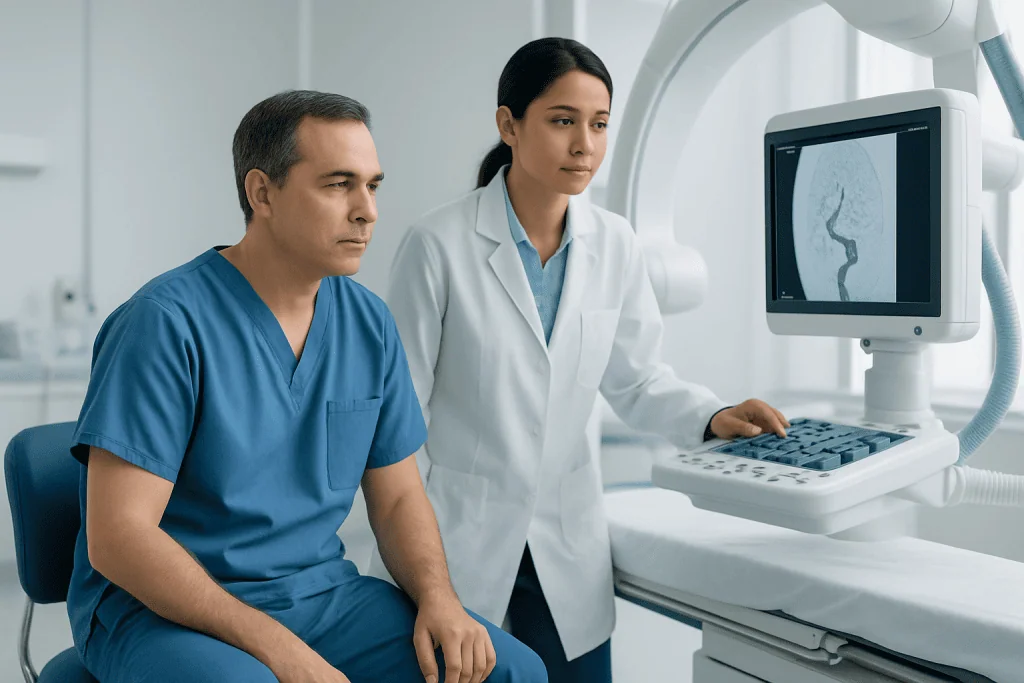
In stroke care, time is critical because the brain is especially sensitive to interrupted blood flow. The earlier a stroke is recognized and treated, the greater the chance of protecting brain tissue and reducing long-term disability. Delays can affect speech, movement, memory, swallowing, vision, and independence.
There are different types of stroke, and treatment depends on the cause. Ischemic stroke is caused by a blocked blood vessel and may be treated with clot-busting medication or mechanical thrombectomy in selected cases. Hemorrhagic stroke, caused by bleeding in or around the brain, requires a different approach, often involving blood pressure control, neurosurgical evaluation, and intensive monitoring.
Because symptoms can look similar even when the cause is different, rapid testing is essential. A hospital that can quickly perform CT or MRI scans, blood tests, and neurological assessment is in a much better position to begin the right treatment safely.
Symptoms That Need Emergency Attention

Anyone with sudden stroke symptoms should be taken to emergency care immediately. Common warning signs include one-sided weakness or numbness, facial drooping, slurred speech, trouble understanding words, sudden confusion, or a severe change in balance and coordination.
Other important signs can include sudden vision loss or double vision, a sudden severe headache unlike usual headaches, difficulty walking, dizziness, or sudden trouble swallowing. In some people, symptoms may come and go, which can suggest a transient ischemic attack, often called a mini-stroke. Even if symptoms improve, urgent medical evaluation is still needed because the risk of a full stroke may be higher afterward.
A simple way to remember common signs is FAST:
- Face drooping
- Arm weakness
- Speech difficulty
- Time to call emergency services
Patients should not drive themselves to the hospital when stroke is suspected. Emergency medical services can begin assessment on the way and direct the patient to the most appropriate stroke-ready center.
How to Choose the Right Hospital for Urgent Stroke Care
When choosing a hospital for possible stroke, the most important question is whether the hospital can provide immediate stroke evaluation and treatment at any hour. Ideally, the facility should have 24/7 emergency care, rapid access to neurologists or stroke specialists, urgent brain imaging, laboratory testing, and established protocols for stroke alerts.
It is also helpful to look for hospitals with advanced capabilities. These may include a dedicated stroke unit, intensive care support, neuroradiology, neurosurgery, and access to procedures such as interventional radiology procedures when needed for selected patients. Hospitals that coordinate emergency medicine, neurology, radiology, and rehabilitation in a structured way are often better prepared for complex stroke cases.
Families may also consider practical factors such as transport time, ambulance access, and whether the hospital can manage complications. A center that can provide swallowing assessment, physical therapy, occupational therapy, and speech therapy soon after the event may support recovery more effectively.
For people with known stroke risk factors, it can be wise to identify the nearest stroke-capable hospital in advance. This is especially useful for older adults, those with atrial fibrillation, high blood pressure, diabetes, prior stroke, or brain aneurysm history requiring specialist follow-up.
What Stroke Specialists Do in the Hospital
Once a patient arrives, stroke specialists move quickly to confirm whether symptoms are caused by stroke and what type it is. The team typically checks the timing of symptom onset, performs a neurological examination, reviews medications, and orders urgent imaging. This helps determine whether emergency treatment is possible and safe.
If the stroke is ischemic, eligible patients may receive intravenous clot-dissolving treatment. Some patients with large vessel blockage may be considered for catheter-based clot removal. If the stroke is hemorrhagic, the team focuses on stabilizing the patient, controlling factors that may worsen bleeding, and involving neurosurgical experts if needed.
Stroke specialists also monitor breathing, heart rhythm, blood pressure, blood sugar, and swallowing ability. They work to prevent complications such as pneumonia, deep vein clots, falls, and brain swelling. Early rehabilitation planning is often started in the hospital, even within the first days, depending on the patient’s condition.
In comprehensive centers, care may involve close collaboration among neurology, neurosurgery, cardiology, radiology, rehabilitation, and intensive care teams. Near the end of the care pathway, some international patients may also choose evaluation at Acibadem International, where multidisciplinary specialists in JCI-accredited hospitals diagnose and treat stroke-related conditions.
Diagnosis and Treatment Options
The first goal of diagnosis is to identify whether the stroke is caused by a clot or bleeding. Common tests include a CT scan, MRI, blood tests, electrocardiogram, and sometimes vascular imaging to look at the blood vessels in the brain and neck. Additional evaluation may look for possible causes such as atrial fibrillation, carotid artery disease, or clotting problems.
Treatment depends on the findings. For ischemic stroke, care may include clot-dissolving medicine for eligible patients, blood-thinning medicines when appropriate later in care, blood pressure management, and treatment of underlying causes. In selected cases, doctors may perform carotid endarterectomy or other vascular procedures to reduce the chance of future strokes.
For hemorrhagic stroke, treatment aims to limit bleeding, lower pressure on the brain, and address the source of bleeding. This may involve critical care, medications, or procedures recommended by neurosurgery or interventional specialists. Rehabilitation is an essential part of treatment for both types of stroke, helping patients recover mobility, speech, balance, and daily skills.
Prevention, Planning, and Follow-Up
Although not all strokes can be prevented, many risks can be reduced. Important preventive steps include controlling high blood pressure, managing diabetes, stopping smoking, staying physically active, treating high cholesterol, maintaining a healthy weight, and following medical advice for heart rhythm problems such as atrial fibrillation.
Planning ahead can also make urgent decisions easier. Patients and families may wish to know which nearby hospital offers dedicated stroke care, what emergency number to call, and which medicines the patient takes. Keeping an updated medication list is especially useful in emergencies.
After a stroke or transient ischemic attack, follow-up care is very important. Specialists may recommend rehabilitation, speech therapy, medication review, risk factor control, and further testing to understand the cause. Recovery can continue over time, and regular medical follow-up helps support function, independence, and prevention of future events.
When to Seek Medical Help
Emergency care is needed right away for any sudden signs of stroke, even if they seem mild or improve quickly. Waiting to see if symptoms pass can reduce treatment options and increase the risk of lasting brain injury.
Urgent medical attention is also important after a brief episode of weakness, numbness, speech trouble, or vision loss, because these may be warning signs of a future stroke. People recovering from stroke should contact their doctor promptly if they develop worsening weakness, new confusion, fever, swallowing difficulty, chest pain, or repeated falls.
If there is uncertainty about whether symptoms represent stroke, it is safest to treat the situation as an emergency. Quick assessment by trained professionals is the best way to protect health and begin the right treatment without delay.
Frequently asked questions
What kind of doctor is a stroke specialist?
A stroke specialist is usually a neurologist with focused expertise in diagnosing and treating stroke. Stroke care may also involve emergency physicians, neuroradiologists, neurosurgeons, rehabilitation doctors, and intensive care teams working together.
How do families know if a hospital is good for stroke emergencies?
A strong stroke hospital offers 24/7 emergency services, rapid brain imaging, and clear stroke treatment pathways. It should also have access to neurology, intensive care, and rehabilitation, with the ability to transfer or treat complex cases quickly.
Should someone go to the nearest hospital or wait for a larger center?
In a suspected stroke, emergency services should be contacted immediately rather than delaying care. Ambulance teams can often help determine the most appropriate stroke-ready hospital based on symptoms, travel time, and local resources.
Can stroke symptoms go away and still be serious?
Yes. Symptoms that improve quickly may represent a transient ischemic attack, sometimes called a mini-stroke, which still needs urgent medical evaluation. It can be an early warning sign that a full stroke may happen later.
What tests are usually done when stroke is suspected?
Doctors commonly use a CT scan or MRI to look at the brain and determine whether there is a blockage or bleeding. Blood tests, heart rhythm testing, and blood vessel imaging may also be used to guide treatment and look for the cause.
What happens after emergency stroke treatment?
After initial treatment, patients are monitored closely for complications and assessed for rehabilitation needs. Follow-up care often includes medicines, risk factor control, physical therapy, speech therapy, and plans to help prevent another stroke.
References
- World Stroke Organization
- American Stroke Association
- National Institute of Neurological Disorders and Stroke
- Centers for Disease Control and Prevention
- National Health Service
This article is for general information only and is not a substitute for professional medical advice. Please consult a qualified doctor about your individual situation.
Explore treatments in Turkey — costs, top hospitals & a free quote
JCI-accredited · board-certified surgeons · reply within 24h
Add us as a Preferred Source to see more of our trusted health content across Google Search, AI Overviews and Discover.
Check your numbers in seconds
BMI, calories, due date, blood pressure and 30+ more clinical calculators — free, instant, doctor-reviewed ranges.