Testicular Torsion: Sudden Testicular Pain and Emergency Care
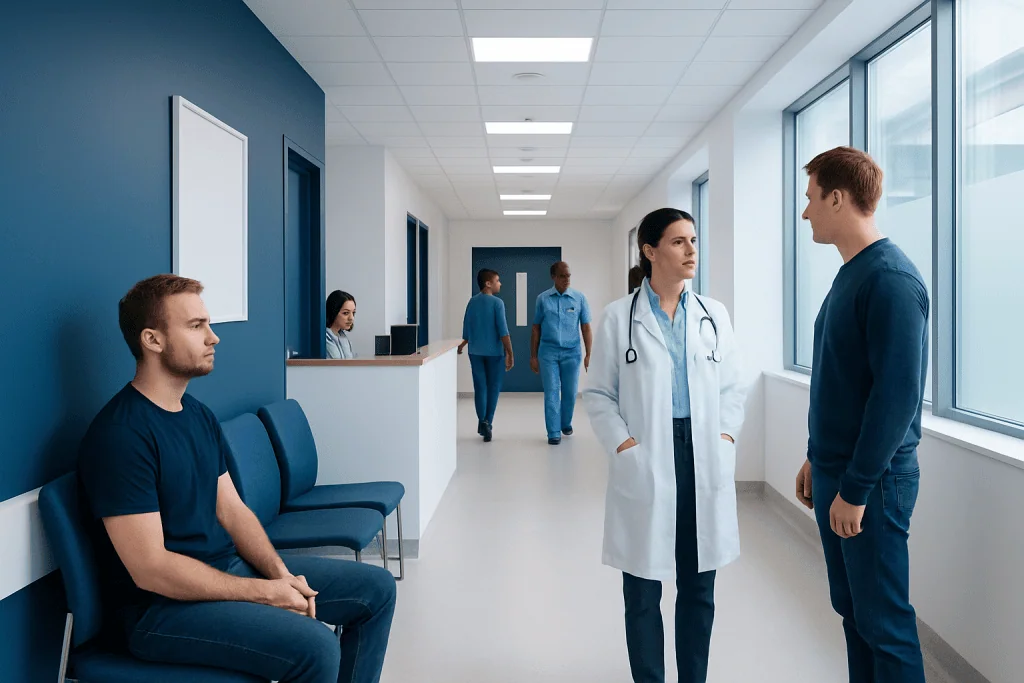
Testicular torsion occurs when the spermatic cord twists, reducing blood flow to the testicle. The most common symptom is sudden, often severe pain on one side of the scrotum, sometimes with nausea or vomiting.
Key Takeaways
- Testicular torsion occurs when the spermatic cord twists, reducing blood flow to the testicle.
- The most common symptom is sudden, often severe pain on one side of the scrotum, sometimes with nausea or vomiting.
- Emergency evaluation is essential; treatment should not be delayed to see if the pain improves.
- Surgery is usually needed to untwist and secure the testicle, and the other testicle is commonly fixed at the same time.
- Prompt care offers the best chance of preserving testicular function and reducing complications.
Testicular torsion is a time-sensitive medical emergency in which a testicle twists and its blood supply is reduced. Sudden testicular pain, swelling, nausea, or a high-riding testicle should be assessed urgently by a qualified doctor.
Overview
Testicular torsion is a medical emergency that occurs when a testicle rotates inside the scrotum and twists the spermatic cord. The spermatic cord contains blood vessels that supply the testicle. When it becomes twisted, blood flow can be reduced or blocked, which may quickly injure testicular tissue if treatment is delayed.
This condition most often affects adolescents and young men, but it can happen at any age, including in newborns and adults. It usually affects one testicle. The pain often begins suddenly and may occur during activity, after minor trauma, or while resting or sleeping.
Testicular torsion is different from many other causes of scrotal discomfort because it is time-sensitive. A person with sudden testicular pain should not wait for an appointment days later or try to manage the pain only with rest or pain medicine. Rapid assessment in an emergency setting allows doctors to confirm the likely cause and begin the right treatment as soon as possible.
Symptoms
The classic symptom of testicular torsion is sudden pain in one testicle or one side of the scrotum. The pain may be severe from the start or may worsen quickly. Some people describe lower abdominal or groin pain before they notice scrotal pain, especially younger boys who may have difficulty explaining where the pain is located.
Other symptoms may include swelling, redness or darkening of the scrotal skin, nausea, vomiting, and difficulty walking because of pain. The affected testicle may sit higher than usual or at an unusual angle. Fever is not the main feature of torsion, but it can occur in some cases or with other conditions that mimic torsion.
Symptoms that may suggest testicular torsion include:
- Sudden one-sided testicular or scrotal pain
- Scrotal swelling or tenderness
- Nausea, vomiting, or sweating with the pain
- A testicle that appears higher, tilted, or in a different position
- Pain that comes and goes, which may indicate intermittent torsion
Pain that improves on its own does not always mean the problem has resolved safely. In intermittent torsion, the testicle may twist and untwist, causing repeated episodes of sudden pain. This still requires medical evaluation because a future episode may not untwist on its own.
Causes and Risk Factors
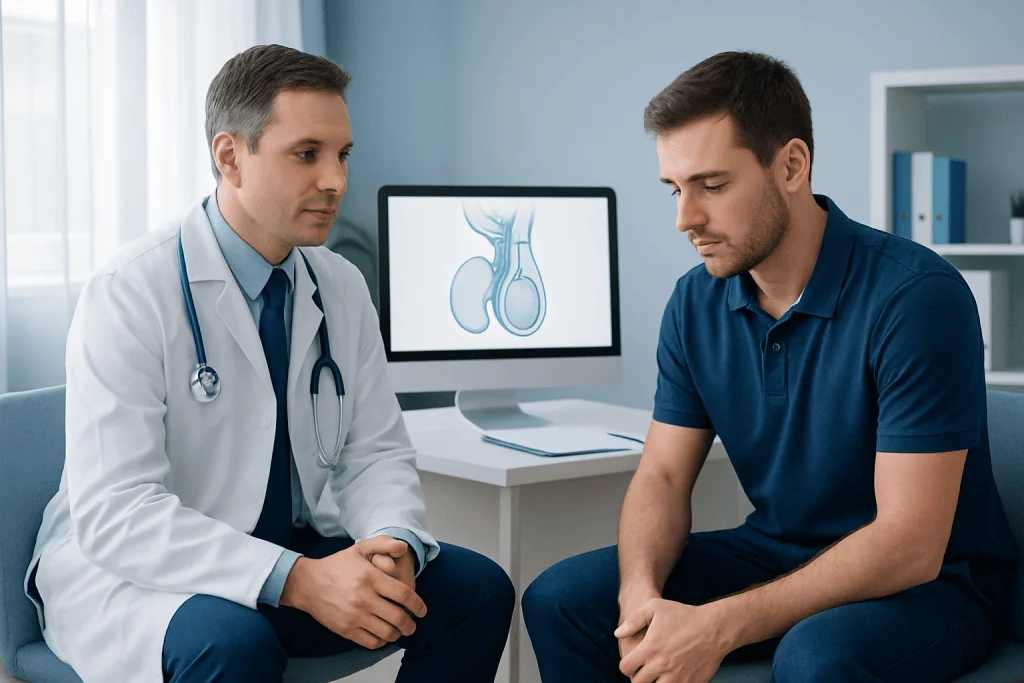
Testicular torsion usually happens because the testicle is able to move more freely than usual within the scrotum. In many cases, this is related to an anatomical variation often called a bell clapper deformity, in which the testicle lacks normal fixation to the surrounding tissue. This allows it to rotate and twist the spermatic cord.
The condition is not usually caused by anything the person did wrong. It can occur during sports, after minor injury, during rapid growth in puberty, or while sleeping. Cold weather and vigorous activity have been associated with episodes in some patients, but torsion can occur without a clear trigger.
Risk factors include adolescence, a history of previous episodes of sudden testicular pain, an undescended testicle, and a family history of testicular torsion. Newborns can also develop torsion before or shortly after birth, although the presentation and treatment decisions may differ from those in older children and adults.
Because testicular torsion can resemble other conditions such as epididymitis, orchitis, inguinal hernia, kidney stone pain, or trauma-related injury, a doctor should assess sudden scrotal pain rather than relying on symptoms alone. Early evaluation helps separate urgent surgical problems from infections or other causes that require different treatment.
Diagnosis
Diagnosis begins with the medical history and physical examination. The doctor will ask when the pain began, how quickly it developed, whether nausea or vomiting occurred, whether there was trauma, and whether similar episodes happened before. A careful examination of the scrotum, abdomen, and groin helps identify signs that point toward torsion or another cause.
Color Doppler ultrasound is commonly used to evaluate blood flow to the testicle. Reduced or absent blood flow supports the diagnosis of torsion, while increased blood flow may suggest inflammation or infection. However, if the clinical suspicion for torsion is high, urgent surgical exploration may be recommended without waiting for imaging, because delays can reduce the chance of saving the testicle.
Urine tests or blood tests may be ordered when infection, kidney stones, or other conditions are being considered. These tests can be helpful, but they do not replace urgent clinical judgment. In emergency care, the priority is to identify whether blood flow to the testicle is threatened and whether immediate surgery is needed.
Treatment Options
The main treatment for testicular torsion is urgent surgery. During the operation, the surgeon untwists the spermatic cord and checks whether the testicle has regained healthy blood flow. If the tissue appears viable, the testicle is secured to the inside of the scrotum in a procedure called orchiopexy, which helps prevent torsion from happening again.
Surgeons usually secure the other testicle during the same operation, even if it has not twisted. This is because the anatomical tendency that allows torsion may be present on both sides. Fixing both testicles reduces the risk of a future torsion episode on the opposite side.
In some cases, if blood flow has been absent for too long and the testicle is no longer viable, removal of the affected testicle may be necessary. Doctors discuss this carefully with the patient or family when it applies. Many people with one healthy testicle can still produce testosterone and sperm, but follow-up is important to address fertility questions, hormone concerns, body image, and emotional wellbeing.
Manual detorsion, in which a doctor attempts to untwist the testicle by hand, may occasionally be used as a temporary emergency measure if surgery is not immediately available. It should only be performed by trained clinicians and does not replace surgery, because the testicle still needs to be secured to prevent recurrence.
Recovery, Fertility, and Follow-up
Recovery after surgery depends on the person’s age, the severity of torsion, and whether the testicle was preserved or removed. Most patients receive pain control guidance, wound care instructions, and advice about limiting strenuous activity, sports, and heavy lifting for a period recommended by the surgeon. Follow-up visits allow the care team to check healing and answer questions.
If the testicle was saved, doctors may monitor it over time because some shrinkage or reduced function can occur after a torsion event. If one testicle was removed, the remaining testicle often provides enough hormone production for normal male development and sexual function. Fertility is individual, and a urologist may recommend semen analysis later if there are concerns, especially for adults or those planning a family.
The emotional impact of sudden emergency surgery should not be overlooked. Teenagers and adults may feel anxious, embarrassed, or worried about masculinity, sexual function, or fertility. Clear communication, privacy, and supportive follow-up can help patients and families understand what happened and what to expect next.
Prevention and Self-care
There is no reliable way to prevent testicular torsion before it happens when a person has an underlying anatomical risk. Wearing protective gear during contact sports can reduce injury, but it does not fully prevent torsion. The most important protective action is recognizing sudden testicular pain as urgent and seeking care immediately.
People who have had intermittent episodes of testicular pain should tell a doctor, even if the pain stopped. Elective surgical fixation may be considered in selected cases when intermittent torsion is suspected. This decision is made with a urologist after reviewing the history, examination, and imaging findings if available.
Self-care should not involve trying to twist or manipulate the testicle at home. Pain medicine, ice, or rest may temporarily reduce discomfort but should not delay emergency evaluation. Parents and caregivers can help by teaching boys and teenagers that testicular pain is a medical issue that should be reported promptly, not a source of embarrassment.
When to See a Doctor
Any sudden, moderate to severe, or unexplained testicular pain should be treated as an emergency. A person should go to the nearest emergency department or call local emergency services if pain begins suddenly, if the scrotum becomes swollen, if nausea or vomiting occurs with testicular pain, or if the testicle appears higher or positioned differently than usual.
It is also important to seek urgent care when pain comes and goes, because intermittent torsion can precede a more prolonged torsion episode. Delaying care to see whether symptoms improve can make treatment more difficult. Emergency doctors and urologists are trained to evaluate these symptoms respectfully and quickly.
For international patients who need assessment or follow-up care, Acibadem International’s multidisciplinary specialists and JCI-accredited hospitals diagnose and treat urgent urological conditions, including testicular torsion. The key step in any setting is prompt evaluation by qualified medical professionals.
Frequently asked questions
Is testicular torsion always very painful?
Testicular torsion usually causes sudden and significant pain, but the intensity can vary, especially in younger children or in intermittent torsion. Some patients first notice groin or lower abdominal pain. Any sudden or unexplained testicular pain should be checked urgently.
Can testicular torsion go away on its own?
Sometimes the testicle may untwist temporarily, causing the pain to improve. This is called intermittent torsion and still needs medical evaluation because it can happen again. A future episode may not resolve on its own and may require emergency surgery.
How is testicular torsion different from an infection?
Both torsion and infection can cause scrotal pain and swelling, so it is not always possible to tell the difference without a medical examination. Infection may be associated with urinary symptoms or fever, while torsion often starts suddenly and may cause nausea or a high-riding testicle. Because torsion is time-sensitive, doctors evaluate sudden scrotal pain urgently.
Will surgery for testicular torsion affect fertility?
Many patients maintain normal hormone function and fertility, especially when treatment is prompt and the other testicle is healthy. If one testicle is removed, the remaining testicle often compensates. A urologist can discuss individual fertility concerns and may recommend follow-up testing when appropriate.
Can adults get testicular torsion?
Yes. Although testicular torsion is more common in adolescents and young men, adults can develop it too. Sudden testicular pain in an adult should be assessed urgently for the same reason: blood flow to the testicle may be at risk.
Should someone try to untwist the testicle at home?
No. Manipulating the testicle at home can worsen pain or delay proper treatment. Manual detorsion, when considered, should only be attempted by trained medical professionals and is not a substitute for surgery.
References
- American Urological Association
- European Association of Urology
- Mayo Clinic
- Cleveland Clinic
- Merck Manual Professional Edition
This article is for general information only and is not a substitute for professional medical advice. Please consult a qualified doctor about your individual situation.
Testicular Torsion in Turkey — costs, top hospitals & a free quote
JCI-accredited · board-certified surgeons · reply within 24h
Add us as a Preferred Source to see more of our trusted health content across Google Search, AI Overviews and Discover.