The 10 Most Recognized Neurodegenerative Diseases and How They Differ
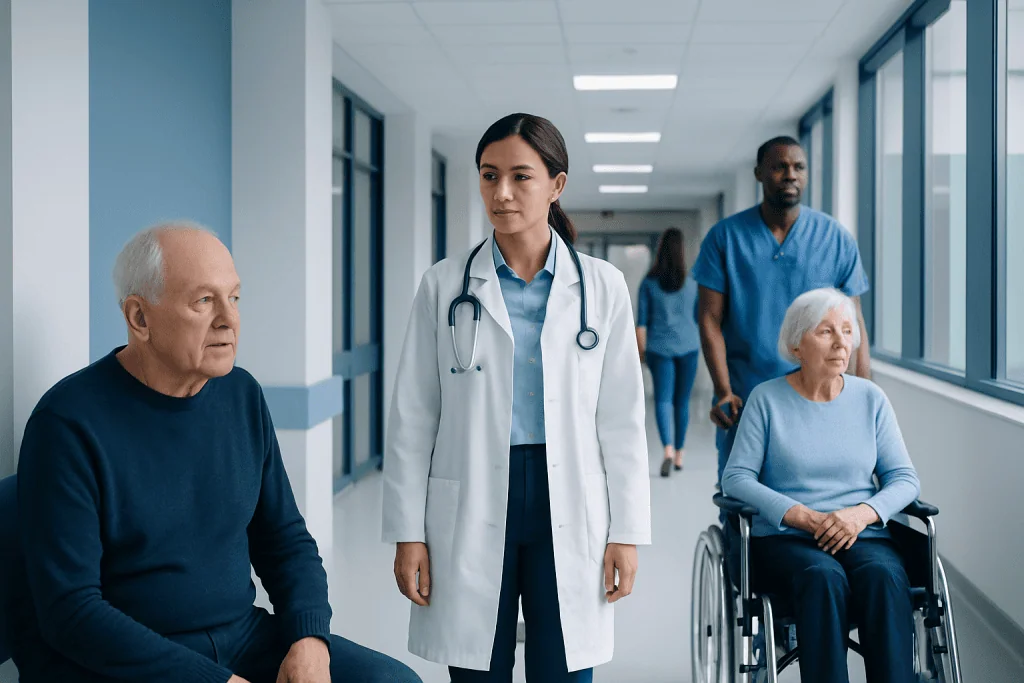
Neurodegenerative diseases are not one illness but a group of disorders with different causes, symptoms, and patterns of progression. Some mainly affect memory and thinking, while others primarily affect movement, balance, speech, or muscle strength.
Key Takeaways
- Neurodegenerative diseases are not one illness but a group of disorders with different causes, symptoms, and patterns of progression.
- Some mainly affect memory and thinking, while others primarily affect movement, balance, speech, or muscle strength.
- Early diagnosis helps guide treatment, rehabilitation, safety planning, and support for patients and families.
- There is often no single cure, but medicines, therapy, lifestyle measures, and specialist care can improve quality of life.
- A careful medical history, neurological examination, brain imaging, and sometimes genetic or laboratory tests help distinguish these conditions.
Neurodegenerative diseases are conditions in which nerve cells in the brain, spinal cord, or peripheral nervous system gradually lose function over time. Although they can share symptoms such as memory change, movement difficulty, or weakness, the 10 most recognized disorders differ in the parts of the nervous system they affect, how they begin, and how they are managed.
Overview: what neurodegenerative diseases are
Neurodegenerative diseases are long-term disorders in which neurons, the cells that carry signals through the brain and nervous system, gradually become damaged or die. Because different areas of the nervous system control different functions, symptoms depend on where the degeneration occurs. Some conditions mainly affect memory, language, and judgment, while others interfere more with movement, coordination, swallowing, or muscle strength.
These disorders are more common with aging, but they are not all the same and they are not an inevitable part of getting older. They may be influenced by a combination of age, genetics, environmental exposures, and changes in abnormal proteins within the nervous system. In some families, inherited gene changes play a stronger role; in many others, no single cause is identified.
The phrase “10 most recognized neurodegenerative diseases” usually refers to well-known conditions that affect thinking, movement, or both. Understanding how they differ can help patients and families know what symptoms to watch for, what tests may be needed, and what types of treatment and support may be helpful.
The 10 most recognized neurodegenerative diseases and how they differ
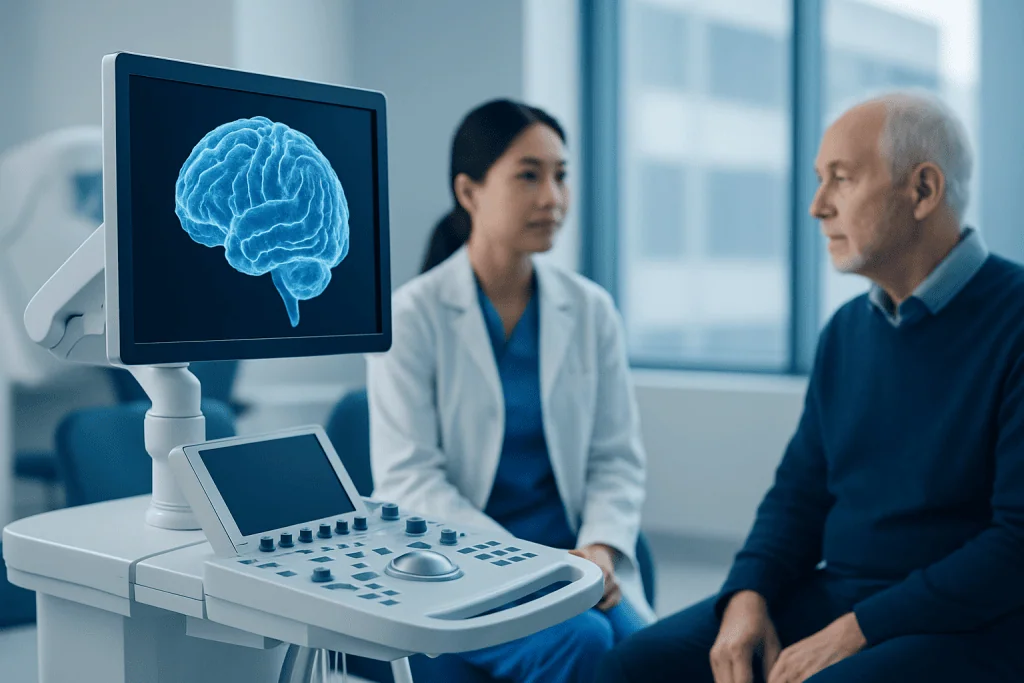
1. Alzheimer’s disease is the most recognized cause of dementia. It mainly affects memory, learning, orientation, and later language and daily functioning. It often begins gradually with forgetfulness and progresses over years. 2. Parkinson’s disease primarily affects movement, causing slowness, stiffness, tremor, and balance problems, though some people later develop cognitive changes as well.
3. Huntington’s disease is an inherited condition that can cause involuntary movements, mood and behavioral changes, and cognitive decline, often beginning in midlife. 4. Amyotrophic lateral sclerosis (ALS), also called motor neuron disease in many settings, mainly affects the nerve cells that control voluntary muscles, leading to weakness, muscle wasting, and difficulty speaking, swallowing, or breathing.
5. Lewy body dementia combines changes in thinking with fluctuations in alertness, visual hallucinations, and Parkinson-like movement symptoms. 6. Frontotemporal dementia often begins with personality, behavior, language, or social conduct changes rather than memory loss. 7. Multiple system atrophy is a rare disorder that can cause Parkinson-like movement problems together with autonomic symptoms such as low blood pressure, bladder dysfunction, and sleep-related symptoms.
8. Progressive supranuclear palsy commonly causes balance problems, falls, stiffness, slowed movement, and difficulty moving the eyes, especially up and down. 9. Corticobasal degeneration may lead to marked stiffness or clumsiness on one side, difficulty using a limb, and cognitive or language changes. 10. Spinocerebellar ataxias are a group of often inherited disorders that mainly affect coordination, balance, speech, and eye movements. Some specialists also discuss related conditions such as Alzheimer’s disease and Parkinson’s disease separately because they are so common and clinically distinct.
Symptoms: when signs overlap and when they stand apart
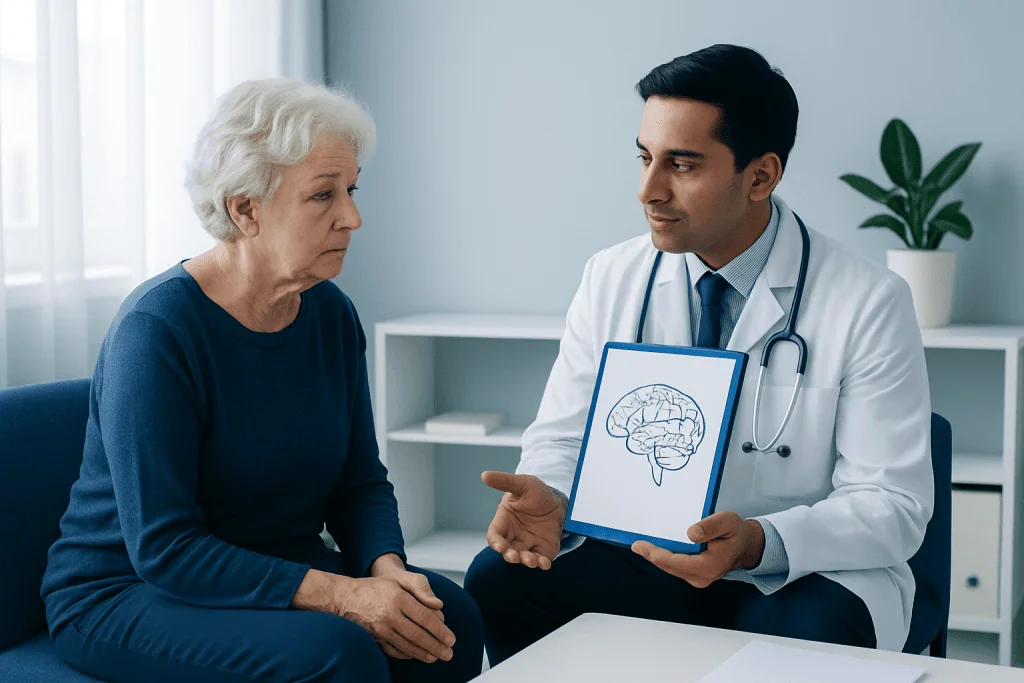
Many neurodegenerative diseases can begin subtly. Early symptoms may include memory loss, slower thinking, changes in judgment, tremor, stiffness, clumsiness, weakness, speech difficulty, swallowing problems, falls, or changes in mood and behavior. Families may first notice that a person is repeating questions, moving more slowly, becoming less expressive, struggling with work tasks, or having trouble with balance or handwriting.
Even though there is overlap, the pattern of symptoms often gives important clues. Memory-predominant decline is more typical of Alzheimer’s disease. Tremor, slowness, and rigidity point more toward Parkinson’s disease. Visual hallucinations and fluctuating attention can suggest Lewy body dementia. Early personality change or language problems can suggest frontotemporal dementia. Progressive weakness without major sensory loss may raise concern for ALS.
Doctors also look at how symptoms evolve over time. Conditions affecting the cerebellum, such as spinocerebellar ataxias, tend to cause unsteady walking, poor coordination, and slurred speech. Disorders such as progressive supranuclear palsy may cause early falls and eye movement difficulty. Multiple system atrophy often stands out because movement symptoms appear alongside faintness on standing, bladder problems, or sexual dysfunction due to autonomic nervous system involvement.
- Cognitive symptoms: memory loss, confusion, language difficulty, poor planning
- Movement symptoms: tremor, rigidity, slowed movement, involuntary movements
- Balance and coordination symptoms: falls, unsteady walking, clumsiness
- Neuromuscular symptoms: weakness, muscle wasting, cramps, swallowing difficulty
- Behavioral symptoms: apathy, irritability, disinhibition, depression, anxiety
Causes and risk factors
The exact causes of many neurodegenerative diseases are still being studied. A common theme is the buildup or misfolding of abnormal proteins in or around nerve cells. Examples include beta-amyloid and tau in Alzheimer’s disease, alpha-synuclein in Parkinson’s disease and Lewy body dementia, and abnormal huntingtin protein in Huntington’s disease. These protein changes can interfere with normal cell function and eventually lead to cell death.
Age is one of the strongest risk factors for many of these conditions, especially Alzheimer’s disease, Parkinson’s disease, and Lewy body dementia. However, age alone does not explain everything. Family history may raise risk, and in some disorders such as Huntington’s disease and certain spinocerebellar ataxias, a clear inherited mutation is the main cause. Rarely, younger adults can also be affected.
Other possible influences include head injury, vascular risk factors, toxin exposure, and broader biological processes such as inflammation, oxidative stress, or mitochondrial dysfunction. Still, for most patients, there is no single behavior or event that can be blamed. This is why a careful assessment is important, especially when symptoms develop earlier than expected or when several relatives have similar neurological problems.
How doctors diagnose and distinguish these conditions
Diagnosis usually begins with a detailed medical history and neurological examination. The doctor asks about memory, behavior, movement, balance, speech, swallowing, sleep, mood, and family history. Because symptoms can overlap, the timing and combination of features are often as important as the symptoms themselves. Input from family members can be very valuable, especially when changes are gradual.
Common tests may include blood work to look for treatable causes of symptoms, cognitive testing, and brain imaging such as MRI. Depending on the situation, additional studies may include PET imaging, nerve and muscle tests, autonomic testing, sleep studies, spinal fluid analysis, or genetic testing. These tests do not always provide a simple yes-or-no answer, but together they help narrow the diagnosis and rule out other conditions.
Distinguishing one disorder from another matters because treatment plans, rehabilitation needs, prognosis, and counseling can differ significantly. A person with suspected Parkinson’s disease may benefit from a movement disorder specialist and medication response assessment, while someone with progressive weakness may need urgent evaluation for ALS. When necessary, doctors may refer patients for neurological rehabilitation or further evaluation through brain MRI and related neurological testing.
Treatment options and supportive care
Most neurodegenerative diseases do not yet have a cure, but treatment can still make a meaningful difference. The goals are to reduce symptoms, maintain function, support independence, prevent complications, and improve quality of life. Treatment is usually individualized because the main challenges vary widely from one condition to another.
Medication may help specific symptoms. Some drugs support memory and thinking in certain dementias. Dopamine-related medicines can improve slowness and stiffness in Parkinson’s disease, though they are not equally effective in every Parkinson-like disorder. Other medicines may be used for mood symptoms, sleep disturbance, muscle stiffness, drooling, bladder symptoms, or troublesome movements. In some carefully selected patients with Parkinson’s disease, advanced therapies such as deep brain stimulation may be considered.
Non-drug treatment is often just as important. Physical therapy can support mobility, flexibility, and fall prevention. Occupational therapy can help with daily tasks and home safety. Speech and language therapy may address communication and swallowing problems. Nutritional guidance, respiratory care, assistive devices, and structured routines can also be valuable, especially in more advanced disease.
Care often works best with a multidisciplinary team that may include neurologists, geriatricians, physiatrists, speech therapists, psychologists, dietitians, and social workers. Near the end of the care journey, discussions about long-term planning, driving, home support, and advance care preferences can help families feel more prepared. Acibadem International’s multidisciplinary specialists in JCI-accredited hospitals also diagnose and treat neurodegenerative conditions for international patients when specialist evaluation is needed.
Prevention, self-care, and living well
Not all neurodegenerative diseases can be prevented, especially those strongly linked to inherited genes. However, overall brain and vascular health may influence risk and resilience. General measures that support long-term neurological health include regular physical activity, good sleep, a balanced diet, blood pressure and diabetes control, smoking avoidance, and staying socially and mentally engaged.
For people already diagnosed, self-care focuses on safety, function, and quality of life. Helpful steps may include keeping a regular medication schedule, removing trip hazards at home, using mobility aids when recommended, eating meals that are easier to chew or swallow, and seeking support early for mood or sleep problems. Caregivers also benefit from education and respite, because these conditions often affect the whole family.
It is important to remember that progression varies. Some people live for many years with relatively gradual change, while others experience faster decline in certain functions. Follow-up with a neurology team helps adjust treatment over time, monitor for complications, and connect patients with services such as rehabilitation, counseling, or palliative support when needed.
When to see a doctor
A medical evaluation is appropriate when memory, behavior, movement, speech, or balance changes begin to interfere with daily life or differ from a person’s usual functioning. Early assessment is especially important if symptoms are progressive, if falls or swallowing problems are developing, or if there is new weakness. Prompt evaluation can identify treatable contributors and help patients access the right supportive care sooner.
Urgent medical attention is needed if there is sudden confusion, sudden weakness, new facial drooping, acute speech difficulty, a severe sudden headache, or a rapid decline over hours to days, because these symptoms may have causes other than a neurodegenerative disease, such as stroke or infection. Breathing difficulty, choking, repeated falls with injury, or severe dehydration also require timely care.
Families should not hesitate to seek help if they are concerned, even when symptoms seem mild. A specialist can determine whether changes are more consistent with normal aging, a treatable condition, or a progressive neurological disorder. Early guidance often helps with planning, symptom control, and preserving independence for as long as possible.
Frequently asked questions
What is the difference between dementia and a neurodegenerative disease?
Dementia is a clinical syndrome that affects memory, thinking, and daily functioning. A neurodegenerative disease is one possible underlying cause of dementia, but some neurodegenerative diseases mainly affect movement or muscle strength rather than cognition.
Are all neurodegenerative diseases inherited?
No. Some, such as Huntington’s disease and certain spinocerebellar ataxias, are strongly genetic. Many others result from a complex mix of age, biology, environment, and sometimes family tendency rather than a single inherited mutation.
Can neurodegenerative diseases be cured?
Most currently cannot be cured, but many symptoms can be treated and supported. Medicines, rehabilitation, speech therapy, nutrition support, and safety planning can all help people maintain function and quality of life.
How do doctors tell Parkinson’s disease apart from similar disorders?
Doctors look at the exact symptom pattern, progression over time, medication response, and findings on examination. Features such as early falls, eye movement problems, marked autonomic symptoms, or poor response to standard Parkinson’s medication may suggest a different Parkinson-like disorder.
Does memory loss always mean Alzheimer’s disease?
No. Memory loss can have many causes, including stress, sleep problems, medication effects, depression, vitamin deficiencies, thyroid disease, and several different dementias. A proper evaluation is needed to understand the reason and identify any treatable contributors.
When should a family seek specialist care?
Specialist assessment is helpful when symptoms are progressing, the diagnosis is unclear, or movement, speech, swallowing, or behavior changes are affecting safety and daily life. Early referral can also help with rehabilitation, genetic counseling when appropriate, and long-term care planning.
References
- World Health Organization
- National Institute on Aging
- National Institute of Neurological Disorders and Stroke
- Alzheimer's Association
- Parkinson's Foundation
This article is for general information only and is not a substitute for professional medical advice. Please consult a qualified doctor about your individual situation.
Neurodegenerative Diseases in Turkey — costs, top hospitals & a free quote
JCI-accredited · board-certified surgeons · reply within 24h
Add us as a Preferred Source to see more of our trusted health content across Google Search, AI Overviews and Discover.
Check your numbers in seconds
BMI, calories, due date, blood pressure and 30+ more clinical calculators — free, instant, doctor-reviewed ranges.

Physical Medicine & Rehabilitation
Restoring movement and function after injury, surgery or neurological conditions.
150 specialists in this unitMore from the Health Library



Related Specialists
Prof. Dr. Arel Gereli
Orthopedic Surgery & Traumatology
Fzt. Necla Aleyna Yiğit
Physical Medicine & Rehabilitation
Dr. Ömer Al
Emergency Service
Dr. Bülent Özmen
Orthopedic Surgery & Traumatology