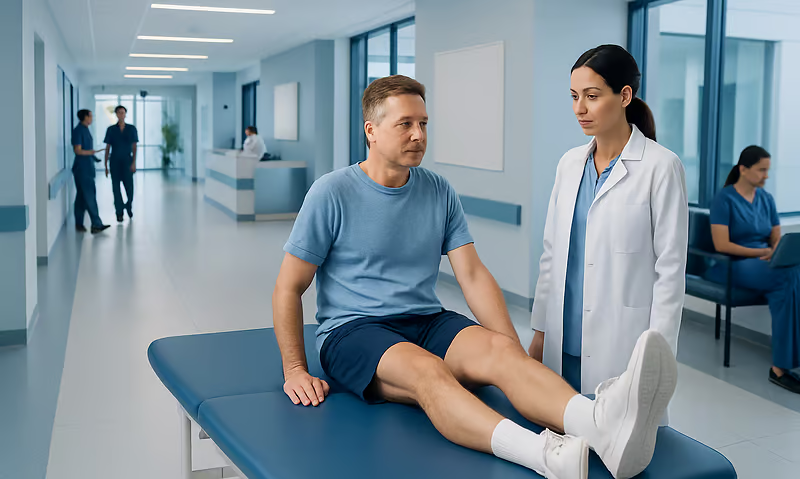
Therapy Knee Injury: Symptoms, Causes, and Treatment Options
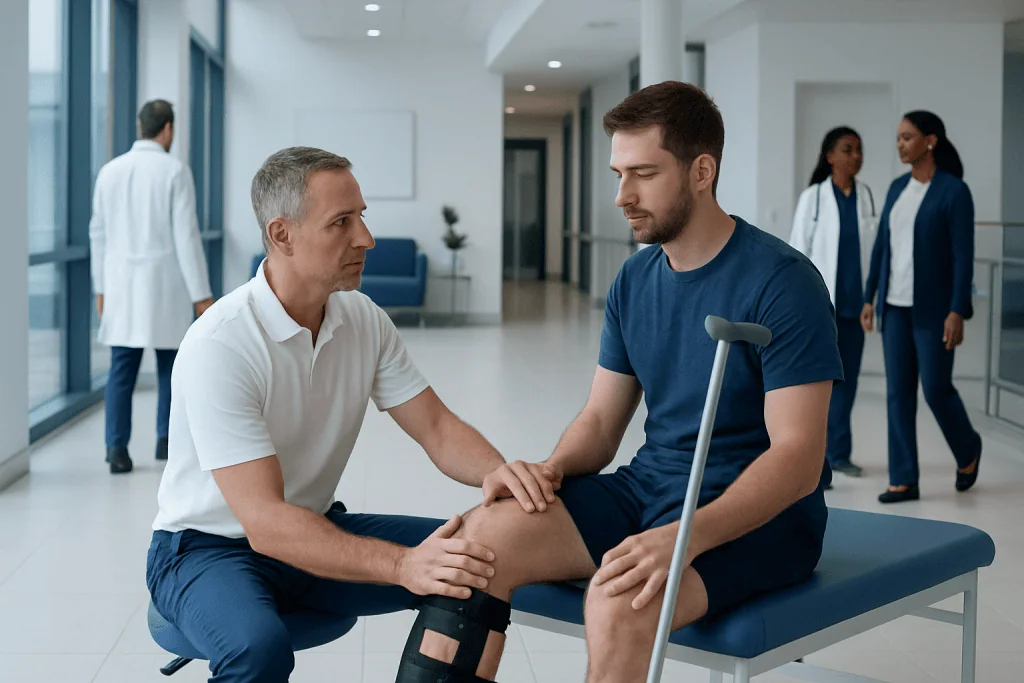
A knee injury may affect ligaments, cartilage, tendons, bone, or the kneecap, so treatment should match the specific problem. Common symptoms include pain, swelling, stiffness, instability, locking, and difficulty walking or bending the knee.
Key Takeaways
- A knee injury may affect ligaments, cartilage, tendons, bone, or the kneecap, so treatment should match the specific problem.
- Common symptoms include pain, swelling, stiffness, instability, locking, and difficulty walking or bending the knee.
- Physical therapy is often central to recovery because it can improve strength, range of motion, balance, and confidence in movement.
- Some injuries heal with rest, bracing, and rehabilitation, while others may need injections or surgery.
- Early medical assessment is important after severe swelling, inability to bear weight, a popping injury, or ongoing instability.
Therapy knee injury care usually combines an accurate diagnosis with rehabilitation, activity changes, pain control, and sometimes procedures or surgery. The right treatment depends on which structure is injured, how severe the damage is, and the person’s goals for daily life, work, or sport.
Overview: What therapy knee injury care involves
Therapy knee injury care refers to the medical and rehabilitation steps used to diagnose, treat, and support recovery after damage to the knee. This may include activity modification, pain relief, bracing, guided exercises, physical therapy, and in some cases surgical treatment. The aim is not only to reduce pain, but also to restore safe movement, strength, and long-term function.
The knee is a complex joint made up of bones, cartilage, ligaments, tendons, muscles, and the kneecap. Because several structures work together, injuries can vary widely. One person may have a mild sprain after twisting the knee, while another may have a meniscus tear, an anterior cruciate ligament injury, or damage to the cartilage surface.
A patient-friendly approach to treatment starts with identifying what was injured and how it affects daily life. Someone who wants to return to competitive sport may need a different rehabilitation plan from someone whose main goal is comfortable walking, stair climbing, or returning to work. A carefully planned program usually gives the best chance of recovery and helps lower the risk of repeat injury.
Signs and symptoms of a knee injury
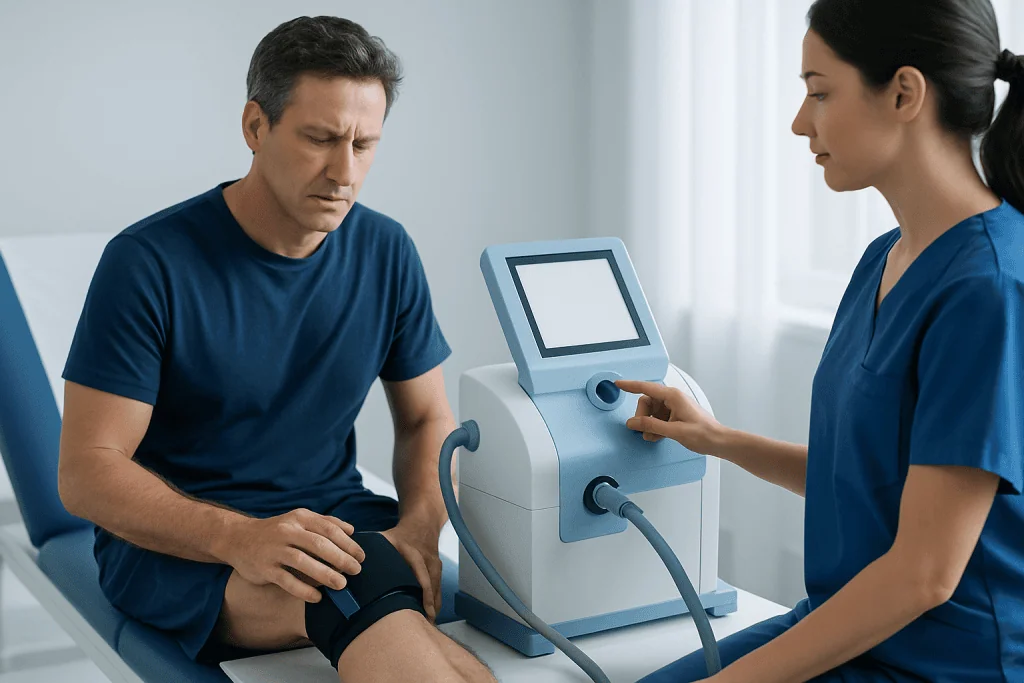
Knee injuries can cause a range of symptoms depending on the structure involved. Pain is the most common symptom, but it may be sharp, dull, aching, or felt only with certain movements. Swelling may appear immediately after an injury or build gradually over several hours. Some people also notice warmth, bruising, or tenderness around the joint.
Mechanical symptoms can offer clues about the type of injury. A feeling that the knee is giving way may point to ligament damage. Locking or catching can happen when torn cartilage or a meniscus interferes with normal movement. A popping sensation at the time of injury may occur with ligament tears, though it is not specific on its own.
Common symptoms include:
- Pain during walking, squatting, kneeling, or climbing stairs
- Swelling or stiffness
- Reduced range of motion
- Instability or buckling
- Clicking, catching, or locking
- Difficulty bearing weight
Symptoms that persist beyond a few days, repeatedly return with activity, or prevent normal movement deserve medical evaluation. Even when pain seems manageable, untreated instability or limited motion can affect recovery and may increase the chance of further joint problems over time.
What can cause a knee injury?
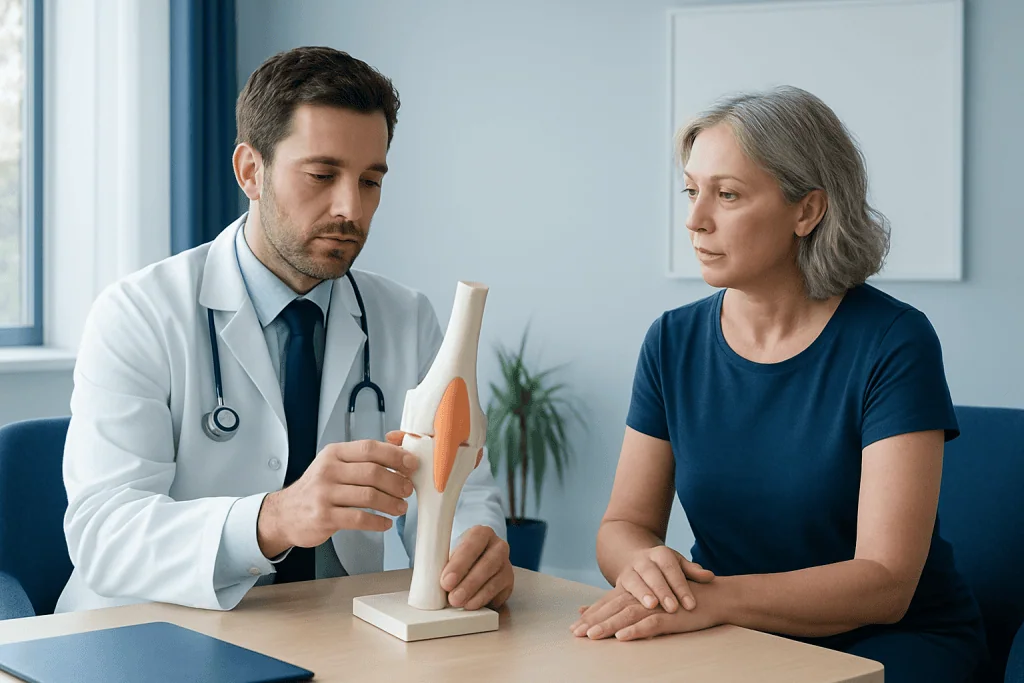
Knee injuries may happen suddenly or develop over time. Acute injuries are often caused by twisting, sudden stopping, awkward landing, direct impact, or a fall. These mechanisms are common in football, basketball, skiing, running, and other activities that involve pivoting or rapid changes in direction. Road accidents and workplace injuries may also harm the knee.
Overuse injuries develop when repeated stress exceeds the knee’s ability to recover. This may involve the patellar tendon, surrounding soft tissues, or the cartilage beneath the kneecap. Poor training habits, abrupt increases in activity, muscle weakness, and limited flexibility can all contribute. In some cases, a person may have pain from irritation and overload rather than a single major tear.
Several important conditions may be involved in therapy knee injury care, including ACL tears and meniscus tears. Other problems include collateral ligament sprains, patellar instability, tendon injuries, fractures around the knee, and cartilage damage. In older adults, a minor twist may also aggravate age-related joint wear such as knee osteoarthritis, which can complicate diagnosis and recovery.
Risk factors include previous knee injury, weak thigh or hip muscles, poor movement mechanics, inadequate warm-up, unsuitable footwear, and returning to sport too quickly after an earlier injury. Body weight, age, occupational strain, and underlying alignment issues may also increase stress on the joint.
How doctors diagnose a knee injury
Diagnosis begins with a detailed history. A doctor will usually ask how the injury happened, where the pain is located, whether swelling started right away, and which activities trigger symptoms. They may also ask about previous injuries, sports participation, work demands, and whether the knee feels unstable or locks.
The physical examination checks swelling, tenderness, alignment, range of motion, strength, and stability. Specific tests can help assess the ligaments and meniscus. For example, the pattern of pain with rotation or joint line tenderness may suggest cartilage injury, while looseness on stability testing may indicate a ligament problem.
Imaging is chosen according to the suspected injury. X-rays help detect fractures, alignment issues, or signs of arthritis. MRI is often useful when soft tissue injuries such as ligament tears, meniscus tears, or cartilage damage are suspected. Ultrasound may help in selected tendon or fluid-related problems. If needed, doctors may also use MRI scanning or orthopedic rehabilitation planning to guide treatment and recovery.
A clear diagnosis matters because not every painful knee needs the same therapy. For instance, early strengthening may be very helpful in one condition, while another may require temporary protection, a brace, or surgical review before more active rehabilitation begins.
Treatment options: from protection to rehabilitation
Treatment depends on the type and severity of the injury. Many mild to moderate knee injuries improve with non-surgical care. Early treatment often includes relative rest, ice, compression, elevation, and short-term activity modification. Doctors may recommend pain-relieving or anti-inflammatory medicines when appropriate. A brace or support may help in selected cases, particularly when stability is affected.
Physical therapy is often one of the most important parts of knee injury treatment. A tailored program may focus on reducing swelling, restoring joint motion, rebuilding quadriceps and hip strength, improving balance, and retraining movement patterns such as walking, stair use, landing, or pivoting. As pain settles, therapy usually progresses to more demanding exercises that prepare the person for work, sport, or everyday activity.
Some injuries need more advanced care. Large meniscus tears, significant ligament tears, recurrent kneecap instability, fractures, or persistent mechanical symptoms may require orthopedic review. In appropriate cases, surgeons may consider procedures such as knee arthroscopy or knee surgery options depending on the diagnosis and the patient’s age, function, and goals. Surgery is not always the first step, but it can be important when the knee remains unstable, locked, or structurally damaged.
Recovery timelines vary widely. A minor sprain may improve in weeks, while major ligament reconstruction or complex cartilage injury may require many months of rehabilitation. Consistency with the treatment plan is often as important as the treatment itself. People generally do best when they progress gradually rather than returning too quickly to demanding activity.
Self-care, rehabilitation habits, and prevention
Good self-care can support healing and help prevent another injury. During recovery, people are usually advised to follow the exercise program given by their doctor or physical therapist rather than testing the knee with unsupervised intense activity. Protecting the joint while maintaining safe movement can help prevent stiffness and muscle loss.
Helpful habits often include regular strengthening of the quadriceps, hamstrings, gluteal muscles, and calf muscles, along with balance and flexibility work where appropriate. Technique also matters. Learning how to squat, land, cut, and turn with better control may reduce strain on the knee, especially in sports that involve jumping or pivoting.
Prevention strategies may include:
- Warming up before exercise
- Increasing training load gradually
- Using proper footwear for the activity
- Maintaining lower-limb strength and flexibility
- Avoiding return to sport before pain, swelling, and instability are controlled
- Addressing recurrent pain early rather than pushing through it
People with repeated injuries or ongoing symptoms may benefit from a more structured rehabilitation review. Near the end of recovery, some centers also assess movement quality and sport-specific readiness before full return to activity. Acibadem International’s multidisciplinary specialists in JCI-accredited hospitals evaluate knee injuries and provide treatment and rehabilitation plans for international patients when needed.
When to seek medical care
Medical care is advisable if knee pain follows a significant twist, impact, fall, or sporting injury, especially when there is rapid swelling or a clear loss of function. A doctor should also assess the knee if it cannot fully straighten or bend, if walking is difficult, or if the joint feels unstable.
More urgent assessment is important when a person cannot bear weight, the knee looks deformed, pain is severe, or there is numbness, fever, or signs of infection after a wound or procedure. A locked knee, repeated giving way, or symptoms that do not improve with rest and simple measures also deserve prompt attention.
Seeking care early does not always mean surgery will be needed. In many cases, early evaluation helps clarify the diagnosis, start the right rehabilitation, and prevent prolonged pain or avoidable complications. Patients should consult a qualified healthcare professional for an individualized plan, particularly if they wish to return to demanding work or sport.
Frequently asked questions
What does therapy knee injury mean?
It usually refers to the medical treatment and rehabilitation used after a knee injury. This may include diagnosis, exercise therapy, pain management, bracing, and sometimes surgery depending on what part of the knee is damaged.
Can a knee injury heal without surgery?
Yes, many knee injuries improve with non-surgical treatment such as rest, physical therapy, bracing, and gradual return to activity. However, some injuries, especially those causing major instability, locking, or significant structural damage, may need surgical assessment.
How long does recovery from a knee injury take?
Recovery time depends on the severity and type of injury. A mild sprain may improve in a few weeks, while a major ligament injury or post-surgical recovery can take several months. A clinician can give a more realistic timeline after diagnosis.
Is physical therapy important for knee injuries?
In many cases, yes. Physical therapy can help reduce pain, restore movement, rebuild strength, and improve stability and confidence. It is often one of the most important parts of both non-surgical and post-surgical recovery.
How do I know if my knee injury is serious?
Warning signs include immediate swelling after injury, inability to bear weight, a locked knee, repeated giving way, visible deformity, or severe pain. Ongoing symptoms that do not improve should also be checked by a doctor.
Should I rest completely after a knee injury?
Complete rest is not always best. Short-term protection may help at first, but prolonged immobility can lead to stiffness and muscle weakness. Guided, gradual movement is usually safer and more effective once a healthcare professional has assessed the injury.
References
- American Academy of Orthopaedic Surgeons
- National Institute of Arthritis and Musculoskeletal and Skin Diseases
- American Physical Therapy Association
- Mayo Clinic
- National Health Service
This article is for general information only and is not a substitute for professional medical advice. Please consult a qualified doctor about your individual situation.
Joint and spine care in Turkey — expert assessment & treatment
JCI-accredited · board-certified surgeons · reply within 24h
Add us as a Preferred Source to see more of our trusted health content across Google Search, AI Overviews and Discover.