Thyroidectomy: Benefits, Risks, and Recovery — A Complete Guide

Thyroidectomy removes part or all of the thyroid gland to treat cancer, suspicious nodules, goiter, or some cases of hyperthyroidism. The procedure may be partial, near-total, or total depending on the condition, test results, and patient goals.
Key Takeaways
- Thyroidectomy removes part or all of the thyroid gland to treat cancer, suspicious nodules, goiter, or some cases of hyperthyroidism.
- The procedure may be partial, near-total, or total depending on the condition, test results, and patient goals.
- Common short-term concerns after surgery include sore throat, neck discomfort, temporary voice changes, and low calcium levels.
- Many people recover well within a few weeks, but some will need lifelong thyroid hormone replacement after total thyroidectomy.
- Careful evaluation before surgery helps balance the benefits of symptom relief and disease control against surgical risks.
Thyroidectomy is an operation that removes part or all of the thyroid gland when medicines, monitoring, or less invasive options are not enough. It can be an effective treatment for thyroid cancer, suspicious nodules, a large goiter, or hyperthyroidism, and recovery is usually gradual and manageable with proper follow-up.
Overview: what thyroidectomy is and why it is done
Thyroidectomy is surgery to remove part or all of the thyroid gland, a butterfly-shaped gland at the front of the neck that makes hormones controlling metabolism, temperature regulation, heart rate, and energy use. The operation is usually recommended when the thyroid itself is causing disease, compressive symptoms, or a concerning test result that cannot be managed well with observation or medicines alone.
Doctors may advise thyroidectomy for several reasons. These include thyroid cancer, a thyroid nodule with suspicious biopsy findings, a large goiter that affects swallowing or breathing, or an overactive thyroid gland that has not responded well to other treatments. In some cases, surgery is chosen because it offers a clear diagnosis and definitive treatment in one step.
The amount of thyroid removed depends on the condition. A lobectomy removes one lobe of the thyroid and may be used for some single nodules or selected small cancers. A total thyroidectomy removes nearly all thyroid tissue and may be recommended for more extensive disease, certain cancers, or diffuse overactivity of the gland.
Although the idea of neck surgery can feel daunting, thyroidectomy is a well-established procedure that is commonly performed by experienced endocrine or head and neck surgeons. The best approach depends on the person’s diagnosis, imaging results, vocal cord function, overall health, and preferences after a detailed discussion of benefits and risks.
Who may need thyroidectomy
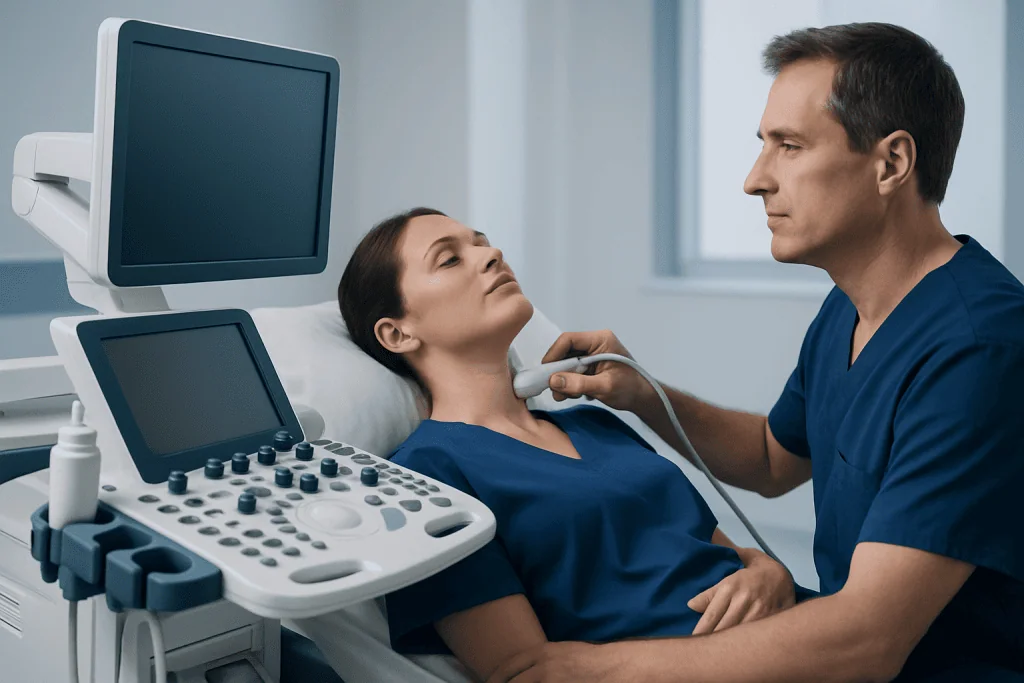
Not everyone with a thyroid problem needs surgery. Many thyroid nodules are benign and can be monitored with ultrasound, while some overactive thyroid conditions can be treated with medication or radioactive iodine. Surgery is usually considered when there is a strong reason to remove tissue for treatment, symptom relief, or diagnosis.
People may be candidates for thyroidectomy if they have a confirmed or strongly suspected thyroid cancer, a nodule that continues to grow or causes pressure symptoms, or a goiter large enough to create visible swelling, discomfort, trouble swallowing, or shortness of breath when lying down. Surgery may also be appropriate for hyperthyroidism when medicines are ineffective, poorly tolerated, or unsuitable for long-term use.
Preoperative planning is important because the diagnosis can vary widely. A person with a benign but enlarging nodule may need a different operation than someone with thyroid cancer or a toxic multinodular goiter. Doctors look at ultrasound findings, blood tests, biopsy results, and personal factors such as pregnancy planning, previous neck surgery, and family history.
In general, surgery is more likely to be recommended when the expected benefits are clear: removing cancer, relieving compression, reducing the chance of recurrence, or controlling hormone overproduction. The decision is individualized, and a surgeon will explain whether a partial or total operation is most appropriate.
How the procedure works: step by step

Thyroidectomy is usually performed under general anesthesia, which means the patient is asleep during the operation. Before surgery, the care team confirms imaging, blood tests, and the surgical plan. In many centers, vocal cord function may be assessed before the procedure, especially if there has been previous neck surgery or voice change.
During the operation, the surgeon makes a small incision in the lower front of the neck, carefully reaches the thyroid gland, and identifies important nearby structures. Two of the key structures are the recurrent laryngeal nerves, which help control the vocal cords, and the parathyroid glands, which regulate calcium levels. Protecting these structures is a central part of safe thyroid surgery.
The surgeon then removes either one lobe, most of the gland, or the entire gland, depending on the surgical goal. If cancer is present or suspected in nearby lymph nodes, additional lymph node removal may sometimes be recommended. The tissue is sent to the laboratory for detailed examination, which can confirm the diagnosis and help guide any further treatment.
After the gland is removed, the incision is closed and the patient is monitored as the anesthesia wears off. Some people go home the same day, while others stay overnight for observation, especially after a total thyroidectomy or more extensive surgery. When appropriate, the doctor may discuss comprehensive thyroid cancer treatment planning if the final pathology shows malignancy.
Benefits and possible risks of thyroidectomy
The main benefits of thyroidectomy depend on why it is being performed. For thyroid cancer, surgery can remove the main source of disease and provide staging information. For large goiters or nodules, it may relieve pressure in the neck, improve swallowing, and reduce visible enlargement. For hyperthyroidism, it can offer definitive control when other treatments are not suitable or have not worked.
Another important benefit is diagnostic clarity. Sometimes a nodule remains indeterminate even after needle biopsy, and removing the affected part of the thyroid allows a pathologist to examine the tissue more fully. This can help distinguish a benign growth from cancer and guide follow-up care more accurately.
Like any operation, thyroidectomy has risks. These include bleeding, infection, scarring, temporary or permanent voice changes from irritation or injury to the nerves controlling the vocal cords, and low calcium levels if the parathyroid glands are affected. Low calcium may cause tingling around the mouth, muscle cramps, or numbness in the fingers and usually improves, but it can sometimes require treatment for a longer period.
There is also the possibility of needing thyroid hormone replacement. After a total thyroidectomy, lifelong hormone therapy is usually necessary because the body can no longer make enough thyroid hormone on its own. After a lobectomy, some people continue to produce enough hormone naturally, while others may still need medication based on follow-up blood tests.
Recovery timeline and aftercare
Recovery after thyroidectomy is usually gradual rather than immediate. In the first few days, mild neck pain, tightness, fatigue, and a sore throat from the breathing tube are common. Many people can walk, eat soft foods, and resume light daily activities quickly, but they should avoid heavy lifting and strenuous exercise until their surgeon says it is safe.
Over the first one to two weeks, swelling and discomfort usually improve. The incision may feel firm or numb for a period of time, and the voice may sound slightly hoarse or tire more easily, especially after prolonged speaking. Temporary changes often settle as tissues heal, but persistent symptoms should be reported during follow-up.
Blood tests are an important part of recovery. Doctors may check calcium levels soon after surgery and monitor thyroid hormone levels in the weeks that follow. If the whole thyroid has been removed, thyroid hormone tablets are typically started to replace normal hormone function. If only one lobe was removed, blood tests help determine whether replacement is needed.
Longer-term recovery depends on the final diagnosis and the type of surgery. Some people need only routine follow-up, while others may need additional care such as endocrinology follow-up for hormone management or specialized treatment planning. Scar care, sun protection, taking medication consistently, and attending all appointments can support a smoother recovery.
Diagnosis, preparation, and treatment planning
Before recommending thyroidectomy, doctors usually complete a careful evaluation to understand both the thyroid condition and the patient’s overall health. This often includes a physical examination, thyroid function blood tests, ultrasound imaging, and a fine-needle aspiration biopsy for nodules. In selected cases, additional scans or laryngoscopy to check vocal cord movement may be needed.
Preparation also involves reviewing medications, allergies, and other medical conditions. Patients may be asked about blood thinners, prior surgeries, heart or lung disease, and symptoms of overactive or underactive thyroid function. If hyperthyroidism is present, doctors often aim to control hormone levels before surgery to reduce risk during anesthesia and recovery.
The treatment plan should be individualized. For some benign nodules, ongoing surveillance remains a reasonable option. For others, especially if there are compressive symptoms, cosmetic concerns, suspicious pathology, or cancer, surgery may be the clearer choice. When a thyroid disorder is related to a broader endocrine issue, referral for endocrine assessment can help coordinate care.
Patients benefit from asking practical questions before surgery: what type of thyroidectomy is planned, whether lymph nodes may need evaluation, how long recovery is expected to take, and what follow-up tests will be needed. Understanding these steps can make the process feel more predictable and less overwhelming.
Self-care after surgery and long-term outlook
Good self-care after thyroidectomy focuses on healing, symptom awareness, and medication routine. Patients are usually advised to keep the incision clean and dry as instructed, stay hydrated, and choose soft foods if swallowing feels uncomfortable for a few days. Gentle movement is encouraged, but strenuous activity should wait until cleared by the surgeon.
Taking thyroid hormone exactly as prescribed is important for people who need replacement therapy. Follow-up blood tests help doctors adjust the dose based on how the body is responding. Calcium or vitamin D supplements may also be prescribed temporarily or, less often, for longer periods if calcium levels are low after surgery.
The long-term outlook is often good, especially when surgery is performed for conditions that are well defined and carefully monitored afterward. Many people return to their normal routines, work, and exercise within a few weeks. Ongoing follow-up is still important because hormone needs can change, and people treated for cancer may need structured surveillance.
For international patients seeking coordinated care, Acibadem International’s multidisciplinary specialists and JCI-accredited hospitals diagnose and treat thyroid conditions, including surgical cases that may require oncology care or endocrine follow-up. The most suitable plan depends on pathology, symptoms, and long-term monitoring needs.
When to seek medical care
A person should seek medical care if they notice a new neck lump, thyroid swelling that seems to be growing, or symptoms such as difficulty swallowing, a choking sensation, shortness of breath when lying flat, or persistent hoarseness. These symptoms do not always mean surgery is needed, but they deserve timely evaluation.
After thyroidectomy, urgent medical attention is needed for trouble breathing, rapidly increasing neck swelling, severe bleeding, or signs of a serious allergic reaction to medication. A doctor should also be contacted promptly for worsening hoarseness, fever, drainage from the incision, or symptoms of low calcium such as numbness, tingling, or muscle cramps.
People with diagnosed thyroid nodules, hyperthyroidism, or suspicious biopsy results should keep regular follow-up appointments even if they feel well. Early assessment allows doctors to compare ultrasound findings, review blood tests, and decide whether observation, medical treatment, or surgery is the best next step.
Because thyroid conditions range from benign nodules to malignant thyroid disease, timely specialist review can help avoid both unnecessary delay and unnecessary treatment. Anyone with questions about candidacy for surgery should speak with a qualified endocrinologist or surgeon.
Frequently asked questions
Is thyroidectomy a major surgery?
Thyroidectomy is considered a significant surgical procedure because it is done under general anesthesia and involves important structures in the neck. However, it is also a common and well-established operation, especially when performed by experienced surgeons.
What is the difference between partial and total thyroidectomy?
A partial thyroidectomy, often called a lobectomy, removes one side of the thyroid. A total thyroidectomy removes nearly all thyroid tissue and is more likely to require lifelong thyroid hormone replacement afterward.
How long does it take to recover from thyroidectomy?
Many people return to light daily activities within several days and feel substantially better within one to two weeks. Full recovery, including return to heavier exercise and settling of neck tightness or voice fatigue, may take a few weeks longer depending on the extent of surgery.
Will a person need thyroid medication after thyroidectomy?
After a total thyroidectomy, thyroid hormone replacement is usually needed for life. After a lobectomy, some people make enough hormone with the remaining thyroid tissue, while others need medication based on follow-up blood tests.
Can thyroidectomy affect the voice?
Yes, temporary hoarseness or voice fatigue can happen after surgery because of swelling, irritation, or effects near the vocal cord nerves. Most voice changes improve, but persistent hoarseness should be evaluated by the surgical team.
What are the most important risks after thyroidectomy?
The main risks include bleeding, infection, temporary or permanent voice changes, and low calcium levels if the parathyroid glands are affected. The chance and type of risk vary with the reason for surgery, the extent of thyroid removal, and the person's health.
References
- American Thyroid Association
- National Institute of Diabetes and Digestive and Kidney Diseases
- National Cancer Institute
- Mayo Clinic
- British Thyroid Association
This article is for general information only and is not a substitute for professional medical advice. Please consult a qualified doctor about your individual situation.
Thyroidectomy in Turkey — costs, top hospitals & a free quote
JCI-accredited · board-certified surgeons · reply within 24h
Add us as a Preferred Source to see more of our trusted health content across Google Search, AI Overviews and Discover.
Check your numbers in seconds
BMI, calories, due date, blood pressure and 30+ more clinical calculators — free, instant, doctor-reviewed ranges.