Trachea Surgery: Procedure, Recovery and Results

Trachea surgery may repair, widen, support, or remove a diseased section of the windpipe. Tracheal resection is a major operation that reconnects healthy ends of the trachea after a damaged segment is removed.
Key Takeaways
- Trachea surgery may repair, widen, support, or remove a diseased section of the windpipe.
- Tracheal resection is a major operation that reconnects healthy ends of the trachea after a damaged segment is removed.
- Recovery commonly involves a short hospital stay followed by several weeks of activity restrictions and follow-up.
- Outcomes depend on the underlying condition, location and length of airway involvement, and overall health.
- New or worsening breathing difficulty needs urgent medical assessment.
Trachea surgery is a group of specialist procedures used to treat narrowing, injury, tumors, or structural weakness in the windpipe. The operation and trachea surgery recovery time vary, but careful assessment and follow-up help teams select the safest approach for each person.
Overview: What Is Trachea Surgery?
Trachea surgery refers to operations on the trachea, commonly called the windpipe. It may be recommended when the airway is narrowed, blocked, injured, weakened, or affected by a growth. The aim is to improve airflow, protect breathing, and address the condition causing the airway problem.
The exact procedure depends on the diagnosis. Options can include endoscopic treatment performed through the mouth, placement of an airway stent in selected situations, reconstruction, or tracheal resection. During tracheal resection, a surgeon removes a short abnormal section of the windpipe and joins the healthy ends together.
Because the trachea is essential for breathing and lies close to the vocal cords, thyroid gland, esophagus, and major blood vessels, treatment is planned by an experienced airway team. Evaluation often includes specialists in thoracic surgery, ear, nose and throat surgery, pulmonology, anesthesiology, radiology, and oncology when cancer is involved.
Who May Need Trachea Surgery?
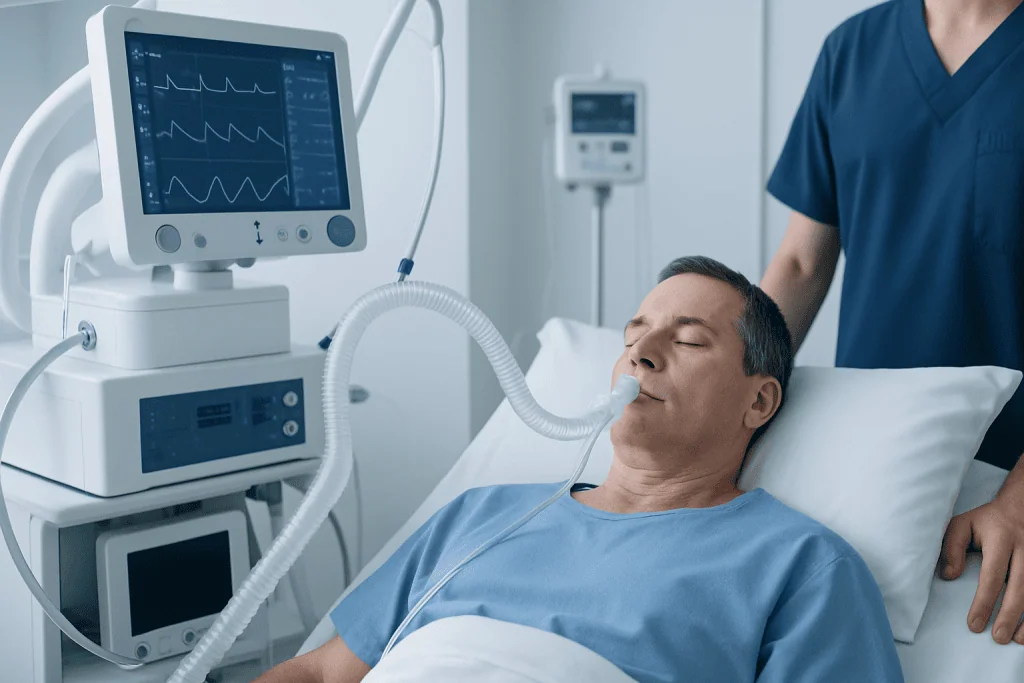
Trachea surgery is considered when a structural airway problem causes significant symptoms or is unlikely to respond adequately to less invasive care. One common reason is tracheal stenosis, a narrowing that may develop after prolonged intubation, a tracheostomy, inflammation, injury, previous surgery, or certain autoimmune conditions. Some people have congenital airway narrowing or an abnormality present from birth.
Other reasons include benign or malignant tumors, scarring after trauma, and tracheomalacia, in which the airway is unusually soft and collapses during breathing or coughing. In adults, tracheal collapse is often evaluated carefully because symptoms can overlap with asthma, chronic obstructive pulmonary disease, vocal cord disorders, and reflux-related conditions.
Not everyone with a tracheal condition needs an operation. The care team considers symptoms, breathing tests, imaging, the length and location of the affected area, previous treatments, and other health conditions. In some cases, endoscopic dilation or other less invasive measures may be appropriate before or instead of open surgery.
- Persistent shortness of breath, noisy breathing, or reduced exercise tolerance
- Repeated airway narrowing after prior dilation or treatment
- A localized, removable area of scarring or tumor
- Airway instability that is severe enough to affect daily activities or safety
How Trachea Surgery Works: Assessment and Procedure Steps

Before trachea surgery, clinicians first define the airway problem precisely. Assessment may include a physical examination, CT imaging of the neck and chest, pulmonary function testing, and bronchoscopy. Bronchoscopy uses a thin camera to view the inside of the airway and can help show the location, length, severity, and cause of obstruction.
For open tracheal resection, the patient receives general anesthesia. The surgeon commonly reaches the trachea through an incision low in the neck, although a chest incision may be needed for problems lower in the airway. The diseased segment is removed, and the remaining healthy ends are gently brought together and sewn into a secure connection, called an anastomosis.
The team takes particular care to avoid tension at the repair site. Depending on the amount of trachea removed and its position, surgical release techniques may be used to help the airway ends meet safely. A temporary breathing tube may be used during the procedure, but it is usually removed as soon as the patient can breathe safely on their own.
Some airway conditions are treated with bronchoscopic procedures rather than resection. These may include balloon dilation, laser or other tissue-removal techniques, injection treatments, or a stent in selected cases. The right choice is individualized; an airway device may be useful in specific circumstances but is not suitable as a permanent solution for every person.
Is Tracheal Resection a Major Surgery?
Yes. Tracheal resection is considered major surgery because it involves general anesthesia, removal of part of a vital airway, and reconstruction of the trachea. Although the incision may be relatively small for some patients, the operation requires detailed planning and close monitoring because healing at the airway connection is essential.
The extent of surgery varies. A short, well-defined narrowing in the upper trachea may be approached through the neck, while disease involving the lower trachea, main bronchi, or nearby structures can require a more complex operation. Surgery may also be combined with treatment for the underlying cause, such as tumor removal or management of inflammatory disease.
Major surgery does not mean that recovery will necessarily be prolonged or that complications will occur. It means the procedure should be performed in an experienced center with appropriate anesthesia, intensive care support when needed, and follow-up bronchoscopy or imaging. Patients should discuss their individual surgical plan, alternatives, and expected recovery with their surgeon.
Trachea Surgery Recovery: Hospital Stay and Timeline
Trachea surgery recovery begins with close observation in hospital. The team monitors breathing, oxygen levels, pain control, swallowing, voice changes, coughing, and the surgical site. Many patients are encouraged to sit up and walk early, as appropriate, to support circulation and lung function. The length of stay varies with the procedure and the person’s health, but uncomplicated recovery after resection often involves several days in hospital.
After tracheal resection, patients may be asked to keep the neck in a slightly flexed position for a period of time. This reduces strain on the new airway connection. The care team may advise avoiding forceful coughing, heavy lifting, vigorous exercise, and full neck extension until healing is more established. Instructions differ, so the surgeon’s guidance should always take priority.
At home, fatigue, mild throat or incision discomfort, and a gradual return of stamina are common. The trachea surgery recovery time is often measured in weeks rather than days. Many people can resume light daily activities gradually, while return to work, driving, exercise, and travel depends on symptoms, the procedure, and follow-up findings.
Follow-up appointments are important because the team may check the airway with bronchoscopy or imaging. The tracheal resection surgery recovery time can be longer when surgery was extensive, when there are other lung or heart conditions, or when additional cancer treatment is needed.
How Long Does It Take to Recover From a Tracheal Resection?
Recovery from a tracheal resection is individual, but many patients need several weeks for the main healing phase and a few months to regain their usual stamina. A short hospital recovery is followed by restrictions designed to protect the airway repair. Full recovery may take longer for people with more complex surgery, chronic lung disease, nutritional concerns, infection, or treatment for cancer.
During the first weeks, the priority is protecting the surgical connection and watching for breathing changes. Light walking and gentle activity are commonly encouraged when approved by the care team, while strenuous exercise and heavy lifting are delayed. The clinician can provide a more precise tracheal resection recovery time based on the exact operation and postoperative airway checks.
People should not compare their trachea recovery time too closely with another patient’s experience. Symptoms such as energy level, cough, voice quality, and throat discomfort can improve at different rates. Follow-up care is the best opportunity to review progress and safely adjust activity levels.
Benefits, Risks and Expected Results
The potential benefit of trachea surgery is a more open, stable airway. For appropriate candidates with a localized benign narrowing, resection can provide durable relief from symptoms such as shortness of breath, noisy breathing, and repeated respiratory distress. When a tumor is involved, surgery may also be part of treatment intended to remove or control the disease.
All operations carry risks. Specific risks of tracheal procedures can include bleeding, infection, pneumonia, blood clots, temporary or persistent voice or swallowing changes, recurrent narrowing, problems with the airway connection, and the need for additional procedures. Anesthesia-related risks and risks from existing heart or lung disease are also assessed before surgery.
The success rate of trachea surgery cannot be summarized by one number because it differs considerably by diagnosis, procedure type, anatomy, and center experience. In general, carefully selected patients undergoing surgery for short benign tracheal stenosis often have good long-term airway outcomes. The surgeon can explain what results are realistic in an individual case and what follow-up may be needed.
At Acibadem International, multidisciplinary specialists and JCI-accredited hospitals evaluate and treat airway conditions for international patients, with care plans based on the diagnosis and each person’s clinical needs.
Is Tracheal Collapse Surgery Worth It?
Tracheal collapse surgery may be worthwhile when collapse is clearly causing serious symptoms, conservative treatment has not provided enough relief, and a specialist team believes a procedure can improve airway stability. However, it is not automatically the best choice for every person. A careful diagnosis is important because breathing symptoms may have several causes, including asthma, reflux, vocal cord dysfunction, obesity, sleep apnea, or other lung disease.
Treatment for tracheal collapse can include addressing contributing conditions, optimizing inhaled or other respiratory treatments, airway clearance measures, and selected endoscopic approaches. For severe, confirmed tracheobronchomalacia, some people may be evaluated for surgical stabilization of the airway rather than resection. The expected benefit should be weighed against surgical risk and the possibility that other lung conditions may continue to cause symptoms.
A thorough work-up, often including dynamic CT scanning and bronchoscopy while breathing, helps determine whether surgery is likely to address the main problem. The decision should be made collaboratively after discussing goals, alternatives, recovery requirements, and expected quality-of-life changes.
When to Seek Medical Care
Anyone with persistent unexplained wheezing, noisy breathing, breathlessness during everyday activity, repeated chest infections, or symptoms that do not improve with usual respiratory treatment should arrange medical assessment. A clinician can determine whether the symptoms are related to the trachea, lungs, heart, vocal cords, or another condition.
Urgent medical care is needed for severe or rapidly worsening shortness of breath, blue or gray lips or face, confusion, fainting, inability to speak in full sentences, coughing up a significant amount of blood, or a sensation that the airway is closing. After trachea surgery, new breathing difficulty, fever, increasing neck swelling, wound drainage, chest pain, or sudden worsening symptoms should be reported promptly to the surgical team.
People considering trachea surgery should ask about the cause of their airway problem, all reasonable treatment options, anticipated benefits and risks, and the expected follow-up plan. Individual advice from the treating team is essential, particularly for activity, travel, medications, and symptom monitoring after surgery.
Frequently asked questions
What is trachea surgery used for?
Trachea surgery is used to treat conditions that narrow, block, weaken, injure, or affect the windpipe. Examples include tracheal stenosis, selected tumors, trauma, and severe airway collapse. The procedure is chosen based on the cause, location, and severity of the airway problem.
How long does it take to recover from a tracheal resection?
The main healing period commonly takes several weeks, while return of full energy may take a few months. Hospital recovery is followed by activity restrictions that protect the airway repair. The exact timeline depends on the amount of trachea treated, overall health, and postoperative progress.
Is tracheal resection a major surgery?
Yes, tracheal resection is a major surgery because it removes and reconstructs part of a vital airway under general anesthesia. It requires specialist planning, careful anesthesia management, and close follow-up. In experienced hands, it can be an appropriate option for selected airway conditions.
What is the success rate of trachea surgery?
Results vary by the condition being treated, the type of operation, the extent of airway involvement, and the person's overall health. Surgery for a short, benign tracheal narrowing can have favorable long-term outcomes in carefully selected patients. A surgeon can explain expected results for an individual diagnosis rather than relying on a single overall figure.
Is tracheal collapse surgery worth it?
It can be worthwhile for selected people with severe, confirmed airway collapse that substantially affects breathing and daily life despite non-surgical management. Surgery is not appropriate for everyone, and clinicians first assess other possible causes of symptoms. The decision should balance expected symptom improvement with surgical risks and recovery needs.
Can tracheal narrowing return after surgery?
Recurrent narrowing is possible, although many people have lasting improvement after successful treatment. The risk depends on the original cause, the healing process, inflammation, and whether there are ongoing contributing factors. Follow-up visits and airway assessment help detect problems early.
References
- American Thoracic Society
- American College of Chest Physicians
- National Heart, Lung, and Blood Institute
- Merck Manual Professional Edition
This article is for general information only and is not a substitute for professional medical advice. Please consult a qualified doctor about your individual situation.
Heart care in Turkey — expert evaluation and treatment
JCI-accredited · board-certified surgeons · reply within 24h
Add us as a Preferred Source to see more of our trusted health content across Google Search, AI Overviews and Discover.

More from the Health Library



Related Specialists

Dr. Emel Sönmez
Psychiatry
Dr. Gülgün Atilla
Radiology
Embriyolog Özge Biçeroğlu
Vitro Fertilization and Reproductive Medicine Center
Dr. Nevin Sarıgüzel
Infectious Diseases & Clinical Microbiology