Traumatic Brain Injury: Symptoms That Can Appear Days or Weeks Later

Symptoms of traumatic brain injury may appear right away or develop gradually over days to weeks. Delayed symptoms can affect thinking, mood, sleep, balance, vision, and daily functioning.
Key Takeaways
- Symptoms of traumatic brain injury may appear right away or develop gradually over days to weeks.
- Delayed symptoms can affect thinking, mood, sleep, balance, vision, and daily functioning.
- Even a mild head injury should be monitored if new or worsening symptoms appear.
- Urgent medical attention is needed for severe headache, repeated vomiting, confusion, weakness, seizures, or loss of consciousness.
- Diagnosis may involve a neurological exam, symptom review, and imaging when needed.
- Rest, follow-up care, and a gradual return to normal activities support recovery.
Traumatic brain injury can cause symptoms immediately, but some problems may appear days or even weeks after a blow or jolt to the head. Knowing what delayed symptoms can look like helps people seek timely medical care and avoid missing an important brain injury.
Overview
Traumatic brain injury is damage to the brain caused by a bump, blow, jolt, or penetrating injury to the head. It can happen after falls, sports injuries, vehicle accidents, workplace incidents, or assaults. The severity can range from mild injury, often called a concussion, to more serious injury that affects consciousness, movement, speech, or other vital functions.
One reason traumatic brain injury can be difficult to recognize is that symptoms do not always appear immediately. Some people feel mostly well at first, then notice headaches, concentration problems, irritability, sleep changes, or dizziness later. In other cases, a delayed symptom may reflect bleeding, swelling, or other complications that need urgent attention.
Because of this, any head injury deserves careful observation, especially during the first hours and days. Family members, caregivers, coaches, or coworkers may notice changes before the injured person does. Paying attention to subtle changes in behavior, memory, balance, or alertness can help ensure prompt evaluation when needed.
Symptoms That Can Appear Days or Weeks Later
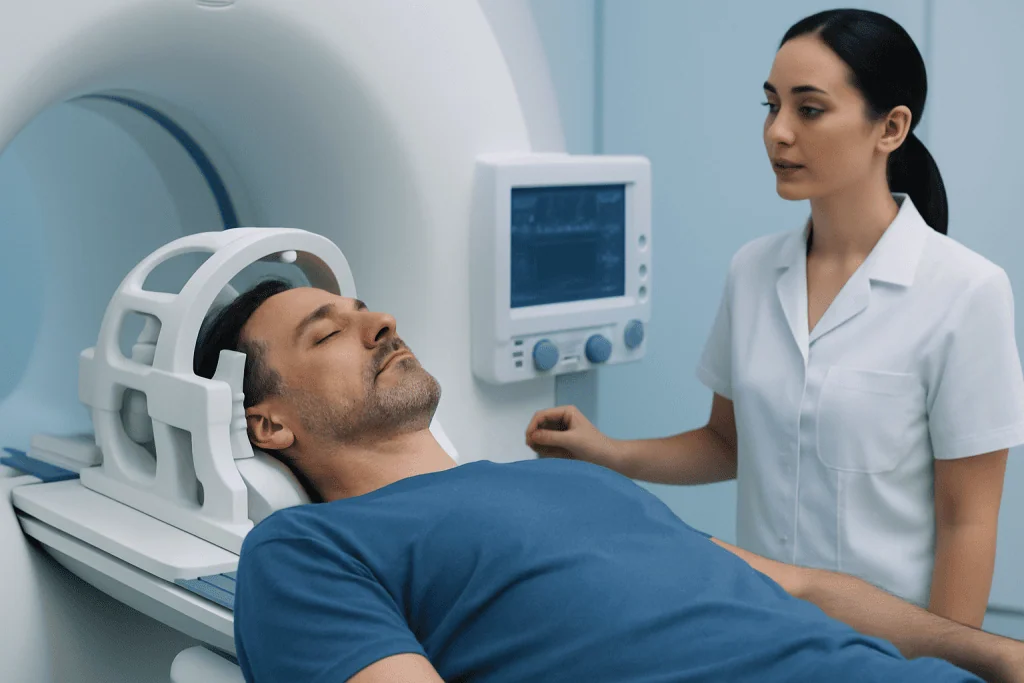
Delayed symptoms after traumatic brain injury may involve the body, thinking, emotions, or sleep. A person may develop a headache that becomes more frequent, feel dizzy when standing, struggle to focus at work, or become unusually sensitive to noise and light. Some symptoms are mild but persistent, while others are warning signs of a more serious problem.
Cognitive and emotional symptoms are especially easy to overlook. Memory lapses, slower thinking, confusion, mood swings, anxiety, low frustration tolerance, or feeling mentally “foggy” can all emerge over time. Children and older adults may show these symptoms differently, such as changes in school performance, unusual tiredness, or increased irritability.
Common delayed symptoms can include:
- Headache that starts or worsens after the injury
- Dizziness, poor balance, or nausea
- Blurred vision or sensitivity to light
- Ringing in the ears or sensitivity to noise
- Fatigue or unusual sleepiness
- Trouble sleeping or sleeping more than usual
- Difficulty concentrating, remembering, or finding words
- Irritability, sadness, anxiety, or personality changes
- Slower reaction time or poor coordination
Not every delayed symptom means a life-threatening emergency, but new or worsening symptoms should not be ignored. When symptoms continue after a concussion or mild head injury, doctors may describe this as post-concussion symptoms, which can overlap with concussion-related recovery problems. Proper evaluation helps rule out urgent complications and guides recovery planning.
Causes and Risk Factors
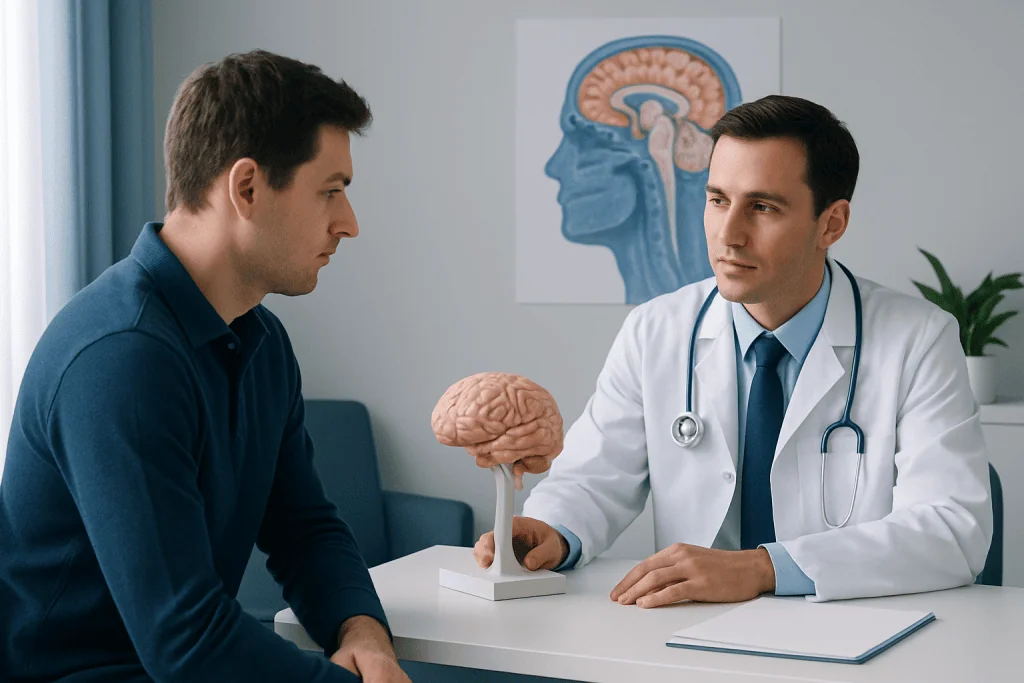
Traumatic brain injury happens when force causes the brain to move inside the skull or when an object penetrates the skull. The injury may involve bruising, stretching of brain tissue, bleeding, or swelling. In some cases, symptoms appear later because inflammation develops over time or because a small bleed becomes more noticeable as pressure changes.
Risk factors for traumatic brain injury include falls, contact sports, cycling or motor vehicle crashes, military service, certain jobs with fall or impact risks, and older age. Young children are also vulnerable because they may not be able to describe symptoms clearly. Alcohol or drug use can increase the chance of injury and may also make early symptoms harder to detect.
Some people may be more likely to have delayed or prolonged symptoms, including those with a previous concussion, migraine history, learning difficulties, anxiety or depression, sleep disorders, or use of blood-thinning medicines. Older adults deserve special attention because bleeding around the brain can develop after what seems like a minor fall. Any loss of consciousness, confusion, or use of anticoagulant medication after head injury should be taken seriously.
Diagnosis
Diagnosis begins with a careful medical history and neurological examination. The doctor asks how the injury happened, whether there was loss of consciousness, amnesia, vomiting, seizure activity, and what symptoms have changed since the event. The exam may check alertness, memory, balance, coordination, vision, speech, reflexes, and strength.
Imaging is not needed for every mild head injury, but it may be recommended when there are red flags or concern for bleeding or structural damage. A CT scan is commonly used in urgent settings because it can quickly detect skull fractures or brain bleeding. MRI may be useful later in selected cases, especially when symptoms persist and more detailed brain imaging is needed.
Additional assessment may include cognitive screening, vestibular testing for dizziness, eye movement evaluation, and follow-up with specialists such as neurology, rehabilitation, or neuropsychology. If symptoms include severe or unusual headaches, doctors may also consider other causes such as brain tumor or non-traumatic neurological conditions, depending on the overall clinical picture. The goal is to identify both the injury itself and any complications that may need prompt treatment.
Treatment Options
Treatment depends on the severity of the injury and the symptoms present. Mild traumatic brain injury often improves with a period of relative rest, symptom monitoring, and a gradual return to mental and physical activity under medical guidance. People are usually advised to avoid activities that could lead to another head injury during recovery, because a second injury can be especially harmful before the brain has healed.
More serious traumatic brain injuries may require hospital care, close neurological monitoring, medicines to control complications, rehabilitation, or surgery. If there is bleeding, swelling, or a skull fracture causing pressure on the brain, urgent neurosurgical treatment may be needed. In selected cases, specialists may consider brain surgery or intensive monitoring to protect brain function.
Ongoing symptoms can often be managed with targeted care. Headaches, dizziness, sleep disturbance, mood changes, and concentration problems may improve with a combination of medical follow-up, rehabilitation, and supportive therapies. Depending on the person’s needs, treatment may include neurological rehabilitation or a personalized physical therapy and rehabilitation program to support balance, coordination, endurance, and daily functioning.
Recovery can take days, weeks, or longer, and timelines vary widely. A gradual, individualized plan is important, especially for students, workers, and athletes returning to demanding activities. People should follow their clinician’s instructions rather than trying to “push through” symptoms.
Prevention and Self-Care
Not every traumatic brain injury can be prevented, but practical safety steps can reduce risk. Wearing seat belts, using properly fitted helmets for cycling and contact sports, preventing falls at home, and following workplace safety measures all help protect the brain. For older adults, reviewing medicines, improving lighting, and removing tripping hazards can lower fall risk.
After a head injury, self-care matters. A person should rest, stay hydrated, avoid alcohol unless a doctor says otherwise, and limit activities that worsen symptoms. Short periods of screen use, reading, or exercise may be tolerated, but symptoms should guide the pace. Complete isolation in a dark room for long periods is usually not necessary; instead, a balanced and gradual return to activity is often recommended.
It is also helpful to have someone observe the injured person during the early period after the injury, especially if they live alone. Keeping a written list of symptoms, noting what makes them better or worse, and attending follow-up appointments can support safer recovery. If symptoms seem to fit a more complex neurological problem, a doctor may recommend further evaluation, including neurology consultation.
When to See a Doctor
Any new or worsening symptoms after a head injury deserve medical attention, even if the injury seemed minor at first. A person should contact a doctor if headaches persist, dizziness interferes with daily activities, sleep changes continue, or there are ongoing problems with memory, concentration, mood, or school or work performance. Children, older adults, and people taking blood thinners should be evaluated with a lower threshold.
Emergency care is needed for severe headache, repeated vomiting, increasing confusion, unusual drowsiness, slurred speech, weakness or numbness, trouble walking, seizures, unequal pupils, clear fluid from the nose or ears, or any loss of consciousness. These can be signs of a serious complication such as bleeding or pressure inside the skull.
It is reassuring to know that many people recover well with appropriate care, but timely evaluation is important when symptoms appear days or weeks later. Near the end of the care journey, some patients may benefit from coordinated support from neurologists, neurosurgeons, rehabilitation specialists, and imaging teams. Acibadem International’s multidisciplinary specialists and JCI-accredited hospitals diagnose and treat traumatic brain injury for international patients when expert assessment is needed.
Frequently asked questions
Can traumatic brain injury symptoms really start days later?
Yes. Some symptoms appear immediately, while others develop gradually over several days or weeks. Delayed symptoms can happen as the brain responds to injury or as complications such as swelling or bleeding become more noticeable.
What delayed symptoms after a head injury are most common?
Common delayed symptoms include headache, dizziness, fatigue, trouble sleeping, sensitivity to light or noise, and difficulty concentrating. Mood changes, irritability, anxiety, and memory problems can also appear later.
How do people know if a delayed symptom is an emergency?
Emergency warning signs include severe or worsening headache, repeated vomiting, increasing confusion, seizures, weakness, slurred speech, and unusual drowsiness. Any loss of consciousness or sudden neurological change after a head injury should be assessed urgently.
Can a mild concussion cause symptoms for weeks?
Yes. Even a mild traumatic brain injury can lead to symptoms that last for weeks in some people. This does not always mean permanent damage, but it does mean medical follow-up may be needed to support recovery and rule out complications.
Should someone sleep after a head injury?
Sleep is often helpful after a head injury, but the person should first be assessed based on the severity of the injury and any warning signs. If a doctor has advised home observation, a caregiver may be asked to monitor for worsening symptoms while the person rests.
Do all head injuries need a brain scan?
No. Many mild head injuries do not require imaging if there are no red flags and the neurological exam is reassuring. Doctors decide on CT or MRI based on symptoms, exam findings, age, medicines such as blood thinners, and how the injury happened.
This article is for general information only and is not a substitute for professional medical advice. Please consult a qualified doctor about your individual situation.
Traumatic Brain Injury in Turkey — costs, top hospitals & a free quote
JCI-accredited · board-certified surgeons · reply within 24h
Add us as a Preferred Source to see more of our trusted health content across Google Search, AI Overviews and Discover.

More from the Health Library

Which Medical Conditions May Qualify for Disability? A Patient Guide

Colorectal Cancer: Symptoms, Risk Factors, and Treatment Pathways

Primary Hyperparathyroidism: High Calcium Symptoms and When Surgery Is Considered

Ulcerative Colitis: Bloody Diarrhea, Flares, and Long-Term Care

What Is ITP? Signs, Causes, and How Immune Thrombocytopenia Is Diagnosed