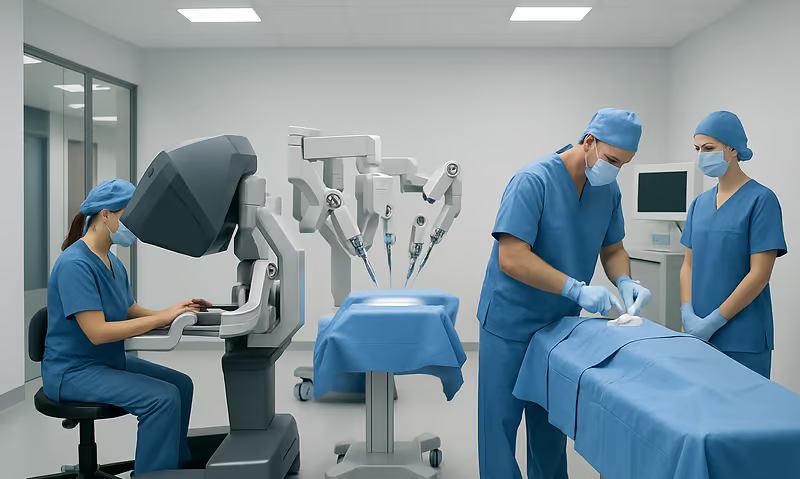
Trigeminal Neuralgia Surgery: When Procedures Are Considered for Facial Pain

Surgery is usually considered after medication is ineffective, poorly tolerated, or no longer provides stable relief. Different procedures work in different ways, including relieving pressure on the trigeminal nerve or intentionally reducing pain signals.
Key Takeaways
- Surgery is usually considered after medication is ineffective, poorly tolerated, or no longer provides stable relief.
- Different procedures work in different ways, including relieving pressure on the trigeminal nerve or intentionally reducing pain signals.
- MRI and specialist evaluation help identify the cause of pain and guide the safest treatment plan.
- Each procedure has benefits and trade-offs, including differences in recovery time, durability of pain relief, and risk of facial numbness.
- Prompt medical assessment is important for sudden, severe, or changing facial pain.
Trigeminal neuralgia surgery is considered when facial pain remains severe despite medication or when medicines cause difficult side effects. Several procedures can reduce pain, and the best choice depends on the cause of symptoms, age, overall health, and personal treatment goals.
Overview
Trigeminal neuralgia is a chronic pain condition that affects the trigeminal nerve, which carries sensation from the face to the brain. It often causes sudden, brief, shock-like attacks of pain on one side of the face. Everyday activities such as speaking, chewing, brushing the teeth, washing the face, or even feeling a light breeze can trigger symptoms.
For many people, treatment begins with medication. Medicines can reduce how strongly the nerve misfires and may control pain well for a period of time. However, some patients continue to have frequent attacks, need increasing doses over time, or develop side effects such as drowsiness, dizziness, balance problems, or difficulty concentrating.
Trigeminal neuralgia surgery becomes a consideration when pain remains disruptive despite medical therapy or when medication is not tolerated. The aim of surgery is either to treat the underlying nerve compression or to interrupt pain signals traveling through the nerve. A specialist evaluates symptom pattern, imaging findings, age, general health, and prior treatment response before recommending an approach.
When Procedures Are Considered
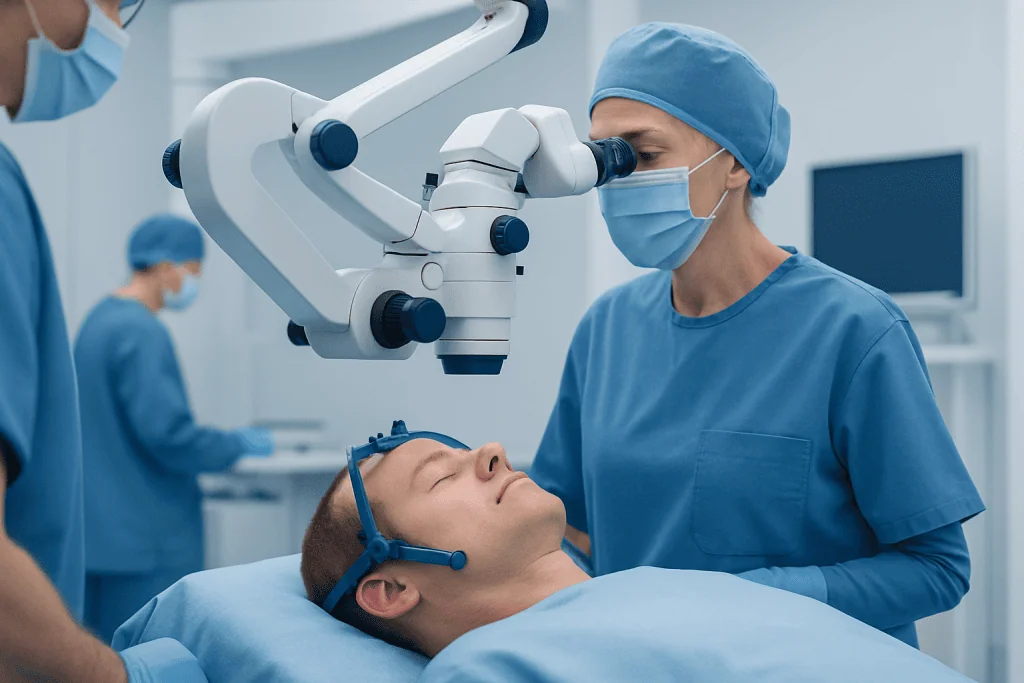
Surgery is not always the first step, but it may be appropriate when facial pain significantly affects daily life. This may include pain that interferes with eating, speaking, sleep, work, or emotional well-being. It is also considered when the diagnosis is clear and medication no longer provides enough relief.
Doctors may suggest a procedure in situations such as:
- Persistent or recurring pain despite appropriate medicines
- Side effects from medication that are difficult to manage
- Need for high doses to maintain pain control
- Evidence on imaging that a blood vessel is pressing on the nerve
- Preference for a procedural option after discussing risks and benefits
The decision also depends on the type of trigeminal neuralgia. Classic trigeminal neuralgia is often linked to a blood vessel touching or compressing the nerve. Secondary trigeminal neuralgia may occur because of another condition, such as multiple sclerosis or a tumor, and treatment planning may differ. An experienced team may also consider whether symptoms fit another cause of head and face pain disorder or another structural brain condition before moving ahead with surgery.
Types of Trigeminal Neuralgia Surgery

Several procedures are used for trigeminal neuralgia. The main options include microvascular decompression, percutaneous procedures such as rhizotomy techniques, and stereotactic radiosurgery. Each has a different balance of invasiveness, recovery time, durability of pain relief, and chance of facial numbness.
Microvascular decompression is often considered for otherwise healthy patients who have classic trigeminal neuralgia with nerve compression seen or strongly suspected. In this operation, the surgeon reaches the trigeminal nerve through a small opening in the skull and gently moves the blood vessel away from the nerve, usually placing a soft cushion between them. Because it addresses the pressure on the nerve rather than damaging the nerve, it can provide long-lasting relief while preserving facial sensation for many patients.
Percutaneous procedures include techniques such as radiofrequency rhizotomy, balloon compression, and glycerol injection. These procedures are done through the cheek with imaging guidance and are designed to reduce pain signals from the trigeminal nerve. They are less invasive than open surgery and may be preferred for older adults, people with medical conditions that raise surgical risk, or those who want a shorter recovery. The trade-off is a higher chance of facial numbness and, in some cases, pain returning over time.
Stereotactic radiosurgery, often known by names such as Gamma Knife, uses focused radiation to target the trigeminal nerve root without an incision. Pain relief is not always immediate and may take weeks to months to develop. This option can be helpful for patients who prefer a noninvasive approach or are not ideal candidates for open surgery. Depending on the individual case, specialists may discuss Gamma Knife radiosurgery or other stereotactic radiosurgery techniques as part of the treatment plan.
How Doctors Decide Which Procedure Is Best
Choosing the right procedure involves more than the pain intensity alone. Doctors look at the pattern of attacks, how long symptoms have been present, whether there is a constant aching component, which branches of the trigeminal nerve are involved, and how the person responded to medicines in the past. A careful neurological examination helps confirm the diagnosis and check for signs that point to another cause.
MRI is especially important because it can show whether a blood vessel is compressing the nerve and can also look for other explanations, such as multiple sclerosis plaques or tumors. Not every scan clearly shows the cause, but imaging still helps guide treatment and rule out conditions that would need a different approach. In some cases, referral for advanced neuroradiology evaluation can support planning.
Age and general health also matter. A younger, healthy person with clear vascular compression may be a strong candidate for microvascular decompression. Someone older, frailer, or on medications that increase surgical risk may do better with a percutaneous procedure or radiosurgery. Preferences about recovery time, willingness to accept facial numbness, and expectations for long-term pain control are all part of shared decision-making.
Benefits, Risks, and Recovery
All trigeminal neuralgia procedures aim to reduce or stop pain, but none is perfect for every patient. Microvascular decompression may offer the most durable relief in suitable candidates because it treats the underlying nerve compression. However, it is also the most invasive option and requires general anesthesia and a hospital stay. As with any brain-related surgery, there are risks such as infection, bleeding, hearing changes, balance issues, spinal fluid leak, or stroke, though these are carefully discussed in the context of individual health.
Percutaneous procedures usually have shorter recovery times and can often provide faster pain relief. Their main trade-off is that they intentionally affect part of the nerve, which can lead to numbness, tingling, or altered sensation in the face. In a smaller number of people, troublesome numbness or a burning pain syndrome may occur, so careful patient selection is important.
Radiosurgery avoids an incision and may be suitable for those who want or need a less invasive choice. Recovery is generally easier, but pain relief may be delayed and can be incomplete in some people. As with other procedures, symptoms can return over time. Follow-up helps determine whether medications can be reduced gradually and whether additional treatment is needed if pain recurs.
Recovery varies by procedure. After open surgery, patients usually need more rest and activity restrictions for a period recommended by the surgeon. After percutaneous procedures or radiosurgery, most people resume daily activities sooner, although follow-up appointments remain important. Some patients also benefit from coordinated care involving neurosurgical assessment and follow-up together with neurology and pain management input.
Preparation, Aftercare, and Self-care
Before any procedure, the care team reviews medicines, allergies, prior operations, and other health conditions. Patients are usually given instructions about eating and drinking before the procedure, which medicines to continue or stop, and what to expect on the day of treatment. It helps to prepare questions in advance, including how quickly pain relief may occur, how long recovery may take, and what side effects should prompt a phone call.
After treatment, medication should not be changed suddenly unless the doctor gives clear instructions. Some people still need pain medicine for a period of time, especially after radiosurgery, because relief may develop gradually. Keeping a simple pain diary can help track attack frequency, triggers, and response to treatment.
Self-care does not replace medical treatment, but it can make symptoms easier to manage. Helpful strategies may include choosing softer foods during painful periods, maintaining gentle oral hygiene, protecting the face from cold wind, and managing stress and sleep habits. Family support is also valuable because recurring facial pain can be exhausting and isolating.
When to See a Doctor
Anyone with repeated, sudden facial pain should seek medical evaluation, especially if the pain is severe, one-sided, or triggered by routine activities. Trigeminal neuralgia can often be recognized from the symptom pattern, but similar pain may also be caused by dental disease, sinus problems, temporomandibular disorders, headache conditions, nerve injury, or other neurological illnesses. Early diagnosis helps avoid unnecessary suffering and inappropriate treatment.
Urgent assessment is important if facial pain changes noticeably, becomes constant, is accompanied by facial numbness or weakness, affects vision or hearing, or follows a new neurological symptom such as trouble speaking or walking. These features can suggest that something other than classic trigeminal neuralgia is involved and should not be ignored.
When surgery is being considered, consultation with an experienced neurosurgeon and neurologist helps clarify the options. Near the end of the care journey, some international patients choose centers such as Acibadem International, where multidisciplinary specialists in JCI-accredited hospitals evaluate and treat trigeminal neuralgia using medical, procedural, and surgical approaches tailored to the individual.
Frequently asked questions
Is surgery the first treatment for trigeminal neuralgia?
Usually not. Treatment often starts with medication, and surgery is considered when medicines do not control pain well enough or cause significant side effects. The timing depends on symptom severity, diagnosis, and the person's overall health.
What is the most effective surgery for trigeminal neuralgia?
For people with classic trigeminal neuralgia caused by a blood vessel pressing on the nerve, microvascular decompression is often considered one of the most durable options. However, the best procedure is different for each person. Age, medical conditions, imaging findings, and preferences all influence the choice.
Can trigeminal neuralgia come back after surgery?
Yes, pain can return after any procedure, although the timing varies widely. Some people have long-lasting relief, while others may need additional treatment later. Regular follow-up helps doctors respond early if symptoms recur.
Will surgery cause facial numbness?
It can, especially with percutaneous procedures and sometimes after radiosurgery. Microvascular decompression is designed to relieve pressure on the nerve and may preserve normal sensation better in suitable patients. The care team explains the expected balance between pain relief and the chance of numbness before treatment.
How long does recovery take after trigeminal neuralgia surgery?
Recovery depends on the procedure. Open surgery such as microvascular decompression usually takes longer than percutaneous procedures or radiosurgery. The treating team provides individualized guidance about returning to work, driving, exercise, and medication changes.
Is trigeminal neuralgia surgery safe for older adults?
It may be, but the safest option depends on overall health rather than age alone. Less invasive procedures are often considered for people with higher surgical risk. A specialist review helps balance expected benefits with recovery needs and possible complications.
References
- National Institute of Neurological Disorders and Stroke
- National Health Service
- American Association of Neurological Surgeons
- Mayo Clinic
- National Institute for Health and Care Excellence
This article is for general information only and is not a substitute for professional medical advice. Please consult a qualified doctor about your individual situation.
Explore treatments in Turkey — costs, top hospitals & a free quote
JCI-accredited · board-certified surgeons · reply within 24h
Add us as a Preferred Source to see more of our trusted health content across Google Search, AI Overviews and Discover.

Neurosurgery
Surgical treatment of the brain, spine and nervous system, including minimally invasive and functional procedures.
70 specialists in this unit