Tuberculosis: Symptoms, Causes, and Treatment Options

Tuberculosis is an infection caused by Mycobacterium tuberculosis and most commonly affects the lungs. A person may have latent tuberculosis without symptoms, or active tuberculosis with signs of illness and the ability to spread infection.
Key Takeaways
- Tuberculosis is an infection caused by Mycobacterium tuberculosis and most commonly affects the lungs.
- A person may have latent tuberculosis without symptoms, or active tuberculosis with signs of illness and the ability to spread infection.
- Common symptoms include a persistent cough, fever, night sweats, weight loss, and tiredness.
- Diagnosis may involve skin or blood tests, chest imaging, and laboratory testing of sputum or other samples.
- Treatment usually requires a combination of antibiotics taken for several months.
- Early medical evaluation helps protect both the affected person and others who may have been exposed.
Tuberculosis is a bacterial infection caused by Mycobacterium tuberculosis, most often affecting the lungs but sometimes involving other parts of the body. It can be serious if left untreated, yet most people can recover with timely diagnosis, the right antibiotics, and careful follow-up.
Overview
Tuberculosis, often called TB, is a bacterial infection caused by Mycobacterium tuberculosis. It usually affects the lungs, but it can also involve the lymph nodes, bones, kidneys, brain, or other organs. Tuberculosis spreads through the air when a person with active TB in the lungs or throat coughs, speaks, sings, or sneezes.
Not everyone exposed to tuberculosis becomes sick right away. In many people, the bacteria remain in the body in an inactive state called latent tuberculosis infection. Latent TB does not cause symptoms and is not contagious, but it can become active later, especially if the immune system becomes weakened.
Active tuberculosis means the bacteria are multiplying and causing illness. This form requires prompt medical treatment, both to help the person recover and to reduce the risk of spreading infection to others. Although tuberculosis remains a major global health issue, it is a treatable and often curable condition when diagnosed early and managed correctly.
Symptoms and how tuberculosis can appear
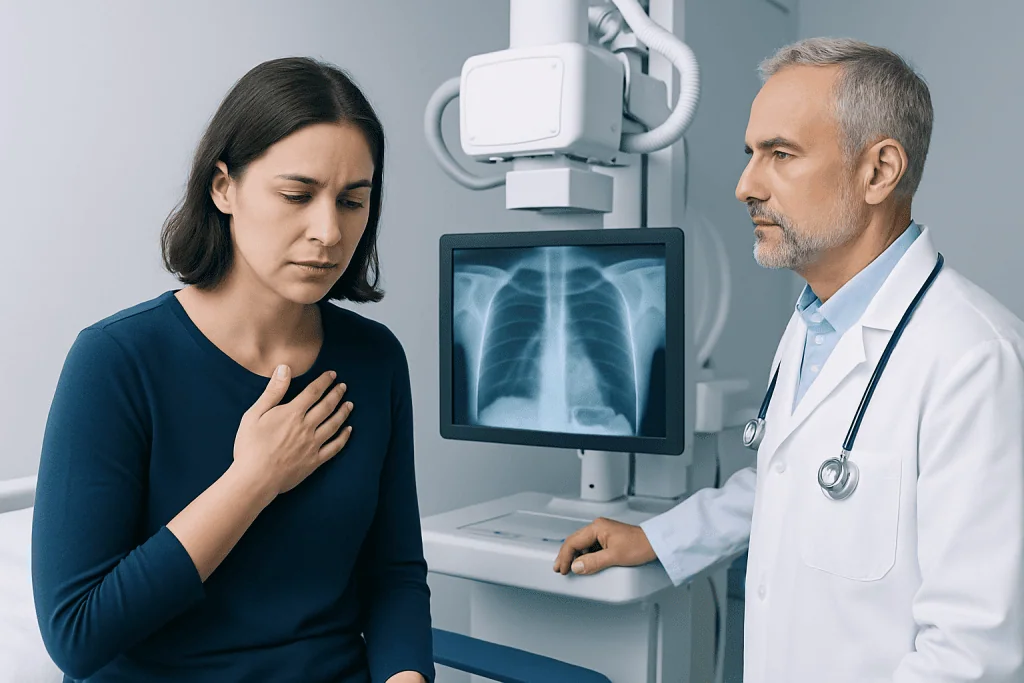
Tuberculosis symptoms depend on whether the infection is latent or active and on which part of the body is affected. Latent tuberculosis causes no symptoms. Active tuberculosis in the lungs usually develops gradually and may be mistaken at first for another respiratory illness.
Common symptoms of active pulmonary tuberculosis include a cough lasting several weeks, chest pain, coughing up sputum, and sometimes coughing up blood. Many people also experience fever, night sweats, tiredness, loss of appetite, and unintentional weight loss.
When tuberculosis affects areas outside the lungs, symptoms can vary. For example, swollen lymph nodes may occur with lymph node TB, back pain may be seen in spinal TB, and headaches or confusion may develop if the infection involves the brain. Because these symptoms overlap with many other conditions, medical assessment is important rather than self-diagnosis.
- Persistent cough
- Fever and night sweats
- Fatigue and weakness
- Weight loss or reduced appetite
- Chest discomfort
- Symptoms related to organs outside the lungs
Causes, spread, and risk factors

Tuberculosis is caused by inhaling airborne droplets containing Mycobacterium tuberculosis. It does not usually spread through casual contact such as shaking hands, sharing food, or touching surfaces. Prolonged or close exposure to a person with untreated active tuberculosis, especially in crowded or poorly ventilated spaces, increases the chance of infection.
Some people have a higher risk of developing active disease after infection. This includes those with weakened immune systems, such as people living with HIV, those receiving immunosuppressive treatment, and some people with chronic illnesses. Very young children and older adults may also be more vulnerable.
Other factors that can increase risk include malnutrition, smoking, heavy alcohol use, diabetes, kidney disease, and living or working in settings where exposure is more likely, such as shelters, prisons, or healthcare facilities. Travel to or residence in areas where TB is more common may also raise the possibility of exposure. If another lung condition is present, doctors may also evaluate for related concerns such as lung cancer when symptoms or imaging findings are not typical.
How tuberculosis is diagnosed
Diagnosis begins with a medical history and physical examination. A doctor may ask about symptoms, recent travel, exposure to someone with TB, previous tuberculosis infection, and any conditions that affect the immune system. If tuberculosis is suspected, testing is used both to identify infection and to determine whether the disease is active.
Tests for TB infection include the tuberculin skin test and TB blood tests, also called interferon-gamma release assays. These tests can show whether the immune system has been exposed to the bacteria, but they cannot by themselves confirm whether tuberculosis is active or latent.
To diagnose active tuberculosis, doctors often use chest imaging and laboratory analysis of sputum. A chest X-ray may show changes suggestive of infection, and chest X-ray is a common first step in evaluating pulmonary symptoms. Sputum samples can be examined under a microscope, cultured, and tested with molecular methods to identify the bacteria and check for antibiotic resistance. In some situations, bronchoscopy or a biopsy may help obtain samples from the lungs or other affected areas.
If symptoms point to disease outside the lungs, additional tests may include urine studies, needle aspiration of lymph nodes, spinal fluid analysis, or MRI to evaluate possible involvement of the brain, spine, or other tissues. Diagnosis is often a step-by-step process, especially when symptoms are not classic.
Treatment options and what to expect
Tuberculosis treatment depends on whether the infection is latent or active and whether the bacteria show resistance to standard antibiotics. Latent tuberculosis is often treated to lower the chance that it will become active in the future. Active tuberculosis requires several antibiotics taken together for a number of months.
It is very important to take TB medicine exactly as prescribed and to complete the full course, even if symptoms improve earlier. Stopping treatment too soon can allow the bacteria to survive and may contribute to drug-resistant tuberculosis, which is harder to treat. During treatment, doctors may arrange regular visits, blood tests, or other monitoring to check for side effects and confirm that the infection is improving.
People with active pulmonary tuberculosis may need to limit close contact with others for a period of time until a doctor confirms that they are less likely to spread infection. Public health teams may also help with contact tracing, which means identifying and testing people who may have been exposed.
In more complex cases, treatment may involve specialists in infectious diseases, lung health, radiology, and laboratory medicine. If respiratory symptoms are significant, a doctor may combine medication management with careful imaging and follow-up. Near the end of the care pathway, some patients benefit from broader pulmonary evaluation, particularly if there is concern about structural lung damage or another condition such as pneumonia. Acibadem International’s multidisciplinary specialists and JCI-accredited hospitals diagnose and treat tuberculosis for international patients when coordinated specialist care is needed.
Prevention and self-care
Preventing tuberculosis involves reducing exposure, identifying infection early, and completing recommended treatment. People who have spent time with someone diagnosed with active TB should follow medical advice about testing, even if they feel well. This is especially important for household contacts, children, and people with immune system conditions.
Good ventilation, infection-control measures in healthcare and community settings, and timely treatment of active tuberculosis all help reduce transmission. In some countries, the BCG vaccine is used to protect against severe forms of tuberculosis in children. Its use varies by country and individual risk.
Self-care during treatment focuses on supporting recovery and avoiding complications. Helpful steps include resting as needed, eating balanced meals, staying hydrated, avoiding smoking, and limiting alcohol. Patients should tell their healthcare team about all medicines and supplements they use, and they should promptly report side effects such as severe nausea, yellowing of the eyes or skin, vision changes, rash, or worsening shortness of breath.
Following infection-control advice matters too. Covering the mouth when coughing, wearing a mask if recommended, and keeping follow-up appointments can protect family members and the wider community while treatment is underway.
When to seek medical care
Medical care is recommended if a person has a cough lasting more than a few weeks, unexplained weight loss, ongoing fever, night sweats, chest pain, or blood in the sputum. Evaluation is also important after close contact with someone known to have active tuberculosis, even when no symptoms are present.
People with weakened immune systems, including those with HIV, those receiving chemotherapy or long-term steroid treatment, and transplant recipients, should seek assessment promptly if tuberculosis is a possibility. Children, older adults, and pregnant people should also be evaluated without delay when exposure or symptoms raise concern.
Urgent care is needed for severe breathing difficulty, confusion, fainting, a large amount of blood when coughing, or symptoms suggesting serious infection in the brain or elsewhere in the body. Tuberculosis can often be managed effectively, but early diagnosis makes treatment safer and more straightforward.
Frequently asked questions
What is the difference between latent and active tuberculosis?
Latent tuberculosis means the bacteria are present in the body but inactive. The person has no symptoms and cannot spread TB to others. Active tuberculosis means the bacteria are causing illness, and if the lungs or throat are involved, the infection may be contagious.
Is tuberculosis curable?
Yes, tuberculosis is usually curable with the correct combination of antibiotics taken for the full recommended time. Successful treatment depends on following the plan carefully and attending follow-up appointments. Drug-resistant cases can be more difficult to treat, but treatment options are still available.
How does tuberculosis spread?
Tuberculosis spreads through the air when a person with active TB in the lungs or throat releases bacteria by coughing, speaking, singing, or sneezing. It usually requires close or prolonged exposure rather than brief casual contact. It is not typically spread by touching objects, sharing dishes, or shaking hands.
What are the first signs of tuberculosis?
Early signs often include a cough that does not go away, tiredness, fever, night sweats, and weight loss. Some people also develop chest discomfort or reduced appetite. Symptoms may begin gradually, which is one reason TB can be overlooked at first.
Can someone have tuberculosis without knowing it?
Yes. A person with latent tuberculosis has no symptoms and may not know they are infected unless they are tested. Even active tuberculosis can develop slowly, so some people do not seek care until symptoms have lasted for weeks.
Who should be tested for tuberculosis?
Testing may be recommended for people who have had close contact with someone with active TB, those with symptoms suggestive of tuberculosis, and people at higher risk because of immune suppression or exposure in certain settings. Healthcare workers and travelers to high-prevalence regions may also be advised to have testing based on risk. A doctor can help decide which test is most appropriate.
References
- World Health Organization
- Centers for Disease Control and Prevention
- National Institutes of Health
- European Centre for Disease Prevention and Control
- American Thoracic Society
This article is for general information only and is not a substitute for professional medical advice. Please consult a qualified doctor about your individual situation.
Tuberculosis in Turkey — costs, top hospitals & a free quote
JCI-accredited · board-certified surgeons · reply within 24h
Add us as a Preferred Source to see more of our trusted health content across Google Search, AI Overviews and Discover.