Understanding Hemiplegia Disease: A Complete Patient Guide
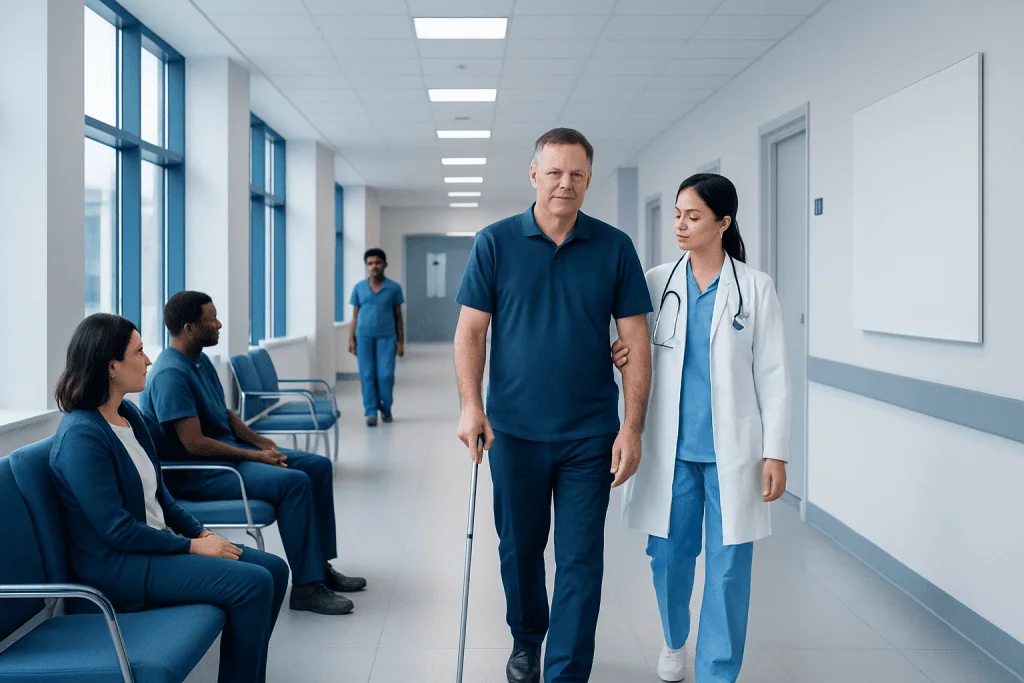
Hemiplegia disease causes paralysis on the right or left side of the body. It is a symptom or result of underlying brain or nerve damage, not a disease with a single cause.
Key Takeaways
- Hemiplegia disease causes paralysis on the right or left side of the body.
- It is a symptom or result of underlying brain or nerve damage, not a disease with a single cause.
- Stroke is one of the most common causes, but trauma, infections, tumors, and congenital conditions can also lead to hemiplegia.
- Diagnosis usually involves a neurological examination and brain imaging such as CT or MRI.
- Treatment focuses on the underlying cause, rehabilitation, mobility support, and prevention of complications.
- Urgent medical care is needed for sudden one-sided weakness, facial drooping, trouble speaking, or confusion.
Hemiplegia disease means paralysis affecting one side of the body, most often after damage to the brain from conditions such as stroke, traumatic injury, or certain neurological disorders. While hemiplegia can change movement, balance, and daily function, timely diagnosis, rehabilitation, and supportive care can help many people improve independence and quality of life.
Overview of Hemiplegia Disease
Hemiplegia disease refers to paralysis of one side of the body. It can affect the face, arm, and leg on the same side, and it may also influence speech, balance, sensation, swallowing, or thinking depending on which part of the brain is involved. In many cases, the term describes a condition that develops after injury to the brain rather than a separate disease on its own.
People sometimes confuse hemiplegia with hemiparesis. Hemiparesis means weakness on one side of the body, while hemiplegia means more complete loss of movement. The severity can vary widely. Some people have only limited movement in one limb, while others are unable to move an entire side of the body.
The side of the body affected usually reflects injury to the opposite side of the brain. For example, damage to the left side of the brain may cause right-sided hemiplegia. Because the brain controls many functions, a person may also have changes in memory, mood, vision, coordination, or communication at the same time.
Although hemiplegia can be life-changing, it does not always remain fixed at its worst level. Early medical treatment and structured rehabilitation are important. With physical therapy, occupational therapy, speech therapy, assistive devices, and management of the underlying cause, many people can regain function and learn strategies for daily living.
Symptoms and Daily Effects
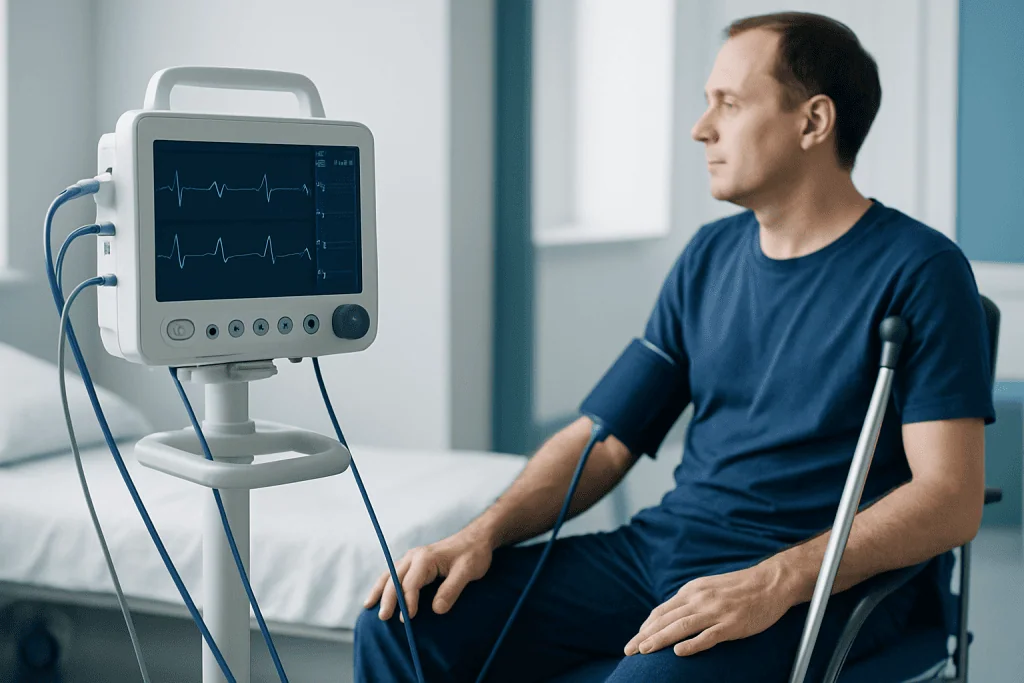
The main sign of hemiplegia disease is paralysis on one side of the body. This may involve the arm, leg, hand, foot, and facial muscles. Some people notice a sudden loss of movement, while others develop symptoms over time if the cause is progressive or related to a slowly growing lesion.
Symptoms often extend beyond movement alone. Depending on the location and extent of brain injury, a person may have numbness, muscle stiffness, spasms, pain, poor balance, walking difficulty, trouble gripping objects, facial drooping, slurred speech, swallowing problems, or fatigue. If the dominant side of the brain is affected, language problems may occur. Some individuals also develop emotional changes such as frustration, anxiety, or depression.
Daily life can become more challenging because ordinary tasks require coordination on both sides of the body. Dressing, bathing, writing, eating, climbing stairs, and transferring from bed to chair may take more time or require assistance. Safety concerns can include falls, shoulder strain, skin injury from pressure, and reduced mobility.
Common symptoms and effects may include:
- Inability to move one arm, one leg, or one side of the face
- Muscle weakness or stiffness
- Difficulty walking or maintaining balance
- Speech or swallowing problems
- Changes in sensation, such as numbness or tingling
- Difficulty with self-care and household activities
Causes and Risk Factors
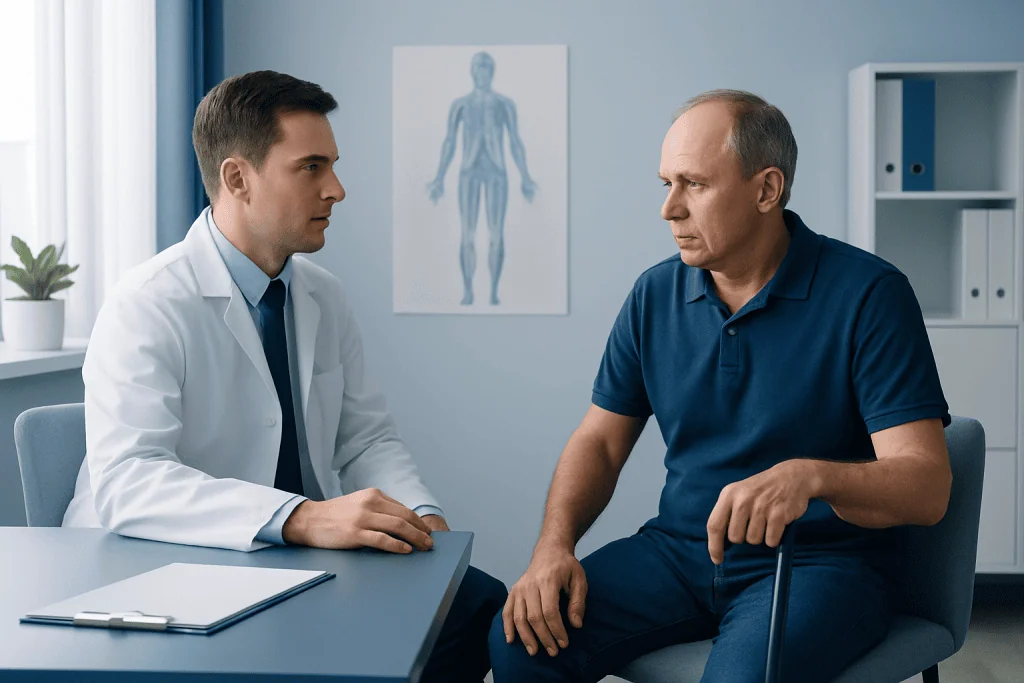
Hemiplegia disease develops when the parts of the brain that control movement are damaged. One of the most common causes is stroke, especially when blood flow to one side of the brain is blocked or when bleeding occurs in the brain. Other possible causes include traumatic brain injury, brain tumors, infections affecting the brain, reduced oxygen supply, inflammatory disorders, and certain congenital conditions such as cerebral palsy.
In children, hemiplegia may be present from birth or become noticeable during early development. This can happen because of problems during pregnancy, birth complications, neonatal stroke, brain malformations, or early brain injury. In adults, a sudden onset is more often linked to stroke or trauma, while gradual symptoms may raise concern for a mass lesion or chronic neurological disease.
Risk factors depend on the cause. For stroke-related hemiplegia, risk factors may include high blood pressure, diabetes, smoking, high cholesterol, heart rhythm disorders, obesity, and older age. For traumatic causes, falls, road traffic injuries, contact sports, and occupational accidents are important factors. Infections or tumors can affect people with a wide range of medical backgrounds.
Conditions related to hemiplegia sometimes overlap with other movement or paralysis patterns. For example, a person may be evaluated for Parkinson’s disease or other neurological conditions if symptoms evolve gradually or include additional movement changes. A doctor looks carefully at symptom pattern, timing, and imaging results to identify the true cause.
How Doctors Diagnose Hemiplegia
Diagnosis begins with a detailed medical history and neurological examination. A doctor checks strength, reflexes, muscle tone, sensation, facial movement, speech, coordination, and walking. The timing of symptoms is especially important. Sudden one-sided paralysis is treated as a medical emergency until proven otherwise.
Brain imaging is central to diagnosis. A CT scan is often used quickly in emergency settings to identify bleeding or major structural problems. MRI can provide more detailed information about brain tissue, smaller strokes, tumors, inflammation, or injury patterns. Depending on the situation, imaging of blood vessels may also be needed.
Additional tests are guided by the suspected cause. Blood tests may help look for infection, inflammation, metabolic problems, or stroke risk factors. Heart testing may be recommended when stroke is suspected. Swallowing assessment, speech evaluation, and functional rehabilitation assessments are also important because they help guide treatment and safety planning.
The goal of diagnosis is not only to confirm hemiplegia but also to identify why it happened, what body functions are affected, and what recovery supports are needed. In complex cases, evaluation may involve neurologists, rehabilitation specialists, neurosurgeons, physical therapists, occupational therapists, and speech-language therapists working together.
Treatment Options and Rehabilitation
Treatment for hemiplegia disease depends first on the underlying cause. If stroke is responsible, emergency treatment aims to restore or protect brain function as quickly as possible. If a tumor, infection, or bleeding is present, treatment may involve medication, surgery, or other targeted therapies. Once the person is medically stable, rehabilitation becomes a major part of care.
Rehabilitation usually includes physical therapy and rehabilitation to improve strength, range of motion, balance, and walking ability. Occupational therapy helps with dressing, bathing, cooking, writing, and other daily activities. Speech and language therapy may support communication and swallowing. Splints, braces, canes, walkers, or wheelchairs may also be recommended to improve safety and independence.
Some people benefit from medicines to manage spasticity, pain, or related symptoms. In selected cases, procedures or surgery may be considered when there are structural causes, severe muscle tightness, or complications that limit function. If hemiplegia follows a brain lesion requiring neurosurgical care, doctors may discuss options such as neurosurgery when appropriate.
Recovery is often gradual rather than immediate. Progress may continue for months and sometimes longer, especially with regular therapy and practice. A personalized plan works best, because recovery depends on age, cause, extent of brain injury, general health, motivation, family support, and how early treatment began.
Living With Hemiplegia: Self-care and Prevention of Complications
Daily management focuses on maximizing independence while reducing complications. Stretching, guided exercise, and correct positioning can help prevent joint stiffness and muscle shortening. Good skin care and regular movement are important to lower the risk of pressure injuries, especially in people with very limited mobility.
Home adjustments can make a meaningful difference. Grab bars, non-slip flooring, shower chairs, stair rails, and removal of loose rugs may reduce fall risk. Caregivers often benefit from training on safe transfers, limb support, and communication strategies. Emotional support is also important because long-term disability can affect confidence, relationships, and mood.
Prevention depends on the cause. For people at risk of stroke, controlling blood pressure, cholesterol, diabetes, and heart disease is essential. Not smoking, staying physically active, eating a balanced diet, and attending regular medical checkups may lower future risk. If the underlying condition is ongoing, careful follow-up helps doctors adjust treatment over time.
In some situations, further care may include stroke rehabilitation after a cerebrovascular event or broader support in a specialized neurological rehabilitation program. Near the end of the care pathway, some international patients choose centers such as Acibadem International, where multidisciplinary specialists in JCI-accredited hospitals diagnose and treat complex neurological conditions.
When to Seek Medical Care
Immediate medical care is needed if one-sided weakness or paralysis starts suddenly. This is especially urgent if it happens along with facial drooping, trouble speaking, severe headache, confusion, vision loss, loss of balance, or numbness. These can be signs of stroke, and fast treatment may reduce brain injury.
Medical review is also important if weakness develops gradually, if walking becomes less steady, or if there are new seizures, swallowing problems, repeated falls, or unexplained changes in behavior or thinking. A worsening pattern can suggest an underlying neurological problem that needs assessment.
People already living with hemiplegia should contact a doctor if they develop increasing muscle stiffness, shoulder pain, skin breakdown, breathing problems, signs of infection, or sudden loss of function after a period of stability. These issues can interfere with rehabilitation and may need prompt treatment.
Even when symptoms seem mild, professional evaluation matters. Early diagnosis gives the best chance to identify the cause, begin treatment, and plan safe support at home.
Frequently asked questions
Is hemiplegia disease the same as a stroke?
No. Hemiplegia disease describes paralysis on one side of the body, while stroke is one common cause of that paralysis. Hemiplegia can also happen after brain injury, tumors, infections, or certain congenital neurological conditions.
Can a person recover from hemiplegia?
Many people can improve with treatment and rehabilitation, but recovery differs from person to person. The outcome depends on the cause, the amount of brain injury, how quickly treatment begins, and how consistently rehabilitation is followed. Some recover significant function, while others continue to need support.
What is the difference between hemiplegia and hemiparesis?
Hemiparesis means weakness on one side of the body, whereas hemiplegia means paralysis or near-complete loss of movement on that side. Both conditions can arise from brain or nerve damage. A doctor can determine the degree of impairment through examination.
Does hemiplegia affect only movement?
No. Although movement problems are the main feature, hemiplegia can also affect sensation, speech, swallowing, balance, vision, thinking, and mood. The exact pattern depends on which part of the brain is injured.
Is hemiplegia permanent?
It can be permanent in some people, but not always. Early treatment, rehabilitation, and management of complications may help the brain and body adapt over time. Improvement is often gradual and may continue for months or longer.
What therapies are commonly used for hemiplegia?
Common therapies include physical therapy, occupational therapy, and speech-language therapy when communication or swallowing are affected. Some people also need braces, mobility aids, spasticity treatment, or psychological support. The care plan is tailored to the individual’s symptoms and goals.
References
- World Health Organization
- National Institute of Neurological Disorders and Stroke
- American Stroke Association
- National Health Service
- Centers for Disease Control and Prevention
This article is for general information only and is not a substitute for professional medical advice. Please consult a qualified doctor about your individual situation.
Explore treatments in Turkey — costs, top hospitals & a free quote
JCI-accredited · board-certified surgeons · reply within 24h
Add us as a Preferred Source to see more of our trusted health content across Google Search, AI Overviews and Discover.
Check your numbers in seconds
BMI, calories, due date, blood pressure and 30+ more clinical calculators — free, instant, doctor-reviewed ranges.