Understanding Metastatic Cancer: A Complete Patient Guide

Metastatic cancer is cancer that has spread from its original site to other parts of the body and often can be treated to control disease and symptoms.
Key Takeaways
- Metastatic cancer means cancer cells have spread from the primary tumor to distant organs or tissues.
- Symptoms vary widely depending on where the cancer has spread, not just where it began.
- Diagnosis usually combines imaging, blood tests, and sometimes biopsy to confirm the site and type of cancer.
- Treatment may include systemic therapies, radiation, surgery, or supportive care tailored to the person’s goals and health.
- Prompt medical review is important for new pain, breathing trouble, neurological symptoms, or unexplained weight loss.
Metastatic cancer is cancer that has spread from where it first started to another part of the body. While it is often not curable, many people can be treated to slow the cancer, relieve symptoms, and maintain quality of life for months or years.
Overview: What Metastatic Cancer Means
Metastatic cancer is cancer that has moved from its original location to another part of the body. Doctors may also call this advanced cancer, secondary cancer, or stage 4 cancer in many situations, although staging can differ depending on the cancer type. Even after it spreads, the cancer keeps the name of the place where it started. For example, breast cancer that spreads to the bone is still called metastatic breast cancer, not bone cancer.
This spread happens when cancer cells break away from the primary tumor, travel through the blood or lymphatic system, and settle in another organ or tissue. Common places for metastasis include the bones, liver, lungs, and brain, but nearly any organ can be affected. Some cancers spread early, while others remain localized for a long time before moving elsewhere.
For many people, hearing the word “metastatic” is frightening. It is important to know that metastatic cancer is not one single disease. Outcomes and treatment choices depend on the original cancer type, where it has spread, how fast it is growing, and how well it responds to treatment. In many cases, care focuses on controlling the disease, reducing symptoms, and helping the person live as well as possible.
How Cancer Spreads in the Body
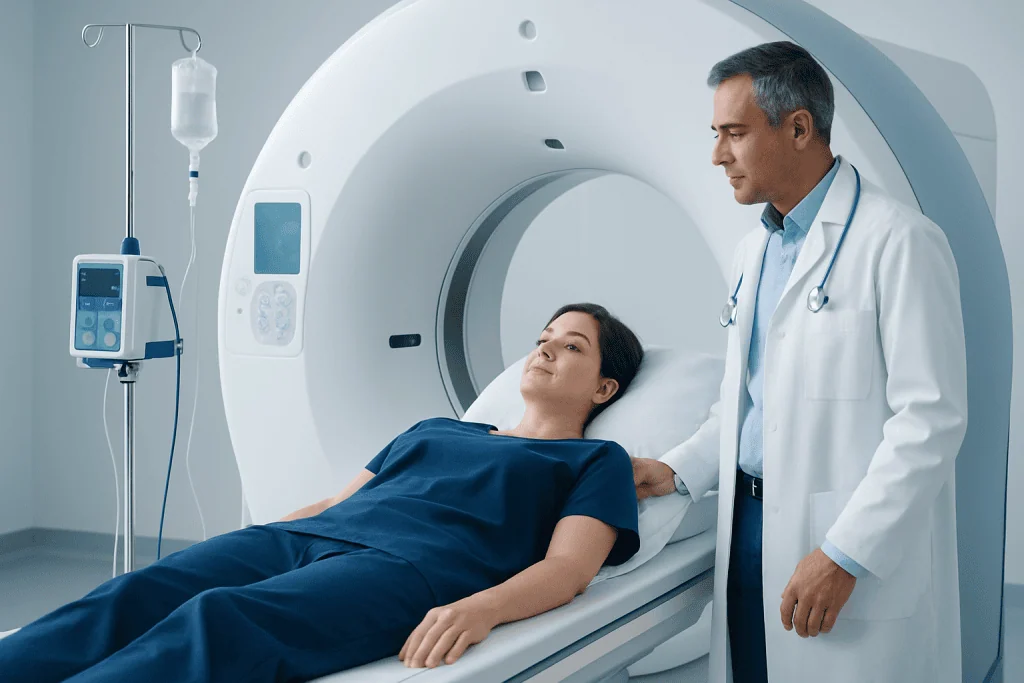
Cancer spread is a biological process called metastasis. To spread successfully, cancer cells must separate from the original tumor, survive in circulation, attach to a new site, and grow there. This is a complex process, and not all cancer cells are able to do it. That is one reason why some cancers are more likely to metastasize than others.
The places where a cancer spreads often follow patterns. For instance, prostate cancer often spreads to bone, colon cancer commonly spreads to the liver, and lung cancer may spread to the brain, bones, or adrenal glands. These patterns help doctors decide which tests may be most useful when metastasis is suspected.
Metastatic tumors can affect body function in different ways. They may press on nerves, weaken bones, block organs, or cause general symptoms such as fatigue and weight loss. Because of this, symptoms of metastatic cancer may come from the new site of spread rather than the original tumor itself.
Some people are first diagnosed with cancer only after metastatic disease is found. In other cases, metastasis develops months or years after treatment for an earlier cancer. Regular follow-up and attention to new symptoms are important after a cancer diagnosis.
Symptoms of Metastatic Cancer

There is no single symptom pattern for metastatic cancer. Some people have no symptoms at first, while others notice clear changes in their health. Symptoms depend on the organs involved, the size and number of metastatic tumors, and the underlying cancer type.
General symptoms can include persistent fatigue, unexplained weight loss, loss of appetite, ongoing pain, or a decline in usual daily functioning. These symptoms do not always mean cancer has spread, but they should be assessed, especially in someone with a current or previous cancer diagnosis.
Symptoms may also reflect the area of spread:
- Bone: pain, fractures, weakness, or high calcium levels causing thirst or confusion
- Liver: abdominal discomfort, nausea, swelling, jaundice, or abnormal liver tests
- Lungs: shortness of breath, persistent cough, chest pain, or coughing up blood
- Brain: headaches, seizures, balance problems, weakness, vision changes, or confusion
- Spinal cord: back pain, numbness, bowel or bladder changes, or leg weakness
Symptoms may overlap with those of other conditions. That is why diagnosis should not be based on symptoms alone. People being treated for cancer should tell their care team about any new or worsening symptoms promptly.
Causes and Risk Factors
Metastatic cancer is caused by the spread of malignant cells from a primary cancer. It is not caused by an infection, an injury, or something a person did wrong. In some cases, spread occurs because the original cancer was already biologically aggressive. In others, tiny areas of spread may have been present before the first diagnosis but were too small to detect at the time.
Several factors can influence the chance that a cancer will metastasize. These include the cancer type, tumor grade, genetic and molecular features, tumor size, lymph node involvement, and how early the cancer was found. Delays in diagnosis may increase the likelihood of spread in some cancers, but even cancers detected early can sometimes later recur as metastatic disease.
Risk also depends on the treatment history. A person who has had cancer surgery, chemotherapy, radiation therapy, hormone therapy, targeted therapy, or immunotherapy may still develop metastases later if some cancer cells survived treatment. This does not mean treatment failed completely; rather, cancer biology can be unpredictable.
For patients and families, it helps to understand that metastatic disease usually reflects the nature of the cancer more than personal choices. Healthy habits remain valuable because they support overall well-being, strength during treatment, and recovery from complications, but they cannot guarantee prevention of metastasis.
How Metastatic Cancer Is Diagnosed
Diagnosis usually begins with a medical history, symptom review, and physical examination. If metastatic cancer is suspected, doctors often order imaging tests to look for signs of spread. These may include CT, MRI, PET-CT, bone scans, ultrasound, or X-rays, depending on the likely sites involved. PET-CT imaging can be especially helpful in identifying active disease in different parts of the body.
Blood tests may provide clues about organ function and the effects of cancer on the body. Examples include liver tests, kidney tests, calcium levels, complete blood count, and sometimes tumor markers. Tumor markers alone cannot confirm metastatic cancer, but they may support other findings or help monitor treatment response.
In many cases, a biopsy is needed to confirm the diagnosis. A sample taken from a suspected metastatic area can show whether the lesion is cancer and whether it matches the original cancer type. Pathology and molecular testing may reveal specific mutations or markers that guide treatment. This is especially important when modern medical oncology options such as targeted therapy or immunotherapy are being considered.
Doctors may also evaluate whether symptoms are due to a complication that needs urgent attention, such as spinal cord compression, severe hypercalcemia, or brain swelling. In people with cancers known to spread to the liver or pancreas region, doctors may also investigate related digestive symptoms with appropriate cancer-focused assessment, including for conditions such as liver cancer when clinically relevant.
Treatment Options and Goals of Care
Treatment for metastatic cancer is individualized. The main goals are often to control the cancer, relieve symptoms, slow progression, and preserve quality of life. The best plan depends on the primary cancer type, sites of metastasis, the person’s overall health, previous treatments, and personal preferences.
Systemic treatments are the main approach for many metastatic cancers because they travel throughout the body. These may include chemotherapy, hormone therapy, targeted therapy, immunotherapy, or combinations of these. Treatment choice increasingly depends on the molecular profile of the tumor. For some cancers, immunotherapy may help the immune system recognize and attack cancer cells.
Local treatments may also play an important role. Radiation therapy can reduce pain, control bleeding, or treat brain or bone metastases. Surgery may be used in selected situations, such as stabilizing a weakened bone, relieving a blockage, or removing a limited number of metastases. Palliative procedures, drainage, or pain interventions can also improve comfort and function.
Supportive and palliative care should be part of treatment from an early stage, not only at the end of life. This care focuses on symptom relief, nutrition, emotional support, sleep, mobility, and decision-making. In complex cases, multidisciplinary teams may be involved. Acibadem International’s multidisciplinary specialists and JCI-accredited hospitals diagnose and treat metastatic cancer for international patients, including related primary diseases such as lung cancer when coordinated specialist care is needed.
Living With Metastatic Cancer: Self-care and Practical Support
Living with metastatic cancer often means balancing treatment, symptoms, and everyday life. Many people benefit from keeping a clear list of medications, appointments, and symptom changes. A written symptom diary can help the care team understand pain patterns, appetite changes, bowel habits, sleep problems, or treatment side effects.
Self-care does not replace medical treatment, but it can support overall well-being. Helpful measures may include gentle physical activity when possible, regular hydration, balanced meals, rest periods, and asking early for help with pain, nausea, breathlessness, or mood changes. Emotional support from counseling, peer groups, family, or spiritual care can also be valuable.
Practical planning may reduce stress. Some patients find it helpful to discuss work, travel, fertility, insurance, caregiving, and advance care planning early rather than waiting for a crisis. Honest conversations with doctors can help align treatment decisions with personal priorities, whether the focus is symptom control, time at home, or trying additional therapies.
There is no single “right” way to cope with metastatic cancer. Some people want detailed information; others prefer information in smaller steps. Reassurance often comes from knowing that symptoms can often be managed and that care plans can be adjusted over time as needs change.
When to Seek Medical Care
Anyone with a current or previous cancer diagnosis should contact a doctor if new symptoms appear or existing symptoms clearly worsen. Early review can identify complications, confirm whether cancer has spread, and allow treatment to start sooner when needed. Even symptoms that seem minor may be worth discussing if they persist.
Urgent medical attention is important for severe shortness of breath, sudden weakness, seizures, confusion, loss of bladder or bowel control, coughing up blood, or intense pain that is not controlled. These symptoms do not always mean metastatic cancer, but they may signal a serious complication that needs immediate assessment.
People without a known cancer diagnosis should also seek care for unexplained weight loss, a lasting cough, ongoing bone pain, persistent headaches, jaundice, or unusual neurological symptoms. These problems are often caused by conditions other than cancer, but they should not be ignored.
Regular follow-up matters after any cancer treatment. Recommended scans, blood tests, and clinic visits help monitor for recurrence, treatment effects, and symptom changes. A qualified doctor can explain which warning signs are most relevant based on the person’s cancer type and medical history.
Frequently asked questions
Is metastatic cancer the same as terminal cancer?
Not always. Metastatic cancer means the cancer has spread, but some people live with it for long periods with treatment. The outlook depends on the cancer type, where it has spread, how it responds to treatment, and the person’s overall health.
Can metastatic cancer be cured?
Many metastatic cancers are not considered curable, but they can often be treated effectively. Treatment may shrink tumors, slow growth, reduce symptoms, and help maintain quality of life. In selected situations, long-term disease control is possible.
What is the difference between primary cancer and metastatic cancer?
Primary cancer is the original cancer where it first began. Metastatic cancer is made of cells from that original cancer, but it has spread to another part of the body. It keeps the name of the original cancer, not the new location.
How do doctors know if cancer has spread?
Doctors use symptoms, physical examination, imaging tests, blood tests, and often a biopsy. The biopsy helps confirm that a suspicious area is truly cancer and identifies its type. This information guides treatment choices.
Does metastatic cancer always cause pain?
No. Some people have little or no pain, especially early on, while others have pain related to bone, nerve, or organ involvement. Pain should always be discussed with a doctor because it can often be treated effectively.
Which cancers are more likely to become metastatic?
Many cancers can spread, but the tendency varies by cancer type and biology. Factors such as tumor grade, stage at diagnosis, lymph node involvement, and molecular features all matter. A doctor can explain the risk pattern for a specific cancer.
This article is for general information only and is not a substitute for professional medical advice. Please consult a qualified doctor about your individual situation.
Oncology care in Turkey — second opinion and treatment plan
JCI-accredited · board-certified surgeons · reply within 24h
Add us as a Preferred Source to see more of our trusted health content across Google Search, AI Overviews and Discover.

Medical Oncology Specialists at Acibadem





More from the Health Library

Shoulder Tendonitis: Symptoms, Causes, and Treatment Options

Hrt Therapy: How It Works, Results and What to Expect

Teratoma Treatment: How It Works, Results and What to Expect

Understanding Chronic Appendicitis: A Complete Patient Guide
Cystic Fibrosis: Symptoms, Causes, and Treatment Options