

Understanding Plastic Bronchitis: A Complete Patient Guide

Plastic bronchitis happens when large mucus-like casts form in the bronchi and obstruct airflow. Symptoms can include cough, wheezing, shortness of breath, chest discomfort, and coughing up branching casts.
Key Takeaways
- Plastic bronchitis happens when large mucus-like casts form in the bronchi and obstruct airflow.
- Symptoms can include cough, wheezing, shortness of breath, chest discomfort, and coughing up branching casts.
- Diagnosis usually involves imaging, bronchoscopy, and evaluation for heart, lung, or lymphatic causes.
- Treatment may include urgent airway clearance, inhaled or procedural therapies, and management of the underlying condition.
- Anyone with breathing difficulty, bluish lips, or worsening respiratory symptoms should seek prompt medical care.
Plastic bronchitis is a rare condition in which thick, rubbery casts form inside the airways and can partly or completely block breathing. It can affect children or adults and often occurs alongside heart disease, lymphatic problems, asthma, or other lung conditions, so treatment focuses on both clearing the casts and addressing the underlying cause.
What is plastic bronchitis?
Plastic bronchitis is a rare airway disorder in which thick, cohesive material forms casts inside the bronchial tubes. These casts can take the shape of the branching airways and may partially or completely block the flow of air. In simple terms, it is not just ordinary mucus; the material is often much firmer and more difficult to clear with coughing alone.
The condition can develop in both children and adults, but the reasons behind it vary. In some people, it is linked to congenital heart disease or changes in lymphatic flow, especially after certain heart surgeries. In others, it may be associated with asthma, respiratory infections, inflammatory conditions, or other lung diseases. Because plastic bronchitis has more than one possible cause, evaluation usually looks beyond the lungs alone.
Although uncommon, plastic bronchitis is important because the casts can lead to sudden breathing problems. Some people only have intermittent symptoms, while others experience repeated episodes. A patient-friendly way to understand the condition is to think of it as a sign that the airways are producing and retaining abnormal material, often due to another medical issue that also needs attention.
How plastic bronchitis affects breathing
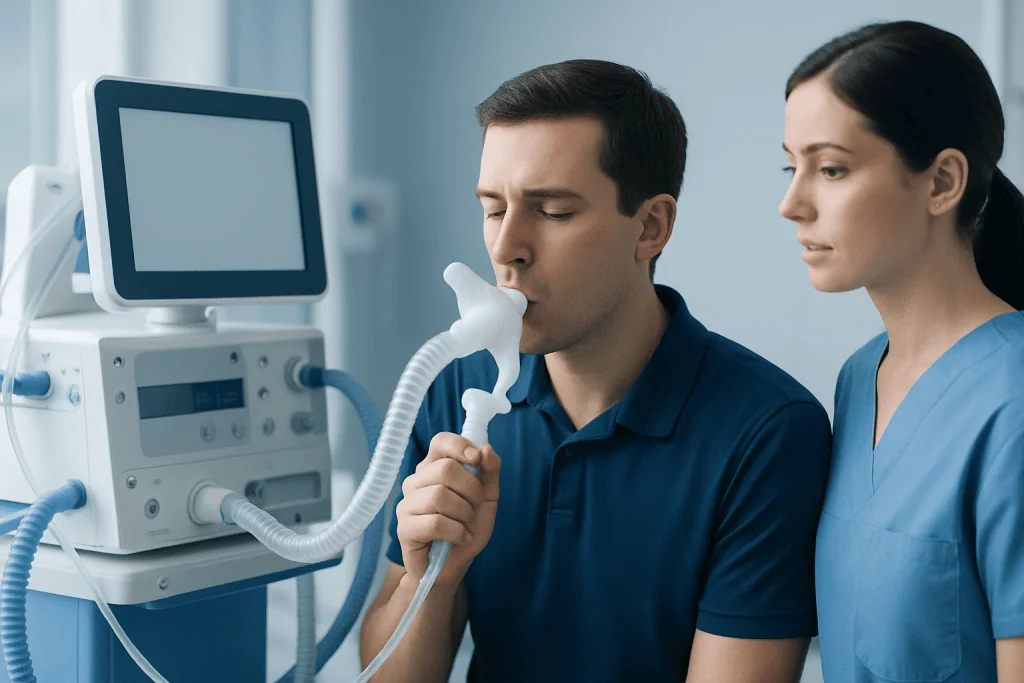
The bronchi are the main passageways that carry air from the windpipe into the lungs. When a cast forms, it narrows or blocks one of these passages. That can reduce the amount of air reaching part of the lung, sometimes causing wheezing, a sensation of chest tightness, or shortness of breath. If a larger airway is involved, symptoms may become severe quite quickly.
Unlike ordinary mucus plugs, bronchial casts in plastic bronchitis may be rubbery, branching, and difficult to expel. Some patients cough up a piece that looks like a small tree branch. This can be alarming, but it is also a clue that helps doctors recognize the condition. In other cases, the cast remains inside the airway and is only found during imaging or bronchoscopy.
When airflow is blocked, the affected part of the lung may not expand properly. This can lead to low oxygen levels, persistent cough, or recurrent chest infections. The exact effects depend on how large the cast is, where it sits, and whether there is an ongoing condition such as asthma or another respiratory problem contributing to inflammation and mucus production.
Symptoms and warning signs

Plastic bronchitis symptoms can range from mild to urgent. Some people notice a persistent cough, wheezing, noisy breathing, chest discomfort, or unusual tiredness with activity. Others develop sudden shortness of breath if a larger cast blocks a major airway. Symptoms may come and go, especially if casts form intermittently.
A distinctive sign is coughing up firm, branching material that reflects the shape of the airways. Not everyone with plastic bronchitis will see this, but when it happens it can strongly suggest the diagnosis. Coughing up casts may temporarily improve breathing if the blockage is released, though symptoms can return if new casts form.
Other signs that may occur include:
- Fast breathing or labored breathing
- Persistent wheezing that does not improve as expected
- Reduced exercise tolerance
- Recurrent pneumonia or repeated lung infections
- Low oxygen levels or bluish lips in severe cases
- Fever if infection is also present
Because these symptoms overlap with common conditions such as asthma or bronchitis, plastic bronchitis may not be recognized immediately. Ongoing or unusual respiratory symptoms deserve medical assessment, especially in a person with complex heart disease or repeated unexplained airway blockages.
Causes and risk factors
Plastic bronchitis is not a single disease with one cause. Instead, it is a syndrome that can appear when airway secretions become abnormally thick or when protein-rich fluid enters the airways and hardens into casts. Doctors often think about two broad patterns: inflammatory airway-related casts and casts associated with lymphatic leakage or altered circulation.
One of the best-known risk groups includes children or adults who have had surgery for complex congenital heart disease, especially Fontan-type circulation. In these cases, abnormal lymphatic drainage can allow lymph fluid to enter the airways and form casts. Because of this connection, specialists may also assess for related heart or lymphatic abnormalities when plastic bronchitis is suspected, sometimes alongside evaluation by pediatric cardiology and cardiac surgery teams or adult heart specialists, depending on the patient.
Other possible contributors include asthma, respiratory infections, allergic inflammation, sickle cell disease, cystic fibrosis, and chronic lung irritation. Some patients may also have episodes after severe viral illness or with poorly controlled airway inflammation. In these cases, treating the underlying lung condition can reduce the chance of future casts.
Risk factors may include:
- Congenital heart disease or previous heart surgery
- Lymphatic flow disorders
- Asthma or chronic airway inflammation
- Recurrent respiratory infections
- Other structural or chronic lung conditions
How doctors diagnose plastic bronchitis
Diagnosis begins with the medical history and physical examination. Doctors ask about episodes of wheezing, sudden breathing difficulty, recurrent infections, underlying heart disease, asthma, and whether the person has coughed up branching material. If a cast has been expectorated, it may be examined in the laboratory to better understand what it is made of.
Imaging tests such as chest X-ray or CT can show areas of blockage, collapse of part of the lung, or other changes that suggest an obstructed airway. However, imaging may not always reveal the full picture. For many patients, the most informative test is bronchoscopy, which allows a specialist to look directly into the airways, remove casts, and assess how extensive the blockage is.
Doctors also investigate why the casts are forming. This may include lung function testing, blood tests, infection testing, cardiac evaluation, and in selected cases advanced lymphatic imaging. If another condition is suspected, the team may coordinate care across respiratory, cardiology, radiology, and pediatric or adult medicine. In some patients, assessment for broader airway disease can overlap with evaluation for bronchitis or other respiratory disorders, but plastic bronchitis has distinct features that guide treatment.
Treatment options and ongoing care
Treatment for plastic bronchitis has two goals: relieve the immediate airway blockage and reduce the risk of new cast formation. If breathing is significantly affected, urgent care may be needed to restore airflow and oxygenation. The exact treatment plan depends on the severity of symptoms and the underlying cause.
When a cast is causing obstruction, bronchoscopy is often used to remove it directly. This can provide fast relief and also help confirm the diagnosis. Depending on the patient, doctors may also use inhaled therapies, chest physiotherapy, hydration, airway clearance techniques, or medicines intended to thin secretions or reduce inflammation. If there is associated narrowing or other structural airway disease, a respiratory specialist may consider supportive procedural care along with interventional bronchoscopy.
Longer-term treatment focuses on the condition driving the cast formation. For patients with asthma or inflammatory airway disease, better control of lung inflammation may help. For those with congenital heart disease or suspected lymphatic leakage, care may involve cardiology and specialized imaging or procedures to address abnormal lymphatic flow. Some patients benefit from coordinated follow-up through pulmonology and other specialties.
Because plastic bronchitis is rare, treatment is individualized rather than one-size-fits-all. Follow-up is important, especially after a first episode, because recurrence can happen if the underlying issue is not fully managed. Near the end of the care pathway, some international patients choose assessment at centers such as Acibadem International, where multidisciplinary specialists and JCI-accredited hospitals evaluate complex heart and respiratory conditions.
Prevention, self-care, and living with the condition
There is no universal way to prevent plastic bronchitis, because prevention depends on the cause. The most helpful strategy is careful management of the underlying condition, whether that is asthma, congenital heart disease, lymphatic disease, or another chronic lung problem. Keeping routine appointments and following the specialist’s plan can lower the chance of repeat episodes.
At home, patients may be advised to stay well hydrated, use prescribed inhaled medicines correctly, and practice airway clearance techniques if recommended. Avoiding smoke exposure and seeking timely treatment for respiratory infections may also help reduce airway irritation. Self-care should always complement, not replace, medical treatment, especially in people with previous severe episodes.
Families and caregivers often feel more confident when they know what worsening symptoms look like. It can be useful to have a written action plan that explains when to use routine medicines, when to contact the medical team, and when to seek emergency care. This is particularly important for children or for anyone with a history of sudden airway obstruction.
When to seek medical care
Medical care should be sought promptly if a person develops new or worsening shortness of breath, noisy breathing, persistent wheezing, chest pain, or signs that they are struggling to breathe. Coughing up a bronchial cast, especially if symptoms continue afterward, also needs professional assessment. Even when symptoms improve, plastic bronchitis can point to an underlying problem that needs evaluation.
Emergency care is needed if there is severe breathlessness, blue or gray lips, confusion, fainting, or inability to speak in full sentences. In children, flaring nostrils, chest retractions, unusual sleepiness, or poor feeding can also be warning signs. These symptoms may mean significant airway blockage or low oxygen levels.
People with known heart disease, previous Fontan-type surgery, recurrent lung infections, or repeated episodes of unexplained airway obstruction should discuss symptoms early with a qualified doctor. Timely diagnosis can make treatment more effective and may help prevent recurrence by identifying the root cause.
Frequently asked questions
Is plastic bronchitis the same as ordinary bronchitis?
No. Ordinary bronchitis usually refers to inflammation of the airways, often from infection or irritation, while plastic bronchitis involves the formation of thick casts that can physically block the bronchi. The symptoms can overlap, but plastic bronchitis is rarer and may require specialized evaluation and treatment.
What do bronchial casts look like?
Bronchial casts are often described as rubbery or firm pieces of material that may look like a small branching tree. They form in the shape of the airways. Some patients cough them up, while others only have them detected during bronchoscopy.
Can adults get plastic bronchitis, or is it only a childhood condition?
Both adults and children can develop plastic bronchitis. It is often discussed in children because of its association with congenital heart disease, but adults may also be affected, especially when there is underlying lung, inflammatory, or lymphatic disease. The cause and treatment plan can differ by age and medical history.
Is plastic bronchitis dangerous?
It can be serious because casts may block airflow and reduce oxygen levels. Some episodes are mild, while others need urgent treatment, particularly if breathing becomes difficult. Prompt medical evaluation is important whenever symptoms suggest airway obstruction.
How is plastic bronchitis treated in an emergency?
Emergency treatment focuses on supporting breathing and removing the airway blockage. Doctors may provide oxygen and use bronchoscopy to locate and extract casts. Additional treatment depends on the patient's condition and the suspected underlying cause.
Can plastic bronchitis come back after treatment?
Yes, recurrence is possible, especially if the underlying cause is still present. That is why follow-up care is important after the casts are removed. Ongoing management of heart, lung, or lymphatic problems may reduce future episodes.
References
- National Heart, Lung, and Blood Institute
- American Thoracic Society
- National Organization for Rare Disorders
- American Academy of Pediatrics
- European Respiratory Society
This article is for general information only and is not a substitute for professional medical advice. Please consult a qualified doctor about your individual situation.
Bronchitis in Turkey — costs, top hospitals & a free quote
JCI-accredited · board-certified surgeons · reply within 24h
Add us as a Preferred Source to see more of our trusted health content across Google Search, AI Overviews and Discover.

More from the Health Library



Related Specialists

Asst. Prof. Dr. Ceyda Çaytemel
Dermatology
Assoc. Prof. Dr. Serap Şahin Önder
Otorhinolaryngology
Dr. Melike Gezer
Ophthalmology
Prof. Dr. Evrim Kadriye Tezcanlı
Radiation Oncology