Understanding Rotator Cuff Tendons Treatment: A Complete Patient Guide

Many people improve with non-surgical rotator cuff tendons treatment, especially when the injury is mild or partial. Pain at night, weakness, and difficulty lifting the arm are common signs of a rotator cuff problem.
Key Takeaways
- Many people improve with non-surgical rotator cuff tendons treatment, especially when the injury is mild or partial.
- Pain at night, weakness, and difficulty lifting the arm are common signs of a rotator cuff problem.
- Imaging such as ultrasound or MRI may help confirm a tear and guide treatment decisions.
- Surgery is usually considered when symptoms persist, function is limited, or a full-thickness tear is present.
- Early evaluation can help prevent stiffness, ongoing pain, and worsening weakness.
Rotator cuff tendons treatment usually starts with activity changes, pain relief, and guided physical therapy, while larger tears or persistent weakness may need surgery. The best approach depends on symptoms, age, activity level, the size of the injury, and how much shoulder function is affected.
Overview: What rotator cuff tendons treatment involves
Rotator cuff tendons treatment is the medical care used to reduce pain, restore movement, and improve shoulder strength when the tendons of the rotator cuff become irritated, strained, or torn. In many cases, treatment begins conservatively with rest from painful overhead activities, anti-inflammatory strategies, and a structured rehabilitation plan. If symptoms continue or the tendon injury is more severe, a specialist may recommend injections or surgery.
The rotator cuff is a group of four muscles and their tendons that help stabilize the shoulder and lift or rotate the arm. Because the shoulder has a wide range of motion, these tendons work hard in daily life and can be affected by sports, repetitive work, age-related wear, or sudden trauma. A rotator cuff problem may range from tendon inflammation and tendinopathy to a partial tear or a full-thickness tear.
Successful care is not only about relieving pain. The broader goal is to restore normal shoulder mechanics so the person can sleep more comfortably, dress, reach overhead, drive, work, and return to preferred activities. Treatment plans are individualized, and a doctor will usually consider symptom severity, function, imaging results, and general health before deciding on the next step.
How the rotator cuff works and why it gets injured
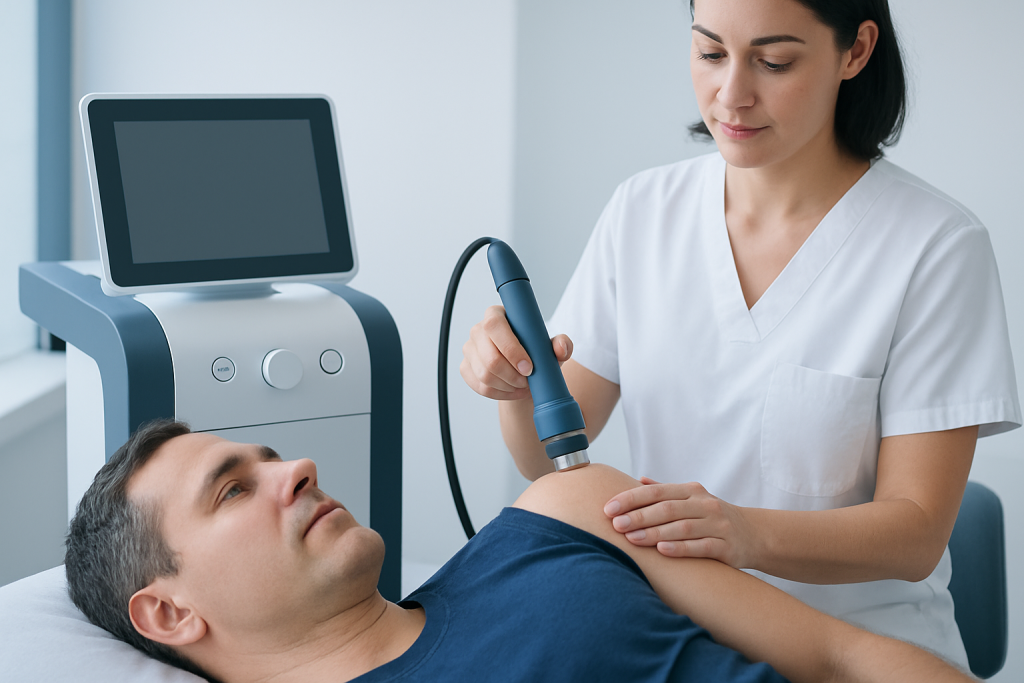
The rotator cuff helps keep the head of the upper arm bone centered in the shoulder socket during movement. This support allows smooth lifting, reaching, and rotation. When one or more tendons are overloaded or damaged, shoulder motion can become painful, weak, or limited.
Some injuries happen suddenly, such as after a fall onto the outstretched arm, lifting something heavy, or a sports accident. Others develop gradually over time. Repeated overhead motion, age-related tendon degeneration, poor shoulder mechanics, and reduced blood supply to the tendon can all contribute to wear and tear.
Rotator cuff conditions may also occur alongside related shoulder problems. For example, shoulder stiffness can develop after pain leads to reduced use, and some people may also have frozen shoulder or impingement-type symptoms. Understanding the exact pattern of injury helps guide whether rehabilitation alone is likely to work or whether more advanced treatment is appropriate.
Symptoms and signs to watch for

Rotator cuff injuries often cause pain on the outer side of the shoulder or upper arm. The discomfort may be worse when lifting the arm, reaching behind the back, or doing overhead tasks such as placing an item on a shelf. Many people also notice pain at night, especially when lying on the affected side.
Weakness is another important symptom. A person may feel that the arm is harder to raise, less steady, or unable to perform activities that were previously easy. Some people describe a catching sensation, clicking, or a painful arc during movement. In more significant tears, lifting the arm away from the body can become distinctly difficult.
Symptoms can vary depending on whether the problem is tendon irritation, a partial tear, or a complete tear. Mild cases may mainly cause pain with preserved strength, while more advanced injuries may affect both motion and function. Persistent symptoms should not be ignored, because prolonged pain can lead to stiffness and compensation patterns that make recovery slower.
- Shoulder pain with reaching or lifting
- Night pain that disrupts sleep
- Weakness in the arm or shoulder
- Difficulty combing hair, dressing, or fastening clothing
- Pain after sports, repetitive work, or a fall
Causes, risk factors, and who may need treatment
Rotator cuff tendon problems become more common with age because tendon tissue gradually changes over time. Everyday use, reduced tendon resilience, and small repetitive stresses can contribute to degeneration. This is why some tears are found in older adults even without a single memorable injury.
Certain activities increase the chance of symptoms. Repetitive overhead sports such as tennis, swimming, and throwing can overload the tendons. Jobs that involve repeated lifting, painting, reaching, or manual labor may have a similar effect. Poor posture, muscle imbalance, and shoulder instability can also change how forces move through the joint.
Not every rotator cuff tear needs surgery, but some situations deserve closer evaluation. These include a sudden traumatic tear, marked weakness, loss of shoulder function, ongoing symptoms despite rehabilitation, or a tear that appears large on imaging. In these cases, an orthopedic assessment can help determine whether conservative care remains reasonable or whether orthopedic rehabilitation and surgical planning should be discussed together.
How doctors diagnose a rotator cuff tendon problem
Diagnosis starts with a careful medical history and physical examination. The doctor will ask when the pain started, whether there was an injury, what movements make symptoms worse, and whether weakness or night pain is present. During the exam, they assess range of motion, strength, tenderness, and specific movements that can suggest a rotator cuff tear.
Imaging may be used to confirm the diagnosis and understand the extent of damage. Plain X-rays do not show tendons directly, but they can help rule out arthritis, bone spurs, or other structural causes of shoulder pain. Ultrasound can visualize the tendons dynamically, while MRI gives more detail about tendon tears, retraction, inflammation, and associated shoulder changes.
Diagnosis is important because shoulder pain has several possible causes, including bursitis, impingement, labral injury, arthritis, and neck-related pain. In some cases, a person may benefit from broader shoulder surgery evaluation if symptoms are severe or complex. A clear diagnosis helps match treatment intensity to the actual injury rather than treating all shoulder pain the same way.
Treatment options: from conservative care to surgery
For many people, the first line of rotator cuff tendons treatment is non-surgical. This often includes reducing painful activities for a time, using ice or other simple pain-relief measures, and following a personalized physical therapy program. Therapy typically focuses on restoring flexibility, improving shoulder blade control, and strengthening the rotator cuff and surrounding muscles in a gradual way.
Doctors may sometimes recommend medicines for pain or inflammation, if suitable for the person’s health profile. In selected cases, a corticosteroid injection into the shoulder region may help reduce pain and make rehabilitation easier. However, injections are not a cure for a tear, and decisions about repeated injections should be made carefully with a clinician.
Surgery may be considered when pain and weakness persist despite good conservative care, when there is a large or full-thickness tear, or after an acute traumatic injury in an active person. Depending on the pattern of damage, treatment may involve arthroscopic repair, debridement, or related procedures. If surgery is advised, patients may also discuss arthroscopic surgery approaches that use small incisions and specialized instruments.
Recovery depends on the severity of the injury and the treatment chosen. Non-surgical treatment may improve symptoms over weeks to months. After repair surgery, healing takes longer because the tendon must reattach and strengthen over time. A structured rehabilitation plan is essential in both situations to regain motion safely and reduce the risk of recurrent problems.
Recovery, self-care, and prevention
Recovery is often gradual, even when progress is going well. Tendons heal more slowly than muscles, and shoulder movement can remain sensitive for some time. Following the treatment plan consistently, rather than trying to return to full activity too quickly, usually leads to better long-term results.
Helpful self-care may include avoiding repeated overhead strain during painful phases, maintaining good posture, and doing prescribed exercises regularly. Gentle mobility work can prevent stiffness, while strengthening the shoulder blade muscles and rotator cuff can improve support around the joint. People who do sports or physical work often benefit from technique adjustments, warm-up routines, and a gradual return to load.
Prevention is not always possible, especially with age-related degeneration, but risk can be lowered. Balanced shoulder conditioning, sensible training progression, and early attention to pain are important. People with recurring shoulder symptoms should seek professional guidance instead of relying only on rest, because untreated weakness or compensation can make future injury more likely.
Near the end of the care pathway, some patients may benefit from multidisciplinary follow-up that includes orthopedics, imaging, and rehabilitation. Acibadem International’s multidisciplinary specialists and JCI-accredited hospitals diagnose and treat shoulder conditions for international patients when advanced evaluation or coordinated care is needed.
When to seek medical care
Medical evaluation is appropriate if shoulder pain lasts more than a few weeks, interferes with sleep, or limits normal daily activities. A doctor should also assess symptoms if there is visible weakness, loss of range of motion, or pain that returns repeatedly despite rest and home care.
Urgent assessment is more important after a fall or sudden injury followed by marked weakness, inability to lift the arm, significant swelling, or severe pain. These features can suggest a more serious tear or another injury around the shoulder that needs prompt diagnosis.
Early care can make treatment decisions clearer and may improve recovery planning. It also helps distinguish rotator cuff problems from other causes of shoulder pain, including bursitis, arthritis, and referred pain from the neck. Anyone unsure about persistent shoulder symptoms should speak with a qualified healthcare professional.
Frequently asked questions
What is the best rotator cuff tendons treatment?
The best treatment depends on the type of injury, the severity of pain, the amount of weakness, and the person's activity needs. Many patients do well with physical therapy and activity modification, while larger tears or persistent functional loss may require surgery.
Can a rotator cuff tear heal without surgery?
Some partial tears and many degenerative rotator cuff problems can be managed successfully without surgery. Symptoms may improve with rehabilitation even if the tendon does not fully restore its original structure, but ongoing weakness or major tears still need medical assessment.
How long does recovery take?
Recovery time varies widely. Mild cases treated conservatively may improve over several weeks to a few months, while recovery after surgical repair usually takes several months and continues through supervised rehabilitation.
Is exercise safe for a rotator cuff injury?
Exercise is often an important part of treatment, but it should be the right kind and at the right stage of recovery. A clinician or physical therapist can guide safe exercises that improve flexibility and strength without overloading the tendon.
When is surgery usually recommended?
Surgery is commonly considered when there is a full-thickness tear, significant weakness, a sudden traumatic injury, or persistent symptoms despite appropriate non-surgical care. The decision also depends on age, activity level, goals, and imaging findings.
Can rotator cuff pain come back after treatment?
Yes, symptoms can return, especially if the shoulder is overloaded too quickly, posture and mechanics are not addressed, or the tendon has chronic degeneration. Ongoing strengthening, gradual activity progression, and follow-up when symptoms recur can help reduce the risk.
References
- American Academy of Orthopaedic Surgeons
- National Institute of Arthritis and Musculoskeletal and Skin Diseases
- American Shoulder and Elbow Surgeons
- Mayo Clinic
- National Health Service
This article is for general information only and is not a substitute for professional medical advice. Please consult a qualified doctor about your individual situation.
Rotator Cuff in Turkey — costs, top hospitals & a free quote
JCI-accredited · board-certified surgeons · reply within 24h
Add us as a Preferred Source to see more of our trusted health content across Google Search, AI Overviews and Discover.