Understanding Squamous Cell Lung Cancer: A Complete Patient Guide
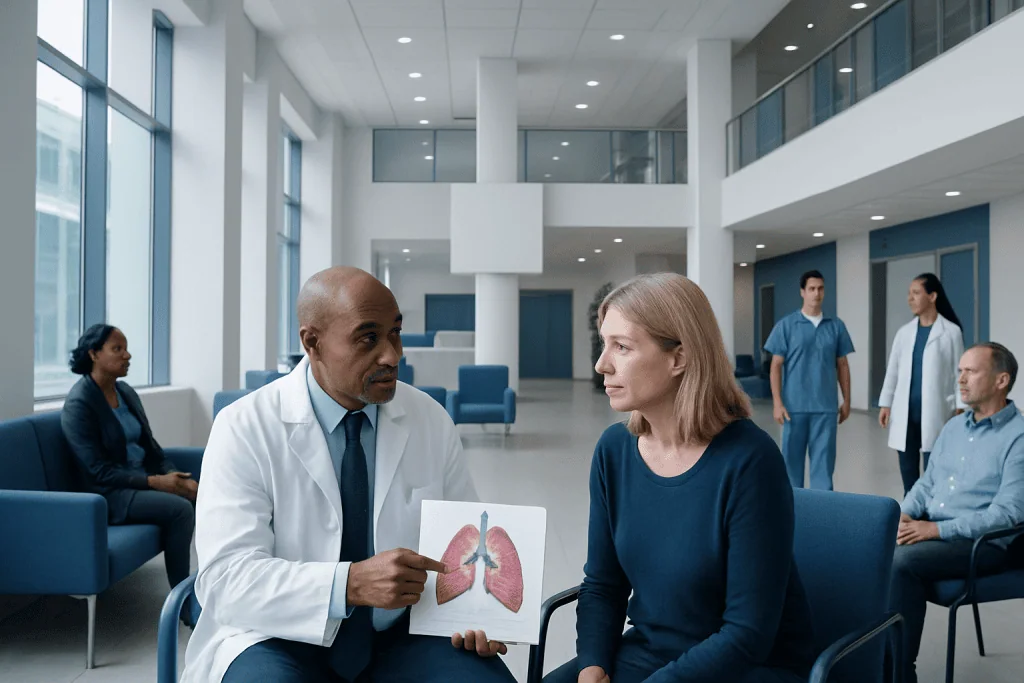
Squamous cell lung cancer is one of the main forms of non-small cell lung cancer. It often starts near the central airways and is strongly associated with tobacco exposure, although it can occur in people who have never smoked.
Key Takeaways
- Squamous cell lung cancer is one of the main forms of non-small cell lung cancer.
- It often starts near the central airways and is strongly associated with tobacco exposure, although it can occur in people who have never smoked.
- Diagnosis requires imaging and a tissue biopsy, followed by staging and laboratory testing of the tumor.
- Surgery, radiation therapy, systemic treatments, or a combination may be used depending on the stage.
- New or persistent cough, coughing up blood, unexplained weight loss, or worsening breathlessness should be assessed promptly.
Squamous cell lung cancer is a type of non-small cell lung cancer that develops from flat cells lining the larger airways of the lungs. Treatment and outlook depend on how far the cancer has spread, the person’s overall health, and detailed testing of the tumor.
Overview: What Is Squamous Cell Lung Cancer?
Squamous cell lung cancer, also called squamous cell carcinoma of the lung, is a cancer that starts in squamous cells. These are thin, flat cells that help line the larger breathing tubes, known as bronchi, inside the lungs. It is a form of non-small cell lung cancer (NSCLC), the most common broad group of lung cancers.
Compared with some other types of lung cancer, squamous cell tumors more often arise in the central part of the lung, close to a major airway. However, their location can vary. As the tumor grows, it may narrow an airway, affect nearby lung tissue, or, if not treated, spread to lymph nodes or other areas of the body.
A diagnosis can feel overwhelming, but care is individualized. The clinical team considers the cancer stage, imaging results, biopsy findings, tumor biomarker tests, lung function, other health conditions, and the person’s preferences. These details help determine which treatments are appropriate and in what order.
Possible Symptoms and How They May Develop
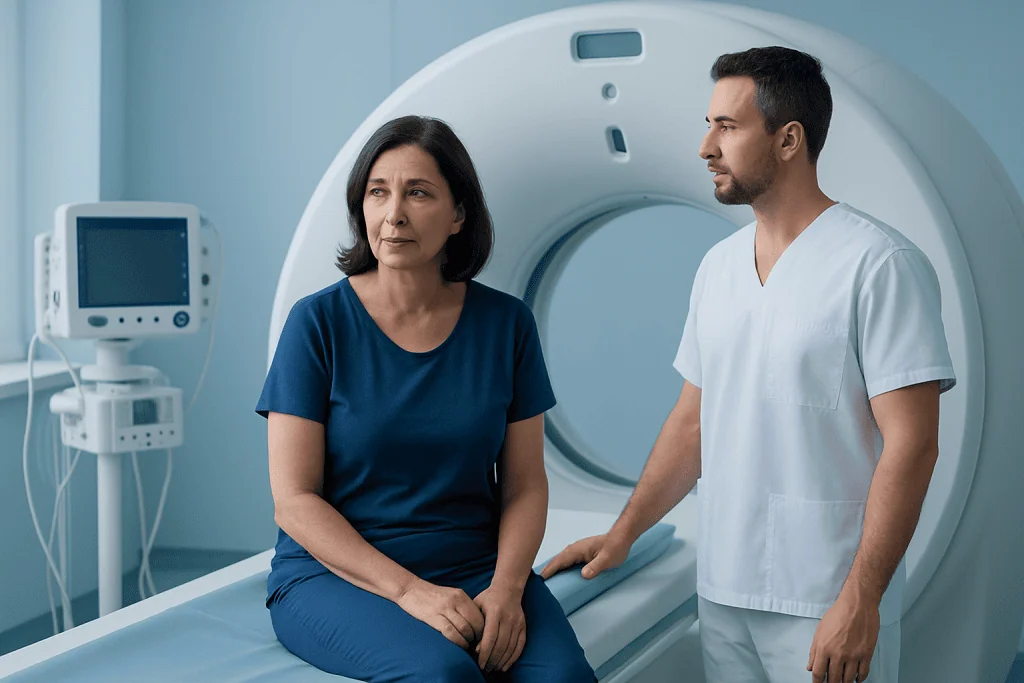
Early squamous cell lung cancer may cause no noticeable symptoms. When symptoms occur, they are often related to irritation or blockage of an airway. A cough that does not improve or a change in a long-standing cough is one of the more common reasons people seek medical assessment.
Other possible symptoms include shortness of breath, wheezing, chest discomfort, repeated chest infections, hoarseness, fatigue, reduced appetite, and unintentional weight loss. Some people may cough up small amounts of blood or blood-streaked mucus. These symptoms can also result from infections, chronic lung disease, or other non-cancerous conditions, so they do not automatically mean cancer is present.
- A cough lasting several weeks or a clear change in a usual cough
- Breathlessness that is new or gradually worsening
- Chest pain, particularly when coughing or taking a deep breath
- Repeated pneumonia or bronchitis in the same area of the lung
- Persistent tiredness, appetite changes, or unexplained weight loss
If cancer has spread beyond the lung, symptoms depend on the affected area. For example, bone involvement may cause persistent pain, while spread to the brain can cause new headaches, weakness, balance problems, or seizures. Such symptoms need timely medical evaluation, but they can have many possible causes.
Causes and Risk Factors
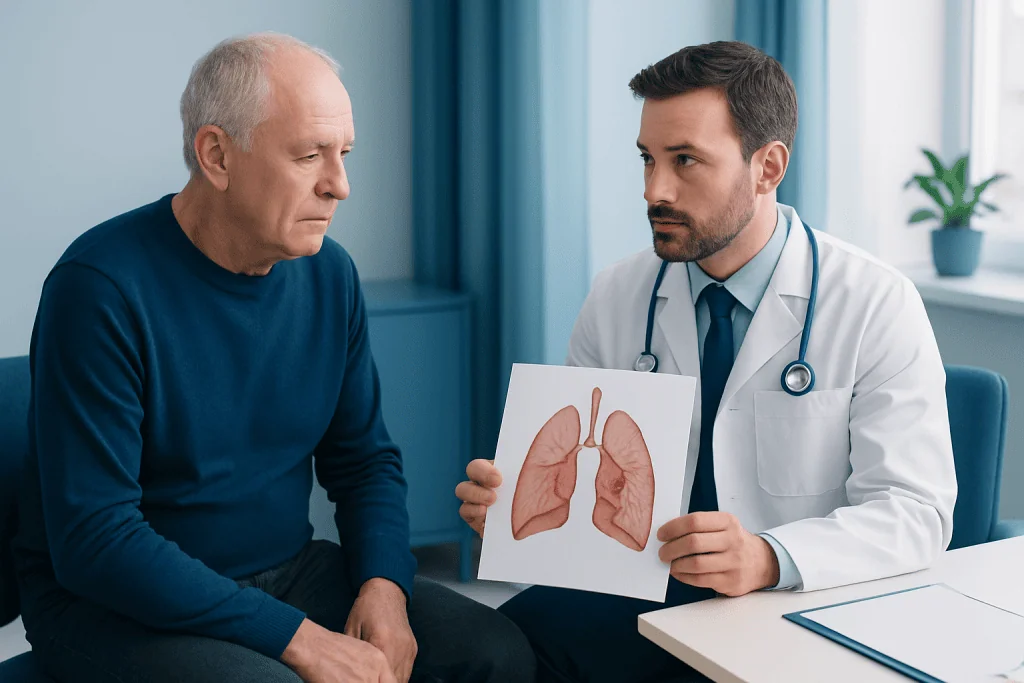
Tobacco smoking is the most important risk factor for squamous cell lung cancer. Cigarette smoke contains substances that can damage cells over time and contribute to cancer development. The risk generally increases with the amount and duration of tobacco exposure, but there is no completely safe level of smoking.
Stopping smoking remains beneficial at any age and at any point in life. It can reduce the risk of future smoking-related illness and may support recovery, lung function, and tolerance of cancer treatment. Support can include behavioral counseling, nicotine replacement products, and prescription medicines when suitable, under a clinician’s guidance.
Other factors that may increase risk include exposure to secondhand smoke, radon gas, asbestos, certain workplace chemicals, air pollution, and prior radiation treatment to the chest. Chronic lung conditions such as chronic obstructive pulmonary disease may also be associated with a higher risk. Occupational exposures should be discussed with a clinician, especially when there has been long-term work in construction, mining, manufacturing, or similar settings.
Although squamous cell lung cancer is closely linked to smoking, it can occasionally develop in people who have never smoked. A cancer diagnosis is not a personal failure; it reflects a complex interaction of exposures, biology, and chance.
How Diagnosis and Staging Are Performed
Assessment usually begins with a medical history, physical examination, and imaging. A chest X-ray may identify an abnormality, but a computed tomography (CT) scan provides more detail about the lungs, lymph nodes, and nearby structures. If imaging suggests cancer, a specialist will arrange tests to obtain a tissue sample.
A biopsy is needed to confirm the diagnosis and identify the cancer type. Depending on the tumor’s location, the sample may be collected during bronchoscopy, with a needle guided by CT or ultrasound imaging, or through another procedure. A pathologist examines the tissue under a microscope and performs tests that help classify the cancer accurately.
After diagnosis, staging shows whether the cancer is confined to the lung, has reached nearby lymph nodes, or has spread elsewhere. Staging may involve CT, positron emission tomography (PET)-CT, brain imaging when clinically appropriate, and sampling of lymph nodes. The stage is commonly described from stage I to stage IV, with lower stages generally indicating more localized disease.
Laboratory testing of the tumor is also important. This can include testing for proteins such as PD-L1 and, in selected cases, genomic changes that may influence treatment choices. Not every tumor has an actionable genetic alteration, particularly in squamous cell cancer, but testing helps ensure that treatment planning is as informed and personalized as possible.
Treatment Options by Stage and Tumor Features
Treatment is planned by a multidisciplinary team that may include thoracic surgeons, medical oncologists, radiation oncologists, pulmonologists, radiologists, pathologists, specialist nurses, and supportive care professionals. The aim may be to cure localized cancer, reduce the chance of recurrence after treatment, control advanced cancer, relieve symptoms, or combine these goals.
For some early-stage cancers, surgery to remove the tumor and a margin of healthy tissue is the main treatment. The surgeon may remove a segment of the lung, a lobe, or, less commonly, a larger portion depending on the tumor and lung function. Lymph nodes are usually assessed during surgery. When surgery is not suitable, precisely targeted radiation therapy may offer a local treatment option for selected people.
For cancers involving nearby lymph nodes or structures, treatment may include chemotherapy, radiation therapy, surgery, or a carefully planned combination. Chemotherapy may be given before or after surgery in certain situations. Immunotherapy, which helps the immune system recognize and attack cancer cells, may also be used before or after local treatment for appropriate patients.
For advanced or metastatic squamous cell lung cancer, systemic treatment is commonly used. Options may include immunotherapy alone, immunotherapy combined with chemotherapy, chemotherapy, targeted therapy in the uncommon situation where a suitable molecular change is found, or treatment through a clinical trial. Palliative radiation, procedures to improve airway blockage, pain management, nutritional support, and emotional care can all be valuable alongside cancer-directed treatment.
Living With Treatment and Supporting Overall Health
People respond to treatment differently, and side effects depend on the therapy used. Surgery can temporarily affect breathing and energy levels. Chemotherapy may cause fatigue, nausea, appetite changes, lowered blood cell counts, or nerve symptoms. Radiation to the chest may lead to tiredness, skin changes, cough, or swallowing discomfort. Immunotherapy can cause inflammation in organs such as the lungs, bowel, skin, thyroid, or liver, although serious reactions are less common.
It is important to report new symptoms early rather than waiting for the next appointment. The care team can often offer medicines, treatment adjustments, rehabilitation, or other support to manage side effects safely. Sudden breathlessness, fever, severe diarrhea, chest pain, confusion, or a rapidly worsening cough should be discussed urgently with the treating team.
Helpful self-care measures include avoiding smoking and secondhand smoke, eating regular nourishing meals as tolerated, staying physically active within safe limits, and accepting help with daily tasks during recovery. Pulmonary rehabilitation, breathing exercises, physiotherapy, and dietitian support may be recommended for some people. Complementary practices should be discussed with the oncology team, as some supplements can interfere with treatment.
Emotional wellbeing is an important part of care. A cancer diagnosis can affect sleep, mood, work, relationships, and family life. Counseling, support groups, social workers, and palliative care services can provide practical and emotional support at any stage, including while receiving treatment intended to cure the cancer.
Prevention, Screening, and Follow-Up
Not all cases of squamous cell lung cancer can be prevented, but avoiding tobacco exposure is the most effective way to lower risk. Reducing workplace exposures, testing and mitigating radon in areas where it is a known concern, and following safety guidance around asbestos and industrial dust may also help reduce risk.
For people at high risk because of age and smoking history, annual low-dose CT screening may detect lung cancer before symptoms develop. Eligibility recommendations differ between countries and health systems. A doctor can explain whether screening is appropriate based on a person’s age, smoking history, current health, and local guidelines.
After treatment, follow-up appointments and imaging are scheduled to look for recurrence, monitor treatment effects, and support recovery. The schedule varies based on the cancer stage and treatment received. Keeping follow-up visits, sharing symptoms honestly, and maintaining vaccination and general preventive care are practical parts of long-term health planning.
Acibadem International’s multidisciplinary specialists and JCI-accredited hospitals evaluate and treat lung cancers for international patients, with care plans developed around the individual diagnosis and treatment needs.
When to Seek Medical Care
A medical appointment should be arranged for a cough that lasts more than a few weeks, a notable change in a usual smoker’s cough, repeated chest infections, unexplained weight loss, ongoing chest discomfort, or new shortness of breath. These symptoms are common and often have causes other than lung cancer, but evaluation can identify the cause and guide appropriate care.
Urgent medical attention is appropriate for coughing up more than a small amount of blood, severe or sudden breathing difficulty, intense chest pain, fainting, confusion, or new neurological symptoms such as weakness on one side of the body or a seizure. Anyone already receiving treatment for lung cancer should contact their treatment team promptly about fever, rapidly worsening symptoms, or possible treatment side effects.
People with a history of smoking or relevant workplace exposure do not need to wait for symptoms to discuss lung health with a doctor. A clinician can review individual risk factors, consider whether screening is appropriate, and offer support for smoking cessation where needed.
Frequently asked questions
Is squamous cell lung cancer the same as non-small cell lung cancer?
Squamous cell lung cancer is a subtype of non-small cell lung cancer, often shortened to NSCLC. The other major NSCLC types include adenocarcinoma and large cell carcinoma. Identifying the subtype helps the medical team select suitable tests and treatments.
Can squamous cell lung cancer be cured?
Some early-stage squamous cell lung cancers can be treated with the goal of cure, often using surgery, radiation therapy, or both with additional treatment when indicated. More advanced cancer may not always be curable, but treatments can often control the disease, reduce symptoms, and support quality of life. The individual outlook depends on the stage and many other health and tumor factors.
Does squamous cell lung cancer always occur in smokers?
No. Smoking is a major risk factor, but squamous cell lung cancer can occur in people who have never smoked. Other exposures, underlying lung disease, and individual biological factors may contribute to risk.
How quickly does squamous cell lung cancer grow?
Growth rates vary considerably between individuals and cannot be reliably predicted from the cancer subtype alone. Imaging, biopsy findings, stage, and the person’s clinical condition provide a clearer picture. A specialist can explain the likely behavior of a particular tumor and why timely treatment is recommended.
What tests confirm squamous cell lung cancer?
A biopsy is required to confirm the diagnosis because a pathologist must examine tumor cells under a microscope. CT or PET-CT scans help locate the tumor and assess its extent, while bronchoscopy or image-guided needle procedures may be used to obtain tissue. Additional laboratory tests on the biopsy can guide treatment selection.
What is the role of immunotherapy in squamous cell lung cancer?
Immunotherapy may be used for some people with squamous cell lung cancer, either alone or combined with chemotherapy and sometimes as part of treatment around surgery. Its suitability depends on the stage, PD-L1 testing, overall health, previous treatments, and other clinical details. The oncology team monitors carefully for immune-related side effects during treatment.
References
- National Cancer Institute
- American Cancer Society
- World Health Organization
- National Comprehensive Cancer Network
- European Society for Medical Oncology
This article is for general information only and is not a substitute for professional medical advice. Please consult a qualified doctor about your individual situation.
Lung Cancer in Turkey — costs, top hospitals & a free quote
JCI-accredited · board-certified surgeons · reply within 24h
Add us as a Preferred Source to see more of our trusted health content across Google Search, AI Overviews and Discover.

Medical Oncology Department
Medical treatment of cancer with chemotherapy, immunotherapy and targeted therapies under a multidisciplinary tumor board.
60 specialists in this unitMore from the Health Library



Related Specialists

Dr. Hamza Furkan Şen
Gynecology & Obstetrics
Prof. Dr. Altan Göktaş
Ophthalmology
Dr. Hacı Balkaya
Anesthesiology
Dr. Asiye Merve Erdoğan
Otorhinolaryngology