Uterine Fibroids: Heavy Bleeding, Pressure Symptoms, and Treatment Choices

Uterine fibroids are almost always benign and many do not need treatment unless they cause symptoms. Heavy menstrual bleeding, anemia, pelvic pressure, frequent urination, and pain are common reasons to seek care.
Key Takeaways
- Uterine fibroids are almost always benign and many do not need treatment unless they cause symptoms.
- Heavy menstrual bleeding, anemia, pelvic pressure, frequent urination, and pain are common reasons to seek care.
- Ultrasound is often the first test, while MRI may help plan more complex treatment.
- Treatment choices include monitoring, medicines, minimally invasive procedures, myomectomy, and hysterectomy.
- People who want future pregnancy should discuss fertility-sparing options with a gynecologist before treatment.
Uterine fibroids are common, non-cancerous growths of the uterus that may cause heavy periods, pelvic pressure, pain, or fertility concerns. Treatment depends on symptoms, fibroid size and location, age, pregnancy plans, and personal preferences.
Overview
Uterine fibroids, also called leiomyomas or myomas, are growths that develop from the muscle tissue of the uterus. They are almost always benign, meaning they are not cancer. Fibroids can be as small as a seed or large enough to change the shape or size of the uterus. A person may have one fibroid or several in different areas of the uterus.
Fibroids are commonly described by their location. Intramural fibroids grow within the muscular wall of the uterus. Submucosal fibroids push toward the inner lining of the uterus and are more likely to cause heavy bleeding. Subserosal fibroids grow toward the outside of the uterus and may cause pressure on nearby organs. Some fibroids are attached by a stalk, known as pedunculated fibroids.
Many fibroids are found during a routine pelvic examination or imaging test and never cause problems. Others can affect daily life through heavy bleeding, pelvic pressure, pain, constipation, frequent urination, or difficulties with pregnancy. The most appropriate treatment is individualized and should consider symptom severity, fibroid location, general health, age, and whether future pregnancy is desired.
Symptoms
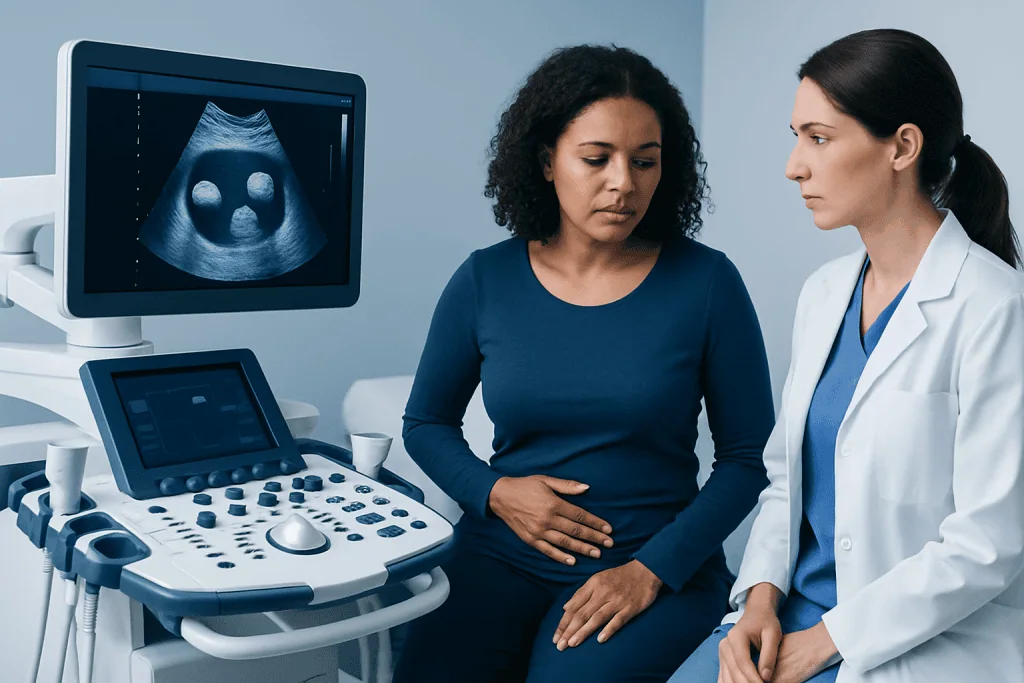
Some people with uterine fibroids have no symptoms at all. When symptoms occur, heavy menstrual bleeding is one of the most common concerns. Periods may last longer than usual, require frequent pad or tampon changes, include blood clots, or cause fatigue due to iron-deficiency anemia. Bleeding between periods can also occur, although it should always be assessed by a doctor to confirm the cause.
Pressure symptoms depend on the size and position of the fibroids. A fibroid pressing on the bladder may cause frequent urination, difficulty emptying the bladder, or waking at night to urinate. Pressure on the bowel may contribute to constipation, bloating, or a feeling of pelvic fullness. Some people notice a visibly enlarged lower abdomen, especially with larger fibroids.
Pain symptoms can include pelvic cramping, pain during sex, lower back discomfort, or a feeling of heaviness in the pelvis. Sudden severe pain is less common but can happen if a fibroid outgrows its blood supply or if a stalked fibroid twists. Symptoms often change over time, and fibroids may shrink after menopause when estrogen and progesterone levels decline.
Causes and Risk Factors
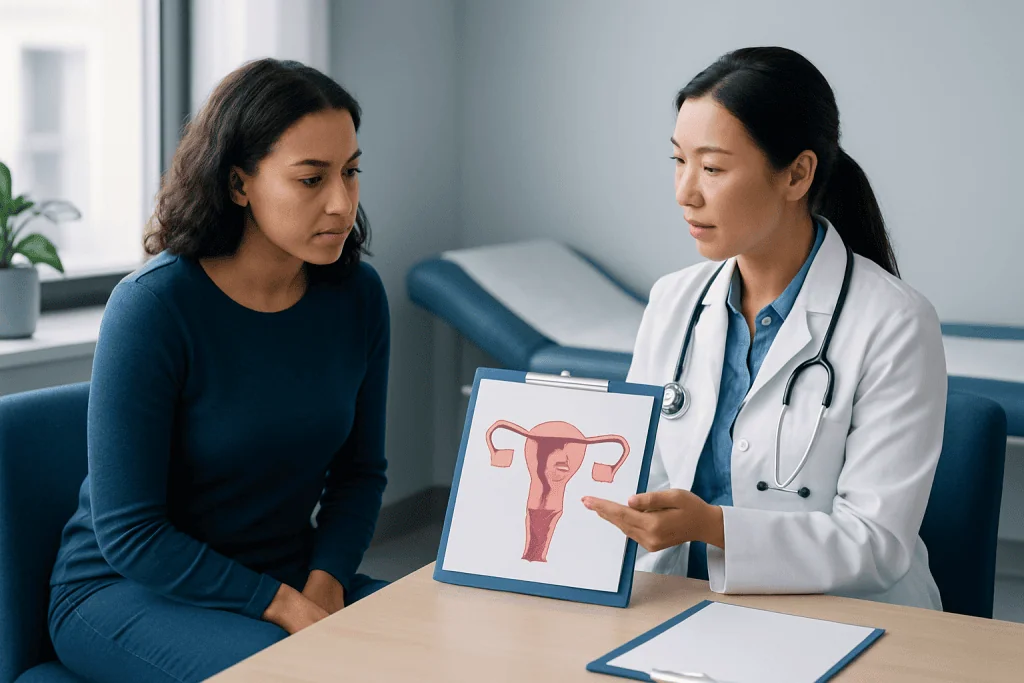
The exact cause of uterine fibroids is not fully understood. Research suggests that hormones, genetics, and changes in uterine muscle cells all play a role. Fibroids are sensitive to estrogen and progesterone, the hormones that help regulate the menstrual cycle. This is one reason fibroids often grow during reproductive years and may become smaller after menopause.
Risk factors can increase the chance of developing fibroids, although having a risk factor does not mean a person will definitely have symptoms. Family history is important; fibroids are more likely if a close relative has had them. Fibroids are also more common in some ethnic groups, including Black women, and may develop at a younger age or be more numerous. Early onset of menstruation, higher body weight, and certain dietary or lifestyle patterns may also be associated with fibroids.
Pregnancy history may influence risk, and fibroids are often less common in people who have had one or more full-term pregnancies. However, fibroids can occur in anyone with a uterus during the reproductive years. They are not caused by sexual activity, personal hygiene, or stress. Most importantly, fibroids are not the same as uterine cancer, and having fibroids does not usually increase the risk of cancer.
Diagnosis
Diagnosis usually begins with a medical history and pelvic examination. The doctor may ask about bleeding patterns, pain, pressure symptoms, pregnancy plans, previous treatments, and any signs of anemia such as tiredness, dizziness, or shortness of breath with activity. During a pelvic exam, the uterus may feel enlarged, irregular, or firm, which can suggest fibroids.
Ultrasound is the most common first imaging test. It may be performed through the abdomen, through the vagina, or both. Ultrasound can show the number, size, and general location of fibroids. If bleeding is heavy or irregular, blood tests may be recommended to check for anemia, iron levels, pregnancy, thyroid problems, or other conditions that can affect menstrual bleeding.
Additional tests may be needed in certain situations. Magnetic resonance imaging, or MRI, gives more detailed information about fibroid location and is useful when planning surgery or uterine-sparing procedures. Saline infusion sonography or hysteroscopy can help evaluate fibroids that affect the uterine cavity. In people with abnormal bleeding, especially after menopause or with certain risk factors, an endometrial biopsy may be recommended to check the uterine lining.
Treatment Options
Treatment is not always necessary. If fibroids are small, symptoms are mild, or menopause is approaching, watchful waiting with periodic follow-up may be appropriate. Fibroids should be treated when they cause significant bleeding, anemia, pain, pressure symptoms, fertility issues, pregnancy complications, or a reduced quality of life. The best option depends on the type of symptoms and the person’s goals.
Medicines can help control bleeding and pain, although they usually do not remove fibroids. Nonsteroidal anti-inflammatory medicines may reduce menstrual cramps. Hormonal treatments, such as some birth control pills, progestin methods, or a hormonal intrauterine device, can reduce bleeding for many people. Tranexamic acid may be used during periods to reduce heavy menstrual bleeding. Gonadotropin-releasing hormone medicines and related therapies can temporarily shrink fibroids or improve anemia before a procedure, but they are usually used for limited periods under medical supervision.
Minimally invasive procedures may be suitable for selected patients. Uterine artery embolization reduces blood flow to fibroids, causing them to shrink over time. Radiofrequency ablation uses heat to destroy fibroid tissue. MRI-guided focused ultrasound uses focused energy to treat fibroids without an incision in carefully selected cases. Hysteroscopic removal can treat fibroids that bulge into the uterine cavity, often improving heavy bleeding.
Surgical options include myomectomy and hysterectomy. Myomectomy removes fibroids while preserving the uterus and may be performed hysteroscopically, laparoscopically, robotically, or through an abdominal incision depending on fibroid size and location. It is often considered for people who want future pregnancy, but fibroids can return. Hysterectomy removes the uterus and is the only definitive treatment that prevents fibroid recurrence; it is considered when symptoms are severe and pregnancy is not desired.
Fertility, Pregnancy, and Life Planning
Many people with fibroids become pregnant without difficulty and have healthy pregnancies. However, some fibroids can affect fertility or pregnancy, especially those that distort the uterine cavity. Submucosal fibroids are most strongly linked with difficulty conceiving and miscarriage risk. Large intramural fibroids may also matter depending on their size and whether they change the shape of the uterine cavity.
Before treatment, it is important to discuss pregnancy goals. Myomectomy is commonly used when fibroids are thought to affect fertility or when symptoms need treatment in someone who wants to preserve the uterus. After certain types of myomectomy, a future birth plan may need special discussion because cesarean delivery may be recommended in some cases. The timing of trying to conceive after treatment should be guided by the treating doctor.
Some procedures may not be the first choice for people planning pregnancy, because evidence about pregnancy outcomes varies by procedure and individual circumstances. Uterine artery embolization and some ablation techniques may be appropriate for certain patients but require careful counseling if future pregnancy is desired. A fertility specialist and gynecologist can work together when fibroids, infertility, or recurrent pregnancy loss are concerns.
Prevention and Self-care
There is no guaranteed way to prevent uterine fibroids. Because hormones, genetics, and biology all play a role, fibroids are not something a person causes. However, healthy lifestyle habits may support overall gynecologic health and help manage some symptoms. Maintaining a healthy weight, staying physically active, and eating a balanced diet rich in fruits, vegetables, whole grains, and iron-containing foods may be helpful.
Self-care is especially important when heavy bleeding is present. A doctor may recommend checking for anemia and, when appropriate, using iron supplementation. People with heavy periods can track bleeding days, pad or tampon use, clotting, pain, and fatigue to help their clinician understand the severity of symptoms. Keeping a symptom diary can also show whether a treatment is working.
Comfort measures such as heat packs, gentle movement, rest, and appropriate over-the-counter pain relief may ease menstrual cramps for some people. It is important not to rely on self-care alone if bleeding is heavy, symptoms are worsening, or pain is interfering with daily life. Fibroid care is most effective when treatment decisions are based on a clear diagnosis and a shared discussion of options.
When to See a Doctor
A medical appointment is recommended for periods that are very heavy, last longer than usual, or cause tiredness, dizziness, or shortness of breath with normal activity. Pelvic pressure, frequent urination, constipation, pain during sex, new pelvic pain, or a growing abdominal fullness should also be assessed. Bleeding after menopause should always be evaluated, even if fibroids have been diagnosed in the past.
Prompt care is needed if bleeding is so heavy that pads or tampons are soaked very quickly, if there is fainting, severe weakness, chest discomfort, or sudden intense pelvic pain. These symptoms do not always mean something dangerous is happening, but they do deserve timely medical assessment. People who are pregnant and have significant pain or bleeding should contact their maternity care provider.
Patients may benefit from seeing a gynecologist who can explain the full range of medical, minimally invasive, and surgical treatments. For international patients, Acibadem International’s multidisciplinary specialists and JCI-accredited hospitals diagnose and treat uterine fibroids, including complex cases, with individualized care planning. Any treatment decision should be made with a qualified clinician after reviewing symptoms, imaging results, medical history, and personal goals.
Frequently asked questions
Are uterine fibroids cancer?
Uterine fibroids are almost always benign growths, not cancer. They usually do not increase the risk of uterine cancer. Rare uterine cancers can sometimes mimic fibroids, which is why new, rapidly changing, or postmenopausal symptoms should be evaluated by a doctor.
Do all fibroids need to be removed?
No. Many fibroids cause no symptoms and can be monitored without treatment. Removal or another treatment is usually considered when fibroids cause heavy bleeding, anemia, pain, pressure symptoms, fertility concerns, or significant effects on daily life.
Which fibroids cause heavy bleeding?
Fibroids that grow into or distort the uterine cavity, especially submucosal fibroids, are most likely to cause heavy or prolonged menstrual bleeding. Intramural fibroids can also contribute, particularly when they are large. Imaging helps identify the location and guide treatment.
Can fibroids come back after treatment?
Fibroids can return after treatments that preserve the uterus, such as myomectomy, because new fibroids may develop over time. Recurrence risk depends on age, number of fibroids, and individual biology. Hysterectomy is the only treatment that definitively prevents fibroid recurrence.
Can I get pregnant if I have fibroids?
Many people with fibroids can get pregnant and have healthy pregnancies. Fibroids that distort the uterine cavity may affect fertility or miscarriage risk. If pregnancy is planned, a gynecologist or fertility specialist can help decide whether treatment is needed before trying to conceive.
What is the least invasive treatment for fibroids?
The least invasive option may be monitoring or medication when symptoms are mild or mainly related to bleeding. For procedures, options such as hysteroscopic fibroid removal, uterine artery embolization, radiofrequency ablation, or focused ultrasound may be suitable in selected cases. The best choice depends on fibroid size, location, symptoms, and pregnancy plans.
References
- American College of Obstetricians and Gynecologists
- National Institute for Health and Care Excellence
- Royal College of Obstetricians and Gynaecologists
- Society of Interventional Radiology
- Office on Women's Health, U.S. Department of Health and Human Services
This article is for general information only and is not a substitute for professional medical advice. Please consult a qualified doctor about your individual situation.
Uterine Fibroids in Turkey — costs, top hospitals & a free quote
JCI-accredited · board-certified surgeons · reply within 24h
Add us as a Preferred Source to see more of our trusted health content across Google Search, AI Overviews and Discover.

Gynecology & Obstetrics
Women’s health across pregnancy, gynecologic surgery and high-risk pregnancy care.
187 specialists in this unit