VSD Repair: Procedure, Recovery and Results

A ventricular septal defect (VSD) may close naturally when it is small, but larger or troublesome defects may need repair. Most surgical VSD repairs use a patch or stitches to close the opening during open-heart surgery.
Key Takeaways
- A ventricular septal defect (VSD) may close naturally when it is small, but larger or troublesome defects may need repair.
- Most surgical VSD repairs use a patch or stitches to close the opening during open-heart surgery.
- Hospital recovery usually takes several days, while full recovery from surgery commonly takes weeks to months.
- Follow-up with a cardiologist remains important after repair, even when a person feels well.
- The decision to repair a VSD is based on its effects on blood flow, symptoms, heart changes and lung pressure—not size alone.
VSD repair is a procedure that closes a ventricular septal defect, an opening in the wall between the heart’s lower pumping chambers. It is commonly performed in infancy or childhood when a VSD is large, causes symptoms, or affects heart or lung function, and many patients have an excellent long-term outlook after successful repair.
VSD Repair: What It Is and Why It Is Done
VSD repair closes a ventricular septal defect (VSD), which is an opening in the septum—the muscular wall separating the right and left ventricles. Because pressure is normally higher on the left side of the heart, blood can pass through the opening toward the right ventricle and lungs. The amount of extra blood flow depends on the defect’s location and size, as well as the resistance in the lung blood vessels.
Small VSDs often cause no symptoms and may become smaller or close without treatment. A larger defect can make the heart and lungs work harder. In babies, this may lead to rapid breathing, sweating or tiring during feeds, slow weight gain, and frequent respiratory infections. Over time, an untreated significant defect can contribute to enlargement of heart chambers or increased pressure in the lung circulation.
Repair is intended to restore more normal blood flow and prevent these complications. The care team may recommend observation, medicines, catheter-based closure in selected cases, or surgery. The best VSD repair approach is individualized after a pediatric or adult congenital heart assessment.
Who May Need VSD Repair?
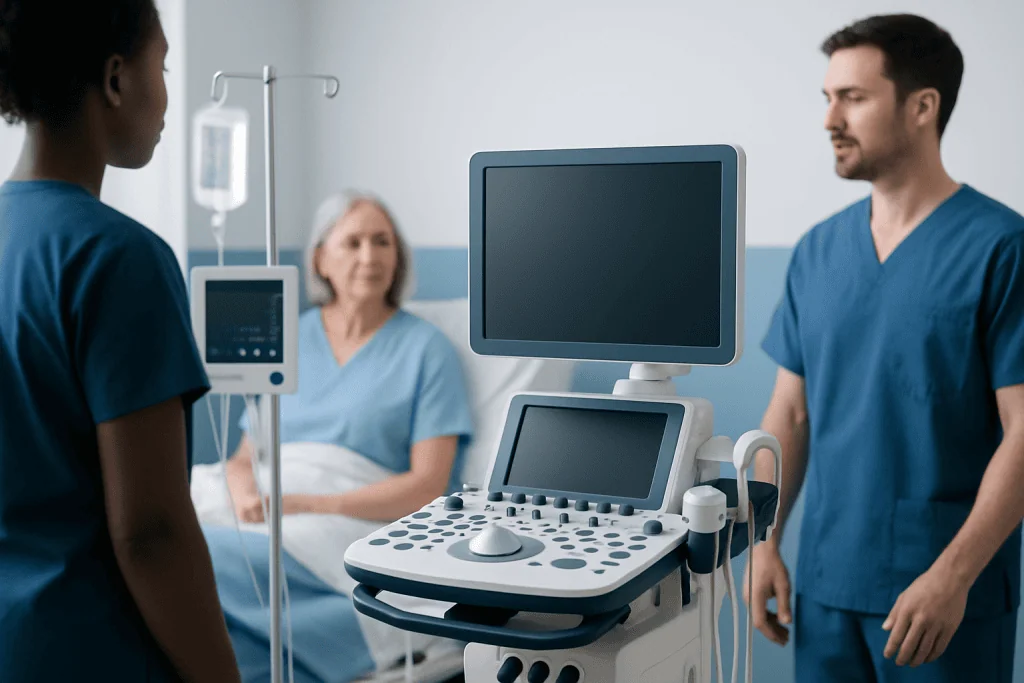
Not every VSD requires closure. Doctors consider repair when the opening causes a substantial left-to-right blood shunt, symptoms of heart failure, poor growth in an infant, enlargement of the left side of the heart, or rising pressure in the lung arteries. Repair may also be recommended if the VSD affects an aortic valve, causes leakage of that valve, or has previously led to infective endocarditis, an infection of the heart lining or valves.
What size VSD requires surgery? There is no single measurement that automatically determines the need for surgery. A small defect can occasionally need treatment if it damages a nearby valve, while a larger opening may be monitored briefly in a stable infant if the team expects changes with growth. Echocardiogram findings, symptoms, oxygen levels, growth, and evidence of heart or lung strain guide the decision.
Some people reach adulthood with an unrepaired VSD that was initially considered small. They may need reassessment if they develop breathlessness, reduced exercise tolerance, palpitations, a new heart murmur, or signs of valve disease. Adults with congenital heart disease benefit from care led by clinicians experienced in congenital cardiology.
How the VSD Repair Procedure Works

The most common VSD repair procedure is surgical closure through open-heart surgery. The patient receives general anesthesia, so they are asleep and do not feel pain during the operation. A heart surgeon reaches the heart through an incision in the chest, and a heart-lung bypass machine temporarily takes over circulation while the repair is made.
The surgeon identifies the VSD from inside the heart and closes it with carefully placed stitches or a small patch made from the patient’s own tissue or a medical material. A patch is often used for larger defects to provide a secure closure without putting tension on the surrounding tissue. Once the repair is complete, the heart is restarted and its function is checked before the incision is closed.
In selected patients, certain VSDs can be closed through a catheter procedure. A cardiologist guides a thin tube through a blood vessel and places a closure device across the opening. This option is not suitable for every VSD, particularly when the defect is very close to heart valves or the electrical pathways that control the heartbeat. Families can discuss the available congenital heart disease treatment options with the specialist team.
Before repair, testing commonly includes an echocardiogram, electrocardiogram, chest imaging when needed, blood tests, and an anesthesia review. Cardiac catheterization may be used when doctors need more detailed information about lung pressures or blood flow.
What Happens After VSD Repair?
VSD repair post op care begins in a pediatric or cardiac intensive care unit, where the team closely monitors breathing, heart rhythm, blood pressure, oxygen levels, fluid balance, and comfort. Temporary tubes and monitoring lines are common immediately after surgery and are removed as the patient stabilizes. Pain control, early movement when appropriate, and support with feeding are important parts of recovery.
Many children stay in hospital for several days after an uncomplicated surgical repair, although the length of stay can be longer when a baby was unwell before surgery or has another heart condition. Before discharge, the team explains wound care, medicines, activity guidance, and the symptoms that should prompt a call to the hospital.
How long does it take to recover from VSD surgery? Initial recovery at home often takes a few weeks, while healing of the breastbone and return to usual stamina may take around six to eight weeks or longer. Infants may need time to establish comfortable feeding and catch up with growth. Recovery differs between patients, so the surgeon and cardiologist should provide individualized guidance about childcare, school, work, lifting, travel, and sport.
Follow-up appointments typically include an examination and echocardiogram to confirm that the repair is working well. Some patients have a tiny residual opening that is monitored, while others may need short-term medicines for fluid management or rhythm support. The care team will advise when these can be reduced or stopped.
Benefits, Risks and VSD Repair Prognosis
The main benefits of closing a significant VSD are reduced excess blood flow to the lungs, improved feeding and growth in infants, relief of heart-failure symptoms, and protection of long-term heart and lung function. When repair is performed before irreversible lung blood-vessel disease develops, the outlook is generally very favorable.
As with any heart procedure, there are risks. These can include bleeding, infection, reactions to anesthesia, rhythm disturbances, blood clots, injury to nearby valves, and a small remaining VSD. Because some VSDs lie near the heart’s electrical conduction system, a small number of patients may develop heart block and require a pacemaker. The surgical team discusses the relevant risks based on the individual anatomy and overall health.
Can you live a normal life after VSD surgery? Many people do, particularly after an isolated VSD is successfully repaired and follow-up confirms normal heart function and no important residual problem. Physical activity, education, work, pregnancy planning, and everyday life are often possible without major limitations, but recommendations should be individualized by a congenital cardiologist.
VSD repair prognosis is influenced by the patient’s age at treatment, the type of VSD, lung pressure before repair, associated heart differences, and whether complications occur. Lifelong or periodic cardiology review may still be advised because late rhythm changes, valve issues, or residual shunts can occasionally occur.
What Is the Life Expectancy of a Child With a Repaired VSD?
What is the life expectancy of a child with a repaired VSD? For a child with an isolated VSD that is repaired successfully before serious complications develop, life expectancy is often close to that of the general population. This is a broad outlook rather than a guarantee for any individual child, since each child’s heart anatomy, health history, and surgical course are different.
Children who have additional congenital heart conditions, significant lung hypertension before repair, genetic conditions, or postoperative complications may need more intensive and longer-term care. Regular follow-up allows the cardiology team to monitor heart rhythm, pumping function, valve performance, growth, development, and exercise tolerance.
Parents should keep a clear record of the child’s heart diagnosis, operation, medications, and follow-up findings. As the child grows, this information helps support a smooth transition from pediatric care to adult congenital heart services. Vaccinations, dental care, nutritious eating, and age-appropriate activity remain important for overall health.
When to Seek Medical Care
Parents or caregivers should contact a doctor promptly if a baby or child has rapid or difficult breathing, blue or gray coloring of the lips or skin, poor feeding, sweating during feeds, unusual sleepiness, reduced wet diapers, poor weight gain, fever with concerning illness, or a marked decrease in usual activity. These symptoms do not always mean a VSD complication, but they need timely assessment.
After surgery, urgent medical advice is needed for fever, increasing redness, swelling, drainage, or separation at the incision; breathing difficulty; fainting; persistent vomiting; new palpitations; worsening pain; or sudden changes in alertness or color. Emergency services should be used for severe breathing trouble, unresponsiveness, chest pain with collapse, or blue/gray discoloration.
Adults with a known VSD or previous repair should arrange a cardiology review for new shortness of breath, ankle swelling, reduced exercise capacity, irregular heartbeat sensations, dizziness, or fainting. Acibadem International’s multidisciplinary specialists at JCI-accredited hospitals support diagnosis and treatment of congenital heart conditions for international patients.
Frequently asked questions
How long does VSD repair surgery take?
The operation itself often takes several hours, but the total time depends on the type and location of the VSD, the repair needed, and whether other heart procedures are performed at the same time. Families should ask the surgical team for an estimate based on the individual treatment plan.
How long does it take to recover from VSD surgery?
Most patients spend several days in hospital after surgical repair. Recovery at home commonly takes several weeks, and breastbone healing and return of full energy can take six to eight weeks or longer. Babies and children may recover on a different timeline depending on feeding, growth, and their health before surgery.
Can you live a normal life after VSD surgery?
Many people can lead active, full lives after a successful repair of an isolated VSD. Ongoing cardiology follow-up is still important because a small number of patients develop late rhythm, valve, or residual-shunt concerns that may need monitoring or treatment.
What is the life expectancy of a child with a repaired VSD?
Children with a successfully repaired isolated VSD and no major complications often have life expectancy close to the general population. Individual prognosis depends on the timing of repair, heart anatomy, lung pressures, and any other medical conditions.
What size VSD requires surgery?
Surgery is not determined by size alone. Doctors recommend repair when a VSD causes significant extra blood flow to the lungs, symptoms, poor growth, enlargement of heart chambers, raised lung pressure, valve problems, or other complications.
Will a child need activity restrictions after VSD repair?
Temporary activity restrictions are common while the incision and breastbone heal. Once recovery is complete, many children can take part in normal play and exercise, but the cardiologist should confirm safe activity levels based on follow-up findings.
References
- American Heart Association
- American College of Cardiology
- Centers for Disease Control and Prevention
- National Heart, Lung, and Blood Institute
- European Society of Cardiology
This article is for general information only and is not a substitute for professional medical advice. Please consult a qualified doctor about your individual situation.
Explore treatments in Turkey — costs, top hospitals & a free quote
JCI-accredited · board-certified surgeons · reply within 24h
Add us as a Preferred Source to see more of our trusted health content across Google Search, AI Overviews and Discover.
Check your numbers in seconds
BMI, calories, due date, blood pressure and 30+ more clinical calculators — free, instant, doctor-reviewed ranges.