What Is LASIK Eye Surgery? A Beginner’s Guide
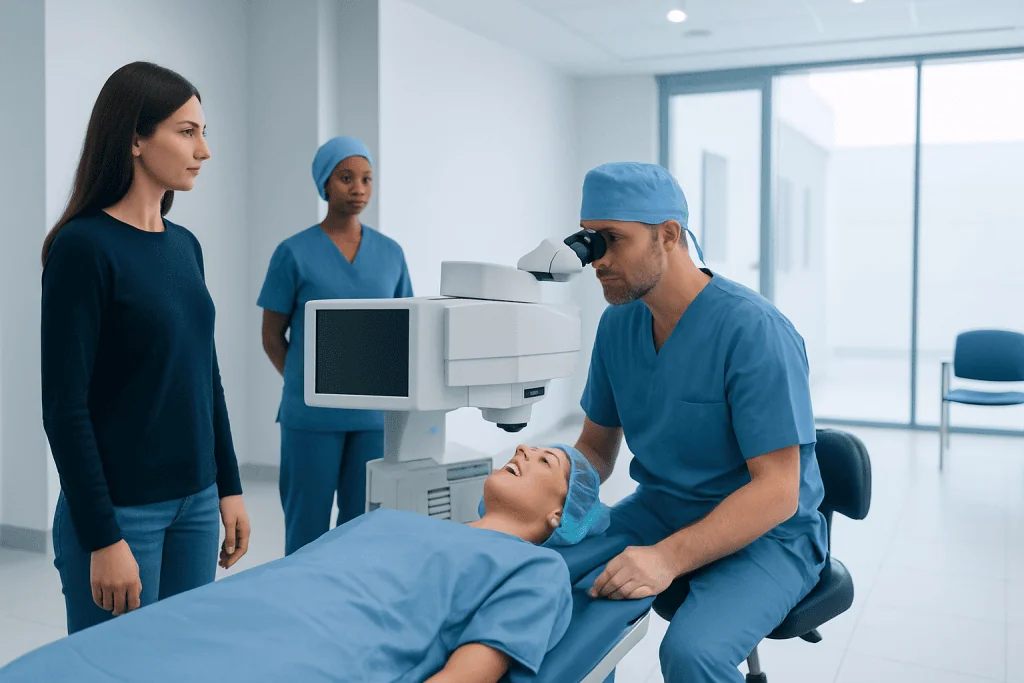
LASIK treats common refractive errors such as nearsightedness, farsightedness, and [[TREATMENT:astigmatism|astigmatism]]. Not everyone is a good candidate; corneal thickness, eye health, age, and prescription stability all matter.
Key Takeaways
- LASIK treats common refractive errors such as nearsightedness, farsightedness, and [[TREATMENT:astigmatism|astigmatism]].
- Not everyone is a good candidate; corneal thickness, eye health, age, and prescription stability all matter.
- The procedure is usually quick, but vision may fluctuate during healing and follow-up care is important.
- Common temporary side effects include dryness, glare, and halos, especially in the early recovery period.
- Alternative procedures such as [[TREATMENT:prk|PRK]] or [[TREATMENT:lasek|LASEK]] may be better for some people.
LASIK eye surgery is a laser vision correction procedure that changes the shape of the cornea to help light focus more clearly on the retina. For suitable candidates, it can reduce reliance on glasses or contact lenses, but careful evaluation is essential before deciding if it is the right option.
Overview of LASIK Eye Surgery
LASIK stands for laser-assisted in situ keratomileusis. It is a type of refractive eye surgery used to correct vision by reshaping the cornea, the clear front surface of the eye. When the cornea does not focus light properly, vision can be blurry. LASIK aims to improve this focus so that people may see more clearly without depending as much on glasses or contact lenses.
LASIK is most commonly used to treat nearsightedness, farsightedness, and astigmatism. During the procedure, a surgeon creates a thin flap in the cornea, lifts it, and then uses a laser to reshape the underlying tissue. The flap is then placed back into position, where it naturally adheres as the eye heals.
Many people consider LASIK because it is usually quick and does not require stitches. Vision often improves within a short time, although full healing can take longer. Even so, LASIK is an elective procedure, which means it should be chosen after a careful discussion of benefits, limitations, and possible risks with an eye specialist.
Who LASIK Can Help
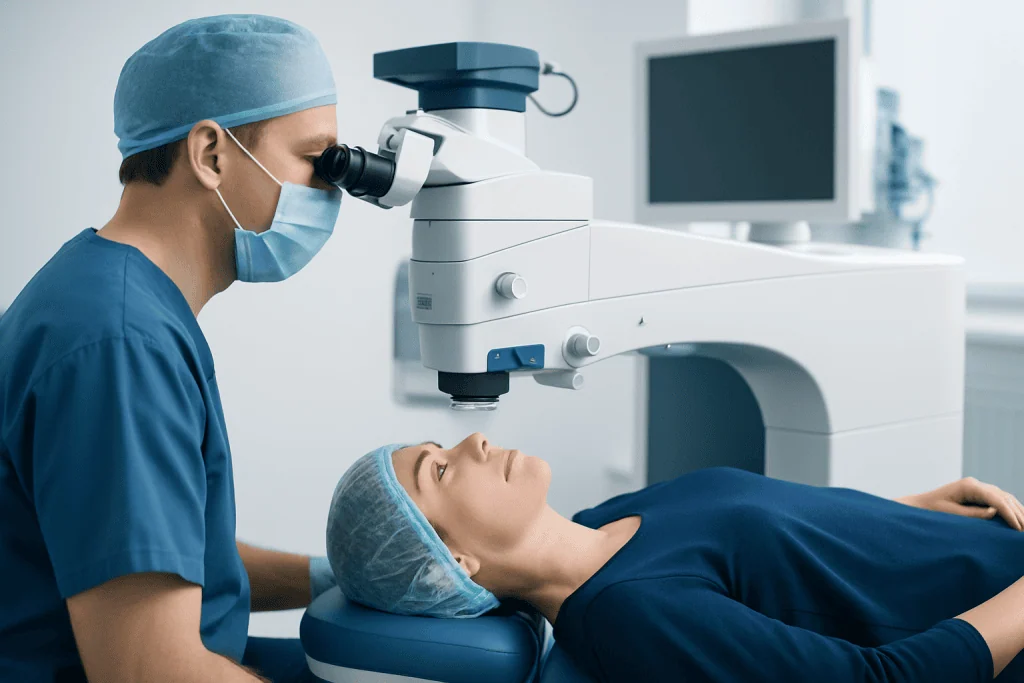
LASIK may help adults with stable refractive errors who want to reduce their reliance on glasses or contact lenses. It can be a good option for people whose prescription has not changed significantly for at least a year and who have healthy eyes overall. The goal is better uncorrected vision, though some people may still need glasses for certain activities after surgery.
People with myopia, hyperopia, or astigmatism are often evaluated for LASIK. However, the amount of correction possible depends on the individual eye. Very high prescriptions, thin corneas, or certain corneal shape problems may make another approach safer or more effective.
LASIK does not prevent normal age-related changes in vision. For example, many adults eventually develop presbyopia, a common age-related loss of near focusing ability. Someone who has LASIK in early or middle adulthood may still need reading glasses later, or may discuss options such as presbyopia treatment with an ophthalmologist if near vision becomes a concern.
How the Procedure Works
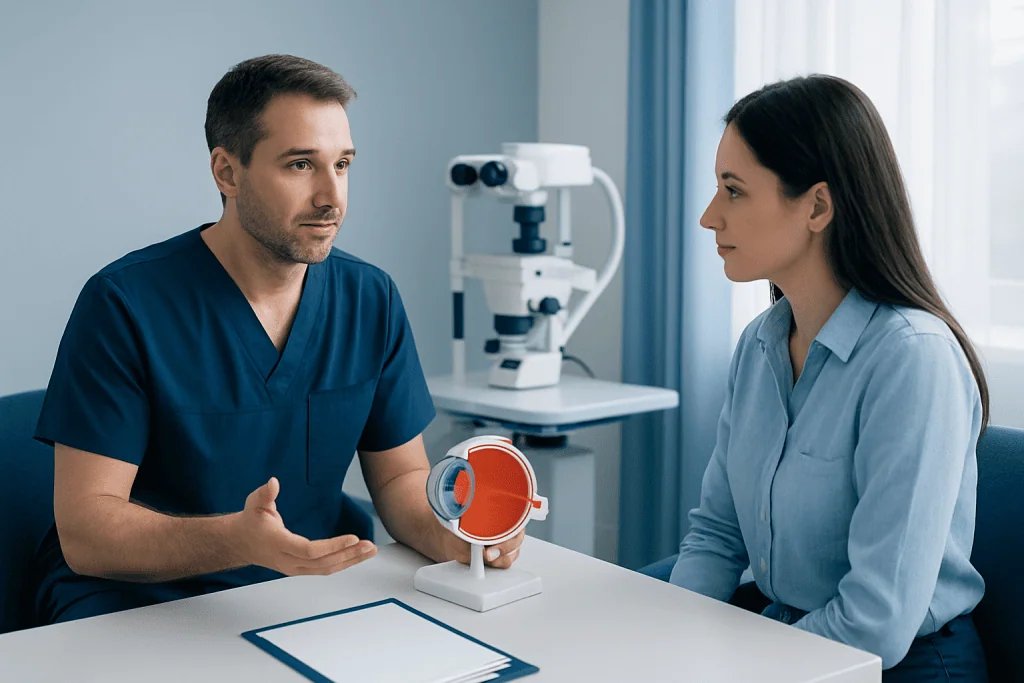
Before the procedure, the eye is numbed with anesthetic drops. The surgeon then creates a very thin corneal flap using either a blade-based device or a femtosecond laser. A specialized excimer laser removes tiny amounts of corneal tissue to change the cornea’s shape with great precision. Once reshaping is complete, the flap is repositioned.
The treatment itself is usually brief, and each eye is often treated within minutes. Patients remain awake during LASIK, but they do not typically feel pain because of the numbing drops. They may notice mild pressure, dimming of vision for a few seconds, or a smell similar to something being singed when the laser is in use.
Modern laser vision correction is highly customized. Measurements of the eye can help guide treatment planning, and some centers may offer advanced laser-based approaches such as iLASIK or other forms of ophthalmic lasers depending on the person’s eye findings and goals. The best method varies from one patient to another.
Eligibility, Evaluation, and When LASIK May Not Be Suitable
A detailed preoperative eye examination is one of the most important parts of the LASIK process. The ophthalmologist checks vision, prescription stability, corneal thickness, corneal shape, pupil size, tear film quality, and overall eye health. This assessment helps determine whether LASIK is appropriate and lowers the chance of avoidable complications.
LASIK may not be suitable for everyone. People with severe dry eye, active eye infection, uncontrolled autoimmune disease, unstable vision, pregnancy-related vision changes, or certain corneal disorders may be advised to delay surgery or choose another treatment. Conditions that weaken or distort the cornea, such as keratoconus, require special attention and usually a different management plan than standard LASIK.
Some people are better candidates for alternatives like PRK or LASEK, especially if the cornea is thin or the lifestyle involves a high risk of eye trauma. A thorough assessment in general ophthalmology can help clarify the safest and most effective option. Honest discussion about expectations is also essential, because the aim is improved vision, not perfection in every situation.
Benefits, Risks, and Possible Side Effects
The main benefit of LASIK is reduced dependence on glasses or contact lenses. Many patients appreciate the convenience of clearer distance vision for daily activities such as driving, sports, and work. The procedure is relatively fast, and recovery is often quicker than with some other surface-based laser treatments.
Like any surgery, LASIK has risks and limitations. Temporary side effects can include dry eyes, glare, halos, light sensitivity, fluctuating vision, and mild discomfort during the first days or weeks. These symptoms often improve as the eyes heal, but recovery experiences vary between individuals.
Less commonly, complications can involve flap problems, infection, inflammation, undercorrection, overcorrection, or visual symptoms that persist. Some people may eventually need glasses again because of natural changes in the eyes over time. A careful pre-surgery evaluation helps reduce risk, but no procedure can guarantee a completely glasses-free life or a perfect visual result.
- Common short-term effects: dryness, blurry vision, halos, glare
- Possible longer-term issues: residual refractive error, need for enhancement, ongoing night-vision symptoms
- Important protection: follow all medication, hygiene, and follow-up instructions
Recovery and Aftercare
Recovery after LASIK is often fairly quick, but healing continues beyond the first day. Many people notice improved vision within 24 to 48 hours, although it can take several weeks or longer for vision to fully stabilize. Temporary fluctuations are not unusual in the early healing period.
After the procedure, the surgeon usually prescribes eye drops to reduce infection risk and support healing. Patients are generally advised not to rub their eyes and to avoid getting water, soap, makeup, dust, or smoke into the eyes for a period recommended by the care team. Protective shields may be used while sleeping during the first few nights.
Dryness is one of the most common after-effects, so lubricating drops are often part of recovery. Follow-up visits allow the ophthalmologist to monitor healing and address concerns promptly. If symptoms such as worsening pain, significant redness, or sudden vision loss occur, prompt medical review is important.
Alternatives to LASIK and When to See an Eye Doctor
LASIK is only one type of vision correction procedure. Some people may be better suited to PRK, LASEK, implantable lenses, or lens-based surgery depending on age, corneal features, prescription, and other eye conditions. For example, cataracts or early lens changes may shift the discussion toward treatments such as cataract surgery rather than corneal laser surgery.
An eye doctor should be consulted by anyone considering LASIK, especially if there is dry eye, previous eye injury, frequent prescription changes, autoimmune disease, diabetes-related eye concerns, or a history of corneal disease. Medical advice is also important if current vision problems may be caused by another condition rather than a simple refractive error.
A person should seek prompt care if they experience sudden vision changes, severe eye pain, flashes of light, or new floaters, whether or not they have had LASIK. For international patients seeking evaluation and treatment, Acibadem International offers care through multidisciplinary specialists in JCI-accredited hospitals, with individualized assessment to determine whether LASIK or another option is more appropriate.
Frequently asked questions
Is LASIK eye surgery permanent?
LASIK permanently reshapes the cornea, so the treated corneal change itself does not reverse in the usual sense. However, the eyes can still change over time because of aging or other natural processes, so some people may need glasses again later.
Does LASIK hurt?
LASIK is usually not painful during the procedure because numbing eye drops are used. Some people feel mild pressure during treatment and temporary burning, watering, or irritation afterward, but these symptoms often improve within a short time.
How long does LASIK recovery take?
Many patients notice better vision within one to two days, but full visual stabilization can take several weeks or longer. Recovery time varies depending on the individual eye, dryness, and how the cornea heals.
Can LASIK fix astigmatism?
Yes, LASIK can often correct astigmatism as well as nearsightedness and farsightedness. Whether it is the best choice depends on the degree of astigmatism, corneal shape, and the results of a detailed eye examination.
Who should not have LASIK?
People with unstable prescriptions, certain corneal disorders, severe dry eye, active eye disease, or some health conditions may not be good candidates. An ophthalmologist can decide this after a full evaluation rather than from prescription numbers alone.
Will LASIK eliminate the need for reading glasses?
Not always. LASIK can improve distance vision, but it does not stop age-related near-vision changes known as presbyopia. Many adults still need reading glasses later in life even if distance vision improves after LASIK.
This article is for general information only and is not a substitute for professional medical advice. Please consult a qualified doctor about your individual situation.
Eye Surgery in Turkey — costs, top hospitals & a free quote
JCI-accredited · board-certified surgeons · reply within 24h
Add us as a Preferred Source to see more of our trusted health content across Google Search, AI Overviews and Discover.

Ophthalmology
Comprehensive eye care from laser vision correction to retina, cornea and cataract surgery.
75 specialists in this unitRelated Treatments
More from the Health Library

LASIK Success Rate: How Effective Is the Procedure?
Eye Examination for Cataract Diagnosis and Care
Cataract Surgery Recovery: Vision Changes, Eye Drops, and Healing Milestones

Blocked Tear Duct in Adults: Causes, Diagnosis, and Treatment Options

How Long Does LASIK Last? What to Expect Over Time