What to Expect After Gastric Balloon Removal

Most people go home the same day after gastric balloon removal. Mild nausea, bloating, throat irritation, and fatigue can occur for a short time.
Key Takeaways
- Most people go home the same day after gastric balloon removal.
- Mild nausea, bloating, throat irritation, and fatigue can occur for a short time.
- Appetite may increase after the balloon is removed, so nutrition and follow-up are important.
- Hydration, gradual eating, and activity guidance help recovery.
- Medical advice should be sought for severe pain, vomiting, fever, or signs of dehydration.
Gastric balloon removal is usually a short outpatient procedure, and most people recover quickly with mild, temporary symptoms. Knowing what to expect after removal can make the transition smoother and help support long-term weight management.
Overview of Gastric Balloon Removal
Gastric balloon removal is the planned end of a temporary weight-loss treatment. A gastric balloon is placed in the stomach to take up space, helping a person feel full sooner and eat smaller portions. Because the balloon is not permanent, it is usually removed after the treatment period recommended by the medical team.
The removal procedure is commonly done with endoscopy. This means a doctor passes a thin flexible tube with a camera through the mouth into the stomach, deflates the balloon, and removes it carefully. In many cases, the person goes home the same day after a short period of observation.
After removal, the body begins adjusting to the absence of the balloon. The stomach no longer has the same space-occupying device, so appetite and meal tolerance may change. For this reason, the days and weeks after gastric balloon treatment are an important stage in maintaining the progress already made.
What Happens During and Right After the Procedure
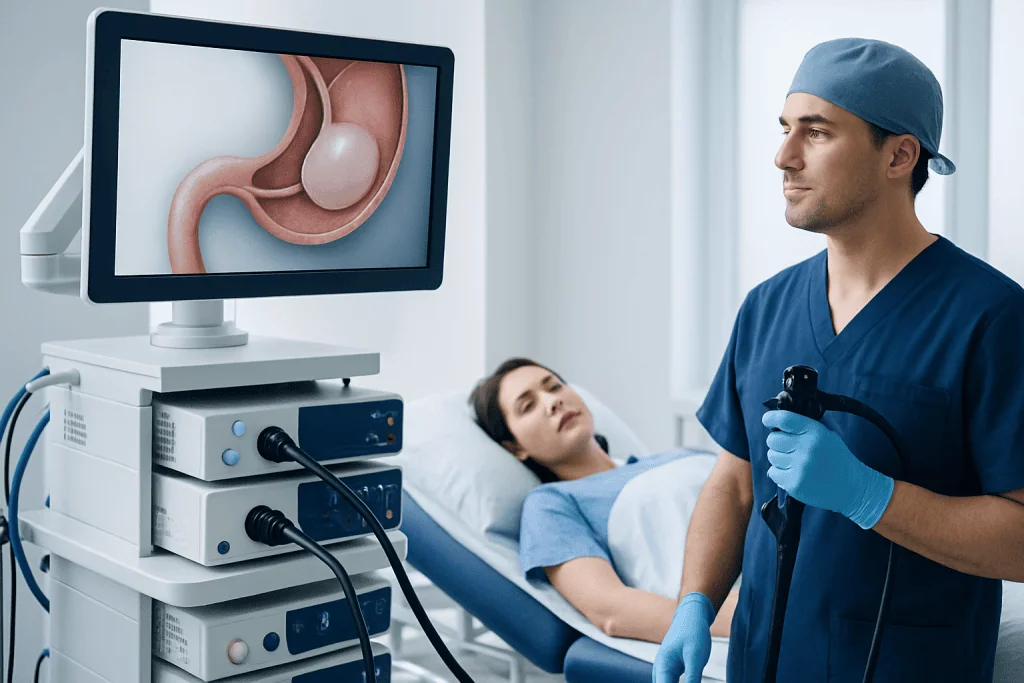
Before removal, the care team usually gives instructions about fasting for several hours. During the procedure, sedation or anesthesia may be used so the person remains comfortable. The doctor punctures the balloon, drains the fluid or air inside it, and gently retrieves it through the mouth.
Immediately afterward, it is common to spend some time in recovery while the effects of sedation wear off. A temporary sore throat, mild nausea, grogginess, or abdominal fullness may happen. These symptoms are often short-lived and improve within hours to a day or two.
Because sedation can affect alertness and coordination, patients are usually advised not to drive themselves home. A responsible adult may need to accompany them. The doctor or nurse will explain when it is safe to drink, eat, return to normal activities, and restart any regular medicines.
Common Symptoms After Gastric Balloon Removal

Most symptoms after gastric balloon removal are mild and temporary. The stomach and throat may feel irritated after the endoscopy, and there can be some cramping, bloating, nausea, or burping. Some people also feel tired for the rest of the day because of sedation or reduced food intake before the procedure.
Appetite changes are also common. While the balloon is in place, a person may become used to early fullness. After removal, that sensation may lessen, and hunger may return more noticeably. This does not mean treatment has failed, but it does mean that learned eating habits become even more important.
Possible short-term symptoms include:
- Sore throat or mild hoarseness
- Nausea or occasional vomiting
- Abdominal discomfort or bloating
- Increased hunger compared with when the balloon was in place
- Fatigue on the day of the procedure
Many people are able to resume routine daily tasks within a day or two. However, recovery can vary depending on the person’s general health, the type of balloon used, how long it was in place, and whether there were any balloon-related problems before removal.
Diet, Hydration, and Activity After Removal
After gastric balloon removal, the medical team may recommend starting with clear fluids or light foods before returning gradually to a regular healthy eating pattern. This stepwise approach can help reduce nausea and allow the stomach to settle. It is usually best to avoid heavy, greasy, or very spicy foods at first if they trigger discomfort.
Hydration is especially important. Small, frequent sips of water and other approved fluids can help prevent dehydration, particularly if there has been nausea. Eating slowly, chewing thoroughly, and stopping at the first signs of fullness can support comfort and reduce overeating as the body adjusts.
Gentle activity such as walking is often encouraged soon after the procedure unless the doctor advises otherwise. Light movement may help with bloating and support overall recovery. Strenuous exercise is sometimes postponed for a short period, especially on the day of sedation, until energy levels and coordination return to normal.
Long-term success after removal often depends on continuing the lifestyle habits developed during treatment. These may include meal planning, portion awareness, regular physical activity, mindful eating, and support from a dietitian or obesity specialist. For people who still need further weight-management support, options such as non-surgical stomach reduction approaches or bariatric surgery may be discussed when appropriate.
Weight Changes and Long-Term Management
One of the main concerns after gastric balloon removal is whether weight will return. The balloon itself is temporary, so it cannot maintain weight loss once removed. What helps most is the continuation of habits built during the treatment period, including balanced eating, regular movement, good sleep, and follow-up with healthcare professionals.
Some people maintain much of their weight loss, while others notice increased hunger and gradual weight regain. This can happen because the physical tool has been removed, not because of a lack of effort. Weight regulation is complex and involves appetite signals, metabolism, stress, environment, and existing health conditions.
If weight regain becomes a concern, it is helpful to seek support early rather than waiting. A doctor may review eating patterns, physical activity, emotional factors, medications, and any conditions linked with morbid obesity. In some cases, a repeat balloon procedure or another bariatric treatment such as gastric sleeve surgery may be considered based on individual needs.
Long-term weight management works best when it is realistic and sustainable. Patients are often encouraged to focus not only on the number on the scale, but also on improved energy, mobility, blood sugar control, blood pressure, and daily quality of life.
Possible Risks and Warning Signs
Gastric balloon removal is generally considered safe when performed by an experienced team, but all procedures carry some risk. Rare complications can include bleeding, injury to the throat or stomach, aspiration, or reactions related to sedation. Most patients do not experience serious problems, but knowing warning signs is important.
Medical review should be sought promptly if there is severe or worsening abdominal pain, repeated vomiting, inability to keep fluids down, black stools, chest pain, breathing difficulty, fainting, or fever. Signs of dehydration such as very dark urine, dizziness, dry mouth, or reduced urination should also not be ignored.
Some symptoms may not be caused by the balloon itself but may still need assessment, especially if abdominal symptoms are unusual or persistent. For example, a doctor may sometimes evaluate other abdominal wall concerns such as an incisional hernia if the clinical picture suggests a different cause of discomfort. It is always safer to ask when symptoms do not seem typical or are not improving.
Follow-Up Care and When to See a Doctor
Follow-up after gastric balloon removal is an important part of care. A review appointment may cover recovery, appetite changes, nutrition, physical activity, and plans for long-term weight management. Ongoing support from a dietitian, gastroenterologist, obesity specialist, or bariatric team can help a person adapt after the balloon is gone.
A doctor should be contacted if symptoms last longer than expected, if eating becomes difficult, or if there is rapid weight regain that feels hard to control. Support is also helpful for emotional changes, as some people feel anxious when the treatment period ends. Structured aftercare can improve confidence and help turn short-term progress into lasting habits.
For international patients seeking evaluation or next-step treatment, Acibadem International’s multidisciplinary specialists in JCI-accredited hospitals diagnose and treat obesity-related conditions and provide individualized follow-up care. The most appropriate plan depends on a person’s health status, goals, and response to previous treatment.
Frequently asked questions
How long does it take to recover after gastric balloon removal?
Most people recover quickly and go home the same day. Mild nausea, throat soreness, or tiredness may last for a short time, often improving within 24 to 48 hours. The exact recovery time can vary depending on the type of sedation used and the person’s overall health.
Is gastric balloon removal painful?
The procedure itself is usually done with sedation or anesthesia, so it is not typically painful during removal. Afterward, there may be mild throat irritation, bloating, or stomach discomfort. These symptoms are often temporary and manageable with the advice given by the medical team.
Will appetite increase after the gastric balloon is removed?
Yes, many people notice that hunger becomes more noticeable after removal because the stomach no longer contains the balloon. This is a normal adjustment and does not necessarily mean weight regain will happen. Continued attention to meal planning, portion control, and follow-up support can help.
What should a person eat after gastric balloon removal?
Doctors often recommend starting with fluids or light, easy-to-digest foods before returning gradually to a balanced routine. Eating slowly, chewing well, and avoiding foods that trigger nausea can be helpful. The exact plan should follow the instructions given by the treating team.
Can weight come back after gastric balloon removal?
Weight regain is possible after removal because the balloon is a temporary aid, not a permanent device. The best chance of maintaining results comes from continuing healthy eating habits, regular activity, and medical follow-up. If weight regain starts, early support can make a meaningful difference.
When should someone call a doctor after gastric balloon removal?
A doctor should be contacted for severe abdominal pain, repeated vomiting, fever, trouble swallowing, breathing problems, or signs of dehydration. It is also wise to seek advice if mild symptoms are not improving as expected. Prompt medical attention helps rule out uncommon but important complications.
References
- American Society for Metabolic and Bariatric Surgery
- National Institute of Diabetes and Digestive and Kidney Diseases
- Mayo Clinic
- National Health Service
- American Society for Gastrointestinal Endoscopy
This article is for general information only and is not a substitute for professional medical advice. Please consult a qualified doctor about your individual situation.
Gastric Balloon in Turkey — costs, top hospitals & a free quote
JCI-accredited · board-certified surgeons · reply within 24h
Add us as a Preferred Source to see more of our trusted health content across Google Search, AI Overviews and Discover.

Bariatric & Metabolic Surgery
Surgical and endoscopic treatments for obesity and metabolic conditions.