

What to Expect During Brow Lift Surgery

A brow lift is designed to elevate the brows and soften forehead lines, not to change a person’s identity. There are different techniques, and the best option depends on anatomy, hairline, and surgical goals.
Key Takeaways
- A brow lift is designed to elevate the brows and soften forehead lines, not to change a person’s identity.
- There are different techniques, and the best option depends on anatomy, hairline, and surgical goals.
- Most patients can expect swelling, tightness, and bruising early in recovery, with gradual improvement over time.
- Results typically become easier to see as healing progresses, but full recovery takes patience and proper aftercare.
- Choosing an experienced plastic surgeon and discussing expectations clearly are important parts of a safe, personalized plan.
Brow lift surgery, also called a forehead lift, is a procedure that can raise drooping brows and smooth forehead lines for a more rested appearance. This article explains what patients can expect before, during, and after surgery, including recovery, risks, and when to seek medical advice.
Overview
A brow lift surgery is a cosmetic procedure that raises the position of the eyebrows and smooths the forehead area. It is often chosen by people who feel their brows look heavy, their upper face appears tired, or their frown lines make them look more concerned or older than they feel.
The operation is sometimes called a forehead lift. It may be performed on its own or as part of a broader facial rejuvenation plan. In some cases, a surgeon may suggest combining it with other procedures such as eyelid surgery for a more balanced result. For patients exploring facial aesthetic care, it can be helpful to understand how a brow lift differs from related procedures such as oculoplastic surgery when the area around the eyes also needs attention.
The goal of brow lift surgery is usually refinement rather than dramatic change. A good outcome typically looks natural, with the brows positioned in a way that complements the face and preserves expression.
Signs and Reasons People Consider a Brow Lift
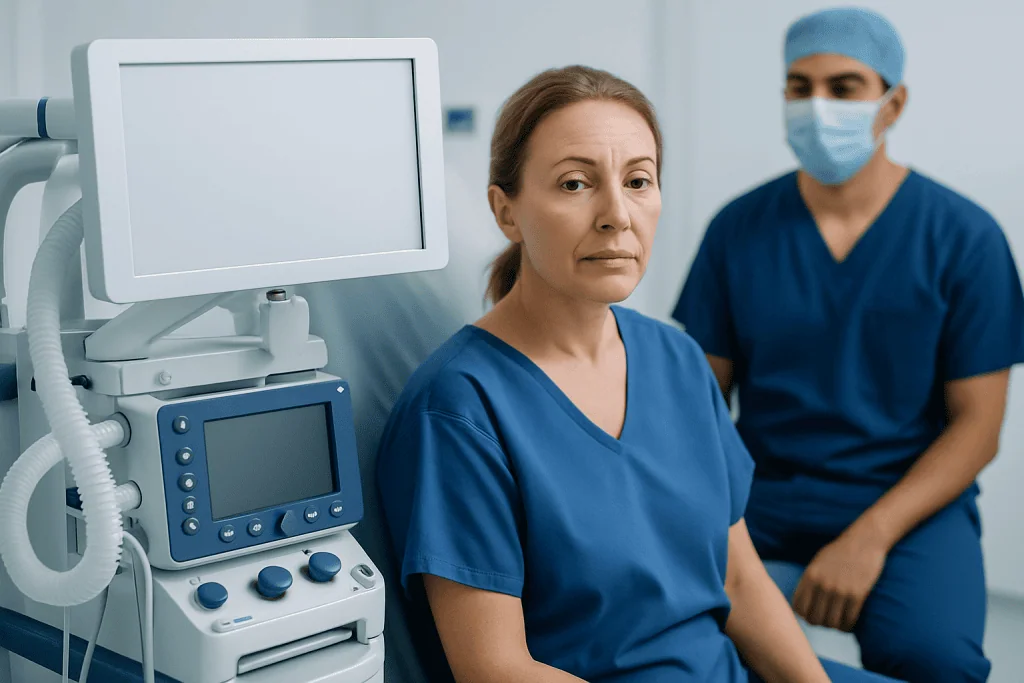
People consider brow lift surgery for different reasons. Some are bothered by a low or flattened brow position, while others are concerned about deep horizontal lines across the forehead or vertical lines between the eyebrows. In some cases, brow descent can also contribute to a heavy upper-eyelid appearance.
It is important to distinguish cosmetic concerns from functional ones. A brow position that has dropped significantly may affect the visual field for some people, although a brow lift is still planned carefully on an individual basis. During a consultation, the surgeon assesses facial proportions, skin quality, muscle movement, and the relationship between the brows, eyelids, and hairline.
Patients often seek brow lift surgery because they want to look more rested, alert, or approachable. Others simply want their outer appearance to better match how they feel inside. The procedure can be especially useful when the brow position is the main feature contributing to a tired or stern expression.
Causes and Risk Factors

Brow changes are commonly part of the natural aging process. With time, the skin and soft tissues of the forehead can lose elasticity, and the brows may gradually descend. Repeated facial muscle activity also contributes to the formation of lines across the forehead and between the eyebrows.
Genetics can play a role as well. Some people naturally have lower brows or a heavier upper-face appearance at a younger age. Sun exposure, smoking, and general changes in skin quality may further affect the look of the forehead and brows over time.
Not everyone with forehead lines needs surgery. For some patients, non-surgical options or a different facial procedure may be more suitable. A surgeon may also discuss whether the facial balance would benefit from another targeted treatment, such as aesthetic neck contouring or a brow-specific procedure, depending on the full assessment.
How Brow Lift Surgery Is Planned and Diagnosed
Brow lift surgery begins with a detailed consultation, not a diagnosis in the illness sense. The surgeon examines the face while the patient is relaxed and while the eyebrows are moving, because muscle activity changes the appearance of lines and brow position. Photographs are often taken for planning and comparison.
The surgeon will review medical history, medications, allergies, previous facial procedures, smoking status, and any conditions that may affect healing. It is important for patients to share whether they have a history of dry eyes, eyelid surgery, bleeding problems, or scarring issues. These details help the surgical team choose the safest technique.
There are several approaches to brow lift surgery, including endoscopic, temporal, and direct techniques, as well as procedures that may be performed through other incisions depending on the patient’s needs. The choice depends on anatomy, goals, and the degree of lift required. A careful discussion about expectations is one of the most valuable parts of the planning process.
What Happens During Surgery
Brow lift surgery is usually performed in a hospital or accredited surgical setting. Anesthesia may be general or local with sedation, depending on the technique and the patient’s situation. The surgical team monitors comfort and safety throughout the procedure.
In an endoscopic brow lift, the surgeon makes several small incisions behind the hairline and uses a camera to guide tissue repositioning. In other approaches, the incision pattern may differ to better suit the forehead shape, hairline, or degree of correction needed. The underlying tissues are adjusted so the brows sit in a more elevated position, and the forehead skin is smoothed as appropriate.
The exact duration varies by technique and whether additional procedures are performed. Patients usually go home the same day after a recovery period, although individual plans can differ. Before discharge, the team explains wound care, medication use, activity limits, and the signs that should prompt a call to the clinic.
Recovery and Aftercare
Recovery after brow lift surgery is gradual. In the early days, swelling, bruising, tightness, and mild discomfort are common and usually improve with time. The forehead may feel numb or unusually sensitive for a period, and the brows may initially look higher or more asymmetric before swelling settles.
Patients are typically advised to rest with the head elevated, avoid heavy lifting, and protect the incision sites as instructed. Cold compresses may be recommended during the early phase if the surgeon approves them. It is also common to limit bending, vigorous exercise, and activities that increase pressure in the head and face until healing progresses.
Hair washing, makeup use, and return to work depend on the technique used and the pace of healing. Many patients return to light daily activities relatively soon, but full settling of the results takes longer. A surgeon may suggest follow-up visits to check healing and, if needed, coordinate care with other facial treatments such as brow lift surgery or related aesthetic procedures in the future.
Benefits, Possible Risks, and Results
The main benefit of brow lift surgery is a refreshed, more open appearance in the upper face. The procedure may reduce a heavy or tired look, soften deep forehead lines, and improve facial balance. For some patients, it can also make the eyes appear more visible and expressive.
As with any operation, there are potential risks. These may include bleeding, infection, scarring, temporary or prolonged numbness, asymmetry, hairline changes, and dissatisfaction with the cosmetic result. Less commonly, patients may experience issues related to anesthesia or delayed wound healing. The surgeon should review these risks clearly before the procedure.
Results are not always immediate. Swelling can hide the final effect at first, and it may take weeks to months for the tissues to settle. A natural-looking result usually depends on careful surgical planning, realistic expectations, and attention to postoperative instructions.
When to See a Doctor
Anyone considering brow lift surgery should speak with a qualified plastic surgeon for a personalized assessment. This is especially important if the person has a medical condition, takes blood-thinning medication, smokes, or has had previous facial surgery. A detailed consultation helps determine whether a brow lift is appropriate and which approach may be best.
After surgery, patients should contact their care team promptly if they notice worsening pain, fever, increasing redness, drainage, sudden swelling on one side, changes in vision, or any symptom that feels unusual for the recovery stage. These signs do not always indicate a serious problem, but they should be reviewed by a clinician.
For international patients seeking coordinated care, Acibadem International offers multidisciplinary specialists and JCI-accredited hospitals that diagnose and treat brow lift concerns and related facial aesthetic needs. The most important step remains a thorough consultation with an experienced surgeon who can align the procedure with the patient’s goals and health profile.
Frequently asked questions
How long does a brow lift surgery take?
The length of surgery depends on the technique used and whether it is combined with other procedures. Some brow lifts are relatively short, while more complex cases take longer. The surgeon can give a more precise estimate during consultation.
Is brow lift surgery painful?
Most patients describe the recovery as uncomfortable rather than severely painful. Tightness, pressure, and mild soreness are common in the early period and are usually managed with the care plan provided by the surgical team. Pain that worsens unexpectedly should be reported.
Will a brow lift look natural?
Yes
How much time is needed away from work?
Time away from work varies based on the technique, the nature of the job, and how quickly swelling and bruising settle. Some people return to desk work sooner than to physically demanding tasks. The surgeon will usually recommend a plan based on the patient’s recovery progress.
Can a brow lift be combined with other procedures?
Yes, it is sometimes combined with eyelid surgery or other facial procedures when appropriate. Combining treatments can help create a more harmonious result, but the decision should be individualized. The surgeon will explain whether a combined approach is safe and sensible.
Who is a good candidate for brow lift surgery?
Good candidates are generally healthy adults who are bothered by a low brow position, forehead lines, or a tired expression and who have realistic expectations. A consultation is needed to assess skin quality, anatomy, medical history, and healing factors. Not every person with forehead lines is a suitable surgical candidate.
References
- American Society of Plastic Surgeons
- International Society of Aesthetic Plastic Surgery
- Mayo Clinic
- Cleveland Clinic
This article is for general information only and is not a substitute for professional medical advice. Please consult a qualified doctor about your individual situation.
Brow Lift in Turkey — costs, top hospitals & a free quote
JCI-accredited · board-certified surgeons · reply within 24h
Add us as a Preferred Source to see more of our trusted health content across Google Search, AI Overviews and Discover.

Plastic, Reconstructive & Aesthetic Surgery
Reconstructive and aesthetic procedures for the face and body, performed by experienced surgeons.
35 specialists in this unitRelated Treatments
Related Conditions
More from the Health Library


Related Specialists

Prof. Dr. Şükrü Yazar
Aesthetic Plastic & Reconstructive Surgery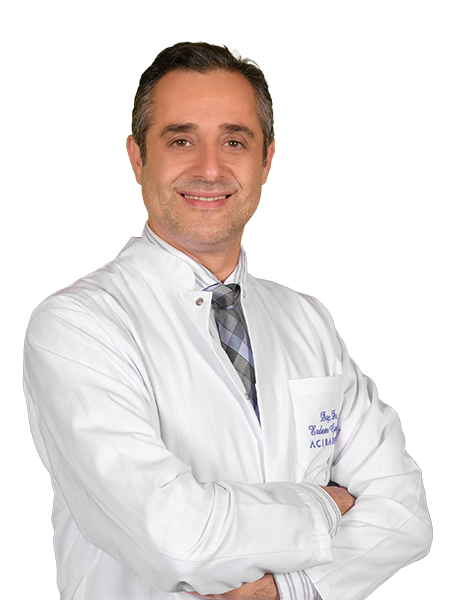
Assoc. Prof. Dr. Erdem Güven (m)
Aesthetic Plastic & Reconstructive Surgery
Prof. Dr. Hakan Ağır
Aesthetic Plastic & Reconstructive Surgery
Prof. Dr. Bülent Saçak
Aesthetic Plastic & Reconstructive Surgery