When Do Babies Eyes Change Color? Here Is What the Evidence Says
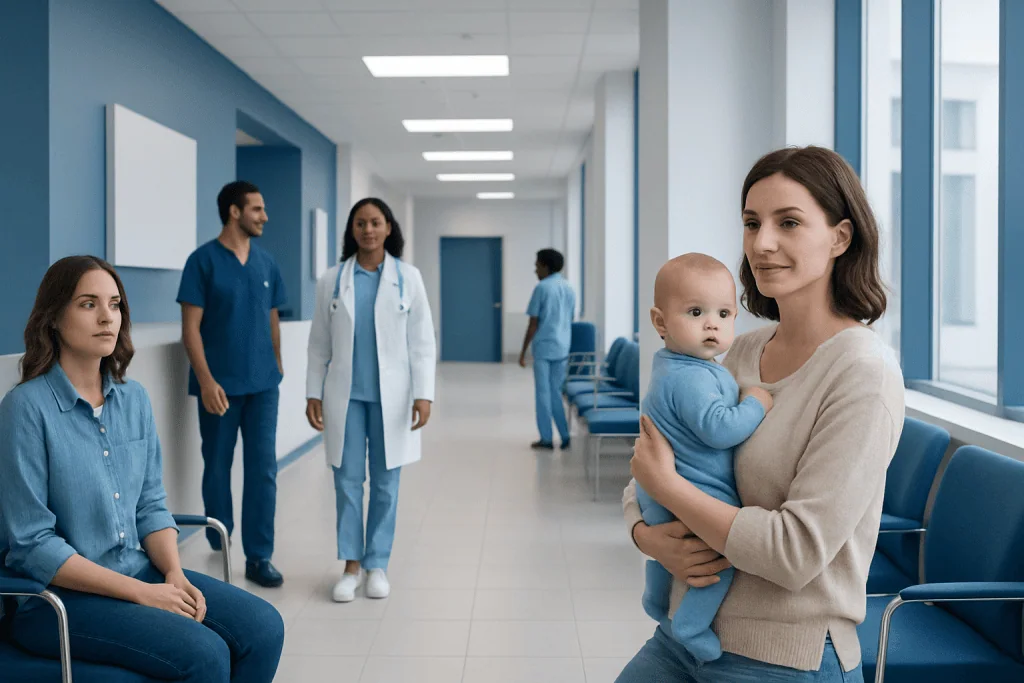
Many babies are born with eyes that look blue-gray, then gradually darken or change over the first 6 to 12 months. Eye color is influenced by genetics and by how much melanin develops in the iris after birth.
Key Takeaways
- Many babies are born with eyes that look blue-gray, then gradually darken or change over the first 6 to 12 months.
- Eye color is influenced by genetics and by how much melanin develops in the iris after birth.
- A slow, even color change in both eyes is usually normal.
- A sudden change, cloudy pupil, eye redness, pain, or eyes that look different from each other should be checked by a doctor.
- If there are concerns, a pediatrician or eye specialist can examine the eyes and rule out uncommon medical causes.
Most babies who seem to have changing eye color are experiencing a normal, harmless part of development. Eye color often becomes more settled during the first year of life, although some children continue to show subtle changes after that.
Overview: what is normal eye color change in babies?
If parents wonder when do babies eyes change color, the short answer is that most visible change happens in the first 6 to 12 months of life. In many infants, eye color appears blue, gray, or slate-colored at birth and then gradually becomes darker or more defined as pigment develops in the iris.
This process is usually harmless and reflects normal growth rather than a disease. Some babies reach their more stable eye color by around 6 months, while others continue to show subtle changes into toddlerhood. In a smaller number of children, the final shade may not be fully apparent until about 2 to 3 years of age.
What matters most is the pattern. A gradual, symmetric change in both eyes is usually normal. By contrast, a sudden change, one eye becoming noticeably different from the other, or changes accompanied by redness, discomfort, poor visual attention, or a white or cloudy appearance deserve medical review.
Why baby eye color changes after birth
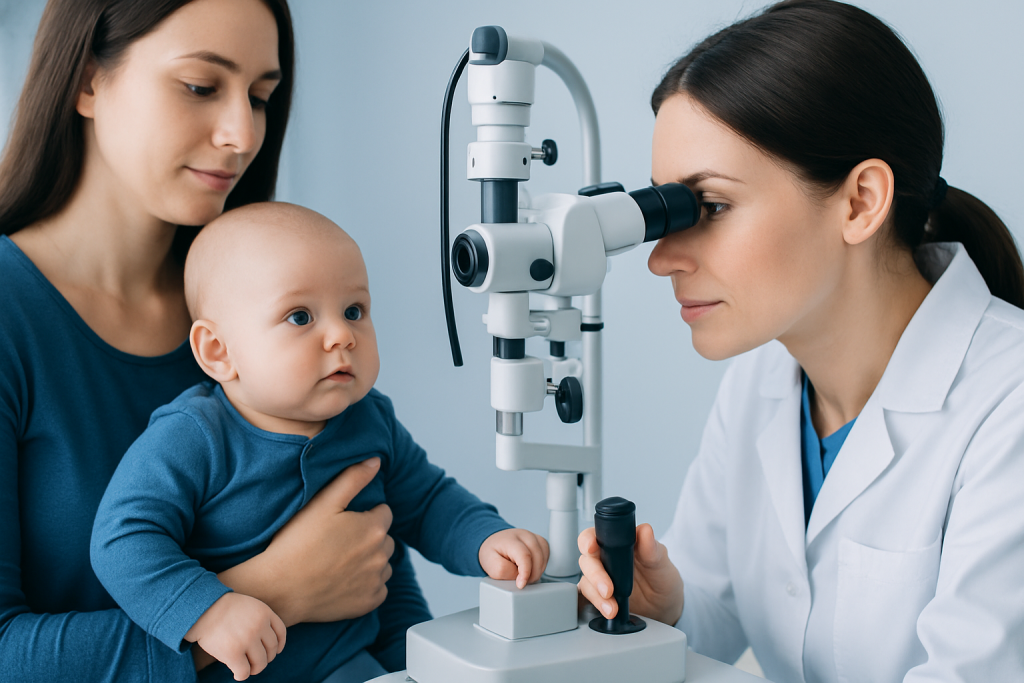
Eye color depends mainly on melanin, the pigment present in the iris. At birth, many babies have less visible melanin in the iris than they will later develop. As the first months pass and the eyes are exposed to light, melanin production can increase, making the irises look darker or richer in tone.
Genes play a major role in determining the final eye color, but the genetics are not simple enough to predict with certainty from parents’ eye colors alone. Multiple genes influence melanin production and distribution, which is why siblings can have different eye colors and why a baby’s final color may surprise the family.
The amount and placement of pigment affect whether eyes look blue, green, hazel, brown, or a mixed shade. Blue eyes usually reflect lower melanin in the front layers of the iris, while brown eyes generally reflect higher melanin levels. This is also why some babies’ eyes shift from lighter to darker shades over time more often than from dark brown to very light blue.
What timeline is typical?

Parents often notice the earliest changes within the first few months. A newborn’s eyes may look lighter in dim indoor light and darker in natural daylight, so color can seem to vary even before any true pigment change has occurred. By about 6 months, many babies begin to show a more consistent tone.
For some infants, eye color keeps changing through 9 to 12 months, and sometimes beyond. Brown and hazel tones may deepen gradually, while gray-blue eyes may stay light or shift toward green or hazel. Small shifts can continue into the second or third year, although the most obvious changes usually happen earlier.
Several everyday factors can make eye color seem different from one day to another, including lighting, clothing color, pupil size, and photographs. This can create the impression of rapid change when the underlying color is actually developing slowly.
- 0 to 3 months: eyes may appear blue-gray or dark and can look different under changing light.
- 3 to 6 months: pigment may increase, and the color may start to look more defined.
- 6 to 12 months: many babies reach a more stable shade.
- 1 to 3 years: subtle deepening or blending of color may still occur in some children.
Normal variation versus signs that need attention
In most healthy infants, eye color change is even, gradual, and not linked to other symptoms. It does not cause pain, discharge, fever, or changes in behavior. A baby who tracks faces, responds to light, and seems comfortable usually has a normal developmental pattern.
It is important, however, to separate harmless color development from changes that may reflect an eye problem. A cloudy pupil, a white reflection in photos, persistent tearing, marked light sensitivity, unusual eye movements, significant eye redness, or an eye that appears enlarged should not be explained away as simple color change. These signs deserve timely medical assessment.
Parents should also seek advice if one iris becomes clearly lighter or darker than the other, especially if the difference is new. This is called heterochromia when the eyes are different colors; it can be harmless, but when it appears suddenly or is paired with other symptoms, a doctor should check for underlying causes. Some eye conditions can affect appearance as well as vision, including glaucoma and cataract.
When to seek medical care
Medical care is appropriate if eye color seems to change suddenly rather than gradually, or if the change affects only one eye. Parents should also arrange an evaluation if they notice poor eye contact, lack of visual tracking, a drooping eyelid, frequent squinting, unusual eye shaking, or concerns about whether the baby sees well.
Urgent review is especially important if there is a white, gray, or cloudy appearance in the pupil; persistent redness; swelling; pain; discharge; fever; or light sensitivity. These findings can point to infection, inflammation, increased eye pressure, or a structural problem that needs prompt treatment.
If symptoms suggest an emergency, an eye specialist may recommend a full eye examination and, when needed, further assessment with ophthalmology services. Although serious causes are uncommon, early evaluation is the safest way to protect vision and reassure families.
How doctors evaluate a baby's eye color change
A doctor begins with a careful history. They may ask when the color change was first noticed, whether it is happening in one eye or both, whether there are any photos showing the earlier appearance, and whether the baby has had redness, discharge, trauma, sensitivity to light, or trouble focusing on faces and objects.
The physical examination usually includes inspection of the iris, pupil, eyelids, and the clarity of the cornea and lens. The clinician checks whether the eyes move together, whether the pupils react normally to light, and whether there is any sign of clouding, enlargement, or inflammation. In young infants, this exam is often quick and noninvasive.
If anything looks unusual, the child may be referred to a pediatric ophthalmologist. Depending on the concern, additional tests may assess eye pressure, the inside of the eye, or visual development. This stepwise approach helps distinguish normal pigment maturation from less common conditions that need treatment.
What treatment, if any, is needed?
Normal eye color change does not need treatment. When the change reflects ordinary melanin development, the best approach is observation during routine well-baby care. Parents can simply note the timing and pattern and bring photos if they want to discuss it with the pediatrician.
Treatment is only needed if the color change is linked to an underlying condition. For example, eye infections, inflammation, congenital cataract, or raised eye pressure each require a different plan. In some cases, doctors may monitor the child over time; in others, they may recommend medicine or a procedure to protect vision.
If a structural eye problem is found, management may involve pediatric eye specialists and, when indicated, advanced eye surgery. Near the end of the care pathway, families who need international evaluation may also seek help from centers such as Acibadem International, where multidisciplinary specialists in JCI-accredited hospitals assess and treat children with eye concerns.
Practical tips for parents and self-care at home
Parents do not need to measure or track eye color formally, but a simple photo every few months in similar lighting can be useful if questions arise. It is best not to compare pictures taken with flash, as flash can create reflections that make the pupils or irises look unusual even when the eyes are healthy.
Routine pediatric visits are a good time to mention any concerns about the eyes, even if they seem minor. These visits include developmental observation, and many visual problems are easier to address when recognized early. Families should also follow standard infant safety habits, such as protecting the baby from accidental eye injury and avoiding home remedies in the eye.
Reassurance is often the most appropriate response. In the majority of babies, a gradual shift in eye color is simply part of normal development and does not affect vision, comfort, or long-term eye health.
Frequently asked questions
When do babies eyes change color most often?
Most visible eye color change happens during the first 6 to 12 months of life. Some children continue to show subtle changes after their first birthday, and final color may become clearer by age 2 to 3 years.
Are babies usually born with blue eyes?
Many newborns, especially those with lighter pigmentation, may appear to have blue-gray eyes at birth. However, not all babies are born with blue eyes, and the early color can change as melanin develops in the iris.
Can a baby's eyes change from brown to blue?
A noticeable shift from dark brown to blue is uncommon. More often, eyes that appear light at birth become darker or more defined over time as pigment increases.
Is it normal for one baby eye to look a different color than the other?
A small difference in appearance can sometimes be due to lighting or photography. But if one iris truly looks a different color from the other, especially if this is new or comes with other symptoms, a doctor should evaluate it.
Does changing eye color mean something is wrong with vision?
Usually not. A gradual, even color change in both eyes is often a normal developmental process and does not by itself mean the baby has a vision problem.
What warning signs should prompt urgent medical review?
Parents should seek prompt care for a white or cloudy pupil, marked redness, swelling, pain, sensitivity to light, unusual eye movements, or poor visual attention. These signs are not typical of normal eye color development and need professional assessment.
References
- American Academy of Pediatrics
- American Academy of Ophthalmology
- National Eye Institute
- MedlinePlus
- Royal College of Ophthalmologists
This article is for general information only and is not a substitute for professional medical advice. Please consult a qualified doctor about your individual situation.
Explore treatments in Turkey — costs, top hospitals & a free quote
JCI-accredited · board-certified surgeons · reply within 24h
Add us as a Preferred Source to see more of our trusted health content across Google Search, AI Overviews and Discover.