When Do You Need Urgent Imaging for Headache, Abdominal Pain, or Injury?
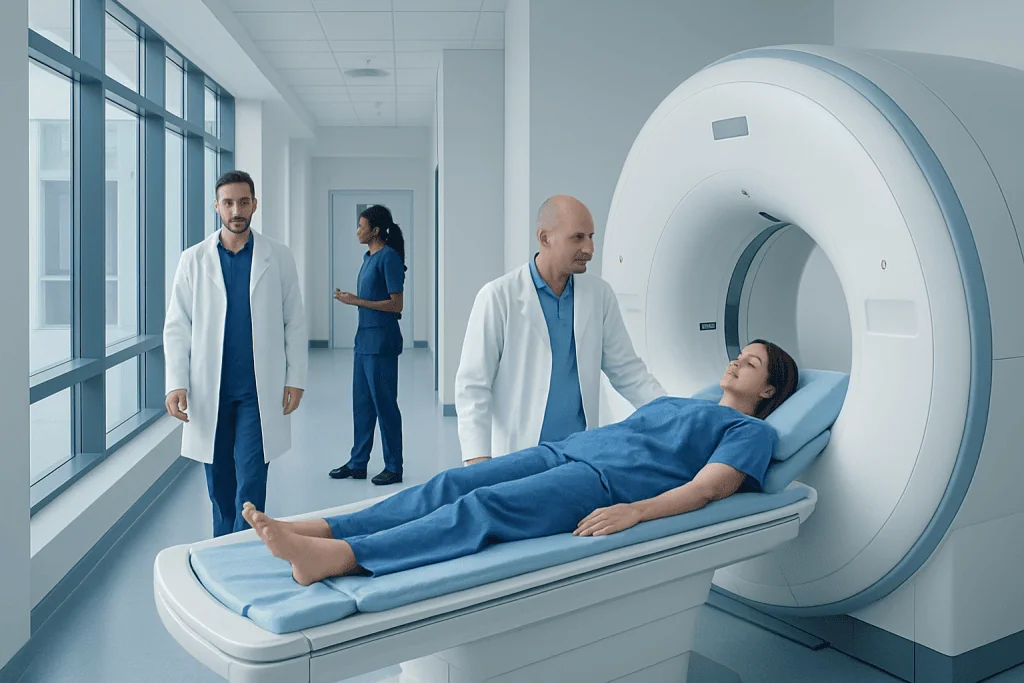
Not every headache, stomach pain, or injury needs immediate imaging. Red-flag symptoms such as sudden severe pain, weakness, confusion, heavy bleeding, or trouble breathing may require urgent scans.
Key Takeaways
- Not every headache, stomach pain, or injury needs immediate imaging.
- Red-flag symptoms such as sudden severe pain, weakness, confusion, heavy bleeding, or trouble breathing may require urgent scans.
- Doctors choose imaging based on the body area involved and the concern, such as bleeding, infection, fracture, or organ injury.
- CT is often used in emergencies because it is fast, while MRI and ultrasound may be better in selected situations.
- Prompt medical assessment matters more than trying to guess which scan is needed.
Urgent imaging can help doctors quickly find dangerous causes of headache, abdominal pain, or injury when warning signs are present. The need for a CT scan, MRI, ultrasound, or X-ray depends on symptoms, medical history, physical examination, and how suddenly the problem began.
Overview: What Urgent Imaging Means
Urgent imaging refers to medical scans performed quickly when a doctor suspects a serious condition that should not wait. These tests help identify problems such as bleeding, stroke, internal injury, appendicitis, kidney blockage, fractures, or damage to organs after trauma. In emergency care, imaging is one part of a larger assessment that also includes the person’s symptoms, vital signs, medical history, and physical examination.
Many people worry that every severe symptom needs a scan right away. In reality, imaging is most helpful when there are specific warning signs or when scan results are likely to change treatment. For example, a mild headache with a normal neurological exam may not need immediate imaging, while a sudden “worst headache of life” may require fast brain imaging to look for bleeding.
The most common urgent imaging tests include X-ray, ultrasound, computed tomography (CT), and magnetic resonance imaging (MRI). Each has strengths and limitations. CT is often chosen in emergencies because it is fast and widely available. Ultrasound is useful for gallbladder problems, pelvic pain, pregnancy-related concerns, and some abdominal emergencies. MRI can provide more detail for the brain, spine, and soft tissues, although it usually takes longer and may not be the first test in unstable patients.
When Headache May Need Urgent Imaging
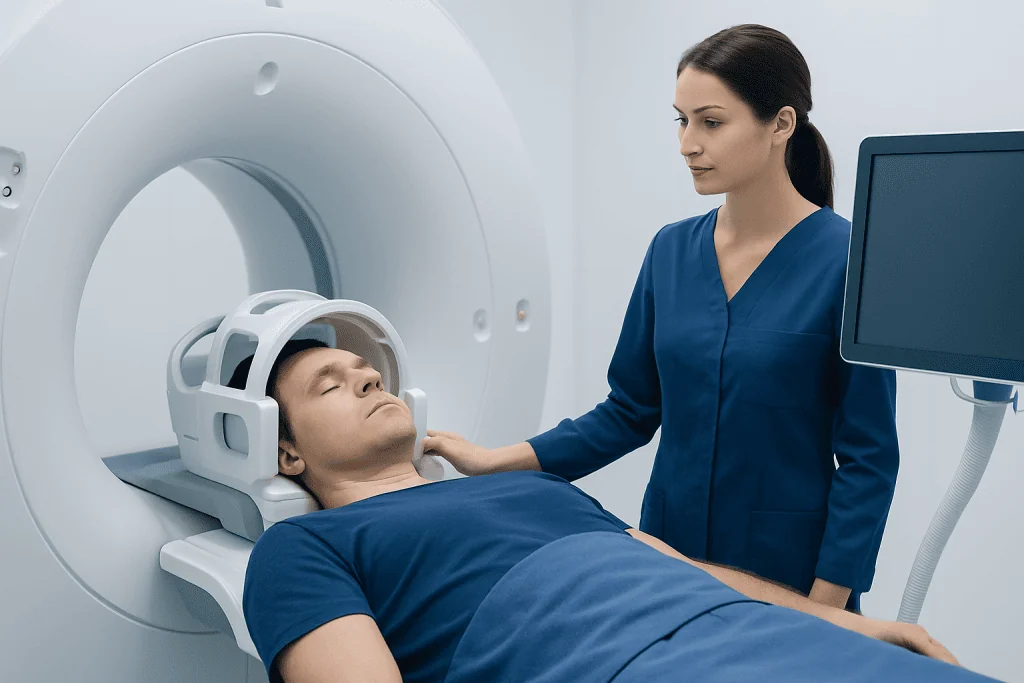
Most headaches are not caused by life-threatening illness. Common causes include tension headaches, migraine, dehydration, infection, poor sleep, or medication-related headache. However, certain symptoms raise concern for serious problems such as brain bleeding, stroke, infection around the brain, or a mass. In these situations, urgent imaging may be needed to guide rapid treatment.
Doctors are more likely to order urgent imaging for a headache that starts suddenly and reaches maximum intensity within seconds or minutes, especially if it is described as the worst headache a person has ever had. Other warning signs include confusion, fainting, seizures, weakness, numbness, trouble speaking, vision loss, high fever with neck stiffness, severe headache after head trauma, or a new headache in someone with cancer or an immune system disorder.
Age and timing also matter. A new or unusual headache in an older adult, a headache that steadily worsens over days or weeks, or a headache triggered by coughing, exertion, or changes in position may need further evaluation. During pregnancy or after childbirth, severe headache can have specific causes that require urgent attention. In these situations, a doctor may consider an MRI scan or a CT scan depending on the suspected cause and how quickly answers are needed.
Imaging is not always the first step for a known migraine pattern without neurological symptoms. Still, anyone with a dramatic change in headache type, a new neurological symptom, or a headache paired with altered mental status should seek prompt medical care rather than self-treating at home.
When Abdominal Pain May Need Urgent Imaging

Abdominal pain is common and can range from mild indigestion to a surgical emergency. Imaging becomes more urgent when symptoms suggest inflammation, infection, bowel obstruction, internal bleeding, kidney stones, gallbladder disease, or a problem with blood flow to the intestines. Doctors look closely at where the pain is located, how quickly it started, whether it moves, and what other symptoms are present.
Urgent imaging may be needed if abdominal pain is severe, sudden, or persistent, especially when paired with fever, repeated vomiting, a swollen abdomen, inability to pass stool or gas, fainting, black or bloody stools, blood in the urine, jaundice, or signs of dehydration. Pain during pregnancy also deserves careful assessment because both gynecologic and abdominal emergencies are possible. In children and older adults, symptoms may be less typical, so medical evaluation is especially important.
Ultrasound is often used first for suspected gallstones, gallbladder inflammation, pelvic pain, or pregnancy-related concerns. CT is commonly used when doctors suspect appendicitis, diverticulitis, bowel obstruction, abscess, trauma, or internal bleeding. In some cases, a CT scan provides the fastest way to identify whether urgent surgery or hospital treatment is needed.
Not all stomach pain requires imaging right away. Mild pain from a brief stomach virus, constipation, or known indigestion may improve with time and medical advice. But if the pain is worsening, localizes to one area, or comes with systemic symptoms such as fever or collapse, waiting too long can delay necessary care.
When Injury or Trauma Calls for Emergency Imaging
After an injury, imaging helps doctors look for fractures, internal bleeding, organ damage, and injuries to the brain, spine, chest, or abdomen. The need for urgent imaging depends on the mechanism of injury, the force involved, symptoms, physical findings, and whether the person is stable. A minor bump or sprain may not need a scan, while a fall from height, road traffic collision, or sports injury with neurological symptoms may need immediate evaluation.
Head injury is one of the most common reasons for emergency imaging. Warning signs include loss of consciousness, repeated vomiting, worsening headache, confusion, seizure, unusual drowsiness, weakness, unequal pupils, or use of blood-thinning medication. These situations can raise concern for bleeding inside the skull and often prompt urgent brain imaging. Doctors may also consider related conditions such as concussion when symptoms follow a blow to the head.
For injuries involving the chest, abdomen, pelvis, or spine, urgent imaging may be needed if there is severe pain, shortness of breath, abdominal tenderness, limb deformity, inability to walk, numbness, or weakness. X-rays are often used to look for broken bones, while ultrasound and CT can identify internal injury. In some cases, X-ray imaging is the first step, followed by more advanced scans if needed.
Even when an injury seems minor at first, symptoms can evolve over the next hours. Anyone who becomes more confused, develops worsening pain, has new weakness, or notices heavy swelling or bleeding after trauma should be reassessed promptly.
Which Imaging Test Doctors Choose
The best scan depends on what doctors are trying to rule in or rule out. X-rays are quick and helpful for many bone injuries and some chest problems. Ultrasound does not use radiation and is often preferred for gallbladder disease, pelvic pain, some vascular problems, and evaluation during pregnancy. CT scans are fast and detailed, making them especially useful in emergencies involving the head, chest, abdomen, or major trauma.
MRI provides detailed images of the brain, spinal cord, joints, and soft tissues. It can be helpful for selected headaches, neurological symptoms, spinal injuries, or complex abdominal and pelvic conditions. However, MRI usually takes longer than CT and may not be suitable for everyone, especially if a person is unstable, has certain implanted devices, or cannot lie still for the exam.
Doctors also balance benefits and risks. CT and X-ray use ionizing radiation, so they are ordered thoughtfully, especially in children and during pregnancy. Contrast dye may improve some scans, but it is used carefully in people with kidney problems, prior contrast reactions, or certain other medical conditions. The goal is to obtain the clearest answer with the safest and most appropriate test.
Sometimes initial imaging is normal, but symptoms still require observation, repeat examination, or a different test later. A scan is important, but it does not replace clinical judgment. The final decision is based on the full picture rather than on one symptom alone.
What to Expect During Urgent Imaging
In urgent care or emergency settings, imaging is usually organized after triage and an initial medical assessment. A clinician will ask when symptoms began, how severe they are, what makes them better or worse, and whether there are associated symptoms such as fever, weakness, vomiting, or bleeding. They may also ask about pregnancy, allergies, implanted devices, and medicines such as blood thinners.
During the scan, the person may be asked to lie still, hold their breath briefly, or change position. CT scans are usually quick, often taking only a few minutes. MRI takes longer and can feel noisy or enclosed, although staff can explain each step and help make the process more comfortable. Ultrasound is usually painless and performed with a handheld probe on the skin.
Results may be available quickly in emergencies, but timing varies depending on the test and the need for specialist review. If a dangerous finding is identified, treatment may begin right away. If the scan does not show an emergency, the doctor may still recommend follow-up, symptom monitoring, or outpatient testing depending on the clinical picture.
When to Seek Immediate Medical Attention
It is wise to seek urgent medical care rather than waiting at home if a headache, abdominal pain, or injury is accompanied by red-flag symptoms. These include sudden severe headache, confusion, fainting, seizure, weakness on one side, trouble speaking, severe abdominal pain, rigid abdomen, blood in vomit or stool, shortness of breath, uncontrolled bleeding, or significant trauma such as a major fall or vehicle collision.
Children, older adults, pregnant people, and those with cancer, bleeding disorders, immune suppression, or blood-thinning medication may need earlier assessment because serious illness can present differently or carry higher risk. If symptoms are rapidly worsening, the safest step is emergency evaluation. Driving oneself may not be appropriate if there is confusion, severe pain, or neurological symptoms.
If the condition is not immediately dangerous but symptoms keep returning or are not improving, a medical review is still important. Persistent headaches, recurrent abdominal pain, and lingering symptoms after injury should not be ignored. A specialist may recommend further evaluation for conditions such as migraine or other underlying causes.
Near the end of the care pathway, some patients may benefit from coordinated imaging and specialist input. Acibadem International’s multidisciplinary specialists and JCI-accredited hospitals diagnose and treat emergency and non-emergency causes of these symptoms for international patients when further evaluation is needed.
Frequently asked questions
Does every severe headache need a CT or MRI?
No. Many headaches, even painful ones, are caused by migraine or tension-type headache and do not need urgent imaging. Imaging is more likely when there are warning signs such as sudden onset, neurological symptoms, fever with neck stiffness, head trauma, or a major change from a person’s usual headache pattern.
Is CT or MRI better in an emergency?
It depends on the problem being considered. CT is often preferred in emergencies because it is fast and effective for detecting bleeding, many injuries, and acute abdominal problems. MRI can provide more detailed information in selected situations, but it usually takes longer and may not be the first choice when rapid decisions are needed.
What kind of imaging is used for abdominal pain?
Doctors may use ultrasound, CT, or sometimes MRI depending on the symptoms and suspected cause. Ultrasound is common for gallbladder, pelvic, and pregnancy-related concerns, while CT is often used for appendicitis, bowel obstruction, internal injury, or other urgent abdominal conditions.
When should someone go to the emergency department after an injury?
Emergency care is important after a significant injury, or any injury followed by loss of consciousness, repeated vomiting, confusion, severe pain, trouble breathing, weakness, numbness, heavy bleeding, or inability to move a limb normally. These symptoms can suggest internal injury or a fracture that may need urgent imaging and treatment.
Are imaging tests safe?
Imaging tests are generally safe when used appropriately. Doctors choose them carefully because some tests, such as CT and X-ray, involve radiation, while others may use contrast dye that requires caution in certain patients. The medical team weighs the benefits and risks before recommending a scan.
Can a normal scan still mean something is wrong?
Yes, sometimes. A normal scan can be reassuring, but it does not always explain every symptom, especially early in an illness. That is why doctors also rely on physical examination, observation, repeat assessment, and follow-up if symptoms continue or worsen.
This article is for general information only and is not a substitute for professional medical advice. Please consult a qualified doctor about your individual situation.
Explore treatments in Turkey — costs, top hospitals & a free quote
JCI-accredited · board-certified surgeons · reply within 24h
Add us as a Preferred Source to see more of our trusted health content across Google Search, AI Overviews and Discover.

More from the Health Library

Blood Test or Imaging First? How Doctors Decide

Pediatric EEG: How Brain Wave Testing Is Done and How to Prepare
PET-CT Scan: Cancer Imaging, Preparation, and What Uptake Means

Biopsy vs Imaging: When a Scan Is Enough and When Tissue Testing Is Needed

What Happens During a Diagnostic Imaging Exam: Step-by-Step Guide