When to Get a Second Opinion for Bariatric Surgery

A second opinion is a routine and reasonable part of planning bariatric surgery. It can confirm whether surgery is suitable and whether the recommended procedure matches a person’s health needs and goals.
Key Takeaways
- A second opinion is a routine and reasonable part of planning bariatric surgery.
- It can confirm whether surgery is suitable and whether the recommended procedure matches a person’s health needs and goals.
- Another specialist may identify alternative treatments, additional tests, or ways to reduce risk before surgery.
- Patients may benefit most when they seek a second opinion before committing to a surgeon or procedure.
- A complete review usually includes medical history, weight-related conditions, eating patterns, and psychological readiness.
A second opinion for bariatric surgery can help a person feel more confident about whether surgery is appropriate, which procedure may fit best, and how to prepare safely. It is especially helpful when recommendations are unclear, options differ, or there are complex medical concerns.
Overview
Bariatric surgery can be an effective treatment for severe obesity and related health problems, but it is also a major decision with long-term effects. Because it changes the digestive system and requires lasting lifestyle adjustments, many people want reassurance that surgery is the right choice and that the chosen procedure suits their needs.
A second opinion for bariatric surgery means asking another qualified specialist to review the person’s health history, weight-loss journey, test results, and treatment options. This does not mean the first doctor is wrong. In many cases, it simply helps confirm the plan, explain alternatives more clearly, and support informed decision-making.
Patients may seek a second opinion before any type of bariatric surgery, including gastric sleeve surgery or gastric bypass. The goal is not delay for its own sake. The goal is to move forward with better understanding, realistic expectations, and confidence in the care plan.
When a Second Opinion May Be Helpful
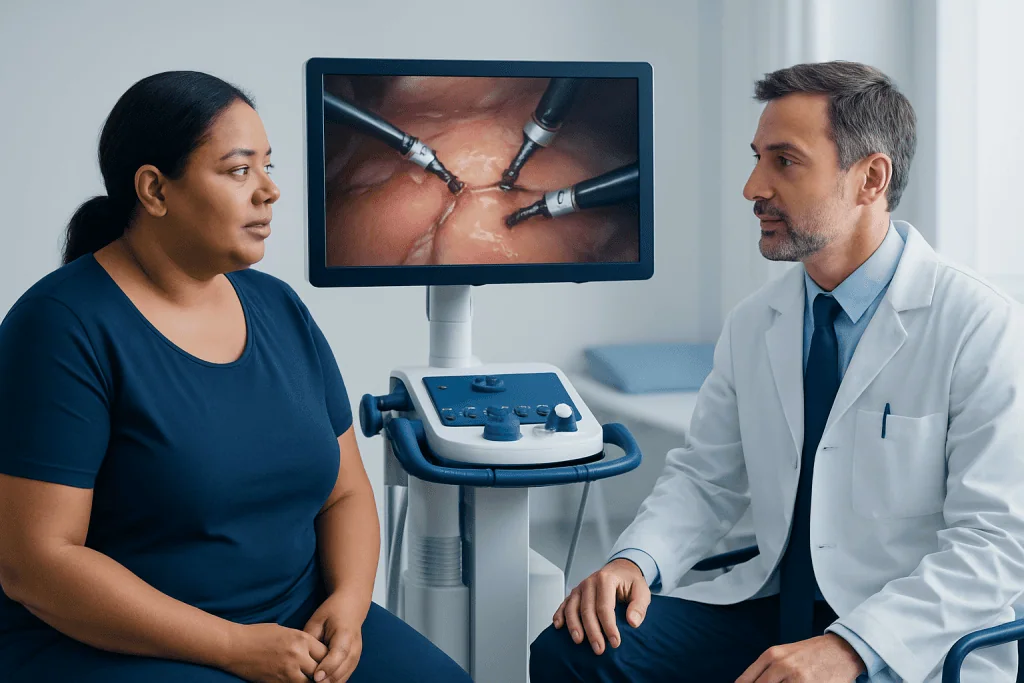
There is no single rule about when to ask for another opinion, but some situations make it especially useful. If a person feels rushed into surgery, does not fully understand the recommendation, or is uncertain about the proposed procedure, it is reasonable to pause and ask another experienced bariatric specialist for guidance.
A second opinion can also help when different doctors recommend different operations, such as sleeve gastrectomy versus bypass, or when a person has complex health issues like diabetes, sleep apnea, reflux, prior abdominal surgery, or very high body mass index. In these settings, procedure choice may affect both benefits and risks.
Other common reasons include previous unsuccessful weight-loss treatments, concerns about long-term nutritional issues, questions about fertility or pregnancy planning, and worries about recovery time. People living with morbid obesity may also want a broader review of non-surgical and surgical options to ensure the treatment plan fits their overall health needs.
- The diagnosis or eligibility criteria seem unclear.
- The recommended operation was not explained in detail.
- There is concern about complications, safety, or long-term follow-up.
- The patient has other medical conditions that may change the surgical plan.
- The person wants reassurance before making a life-changing decision.
What a Second Opinion Can Clarify

A second opinion can answer several important questions. First, it can confirm whether the person is a suitable candidate for surgery at all. Some patients may benefit from surgery, while others may need more structured medical weight management, treatment for eating disorders, or further evaluation before moving ahead.
Second, it can clarify which operation may be most appropriate. Bariatric procedures differ in how they affect appetite, digestion, reflux, blood sugar control, and nutrient absorption. One specialist may favor a restrictive procedure, while another may recommend a bypass approach based on reflux symptoms, diabetes, medication use, or past abdominal conditions such as an incisional hernia.
Third, a second opinion may identify missing parts of the preoperative workup. These can include nutritional assessment, screening for sleep apnea, gastrointestinal evaluation, blood tests, psychological assessment, and counseling about long-term vitamin and mineral needs. Some people may also learn about non-surgical approaches, such as stomach reduction without surgery, if surgery is not the best immediate option.
What Specialists Review During the Evaluation
A thorough second-opinion visit usually includes a detailed review of weight history, previous diets, physical activity, medications, and obesity-related conditions. Doctors often ask when the weight gain started, what treatments have been tried, and whether there are symptoms such as heartburn, joint pain, snoring, fatigue, or blood sugar problems.
The specialist will also consider emotional and behavioral factors. Bariatric surgery is not only a technical procedure; it requires readiness for major lifestyle changes. Eating patterns, binge eating symptoms, alcohol use, stress, social support, and understanding of the postoperative diet all matter when planning safe and successful care.
Medical history is equally important. A patient may need extra evaluation if there has been prior abdominal surgery, hernias, gallbladder disease, or conditions affecting anesthesia risk. The surgeon may discuss whether a minimally invasive approach such as gastric laparoscopic surgery is feasible, and whether any other problems should be addressed before weight-loss surgery.
- Body mass index and waist-related health risks
- Type 2 diabetes, high blood pressure, and sleep apnea
- Acid reflux or swallowing problems
- Nutritional status and vitamin deficiencies
- Psychological readiness and support systems
- Previous abdominal operations or hernias
Questions to Ask During a Second Opinion
Patients often get the most value from a second opinion when they arrive prepared with records and questions. Bringing laboratory results, imaging reports, medication lists, and notes from the first consultation can help the second specialist give a more precise assessment. If possible, it is useful to ask the same core questions at each consultation to compare the answers fairly.
Important topics include why a specific procedure is recommended, what expected benefits are realistic, what risks are most relevant for that individual, and what long-term follow-up is required. The patient can also ask how issues such as reflux, diabetes, fertility plans, or previous surgery might influence the choice between procedures.
It is reasonable to ask about recovery, diet stages, supplements, possible weight regain, and how complications are handled if they occur. A clear, patient-centered explanation is often as important as the recommendation itself. If the person leaves the visit understanding both the advantages and trade-offs, the second opinion has already been useful.
- Am I a good candidate for surgery now, or should I try other steps first?
- Why do you recommend this procedure over other options?
- How will this surgery affect reflux, diabetes, or other medical conditions?
- What are the short-term and long-term risks for someone with my health profile?
- What follow-up, supplements, and lifestyle changes will I need for life?
How to Compare Recommendations and Make a Decision
It is not unusual for two specialists to agree on the general need for surgery but differ on the best procedure. When this happens, the patient can compare the reasoning behind each recommendation rather than assuming one must be correct and the other wrong. Procedure choice often depends on individual priorities, such as diabetes control, reflux symptoms, eating habits, or tolerance for long-term nutritional monitoring.
Patients may find it helpful to weigh several areas: expected weight loss, impact on obesity-related illnesses, reversibility, side effects, supplement needs, and the intensity of follow-up care. The quality of the multidisciplinary program also matters. Good bariatric care usually includes surgery, nutrition support, medical evaluation, psychological assessment, and long-term monitoring.
If uncertainty remains, a person can ask for more time, additional testing, or even a third opinion. The best decision is usually the one made with clear information, enough reflection, and trust in the clinical team. Near the end of this process, some international patients choose centers such as Acibadem International, where multidisciplinary specialists in JCI-accredited hospitals evaluate and treat bariatric conditions with coordinated care.
Self-Care, Preparation, and When to See a Doctor
While considering bariatric surgery, patients can take practical steps that improve readiness and may reduce risk. These include following medical advice for blood sugar and blood pressure control, stopping smoking if possible, reviewing medications, beginning gentle physical activity if appropriate, and meeting with a dietitian when available. Even small preoperative health improvements can support safer surgery and recovery.
It is also important to keep expectations realistic. Bariatric surgery is a tool, not a quick fix. Long-term success depends on follow-up visits, eating changes, physical activity, and lifelong attention to nutrition. A second opinion can reinforce these points and help the patient understand what life after surgery may actually look like.
A doctor should be consulted promptly if there is severe obesity with worsening complications such as uncontrolled diabetes, significant sleep apnea symptoms, severe reflux, or mobility problems that limit daily life. Medical advice is also important if a person feels pressured, confused, or emotionally unprepared for surgery. Taking time to ask questions is part of good care, not a sign of indecision.
Frequently asked questions
Is it normal to get a second opinion before bariatric surgery?
Yes. A second opinion is a common and appropriate step before any major elective procedure, including bariatric surgery. It can help confirm the diagnosis, the need for surgery, and the best procedure for the individual.
Will asking for a second opinion offend the first surgeon?
In most cases, no. Experienced surgeons generally understand that patients want to feel informed and comfortable before making a major decision. Seeking another opinion is part of shared decision-making and careful planning.
What should a patient bring to a second-opinion appointment?
Helpful items include clinic notes, blood test results, imaging reports, endoscopy results if available, a medication list, and details about past surgeries and medical conditions. Bringing a written list of questions can also make the visit more useful.
Can a second opinion change the type of bariatric procedure recommended?
Yes. Another specialist may agree that surgery is appropriate but recommend a different operation based on reflux, diabetes, anatomy, nutritional concerns, or previous abdominal surgery. This can help the patient choose the option that best matches their health profile.
Should someone get a second opinion if they already know they want surgery?
It can still be valuable. Even when a person feels ready for surgery, a second opinion may clarify expectations, refine procedure choice, and identify steps that improve safety. It may also strengthen the patient’s confidence in moving forward.
Does a second opinion mean surgery should be delayed?
Not necessarily. In many cases, it can be arranged without a major delay and may prevent confusion later. A short pause for a careful review can be worthwhile when making a long-term health decision.
References
- American Society for Metabolic and Bariatric Surgery
- National Institute of Diabetes and Digestive and Kidney Diseases
- National Institute for Health and Care Excellence
- World Health Organization
This article is for general information only and is not a substitute for professional medical advice. Please consult a qualified doctor about your individual situation.
Bariatric Surgery in Turkey — costs, top hospitals & a free quote
JCI-accredited · board-certified surgeons · reply within 24h
Add us as a Preferred Source to see more of our trusted health content across Google Search, AI Overviews and Discover.
Check your numbers in seconds
BMI, calories, due date, blood pressure and 30+ more clinical calculators — free, instant, doctor-reviewed ranges.

Bariatric & Metabolic Surgery
Surgical and endoscopic treatments for obesity and metabolic conditions.