When to Get a Second Opinion for Memory Loss or Dementia

A second opinion can confirm a diagnosis or reveal another explanation for memory symptoms. It is especially useful when symptoms change quickly, begin at an unusual age, or do not match the diagnosis given.
Key Takeaways
- A second opinion can confirm a diagnosis or reveal another explanation for memory symptoms.
- It is especially useful when symptoms change quickly, begin at an unusual age, or do not match the diagnosis given.
- Many conditions besides dementia can affect memory, including depression, sleep problems, medication effects, thyroid disease, and vitamin deficiencies.
- Patients and families can prepare by bringing symptom notes, medication lists, brain imaging, and prior test results.
- A second opinion should not delay urgent medical attention for sudden confusion, stroke symptoms, or major safety concerns.
A second opinion for memory loss or dementia can be helpful when symptoms are unclear, the diagnosis does not seem to fit, or treatment decisions feel uncertain. It may confirm the original assessment, identify reversible causes, and give patients and families more confidence about next steps.
Overview
Memory loss can be unsettling for patients and families, especially when symptoms begin to affect daily life. A diagnosis such as mild cognitive impairment or dementia often raises difficult questions about what is happening, what to expect, and whether the first evaluation was complete. In many cases, asking for a second opinion is a reasonable and helpful step.
A second opinion does not mean distrust of the first doctor. Instead, it offers another specialist’s review of symptoms, examination findings, medications, cognitive testing, blood tests, and brain imaging. This can help confirm the diagnosis, refine it, or identify another condition that may be contributing to memory problems.
Because memory changes can have more than one cause, careful evaluation matters. Some people have reversible or treatable problems, while others may have a progressive neurodegenerative condition such as Alzheimer’s disease. A second opinion can give patients and caregivers clearer information and greater confidence in planning care.
Signs That a Second Opinion May Be Helpful
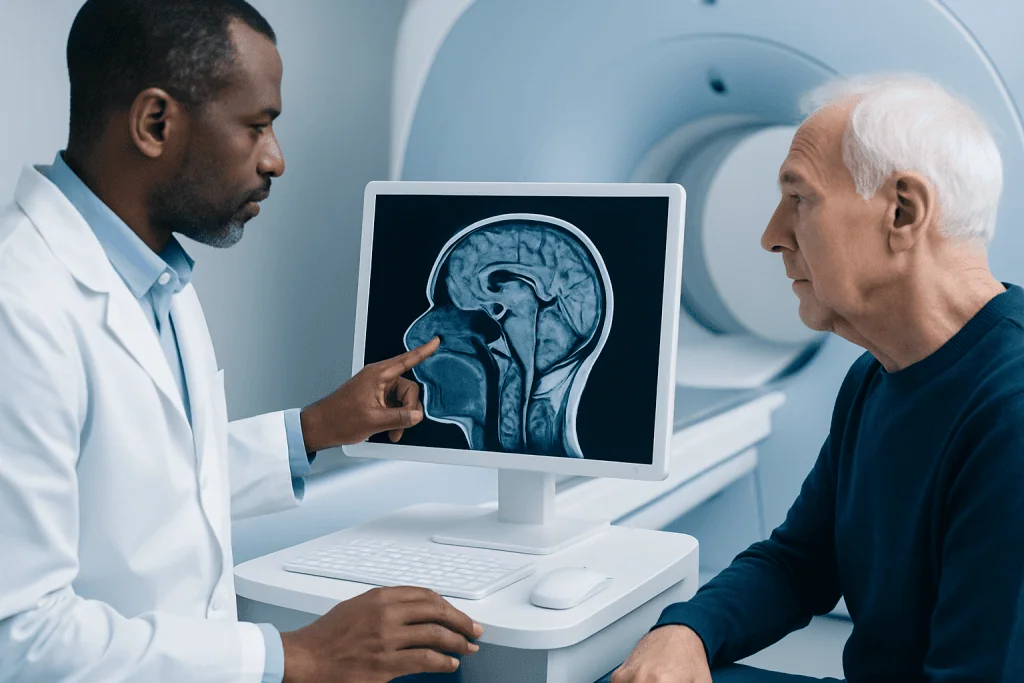
There are several situations where a second opinion for memory loss or dementia is particularly useful. One is when the diagnosis is uncertain or has changed over time. For example, a person may first be told they have normal aging, then later hear that they have dementia without a clear explanation of what changed.
Another reason is when symptoms do not seem to fit the diagnosis. A person who mainly has trouble with language, visual processing, balance, behavior, or movement may need a more detailed assessment to identify the specific cause. Dementia is not a single disease, and different disorders can begin in different ways.
A second opinion may also help when symptoms start at a younger-than-expected age, progress very quickly, or worsen after a medication change or illness. Families often seek another review if they feel key tests were not done, if explanations were hard to understand, or if treatment choices carry important risks and benefits that need clarification.
- The person is younger than expected for dementia symptoms.
- Memory decline developed rapidly over weeks or months.
- Behavior, movement, speech, or vision changes are more prominent than forgetfulness.
- There is disagreement among doctors about the diagnosis.
- The family wants reassurance before making major care or treatment decisions.
Possible Causes of Memory Problems

Not all memory loss is dementia. Many conditions can affect attention, concentration, and recall, especially in older adults. Stress, depression, anxiety, poor sleep, dehydration, hearing loss, infections, medication side effects, alcohol use, thyroid disorders, and vitamin deficiencies can all contribute to cognitive symptoms.
Even when dementia is present, there may be overlapping causes that make symptoms worse. For example, untreated sleep apnea, pain, constipation, low mood, or sedating medicines can reduce thinking ability and independence. Looking for these factors is an important part of a careful second opinion.
When a neurodegenerative disorder is suspected, specialists may consider different types of dementia. These can include Alzheimer’s disease, vascular cognitive impairment, Lewy body dementia, frontotemporal dementia, and Parkinson’s disease-related cognitive changes. Distinguishing between them can matter because symptoms, treatment approaches, and future planning may differ.
What Happens During a Second Opinion Evaluation
A second opinion usually begins with a detailed review of the person’s history. The specialist may ask when symptoms started, how they affect work or daily activities, whether there are changes in personality or judgment, and whether anyone in the family has had similar problems. Input from a close family member or caregiver is often very valuable, because patients may not notice every change themselves.
The doctor will usually review current and past medications, including over-the-counter drugs and supplements. Some medicines can impair thinking, especially those that cause sedation or have anticholinergic effects. Hearing and vision problems, sleep disorders, mood symptoms, and alcohol use may also be explored because they can strongly influence cognitive performance.
Testing may include bedside cognitive screening, more formal neuropsychological testing, blood tests, and brain imaging when needed. In some cases, a specialist may recommend advanced imaging or other evaluations to better understand the pattern of brain changes. Depending on the situation, this may involve MRI scanning or neurological rehabilitation planning after the assessment if cognitive and functional support is needed.
The goal is not only to name a condition but also to understand what is driving symptoms, what problems are treatable, and how the person can be best supported at home. A thorough evaluation may take more than one visit, especially if outside records and prior scans need review.
How a Second Opinion Can Change Care
Sometimes a second opinion confirms the original diagnosis and treatment plan. This can still be very helpful, because it reassures patients and families that they are on the right path. It may also provide a clearer explanation of the condition, expected progression, and practical next steps for safety, daily routines, legal planning, and caregiver support.
In other cases, the second opinion may revise the diagnosis. A person thought to have dementia may actually have depression, medication-related cognitive impairment, normal-pressure hydrocephalus, sleep-related problems, or another neurological condition. Alternatively, the specialist may identify a more specific dementia subtype, which can help guide symptom management and future planning.
A second opinion can also clarify treatment choices. This may include reviewing medications for memory and behavior, identifying drugs that should be reduced or avoided, and recommending therapies to support function and independence. If new neurological symptoms are present, additional evaluation by specialists may be advised, sometimes including brain tumor surgery only if imaging suggests a structural cause that requires neurosurgical assessment.
How Patients and Families Can Prepare
Preparation can make a second opinion more useful. Patients and caregivers should bring previous clinic notes, hospital records, lists of medications and supplements, and results of blood tests or cognitive testing. If brain scans such as CT or MRI were done, it helps to bring both the written report and the image files if available.
Keeping a simple symptom diary can also help. Families may note when forgetfulness began, what situations trigger problems, whether the person gets lost, repeats questions, mismanages finances, has mood or sleep changes, or shows changes in language, movement, or behavior. Specific examples are often more useful than general statements such as “memory is getting worse.”
It can be helpful to prepare questions in advance. Common questions include whether the diagnosis is certain, what other causes have been ruled out, what tests are still needed, whether driving is safe, and what treatments or lifestyle changes may help. A trusted family member or friend can attend the visit to take notes and help remember the discussion.
When to Seek Urgent Medical Care
Most memory concerns can be evaluated in a planned outpatient setting, but some symptoms need urgent medical attention rather than a routine second opinion. Sudden confusion, new weakness, facial drooping, slurred speech, severe headache, fainting, seizures, fever, or a major change in alertness may signal stroke, infection, medication toxicity, or another emergency.
Rapidly worsening behavior, hallucinations with marked distress, inability to swallow, repeated falls, or immediate safety risks at home also need prompt assessment. If a person becomes lost, leaves the stove on, stops eating or drinking, or can no longer manage medications safely, families should seek timely help.
For ongoing concerns, evaluation by an experienced team in geriatrics, neurology, psychiatry, radiology, and rehabilitation can be valuable. Acibadem International’s multidisciplinary specialists and JCI-accredited hospitals diagnose and treat memory disorders for international patients, helping families understand the cause of symptoms and the available care options.
Frequently asked questions
Is it normal to get a second opinion for dementia?
Yes. A second opinion is common and can be very helpful when symptoms are unclear, the diagnosis feels uncertain, or families want more confidence before making treatment and care decisions. It is a routine part of good medical care and does not mean anyone has done something wrong.
Can memory loss be caused by something other than dementia?
Yes. Memory and thinking problems can be linked to depression, sleep disorders, medication side effects, thyroid problems, vitamin deficiencies, infections, hearing loss, and other medical conditions. Some of these causes are treatable, which is one reason a careful evaluation matters.
Which doctor should give a second opinion for memory loss?
A neurologist, geriatrician, geriatric neurologist, or psychiatrist with experience in cognitive disorders may provide a second opinion. The best choice depends on the person’s symptoms, age, other medical problems, and whether behavior, mood, movement, or speech changes are also present.
What should families bring to a second opinion appointment?
It helps to bring medication lists, prior clinic notes, hospital discharge papers, blood test results, cognitive testing, and brain imaging reports. A family member should also bring examples of daily changes, such as missed appointments, repeated questions, getting lost, or changes in judgment or personality.
Can a second opinion change a dementia diagnosis?
Sometimes it can. The new evaluation may confirm the original diagnosis, identify a different type of dementia, or find another explanation for symptoms such as depression or medication effects. Even when the diagnosis stays the same, families often gain clearer guidance about treatment and planning.
Should a second opinion delay treatment?
Usually no. Patients should continue prescribed treatment unless a doctor advises otherwise. However, a second opinion should not delay urgent care if there is sudden confusion, stroke-like symptoms, severe behavior change, or another medical emergency.
References
- World Health Organization
- National Institute on Aging
- Alzheimer's Association
- American Academy of Neurology
- National Institute of Neurological Disorders and Stroke
This article is for general information only and is not a substitute for professional medical advice. Please consult a qualified doctor about your individual situation.
Dementia in Turkey — costs, top hospitals & a free quote
JCI-accredited · board-certified surgeons · reply within 24h
Add us as a Preferred Source to see more of our trusted health content across Google Search, AI Overviews and Discover.

Neurology
Diagnosis and treatment of disorders of the brain, spinal cord, nerves and muscles.
51 specialists in this unitMore from the Health Library



Related Specialists

Assoc. Prof. Dr. Baran Bozkurt
Neurosurgery
Dr. Hacer Yüksel
Cardiopulmonary Rehabilitation
Prof. Dr. Faik Acar Koç
Perinatology & High Risk Pregnancies
Dt. Çiğdem Erginöz
Oral & Dental Health