Who May Benefit From Gastric Sleeve Surgery?

Gastric sleeve surgery is mainly considered for adults with obesity who meet established medical criteria. It can improve weight-related health conditions such as type 2 diabetes, sleep apnea, and high blood pressure in selected patients.
Key Takeaways
- Gastric sleeve surgery is mainly considered for adults with obesity who meet established medical criteria.
- It can improve weight-related health conditions such as type 2 diabetes, sleep apnea, and high blood pressure in selected patients.
- A full evaluation includes nutrition, mental health, medical history, and commitment to lifelong follow-up.
- Surgery works best when combined with healthy eating, regular activity, and ongoing medical care.
- Not everyone is a suitable candidate, and alternative weight-loss treatments may be recommended.
Gastric sleeve surgery may help certain adults with obesity achieve meaningful, lasting weight loss when diet, exercise, and medical support alone have not been enough. The best candidates are identified through a careful review of body weight, overall health, eating habits, and readiness for long-term lifestyle change.
Overview: What Is Gastric Sleeve Surgery?
Gastric sleeve surgery, also called sleeve gastrectomy, is a type of weight-loss operation that reduces the size of the stomach. During the procedure, a large portion of the stomach is removed, leaving a narrow tube or “sleeve.” This smaller stomach holds less food and also changes some of the body’s hunger-related signals, which may help patients feel full sooner and eat less.
It is one of the most commonly performed forms of bariatric surgery for obesity. Gastric sleeve surgery does not reroute the intestines, which makes it different from some other bariatric procedures. Even so, it is still major surgery and requires careful planning, preparation, and long-term follow-up.
The main goal is not simply to lose weight quickly, but to support lasting health improvement. For many patients, this may mean better control of obesity-related conditions, improved mobility, and a better quality of life. However, it is not a quick fix, and long-term success depends on healthy habits after surgery.
Who May Be a Good Candidate?
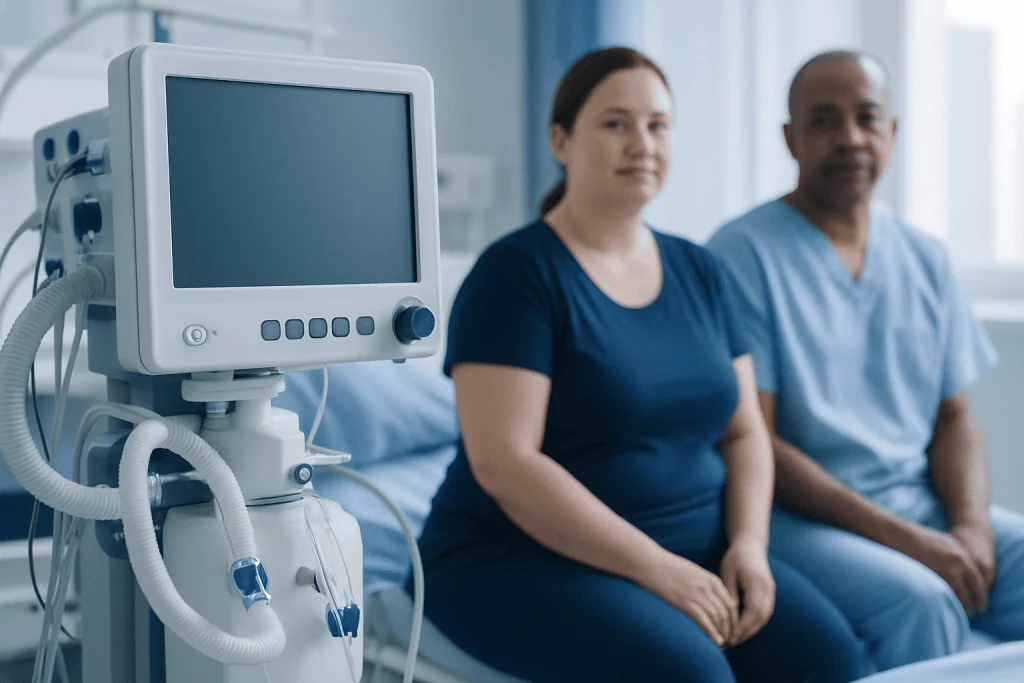
Gastric sleeve surgery may benefit adults with obesity who have been unable to achieve or maintain sufficient weight loss through structured non-surgical methods alone. In general, doctors consider bariatric surgery for people with a body mass index (BMI) of 40 or above, or a BMI of 35 or above when obesity is linked to serious health conditions such as type 2 diabetes, obstructive sleep apnea, high blood pressure, or joint problems. In some situations, people with a lower BMI may also be considered if metabolic disease is significant and a specialist team believes surgery is appropriate.
Patients are usually assessed not only by BMI, but also by their overall health and the degree to which excess weight is affecting daily life. Someone living with morbid obesity may be more likely to benefit if weight is limiting movement, worsening chronic disease, or increasing surgical and cardiovascular risk. A history of repeated efforts with supervised diet, exercise, and medical treatment is also important, because surgery is generally considered when these approaches have not led to durable results.
Readiness matters as much as medical criteria. Good candidates are willing to follow nutrition guidance, attend follow-up appointments, take recommended supplements if needed, and make lasting lifestyle changes. They also understand that gastric sleeve surgery is a tool to support weight loss, not a replacement for healthy eating and regular physical activity.
Health Conditions That May Improve After Surgery

One reason gastric sleeve surgery may be recommended is its potential to improve or reduce obesity-related medical problems. Weight loss after surgery can help some patients lower blood sugar levels, reduce blood pressure, improve cholesterol, and lessen the severity of sleep apnea. People with fatty liver disease, reflux symptoms, reduced mobility, or strain on the joints may also notice improvement, although results vary from person to person.
For some patients, the benefits go beyond physical health. Weight loss may support better energy, more comfortable movement, and improved participation in work, family, and social activities. Many people also report better confidence and emotional well-being, though surgery itself does not directly treat anxiety, depression, or disordered eating.
At the same time, gastric sleeve surgery is not suitable for every health problem related to weight. In some patients with severe reflux disease, previous stomach surgery, or certain digestive conditions, another procedure such as gastric bypass may be more appropriate. The choice depends on the individual’s anatomy, symptoms, medical history, and treatment goals.
Who May Need Extra Evaluation or Another Option?
Some people may need more detailed assessment before sleeve surgery is recommended. This includes patients with untreated eating disorders, uncontrolled mental health conditions, active substance misuse, severe heart or lung disease, or medical problems that increase surgical risk. Surgery is not usually offered unless these issues are stabilized and the patient can safely participate in long-term aftercare.
Doctors also look closely at digestive symptoms and prior abdominal operations. For example, a patient with an abdominal wall problem such as an incisional hernia may need additional surgical planning. Conditions such as severe gastroesophageal reflux disease can influence whether sleeve gastrectomy is the best option, because sleeve surgery may worsen reflux in some patients.
Not every person who wants surgery will be advised to have a sleeve. Some may be better suited to another procedure, while others may benefit first from structured medical weight management, anti-obesity medicines, or less invasive options such as gastric balloon therapy. A personalized recommendation from an experienced bariatric team is essential.
How Doctors Decide if Gastric Sleeve Surgery Is Right
Before surgery, patients usually complete a comprehensive preoperative assessment. This often includes a review by a bariatric surgeon, physician, dietitian, and sometimes a psychologist or psychiatrist. The team assesses weight history, previous attempts at weight loss, current eating patterns, sleep, exercise, medications, and any health conditions that could affect safety or outcomes.
Blood tests and other investigations may be used to check for nutritional deficiencies, diabetes, liver problems, thyroid disorders, or anemia. Some patients may need a sleep study, heart evaluation, or upper endoscopy, especially if they have symptoms such as reflux or swallowing difficulty. The aim is to identify risks early and prepare the patient as thoroughly as possible.
This evaluation also helps patients understand what life will be like after surgery. They are taught about portion sizes, hydration, protein intake, meal timing, and the importance of long-term monitoring. In experienced centers, procedures such as gastric laparoscopic surgery are discussed in the context of safety, recovery, and the patient’s overall treatment plan.
Expected Benefits, Limits, and Possible Risks
For the right candidate, gastric sleeve surgery can lead to significant weight loss and meaningful improvement in obesity-related illness. It may reduce the need for some medications, improve stamina, and support a healthier long-term trajectory. The procedure is often performed using minimally invasive techniques, which can shorten recovery time compared with open surgery.
However, results are not identical for everyone. Some patients lose weight steadily, while others lose less than expected or regain some weight over time. Eating habits, physical activity, sleep, stress, hormonal factors, and follow-up care all influence long-term success. A realistic expectation is important: surgery can help, but it cannot guarantee a specific number on the scale.
Like any major operation, gastric sleeve surgery carries risks. Possible complications include bleeding, infection, leakage from the staple line, blood clots, narrowing of the stomach, acid reflux, dehydration, and vitamin or mineral deficiencies. These risks are carefully discussed during preoperative counseling so that patients can make an informed decision with their doctor.
Lifestyle Changes After Surgery
The patients who benefit most from gastric sleeve surgery are usually those prepared to make long-term changes. After surgery, meals become much smaller, and eating too quickly or choosing foods high in sugar or fat may cause discomfort or slow progress. Hydration, protein intake, and gradual return to physical activity are key parts of recovery and long-term success.
Follow-up care is ongoing rather than short-term. Patients may need regular blood tests, nutritional review, and support for behavior change. Vitamins or supplements are often recommended to help prevent deficiencies. Sleep habits, emotional well-being, and physical activity all remain important parts of treatment even after weight starts to come down.
Support from family, friends, and healthcare professionals can make these changes easier to maintain. Some patients also benefit from structured obesity programs, counseling, or support groups. If sleeve surgery is not the best fit, the care team may discuss alternatives such as stomach reduction without surgery or other weight-management strategies.
When to Speak With a Specialist
A person may want to speak with a bariatric specialist if excess weight is affecting health, daily function, or emotional well-being, especially after repeated attempts at non-surgical weight loss. A consultation can clarify whether gastric sleeve surgery is appropriate, whether another treatment may be better, and what preparation would be needed before any procedure is planned.
It is especially reasonable to seek advice when obesity is linked with type 2 diabetes, sleep apnea, high blood pressure, joint pain, or reduced mobility. Early discussion can help patients understand their options before complications of obesity become more difficult to manage. The conversation is not a commitment to surgery; it is a way to receive informed, individualized guidance.
For international patients seeking specialist assessment, Acibadem International’s multidisciplinary teams in JCI-accredited hospitals diagnose and treat obesity with personalized plans that may include sleeve gastrectomy or other evidence-based options. The most appropriate path is decided after a full medical evaluation and discussion of goals, risks, and long-term follow-up needs.
Frequently asked questions
What BMI is usually needed for gastric sleeve surgery?
Doctors often consider gastric sleeve surgery for adults with a BMI of 40 or higher, or 35 or higher with serious obesity-related health conditions. In some cases, people with a lower BMI may still qualify, depending on metabolic disease and specialist assessment. Eligibility is based on more than BMI alone.
Can gastric sleeve surgery help with diabetes or sleep apnea?
Yes, it may help improve conditions linked to obesity, including type 2 diabetes and obstructive sleep apnea, in suitable patients. The degree of improvement varies, and some people still need medicines or other treatment afterward. A doctor can explain what benefits are realistic in an individual case.
Is gastric sleeve surgery right for everyone with obesity?
No. Some people may be better treated with medical weight management, another bariatric procedure, or further support before surgery is considered. The best option depends on overall health, eating behaviors, digestive symptoms, and readiness for lifelong follow-up.
How is gastric sleeve surgery different from gastric bypass?
Gastric sleeve surgery makes the stomach smaller but does not reroute the intestines. Gastric bypass reduces stomach size and changes the path food takes through the digestive system. One procedure may be preferred over the other depending on reflux, diabetes, weight goals, and medical history.
How long does recovery usually take?
Recovery time varies, but many patients return to light daily activities within a few weeks, depending on their health and the type of surgery performed. Eating progresses in stages, starting with liquids and slowly moving to soft and solid foods. The care team gives detailed guidance for safe recovery.
Will weight come back after gastric sleeve surgery?
Some weight regain can happen over time, especially if eating habits, physical activity, or follow-up care are not maintained. However, many patients keep off a meaningful amount of weight when they continue healthy routines and regular medical monitoring. Surgery is most effective when used as part of long-term lifestyle treatment.
References
- World Health Organization
- American Society for Metabolic and Bariatric Surgery
- National Institute of Diabetes and Digestive and Kidney Diseases
- National Institute for Health and Care Excellence
- Mayo Clinic
This article is for general information only and is not a substitute for professional medical advice. Please consult a qualified doctor about your individual situation.
Gastric Sleeve Surgery in Turkey — costs, top hospitals & a free quote
JCI-accredited · board-certified surgeons · reply within 24h
Add us as a Preferred Source to see more of our trusted health content across Google Search, AI Overviews and Discover.
Check your numbers in seconds
BMI, calories, due date, blood pressure and 30+ more clinical calculators — free, instant, doctor-reviewed ranges.

Bariatric & Metabolic Surgery
Surgical and endoscopic treatments for obesity and metabolic conditions.