Aesthetic Breast Surgery
Aesthetic breast surgery reshapes breast size, position or contour through augmentation, lift, reduction or combined techniques. Treatment is personalized to anatomy, goals and medical safety.

Quick answer
Aesthetic breast surgery is a group of procedures that change the size, shape or position of the breasts. It includes breast augmentation with implants or fat transfer, breast lift (mastopexy), breast reduction and revision of previous surgery. Operations are usually performed under general anaesthesia by a plastic surgeon, and recovery takes several weeks, with breast shape continuing to settle over months.
Aesthetic Breast Surgery: A Personal and Medical Decision
Aesthetic breast surgery is a group of operations that change the size, shape, position or projection of the breasts. It includes breast augmentation, breast lift, breast reduction, fat transfer and revision of previous breast surgery, performed alone or in combination. It is intended for people whose breast appearance or breast weight affects their comfort, confidence or daily life, and who are healthy enough for planned, elective surgery.
People research this field for deeply personal reasons. You may want to restore breast shape after pregnancy, breastfeeding, weight change or ageing. You may always have felt that your breast size or contour sits out of proportion with the rest of your body. You may be seeking relief from the physical strain of very large breasts, or you may want to correct asymmetry or improve the position of the breasts after natural changes over time. None of these motivations is more valid than another; each simply leads to a different surgical conversation.
Although the word “aesthetic” suggests appearance alone, breast surgery is both a physical and an emotional decision. Most patients arrive with the same core questions: is it safe, where will the scars be, which implant or technique is right, how long does recovery take, and will the result look natural. If you are considering treatment abroad, you will also want to know how consultations, medical records, language support and follow-up are managed when surgery takes place away from home.
At its best, this kind of surgery is not about creating a standardised look. It is about aligning breast size, position and shape with your anatomy, your goals and your long-term health. A careful surgical plan weighs chest wall structure, skin quality, breast tissue, nipple position, body proportions, lifestyle, future pregnancy plans and personal preference. The goal is a result that feels balanced and appropriate for you, guided by responsible surgical judgement rather than trend.
For many patients, the decision begins with one simple question: “What can be improved, and what is realistic for my body?” A thorough consultation answers that question with clarity. It also explains which procedure fits, what recovery involves and where the trade-offs sit, scars, implant maintenance, possible changes in sensation. This level of planning matters most in breast aesthetics, where natural-looking outcomes come from matching technique to anatomy with precision, not from any single procedure applied to everyone.
 Dr. Şule ErenMDBoard Commentary
In aesthetic breast surgery, preserving blood supply and maintaining breast shape over time are as important as the immediate cosmetic result. In a published Acıbadem Maslak series of 189 women undergoing superior-pedicle breast reduction, no partial or complete nipple-areola complex loss and no bottoming-out deformity were observed during a mean follow-up of 31.7 months. Acıbadem surgeons have also reported their experience in 48 patients with tuberous breast deformity, where individualized glandular reshaping, implant placement and asymmetry correction achieved high patient-rated aesthetic satisfaction at 12 months. These findings illustrate why breast surgery should be planned according to tissue characteristics, degree of ptosis, vascular safety and the individual anatomy rather than applying the same technique to every patient.
What Is Aesthetic Breast Surgery?
Aesthetic breast surgery is a set of procedures designed to reshape the size, position, projection or contour of the breasts. It may involve breast augmentation, breast lift, breast reduction, implant revision, fat transfer or a combination of techniques. The right approach depends on two things: what you want to change, and what your surgeon determines is medically appropriate for your tissues. Those two answers do not always match at first, which is exactly why the consultation exists.
Breast Augmentation
Breast augmentation increases breast volume and can improve shape using breast implants, fat transfer or, in selected patients, a combination of both. Implants vary in size, shape, surface, profile and filling material. The choice is not driven by cup size alone. It is guided by breast width, soft-tissue coverage, skin elasticity, chest proportions and the appearance you are aiming for. An implant that respects the natural boundaries of your breast tends to age better and look more convincing than one chosen from a photograph of someone else’s result.
Breast Lift (Mastopexy)
Breast lift surgery, also called mastopexy, repositions the breast and nipple to address sagging. The surgeon removes excess skin, reshapes the breast tissue and places the nipple-areola complex in a higher position. A lift does not necessarily increase breast size, although the breast often looks fuller and more youthful afterwards because the tissue is supported in a better position. If you want both lift and added volume, that is a different operation, discussed further below.
What Is a Lollipop Breast Lift?
A lollipop breast lift is a vertical mastopexy: the incision runs around the areola and then straight down to the breast fold, producing a scar shaped like a lollipop. It suits moderate degrees of sagging, more than a periareolar (around-the-areola) lift can correct, but less than the amount that requires a full anchor pattern with an additional scar along the fold. The advantage is a shorter total scar; the limitation is that severe skin excess usually still needs the anchor approach. Your surgeon selects the pattern from your measurements, not from a menu.
Breast Reduction
Breast reduction surgery removes excess breast tissue, fat and skin. It improves breast proportion and can relieve symptoms linked to breast weight, neck pain, shoulder grooving from bra straps, back discomfort, skin irritation beneath the breasts and difficulty exercising. Although reduction clearly has an aesthetic component, it is one of the breast procedures with the strongest functional rationale, and for many patients comfort is the primary motivation.
Combined and Revision Procedures
Combined procedures are common. A patient with volume loss and sagging may need augmentation with a lift. A patient with very large, low-positioned breasts may need reduction with a lift built into the same operation. A patient who previously had implants may need revision surgery, changing implant size, improving symmetry, correcting implant position or managing changes that have developed over time. Revision work is often more complex than a first operation, because earlier surgery has changed the tissue planes and the way the skin behaves.
Do Plastic Surgeons Do Aesthetic and Reconstructive Breast Surgery?
Yes. Aesthetic and reconstructive breast surgery belong to the same specialty, and surgeons in plastic, reconstructive and aesthetic surgery train across both. That overlap matters to you as a patient. A surgeon who reconstructs breasts understands blood supply, tissue limits and symmetry at a depth that directly improves aesthetic work, particularly in difficult cases such as marked asymmetry, tuberous breast shapes or revision after previous operations. The reverse is also true: aesthetic refinement techniques are routinely applied to reconstruction to improve the final appearance.
Can You Get Aesthetic Breast Flap Surgery?
Flap surgery, moving a block of your own tissue with its blood supply, is primarily a reconstructive technique, used most often to rebuild a breast after mastectomy for breast cancer. It is not a standard purely cosmetic procedure, because it involves donor-site surgery elsewhere on the body and a level of complexity that is rarely justified for aesthetic goals alone. In purely aesthetic surgery, “own tissue” reshaping is usually achieved differently: by rearranging the breast’s internal glandular tissue during a lift or reduction (sometimes called auto-augmentation), or by fat transfer, where fat is harvested by liposuction and injected into the breast. If you have lost breast tissue to cancer treatment, flap options belong to the reconstructive conversation, and the planning pathway is different.
What Is the Most Common Aesthetic Surgery?
Breast augmentation is widely reported to be among the most frequently performed aesthetic surgical operations worldwide, alongside procedures such as liposuction and eyelid surgery. Popularity, however, is not a reason to choose it. The frequency of a procedure tells you that techniques are mature and well studied; it tells you nothing about whether it is the right operation for your anatomy. The broader field of cosmetic (aesthetic) surgery covers many body areas, and the correct starting point is always your specific concern, not a ranking.
Who May Need Aesthetic Breast Surgery?
Patients consider aesthetic breast surgery for many reasons, some motivated by appearance, some by comfort, some by changes caused by life events. Suitability is not defined by age alone. It depends on anatomy, health status, expectations and whether breast development and body weight are stable.
Common concerns include:
- Breasts that feel too small for the body, or loss of fullness after pregnancy or weight loss
- Sagging, low nipple position or stretched, enlarged areolas
- Noticeable difference in size or shape between the two breasts
- Breasts that are disproportionately large, heavy or physically limiting
- Discomfort during sport, difficulty finding clothing that fits, or self-consciousness in swimwear and fitted garments
- Dissatisfaction with the result of previous breast surgery, or changes in an older implant result
Assessment and treatment planning begin with a clinical consultation. The surgeon evaluates breast size, shape, symmetry, skin tone, nipple position, chest wall anatomy and any existing scars. Measurements are taken, breast width, nipple-to-fold distance, the relationship between the breast mound and the inframammary fold, because these numbers, more than photographs, determine whether augmentation, lift, reduction or revision is the right recommendation.
Medical history carries equal weight. Expect questions about prior breast surgery, personal or family history of breast disease, previous mammograms or ultrasound results, smoking, medications, bleeding tendencies, chronic illness, pregnancy plans and recent weight changes. For patients within breast screening age groups, or those with specific risk factors or symptoms, breast imaging may be requested before elective surgery. This protects you twice over: it is a safety measure in its own right, and it ensures that aesthetic planning does not bypass the kind of evaluation a breast health team would consider appropriate.
Good candidates are generally in stable health, hold realistic expectations and understand what recovery involves. If you smoke, you may be advised to stop well before surgery, because nicotine impairs the circulation that healing tissue depends on: a particular concern in lift and reduction procedures. If you are planning significant weight loss or a pregnancy, you may be advised to postpone surgery, since both can change breast volume and skin quality and shorten the life of an otherwise good result.
International patients often begin with a remote review. Photographs, medical history and relevant imaging can be assessed before travel, followed by an in-person examination after arrival. The remote review shapes a provisional plan; the physical examination confirms or adjusts it. No responsible surgeon finalises a breast operation on photographs alone.
Conditions and Concerns These Procedures Address
These procedures address a wide range of shape and proportion concerns. Most are not diseases, but they can affect confidence, comfort, physical activity and body image, and in selected situations, surgery also provides genuine functional relief.
Common indications include breast volume loss after pregnancy, breastfeeding or weight loss; naturally small breasts; breast asymmetry; sagging; nipples that sit below the breast fold; stretched areolas; disproportionately large breasts; and persistent dissatisfaction after prior augmentation, reduction or lift. Patients also seek surgery when implants have aged, shifted position, developed capsular contracture or simply no longer suit the body they now have.
Breast reduction is considered when breast size contributes to physical symptoms: upper back and neck pain, shoulder strap grooving, skin irritation beneath the breast fold, postural strain and limitations in sport or daily movement. Outcomes vary from person to person, and not every symptom in this list is caused by breast weight alone, which is why assessment matters. Many patients who are properly selected report meaningful improvement in comfort and mobility after reduction.
Breast lift is commonly chosen when the skin has stretched and the tissue has descended, through age, genetics, pregnancy, breastfeeding, weight fluctuation or a natural tendency toward looser skin. A lift improves breast position, nipple orientation and contour, but it does not stop the ageing process. Keeping a stable weight and wearing supportive garments may help the result last longer, but the breast remains a living tissue subject to time and gravity.
Augmentation is considered when you want more volume, better upper breast fullness or improved proportion between breasts, waist and hips. The decision involves more than picking a size. An implant that overloads your tissues raises the likelihood of visible edges, stretching, discomfort and revision surgery later. Careful, measurement-based sizing is the single most protective decision in the whole augmentation pathway.
Revision surgery may be indicated when a previous result has changed or no longer matches your goals: implant exchange or removal, pocket adjustment, scar revision, an added lift, fat transfer, or management of firmness around an implant. Revision cases demand more careful analysis than first operations, because scar tissue and altered anatomy change how the breast responds to surgery.
How Aesthetic Breast Surgery Is Performed
The process begins well before the operating room. Every one of these operations requires individualised planning, and the consultation is one of the most important steps in the entire pathway. The surgeon listens to your goals, reviews your health information and examines you. For international patients, this may begin with a virtual assessment, confirmed in person before surgery.
During planning, the surgeon explains which procedure, or combination, fits your anatomy. You may discuss implant types, incision locations, implant placement, lift patterns, reduction techniques, the scars each option leaves and the recovery limits each imposes. Medical photography documents your starting point and supports planning. Some centres use digital planning tools or image-based simulations to aid the discussion; treat simulations as a guide to proportions, never as a promise of an exact result.
Preparation before the operation typically follows a set sequence:
- Blood tests and an anaesthesia evaluation appropriate to your health and the planned procedure.
- Breast ultrasound or mammography where age, risk factors or history make imaging appropriate.
- A review of your medications and supplements by the care team, because some can increase bleeding risk, any adjustments are decided and directed by your doctors.
- Stopping smoking and nicotine products for the period your surgeon specifies.
- Practical instructions covering fasting, showering, transport and what to bring to hospital.
On the day of surgery, the surgeon makes preoperative markings while you are standing, because breast position changes completely when you lie down. These markings guide incision placement, nipple position, the breast fold and the pattern of tissue reshaping. Breast surgery is typically performed under general anaesthesia, although the exact plan depends on the procedure and your health.
Breast Augmentation: The Operation
In breast augmentation, the surgeon makes an incision, most often in the fold beneath the breast, sometimes around the areola or in another planned location depending on anatomy and technique. A pocket is created for the implant, either beneath the breast tissue or partially beneath the chest muscle; each plane has advantages that your surgeon weighs against your tissue thickness and lifestyle. The implant is placed, symmetry is checked with you positioned upright on the table, and the incision is closed in layers. When fat transfer is used instead of or alongside an implant, fat is harvested from another area by liposuction, processed and injected carefully into the breast tissue. Fat transfer suits modest volume enhancement and contour refinement; it is not the right tool for large size increases.
Breast Lift: The Operation
In a breast lift, the surgeon removes excess skin, reshapes the breast tissue and moves the nipple-areola complex to a higher position while preserving its blood supply. Incision patterns scale with the degree of sagging: mild cases may need only a periareolar pattern, moderate cases the vertical “lollipop” pattern, and significant sagging the anchor pattern with an additional scar in the fold. The aim is always a supported breast shape achieved with the least scar pattern your anatomy honestly allows, not the least scar pattern you would prefer.
Breast Reduction: The Operation
In breast reduction, the surgeon removes excess tissue, fat and skin, then reshapes and lifts what remains. The nipple is repositioned to match the new contour. In most cases it stays attached to underlying tissue on a pedicle that preserves blood flow and, as far as possible, sensation, though sensation can still change after any breast operation, and you should expect your surgeon to say so plainly. The technique is selected from breast size, degree of sagging, tissue quality and the shape being built.
Combined Surgery
Augmentation with lift asks the operation to do two opposing things at once: add fullness while tightening skin. That tension makes it more complex than either procedure alone. In some patients, thin tissues, a large lift requirement, a large desired implant, a staged approach across two operations is safer and more predictable than forcing everything into one. A surgeon who recommends staging is usually protecting your result, not complicating your plans.
Modern breast surgery is supported by digital measurement and planning systems, high-resolution breast imaging, advanced anaesthesia monitoring, sterile implant-handling protocols and instruments designed to minimise tissue trauma. These tools do not replace surgical judgement; they support accuracy, safety and consistency.
Operative time varies. A straightforward augmentation usually takes less time than a reduction, a revision or a combined lift with implants. Many aesthetic breast procedures are completed within a few hours, but duration depends on complexity, anatomy and whether additional procedures are performed. Some patients return to their accommodation the same day after appropriate observation; others stay overnight, particularly after more extensive surgery or when travelling internationally.
Afterwards, you wake in a recovery area under monitoring. A surgical bra or supportive dressing is applied. Some procedures require temporary drains, though many patients do not need them. Tightness, swelling, bruising and controlled discomfort are expected in the first days and are managed with prescribed medication. You will receive instructions on sleeping position, showering, wound care, activity limits and follow-up visits, follow them precisely, because early behaviour affects late results.
Recovery is gradual. Most patients walk on the day of surgery and are encouraged to move gently to support circulation. Heavy lifting, strenuous exercise and upper-body training are restricted for several weeks. Swelling settles over time, scars mature slowly and breast shape continues to refine for months. If you have implants, you will also be advised about long-term implant follow-up and when future imaging or review may be needed.
Why Acting at the Right Time Matters
These operations are usually elective, which gives you time to decide carefully. Elective does not mean casual. Timing influences safety, comfort and the quality of the result. Acting at the right time means operating when the body is medically ready, expectations are clear and the plan rests on a thorough assessment.
For patients with very large breasts, the symptoms attributed to breast weight, chronic neck, shoulder or back discomfort, recurrent skin irritation, restricted exercise, tend to persist as long as the weight does. Not every such symptom is caused by breast size alone, which is why assessment for reduction includes checking whether other medical explanations need to be considered first.
Implants also change over time. Increasing firmness, gradual shifts in position and evolving asymmetry are recognised long-term developments rather than emergencies, and they are among the most common reasons patients eventually consider revision. Breast health always takes priority over appearance: aesthetic surgery is planned after, never instead of, the evaluation and screening appropriate to a patient’s age and history.
Timing also matters if you are planning pregnancy, breastfeeding or major weight loss. These life changes alter breast volume and skin elasticity. Sometimes waiting until weight and family plans are stable produces a more durable result. Sometimes surgery now is the reasonable choice, accepted with the understanding that future changes may require revision. Both are legitimate decisions; the point is to make them knowingly.
Early, well-informed consultation protects you from unsuitable procedures, oversized implants and plans that exceed what your tissues can support. It also creates time for smoking cessation, medical optimisation and breast imaging where needed. The safest aesthetic outcome almost always begins with preparation, not urgency.
Potential Benefits
Benefits vary by procedure, anatomy and personal goals. The table below summarises the improvements patients most commonly seek, described honestly, including their limits.
| Benefit | What It Means for You |
|---|---|
| Improved breast proportion | Breast size and contour may better match your chest, shoulders, waist and overall body frame. |
| Restored or enhanced shape | Volume loss, sagging or asymmetry can be addressed through augmentation, lift, reduction or combined techniques. |
| Greater clothing comfort | Many patients find bras, swimwear and fitted clothing easier to wear once breast size or position is improved. |
| Physical relief after reduction | For selected patients, reducing breast weight may ease discomfort related to the neck, shoulders, back or skin folds. |
| More balanced symmetry | Natural differences between the breasts can often be reduced, although perfect symmetry is not realistic: the body is naturally asymmetric. |
| Improved confidence in body image | When expectations are realistic, patients may feel more comfortable with their proportions and personal appearance. |
Recovery Timeline: What to Expect and When
Recovery differs by procedure, but most patients move through a staged healing process over several weeks to months. Use the table below as a general map, and your surgeon’s instructions as the actual route.
| Time Period | What Patients Can Expect |
|---|---|
| Day 1 | You are monitored after anaesthesia, wear a surgical bra or dressing and begin gentle walking. Tightness, swelling and controlled discomfort are common. |
| First week | Bruising and swelling may become more noticeable before they settle. Light daily activities are usually possible, but lifting, stretching and upper-body strain are limited. Follow-up checks matter most in this window. |
| First month | Most patients return to many routine activities as advised by the surgeon. Exercise is reintroduced gradually. Breast shape begins to settle, though swelling remains. |
| Three to six months | Scars start to mature, implants settle if used and the breast shape becomes more natural. Sensation changes may improve slowly, although some can persist. |
| Longer term | Results continue to evolve with ageing, gravity, weight change and hormonal shifts. Ongoing breast screening and, where relevant, implant follow-up remain important. |
What Should You Expect After Breast Reduction Surgery?
Expect a supportive bra worn continuously at first, restricted arm and upper-body activity for several weeks, and swelling that makes the early result look fuller and higher than the final one. Many reduction patients notice the change in breast weight immediately, and relief in the shoulders and back often registers before the scars have even begun to fade. The scars themselves are permanent, usually a lollipop or anchor pattern, and they mature over many months from red and firm to paler and flatter. Sensation in the nipple can change, sometimes temporarily, sometimes lastingly, and your surgeon should discuss this candidly before you consent. The final shape settles over three to six months, so judge the outcome then, not in week two.
What Influences a Good Result?
A good result in aesthetic breast surgery is not defined by size. It depends on the relationship between technique, tissue quality, your goals and how you heal. The best plan is the one that respects your anatomy while solving your main concern as directly and safely as possible.
Skin and tissue quality come first. Firm, elastic skin holds shape. Thin skin, stretch marks or marked laxity limit how much lift or implant support the breast can sustain over time. Thinner tissues often call for more conservative implant sizing or additional techniques to improve coverage and contour.
Breast and chest anatomy set the boundaries. Breast width, rib cage shape, shoulder width, nipple position and natural asymmetry all steer the plan. A size that looks natural on one body looks borrowed on another. This is why implant selection and lift planning are built from measurements and tissue behaviour, not from reference photographs of other people’s results.
Weight stability protects the long-term appearance. Significant gain or loss after surgery changes breast volume, skin tension and symmetry. If you are actively losing weight, waiting until it stabilises usually pays off. Pregnancy and breastfeeding likewise alter breast tissue and can affect how long a result lasts.
Smoking and nicotine are major considerations. Nicotine reduces blood flow to healing tissue, raising the risk of wound problems, delayed healing and skin or nipple complications, especially in lift and reduction surgery, where skin flaps depend on that blood supply. Surgeons commonly require patients to stop all nicotine before and after surgery, and this requirement is not negotiable in reputable practice.
Implant choice and maintenance shape the augmentation journey. Implants are medical devices; they may need future evaluation or replacement, and they are not designed as once-in-a-lifetime purchases. You should understand the possible long-term issues before surgery: capsular contracture, rupture, rippling, malposition and changes driven by your own ageing tissue. Regular follow-up, and imaging when recommended, are part of responsible implant ownership.
Planning and communication tie everything together. Be explicit about your priorities, natural appearance, upper-pole fullness, smaller size, lifted position, athletic comfort, scar preference or avoiding implants altogether, so your surgeon can explain what is feasible and where the trade-offs sit. A larger implant creates more fullness but stretches tissue faster. A smaller lift scar cannot correct severe sagging. A reduction improves comfort but leaves permanent scars. Every choice buys something and costs something; a good consultation names both sides.
Aftercare protects the investment. Wearing the recommended support garment, avoiding early strenuous activity, attending follow-up appointments and following wound-care instructions all defend the surgical result while it is still fragile. Scars mature for many months, and scar management may be recommended based on your skin type and healing pattern.
What Is the Most Natural Looking Breast Surgery?
There is no single “most natural” procedure: the most natural-looking result comes from matching the technique to your tissue. That said, some general patterns hold. Fat transfer uses your own tissue and, for modest volume changes, produces a breast that looks and feels like breast. Implants sized within the natural width of your breast and placed with adequate soft-tissue coverage can also look entirely convincing; implants that exceed those boundaries rarely do. A lift without any implant often gives the most natural outcome when the problem is position rather than volume. If a natural appearance is your top priority, say so at the consultation, because it changes the recommendation.
What Is the Most Regretted Cosmetic Surgery?
No procedure is inherently the most regretted, regret tracks decisions, not operations. It clusters around rushed choices, unrealistic expectations, poor surgeon-patient communication and plans that exceeded what the tissues could support. Within breast surgery specifically, choosing implants larger than the anatomy can carry is a recurring driver of later dissatisfaction and revision, which is why measured, conservative sizing advice deserves to be heard rather than argued down. The most reliable protection against regret is unglamorous: a thorough consultation, honest discussion of scars and limits, and time to decide without pressure.
Finally, a good result requires realistic expectations. Surgery can meaningfully improve size, position and contour. It cannot create perfect symmetry, stop ageing or eliminate scars. Patients who understand both the possibilities and the limits are consistently the ones most satisfied with the outcome.
Breast Aesthetics for International Patients at Acibadem
Patients who travel for breast surgery need more than an operating theatre. They need a medical environment where surgical skill, patient safety, communication and follow-up are organised with international patients in mind. Acibadem provides these procedures within a hospital-based healthcare group that treats patients from many countries across Europe, the Middle East, the United States and beyond.
Care begins with individualised evaluation. Physicians assess your anatomy, goals, health status and breast safety before recommending any surgical plan. When needed, related specialties, radiology, anaesthesiology, internal medicine, breast surgery, are brought into the pathway. This multidisciplinary structure is particularly valuable for patients with prior breast operations, complex asymmetry, medical conditions, abnormal imaging findings or questions about implant revision, where the right answer may involve more than one discipline.
Aesthetic surgery still demands hospital-level discipline: safe anaesthesia, infection prevention, sterile protocols, emergency readiness, reliable nursing care and clear documentation. Cosmetic goals are never separated from medical safety, and the diagnostic pathway reflects that. Breast ultrasound, mammography or other imaging may be arranged when appropriate for your age, symptoms or risk profile, so that elective aesthetic planning stays aligned with breast health rather than running ahead of it.
Technology supports each stage: accurate preoperative assessment, anaesthesia monitoring, medical imaging, refined operative instruments and structured postoperative care. In augmentation, careful implant selection and sterile handling protocols reduce avoidable risks. In lift and reduction, precise marking, tissue-preserving technique and careful closure support shape and healing. In revision surgery, imaging and detailed analysis guide decisions about implant pockets, scar tissue and tissue support.
The international patient service structure addresses the practical side of travelling for surgery. Acibadem International supports patients in a wide range of languages, coordinating appointment planning, medical record transfer, interpretation, hospital admission processes and communication with clinical teams. In breast aesthetics, where the entire outcome depends on detailed discussion of expectations and precise postoperative instructions, being able to understand and be understood is not a convenience; it is part of the treatment.
Personalised planning remains central. Rather than applying one standard technique, the team weighs whether you are best served by augmentation, lift, reduction, fat transfer, implant removal, implant exchange or a combined approach. In some cases the most responsible recommendation is a more conservative size, a staged plan, or postponing surgery until weight, smoking status or breast imaging has been optimised. A measured recommendation is a sign of careful medical judgement, not reluctance.
A second opinion has particular value in breast aesthetics. Revision advice, implant sizing and the question of whether a lift is genuinely needed alongside augmentation are all areas where experienced surgeons can reasonably differ, and where an independent review of prior operative notes, implant documentation and imaging clarifies the real options before any irreversible decision is made.
Continuity of information closes the loop. Before returning home, patients receive discharge instructions, medication guidance, wound-care recommendations and a follow-up plan. The timing of travel after surgery depends on the procedure, healing progress and the surgeon’s assessment; patients are usually advised to remain nearby long enough for early postoperative checks before flying. After return, follow-up may continue in coordinated form, and routine wound checks or breast screening can be arranged with a local physician where appropriate.
Moving Forward With Realistic Expectations
Aesthetic breast surgery can improve breast size, shape, position and proportion in ways that matter to daily life. Whether you are weighing augmentation, lift, reduction or revision, the most important step is a careful, unhurried consultation with a qualified surgical team, one that measures your anatomy, listens to your goals and tells you plainly what is achievable and what is not. The right plan reflects your body, your priorities and your long-term health, not a trend or a one-size-fits-all ideal. Take the time to understand the trade-offs, prepare properly, and let the decision be as considered as the surgery itself.
Preparation
- Before surgery, the plastic surgeon evaluates breast anatomy, skin quality, medical history and expectations. Breast imaging, blood tests and anesthesia assessment may be requested. Patients are usually advised to stop smoking and avoid blood-thinning medicines or supplements before the procedure.
Aftercare
- After surgery, patients usually wear a supportive surgical bra and avoid heavy lifting, strenuous exercise and sleeping on the chest. Mild swelling, bruising and tightness are common in the first weeks. Follow-up visits monitor healing, incision care and implant or breast shape position when relevant.
Frequently Asked Questions
What affects the cost of aesthetic breast surgery?
Cost is influenced by the chosen procedure, implant or fat transfer needs, surgical complexity, hospital services, anaesthesia, preoperative tests, garments, medications, and follow-up care. Travel and accommodation may also affect the overall budget for international patients.
How can I get a personalised quote from Acibadem?
You can request a free consultation by sharing your goals, medical history, photos when requested, and any previous breast surgery details. A plastic surgery specialist reviews suitability and the international patient team can prepare a personalised treatment plan and quote.
Does a package usually include everything I need?
Packages often include core hospital services such as consultation, surgery, anaesthesia, standard tests, hospital stay, and coordination support, but inclusions vary by case. Items such as additional imaging, extra nights, special garments, medications, or travel arrangements should be confirmed in writing.
Why do quotes differ between countries or clinics?
Quotes differ because of surgeon experience, hospital accreditation, facility fees, implant selection, anaesthesia arrangements, follow-up structure, local operating costs, and whether international patient services are included.
Is the cheapest option the best choice?
Not necessarily. Breast surgery should be planned around safety, specialist expertise, accredited hospital standards, appropriate materials, realistic expectations, and reliable follow-up rather than cost alone.
Medically reviewed by the Acıbadem International Medical Board September 1, 2026
See our medical review board →
Update history
- PublishedJune 8, 2026
- Medical review approvedSeptember 1, 2026
- Board commentary addedAugust 26, 2026
- Last content updateSeptember 1, 2026
Trusted care for international patients
Breast surgery costsledger-based guide ranges, or browse the full Turkey Medical Price Index.
From the Acibadem Blog

Before Aesthetic Breast Surgery: Imaging, Blood Tests and the Anesthesia Assessment Explained
Tests before breast surgery are chosen to make anesthesia and healing as safe as possible, not to satisfy a checklist. Most people have a…
Doctors Performing This Treatment



Aesthetic Plastic & Reconstructive Surgery
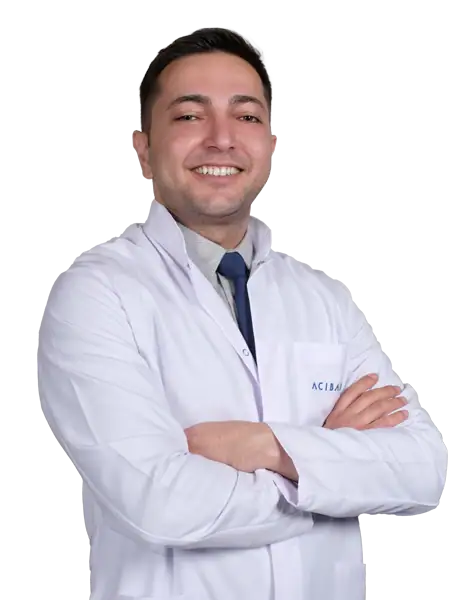
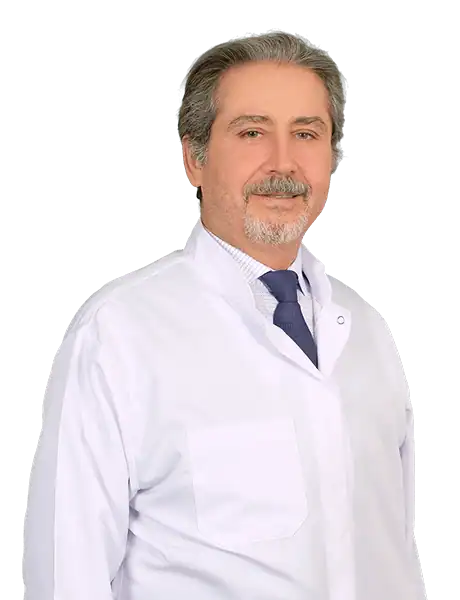
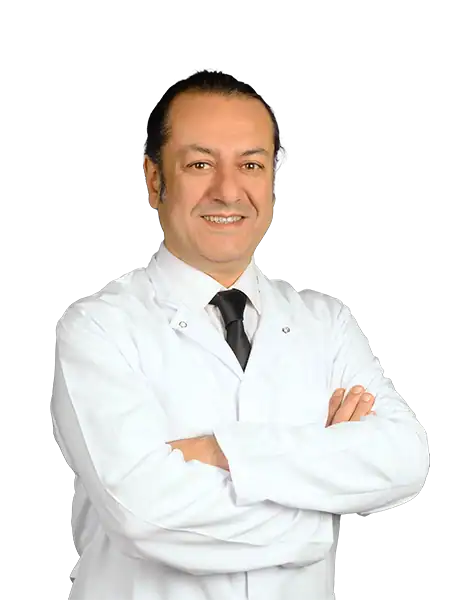
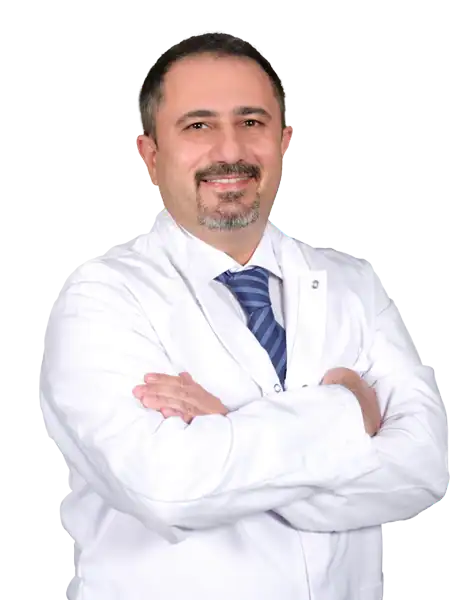
Prof. Mehmet Veli Karaaltın, MD

Aesthetic Plastic & Reconstructive Surgery
Assoc. Prof. Erdem Güven, MD

Aesthetic Plastic & Reconstructive Surgery
Assoc. Prof. Ahmet Küçükçelebi, MD
Aesthetic Plastic & Reconstructive Surgery
Assoc. Prof. Mehmet Altıparmak, MD

Aesthetic Plastic & Reconstructive Surgery