Breast Reconstruction
Breast reconstruction restores breast shape after mastectomy, lumpectomy, trauma, or congenital asymmetry using implants, tissue flaps, or combined techniques. The plan is tailored to anatomy, cancer treatment, and goals.
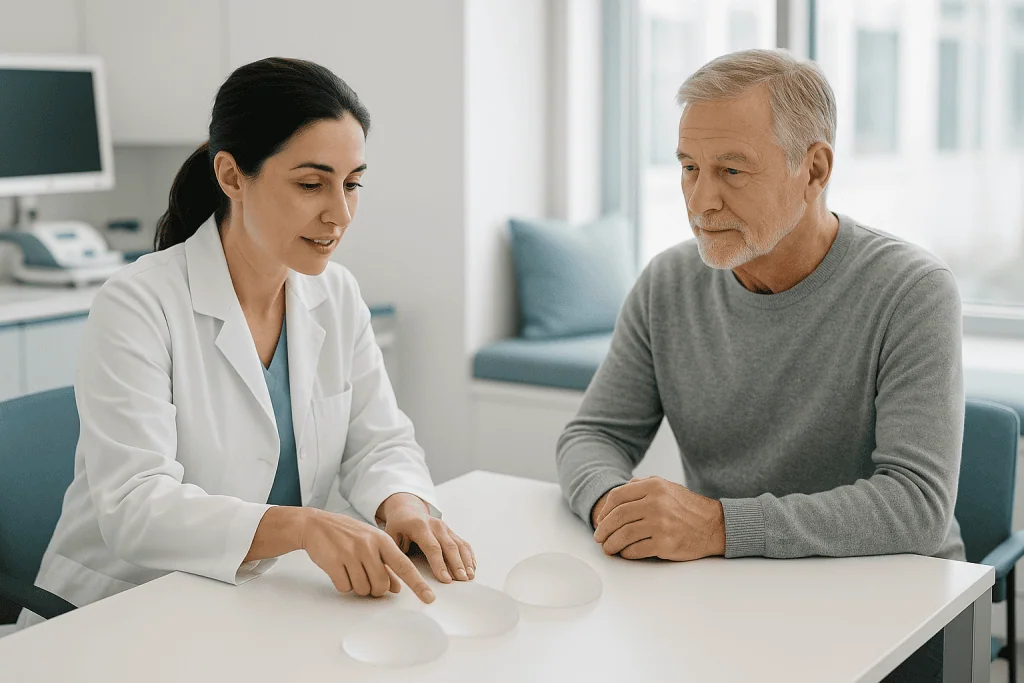
Quick answer
Breast reconstruction is surgery to rebuild the shape of a breast after mastectomy, lumpectomy, trauma or a congenital difference. It uses a breast implant, your own tissue (a flap), or a combination of both, and can be performed at the same time as mastectomy or later. Most patients need more than one stage, and the plan is coordinated with any cancer treatment such as chemotherapy or radiotherapy.
What Is Breast Reconstruction?
Breast reconstruction is surgery to rebuild the shape of a breast after mastectomy, lumpectomy, trauma, congenital difference or a previous operation. It restores volume, contour and symmetry using a breast implant, your own tissue, or a combination of both, and it can involve one breast or both. Most people consider breast reconstruction as part of breast cancer treatment, but it also helps after injury, burns, developmental asymmetry or complications from earlier breast surgery.
It is a deeply personal decision, and it rarely arrives at a convenient time. Many women face it while already carrying the emotional and medical weight of a cancer diagnosis. Others come to it years later, after treatment is finished, or after a lumpectomy that changed the shape of the breast in ways they did not expect. Some patients know immediately that they want reconstruction. Others need time, information and an unhurried conversation with specialists before deciding what feels right. Both paths are normal, and neither closes the door on the other.
The questions patients ask are consistent and reasonable. Will reconstruction interfere with my cancer treatment? Will the result look natural in clothing? How many operations will I need? How much will it hurt, and for how long? Should I choose an implant or my own tissue? If you are travelling for treatment, you will also want to know how care is coordinated across countries, how long you need to stay near the hospital, and what follow-up looks like once you are home. This page works through each of those questions in turn.
One point matters before anything else: breast reconstruction is not a single operation with one standard method. It sits within the wider field of reconstructive surgery and is tailored to your anatomy, your diagnosis, your previous and planned treatments, your general health and your priorities. The aim is to restore breast shape and proportion in a way that supports both physical healing and emotional recovery, without ever compromising cancer treatment.
What are the main types of breast reconstruction?
There are three main types of breast reconstruction, and everything else is a variation on them. Implant-based reconstruction uses a breast implant, placed with the support of your remaining skin and soft tissue; in many cases a temporary tissue expander is used first to gradually create space before the final implant. Autologous or flap reconstruction uses your own tissue, usually from the abdomen, back, thigh or buttock, to build the breast. Combined reconstruction uses both an implant and your own tissue, which can help when extra soft-tissue coverage or shape refinement is needed.
Reconstruction may also include procedures on the opposite breast, a lift, reduction or augmentation, so that the two sides sit in better balance. These symmetry procedures draw on the same techniques used in aesthetic breast surgery, applied here for a reconstructive purpose. Nipple and areola work can come later as a separate stage, and some patients keep their own nipple during mastectomy when that is oncologically safe.
Immediate, delayed and delayed-immediate reconstruction
Timing is as important as technique. Immediate reconstruction happens during the same operation as mastectomy. It reduces the number of major surgeries and can preserve more of the natural breast skin envelope, which often improves the final shape. Delayed reconstruction takes place months or years after mastectomy, usually once chemotherapy or radiotherapy is complete. Delayed-immediate reconstruction is a middle path used when radiotherapy is likely but not yet confirmed: a temporary approach, often a tissue expander, holds the skin envelope open while the oncology plan becomes clear, and the definitive reconstruction follows later.
Which timing suits you depends on cancer stage, tumour location, breast size, skin quality, the likelihood of radiation, previous surgery, smoking status, body mass index, other medical conditions, the tissue available for a flap, and your own preference. A good plan matches the surgical method to your entire treatment pathway, not just to the operation itself.
Who May Need Breast Reconstruction?
Breast reconstruction may be considered if you have had, or are planning, mastectomy for breast cancer, ductal carcinoma in situ, genetic risk reduction or recurrent disease. It also helps patients with visible breast distortion after lumpectomy and radiation, breast trauma, burns, congenital absence or underdevelopment of breast tissue, marked asymmetry, or complications from a previous implant or reconstruction.
People arrive at this decision from different directions. Some are facing mastectomy and want to understand every option before cancer surgery: a sensible instinct, because choices made at that first operation affect what is possible later. Others finished treatment long ago and are only now ready to revisit the subject. Many are not looking for a larger breast at all; they want balanced body contour, clothing that fits, or simply relief from a daily physical reminder of surgery.
Common concerns that lead to evaluation include loss of breast volume after mastectomy, uneven shape after lumpectomy, tightness or scarring after radiation, implant hardening or displacement, poor symmetry, skin deficiency, nipple loss, chest wall contour irregularity, or discomfort from an external prosthesis. Significant asymmetry can also strain the shoulders, neck and posture, particularly when one side is much larger or heavier than the other.
The indication shapes both the technique and the timing, which is why assessment by an experienced team matters. The situations breast reconstruction can address include:
- Reconstruction after mastectomy: restoring breast shape after removal of one or both breasts for cancer treatment or risk reduction.
- Reconstruction after lumpectomy: correcting contour deformity, volume loss or asymmetry after breast-conserving surgery, with or without radiation.
- Risk-reducing mastectomy: reconstruction for patients with inherited cancer risk who choose preventive breast removal after specialist counselling.
- Revision of a previous reconstruction: improving implant position, capsular contracture, asymmetry, rippling, flap contour or scarring from earlier surgery.
- Radiation-related changes: managing tightness, shrinkage, skin thickening, distortion or implant-related problems after radiotherapy.
- Trauma or burn reconstruction: restoring breast contour after injury, burns or surgical loss of tissue.
- Congenital asymmetry or absence: correcting developmental differences, including significant size discrepancy or chest-wall-related shape changes.
- Nipple and areola reconstruction: restoring the nipple-areola appearance through surgery, medical tattooing or both.
Not everyone needs or wants reconstruction, and declining it is a valid choice. Some patients prefer a flat closure after mastectomy. Others want to wait until they feel medically and emotionally ready, reconstruction remains possible years later. A fair consultation puts every reasonable option on the table, including no reconstruction, so that the decision is genuinely yours.
How is breast reconstruction planned and assessed?
Planning starts with a detailed medical history, physical examination and review of previous imaging, pathology and oncology treatment. If you have breast cancer, the reconstructive surgeon needs to understand tumour characteristics, surgical margins, lymph node status, genetic risk, the chemotherapy schedule, the radiotherapy plan and any targeted or endocrine therapy. This is why reconstruction works best when plastic surgeons and the breast health team plan together rather than in sequence.
Imaging depends on the situation. Mammography, breast ultrasound and MRI define the cancer picture. For flap reconstruction, CT angiography or similar scans can map the blood vessels in the donor area, usually the abdomen, which sharpens surgical planning and reduces uncertainty during the operation. For implant-based reconstruction, assessment focuses on skin thickness, chest wall anatomy, soft-tissue coverage and the anticipated effect of radiation. For revision surgery, imaging helps evaluate implant position, rupture, fluid collections, scar tissue and donor-site concerns.
How the Breast Reconstruction Operation Is Performed
The breast reconstruction operation varies enormously between patients, so the description below covers the main pathways rather than one fixed sequence. Every element, incision design, implant pocket, flap choice, staging, is decided against your anatomy and treatment history.
Preparation and treatment planning
Preparation begins with a comprehensive consultation. Your surgeon reviews your diagnosis, previous treatments, general health, medications, allergies, smoking history, body shape and expectations. Photographs and measurements are usually taken for planning. Patients coming from abroad typically have their pathology reports, operative notes, imaging files, genetic test results and oncology summaries reviewed before the first visit, so that the in-person consultation starts from a full picture rather than from scratch.
The reconstructive plan is then coordinated with the cancer plan. If mastectomy has not yet happened, breast surgeons and plastic surgeons discuss incision placement, skin preservation, nipple-sparing options and lymph node procedures together. If chemotherapy or radiotherapy is planned, the timing and method of reconstruction may shift to reduce complications and keep future options open.
You may be asked to stop smoking well before surgery, because nicotine reduces blood flow to healing tissue and raises the risk of wound problems: this matters even more in flap surgery, where the transferred tissue depends entirely on small blood vessels. Your medication and supplement list is reviewed in detail; any change to what you take is decided by your treating doctor, not made on your own. Preoperative work-up usually includes blood tests, an electrocardiogram and an anaesthesia assessment, plus vascular mapping if microsurgical flap reconstruction is planned.
Implant-based reconstruction
A breast implant can rebuild the breast in one stage or two. In a one-stage approach, the final implant is placed during the mastectomy itself, provided the skin envelope, tissue quality and oncology plan allow it. In a two-stage approach, a temporary tissue expander goes in first; over several outpatient visits it is gradually filled to stretch the skin and create a pocket, and a second operation later swaps the expander for the permanent implant.
As in breast enlargement, silicone implants are widely used because of how they hold shape and feel under thin mastectomy skin, and they come in different sizes, profiles and degrees of firmness; saline devices exist but behave differently under reconstructed skin. Whether implantation of breast implants happens above or below the chest muscle depends on your anatomy, tissue thickness, radiation history and your surgeon’s judgement. Surgical mesh or biological support materials are used in selected cases to define the implant pocket and support the lower curve of the breast.
The honest trade-off: implant reconstruction means shorter surgery than a free flap and no second donor-site scar, but it is more sensitive to radiation effects, and implants are devices: they may need exchange, adjustment or removal at some point in your life. That is not a failure of the surgery; it is the nature of the method, and it belongs in your decision from the start.
Autologous tissue (flap) reconstruction
Flap reconstruction builds the breast from your own tissue. The abdomen is the most common donor area because its skin and fat can resemble the softness of a natural breast; the back, thigh and buttock are alternatives. In some flap procedures the tissue stays attached to its original blood supply and is rotated into position. In microsurgical free-flap reconstruction, the tissue is fully detached and its blood vessels are reconnected to vessels in the chest under high magnification.
Autologous reconstruction is often preferred if you have had radiation, do not want an implant, have enough donor tissue, or need more robust soft-tissue coverage. It is a longer, more complex operation than implant surgery and you heal at two sites instead of one. In return, the reconstructed breast is warm, soft, living tissue that ages and changes with your body, for many patients, that durability is the deciding factor.
Can you do breast reconstruction with hip fat?
Yes, tissue from the hip and buttock region can be used for breast reconstruction, in two different ways. The first is a flap: skin and fat from the upper or lower buttock area is transferred microsurgically to the chest, an option mainly for patients whose abdomen is unsuitable, for example, because of previous surgery or too little tissue. The second is fat grafting (lipofilling): fat is harvested from the hips, abdomen or thighs by liposuction, processed and injected into the breast area.
Fat grafting on its own is usually a refinement tool, smoothing contour steps, softening the edges of an implant, filling small defects after lumpectomy, rather than a way to build a whole breast in one sitting. Because only part of each graft survives, rebuilding meaningful volume with fat alone takes multiple staged sessions and suits only selected patients. Most often, hip and abdominal fat is used alongside an implant or flap rather than instead of one.
Oncoplastic and partial breast reconstruction
If you are having a lumpectomy rather than a mastectomy, oncoplastic techniques reshape the remaining breast tissue at the time the tumour is removed. This may mean rearranging tissue within the breast, using a lift or reduction pattern, or operating on the opposite breast for symmetry. Where a larger defect is expected, local or regional flaps can restore the contour. The purpose is to treat the cancer effectively while reducing the visible deformity that breast-conserving surgery and radiation can otherwise leave behind.
Nipple and areola reconstruction
Nipple and areola reconstruction is usually the final stage, performed after the breast mound has healed and settled. Options include small local flaps that build a nipple projection, medical tattooing that recreates the colour and three-dimensional appearance of the areola, or a combination of both. Some patients keep their own nipple through a nipple-sparing mastectomy when the tumour location and oncology assessment allow it; others decide they do not want this stage at all. There is no single right answer, and this step can be decided long after the main surgery.
Technology used during planning and surgery
Breast reconstruction leans heavily on imaging, planning and intraoperative assessment. Diagnostic breast imaging defines the cancer plan and the safest timing. Cross-sectional imaging maps donor tissue and vessel anatomy before flap surgery. Standardised photography and digital planning tools help surgeons judge symmetry, volume and contour before and after each stage.
During microsurgery, high-magnification visualisation and specialised instruments allow surgeons to join very small blood vessels. In selected cases, perfusion assessment techniques check blood flow to skin flaps or transferred tissue during the operation itself, which supports decisions about how much tissue can safely be kept. Modern anaesthesia monitoring, structured pain-control protocols and early-mobilisation pathways round out the picture. Which of these tools is used depends on your procedure and medical needs, technology supports judgement, it does not replace it.
How long do the operation and hospital stay take?
Surgery time varies widely, and there is no honest single number. Implant-based reconstruction is generally shorter than microsurgical flap reconstruction. Reconstruction performed together with mastectomy takes longer than mastectomy alone. Revision surgery can be brief or lengthy depending on the problem being corrected. Hospital stay follows the same pattern: implant reconstruction usually means a shorter admission, while flap reconstruction requires closer monitoring in the first days because the transferred tissue’s circulation is checked repeatedly.
You will typically wake with dressings and one or more surgical drains, which remove fluid while tissues heal and come out once output falls. Pain is managed with medication and, where appropriate, regional anaesthesia techniques. Nurses and physiotherapists get you moving gently and walking safely early on. Before discharge, you receive practical instructions on drain care, showering, wound monitoring, garments if needed, and what activity to avoid and for how long.
Recovery After Breast Reconstruction
Recovery depends on the type of reconstruction, whether it was combined with cancer surgery, and your baseline health. Many patients return to light daily activities within the first couple of weeks, while lifting, demanding work and exercise need more time. Flap reconstruction generally means a longer recovery than implant reconstruction, because the donor site has to heal too.
Swelling, tightness, bruising and altered sensation are all common early on. The breast shape keeps settling for weeks to months, and scars mature over an even longer period, judge the result at several months, not at several weeks. Further planned procedures may follow once healing is complete: fat grafting, scar revision, implant exchange, nipple reconstruction or symmetry surgery on the other breast.
| Time period | What patients can generally expect |
|---|---|
| Day 1 | Hospital monitoring, pain control, dressings and drains in place, gentle assisted walking, and close observation of the reconstructed breast or flap. |
| First week | Swelling, tightness and fatigue are normal. The focus is drain care, wound protection, short walks and avoiding lifting or strenuous movement. |
| First month | Light daily routines gradually resume. Drains come out when output allows, and follow-up visits assess healing, symmetry and next steps. |
| Two to three months | Energy and mobility usually improve. The breast shape begins to settle, scars start maturing, and staged refinements can be discussed. |
| Longer term | The final contour continues to evolve. Some patients choose nipple-areola reconstruction, fat grafting, implant exchange or symmetry procedures after healing. |
Is breast reconstruction painful?
Expect real discomfort in the first days, managed actively rather than endured. Most patients describe tightness, pressure and soreness rather than sharp pain, particularly after implant or expander placement, where the stretched chest tissue feels tight for a while. Flap reconstruction adds a second healing site, often the abdomen, which affects how you move, sit and stand up in the early days. Pain is treated with medication and, in suitable cases, regional anaesthesia techniques given during surgery, and it eases steadily as tissues heal. Interestingly, parts of the reconstructed breast are often numb rather than painful, because mastectomy affects the nerves that carried sensation. Recovery is demanding, but for most patients the pain is predictable, front-loaded and manageable, not the dominant memory of the process.
Does breast reconstruction cause nerve damage?
The nerve changes patients notice come mostly from the mastectomy itself, not from the reconstruction added to it. Removing breast tissue unavoidably divides small sensory nerves, so numbness in the breast skin, and sometimes the inner upper arm after lymph node surgery, is common and can be permanent in some areas. Some sensation may return gradually over months to years as nerves regrow, but you should not expect the breast to feel as it did before. In selected microsurgical flap cases, surgeons may attempt to reconnect sensory nerves to encourage the return of feeling, though results vary and no technique restores sensation reliably. Reconstruction rarely causes new functional nerve injury; the honest message is that altered sensation is an expected part of mastectomy and reconstruction, and it belongs in your decision-making.
Can you wear underwire bras after breast reconstruction?
Usually yes, eventually, and with your surgeon’s go-ahead. In the early months you will be guided towards soft, supportive, non-wired bras, because an underwire can press on healing incisions, an implant pocket or a flap. Once tissues have fully healed and the shape has settled, many patients wear underwire bras without difficulty. Two cautions apply. First, ask your surgeon before switching, because the right timing depends on your specific operation. Second, remember that numb skin cannot warn you when a wire is digging in, so check the skin under the wire regularly. Some patients simply find soft bras more comfortable long term; either choice is fine.
Benefits of Breast Reconstruction
The benefits differ from patient to patient, but they usually span physical, functional and emotional ground at the same time.
| Benefit | What it means for you |
|---|---|
| Restored breast contour | Reconstruction can recreate breast shape after mastectomy, lumpectomy, trauma or congenital asymmetry, helping clothing and swimwear fit more naturally. |
| Improved symmetry | Procedures on one or both breasts help balance size, position and contour, reducing visible differences between the sides. |
| Personalised timing | Reconstruction may be immediate, delayed or staged, so the plan fits around chemotherapy, radiotherapy and your own readiness. |
| Choice of techniques | Implants, tissue flaps, fat grafting and combined methods offer different routes depending on anatomy, treatment history and goals. |
| Less reliance on external prostheses | Many patients feel more comfortable in daily life when breast shape is restored without a removable breast form. |
| Opportunity for revision | Previous reconstructions with scarring, capsular contracture or asymmetry can often be improved with corrective procedures. |
Risks, Disadvantages and What Results Really Look Like
Honesty here matters more than reassurance. Breast reconstruction is major breast surgery, and a good decision needs the limitations in view as clearly as the benefits.
What are the disadvantages of breast reconstruction?
The main disadvantages are more surgery, more recovery time, scars, and results that restore form rather than recreate the original breast. Specifically:
- Multiple stages: many reconstructions involve two or more operations before the result is complete, plus outpatient visits for expander fills or refinements.
- Surgical risks: as with any major operation, bleeding, infection, wound-healing problems, fluid collections and anaesthesia-related risks, plus method-specific risks such as capsular contracture or implant displacement, and flap circulation problems in autologous surgery.
- Reduced sensation: numbness in the breast skin is expected and may be permanent in some areas.
- Donor-site trade-offs: flap surgery leaves a second scar and healing area, most often on the abdomen.
- Radiation interactions: radiotherapy can tighten tissue and increase implant-related complications, which may force a change of method or timing.
- Possible future surgery: implants are not lifetime devices, and both implant and flap reconstructions may need revision over the years.
None of these is a reason to avoid reconstruction; they are the terms on which it is offered, and your surgeon should discuss each one against your specific situation.
What do reconstructed breasts look like?
A well-planned reconstructed breast looks natural in clothing and swimwear, with realistic volume, projection and a breast-shaped contour, but unclothed it looks different from a natural breast, and expecting that difference is part of preparing well. There will be scars, whose pattern depends on the mastectomy incisions and technique used. Flap reconstructions tend to feel softer and drape more naturally; implant reconstructions can look smooth and well-shaped but may sit slightly higher or feel firmer. The nipple may be your own (if spared), reconstructed, tattooed or absent, depending on your choices. Symmetry with the other breast is often good after staged adjustments, though the two sides may age differently. Most patients judge the result by how they feel dressed, in the mirror and in daily life, and on that measure, well-executed reconstruction usually delivers.
How long do reconstructed breasts last?
A flap reconstruction is your own living tissue and lasts a lifetime: it gains and loses volume with your weight and ages with the rest of your body. Implant reconstructions are durable but not permanent: implants are medical devices that may need exchange, adjustment or removal at some point, whether for wear, capsular contracture, position change or personal preference. There is no fixed expiry date, and an implant that is soft, well-positioned and problem-free does not need replacing on a schedule; it needs monitoring at routine follow-up. Whichever method you choose, expect the reconstruction to evolve over the years rather than stay frozen, and expect that occasional maintenance surgery is possible.
Can cancer grow in a reconstructed breast?
Recurrence remains possible after mastectomy, with or without reconstruction, because no mastectomy removes every last breast cell, small amounts can remain in the skin and chest wall. Reconstruction does not cause recurrence, and it does not remove the need for the follow-up your oncology team plans for you. Recurrences in this setting most often appear in the skin or chest wall, where they can typically still be noticed and examined. Long-term surveillance, awareness of changes in the reconstructed area, and continued contact with your oncology team remain part of life after treatment, reconstruction changes the shape of the breast, not the follow-up plan behind it.
Why Early Consultation Matters
Breast reconstruction should never be rushed, but early consultation protects options. If you meet a reconstructive surgeon before mastectomy, you generally have more choices about incision design, skin preservation, nipple preservation and immediate reconstruction. Even when delayed reconstruction turns out to be the safest plan, early coordination avoids decisions at the cancer operation that make reconstruction harder later.
When reconstruction is first considered after cancer surgery, the options are often still very good, but skin deficiency, scarring, radiation effects and chest wall changes can make the surgery more complex. Radiotherapy, while often essential for cancer control, tightens skin and soft tissue, raises implant-related complication risks and affects healing; this is a common reason surgeons recommend bringing in healthy, well-vascularised tissue of your own rather than relying on an implant in a radiated field.
There is an emotional dimension too. Some patients spend months with an external prosthesis without realising reconstructive options are still open to them. Others live with asymmetry or dissatisfaction after previous surgery, assuming revision is impossible. A specialist evaluation clarifies what can realistically be improved, what the risks are, and how the timing should fit around any ongoing oncology care. And one principle overrides everything: for newly diagnosed patients, safe and effective cancer treatment comes first. Reconstruction must never compromise tumour removal, lymph node assessment, chemotherapy or radiotherapy. Acting early means involving the right specialists at the right time, not necessarily operating sooner.
Factors That Influence a Good Result
A good result is not defined by size or appearance alone. It includes safety, coordination with cancer treatment, durable healing, reasonable symmetry, comfort, and a match with what you were told to expect. Several factors carry the most weight.
The cancer treatment plan. The need for radiotherapy is one of the biggest considerations, because radiation changes skin elasticity, wound healing and implant behaviour. Chemotherapy and targeted therapies also shape timing: the surgical team must avoid delaying cancer treatment while still allowing safe healing between stages.
Skin and soft-tissue quality. Healthy, well-vascularised skin may allow immediate implant reconstruction; thin, scarred or radiated tissue often points towards autologous or staged approaches. How much breast skin remains after mastectomy strongly influences the final shape.
Your overall health. Diabetes, obesity, smoking, vascular disease, autoimmune conditions and certain treatments increase surgical risk. Optimising health before surgery, nutrition, activity, stopping smoking, genuinely improves healing, and it is one of the few outcome factors entirely in your hands.
Anatomy and donor tissue. Flap reconstruction depends on available donor tissue with a reliable blood supply. Limited abdominal tissue may mean a different donor site or a different technique altogether. Previous abdominal surgery does not automatically rule out a flap, but it can change the plan, which is why vessel imaging is done beforehand.
Surgical experience and planning. Breast reconstruction demands both aesthetic judgement and reconstructive precision: incision planning, implant pocket control, flap design, microsurgical technique, management of radiated tissue, and the flexibility to adapt when findings during surgery differ from the plan.
Expectations and communication. Reconstruction restores breast form; it does not fully recreate the original breast. Sensation is reduced, scars are certain, and staged procedures are common. Patients who understand these trade-offs before surgery consistently navigate recovery better than those who discover them afterwards.
Follow-up care. Early follow-up catches fluid collections, wound issues, implant concerns and flap circulation problems while they are easy to manage. Longer-term follow-up covers scar maturation, symmetry, implant surveillance and optional refinements. If you live far from your surgical team, the follow-up plan should state clearly what a local doctor can handle and what belongs with the operating team.
Insurance and Funding Questions
Is breast reconstruction covered by insurance?
Often, yes, in many countries and under many policies, breast reconstruction after mastectomy is classed as reconstructive rather than cosmetic surgery, and some systems extend cover to symmetry procedures on the opposite breast and to nipple reconstruction. But coverage is set by your country’s health system, your insurer and the specific terms of your policy, so no website can answer this for your individual case. Before committing to a plan, check with your insurer exactly what is covered: which techniques, how many stages, revision surgery, and whether treatment abroad falls inside or outside your policy. Get the answer in writing.
Does insurance cover breast reconstruction after lumpectomy?
Coverage after lumpectomy is less uniform than after mastectomy, because insurers differ in how they classify the correction of contour defects after breast-conserving surgery. Where the deformity clearly results from cancer treatment, many systems treat oncoplastic correction as reconstructive; others assess it case by case. The practical advice is the same: ask your insurer specifically about reconstruction after breast-conserving surgery, name the proposed procedure, and confirm the position before scheduling anything.
How Breast Reconstruction Care Is Organised at Acibadem
Breast reconstruction sits at the junction of several specialties, and how a hospital connects them shapes the quality of the plan. At Acibadem, reconstruction planning brings together breast surgeons, the plastic, reconstructive and aesthetic surgery team, medical oncologists, radiation oncologists, radiologists, pathologists, anaesthesiologists and rehabilitation staff where needed. Complex cases can be discussed in multidisciplinary board settings, so that decisions about timing, technique and cancer treatment are made from several expert perspectives rather than one.
The approach is individual rather than formulaic. One patient with early-stage disease may be suited to nipple-sparing mastectomy with immediate implant reconstruction; another with prior radiation and implant complications may be better served by autologous tissue; a patient after genetic risk-reducing surgery may need bilateral planning focused on symmetry and long-term surveillance. Sometimes the most responsible recommendation is to wait, until radiotherapy is finished, until health factors are optimised, or until you feel ready. A careful recommendation, including the recommendation not to operate yet, is part of proper care.
For patients travelling from abroad, care is organised with distance in mind: medical document review before travel, interpreter support in a range of languages, help with admission processes, and structured communication between you, your family, the clinical team and, where you wish, your doctors at home. Practical questions are settled during planning rather than after arrival: how the stages will be scheduled, how long to remain near the hospital before flying, how drains are managed if one is still in place, and which parts of follow-up can safely be handled locally once you return home.
Making Your Decision
Breast reconstruction deserves time, accurate information and respect for your own priorities. Whether you are newly diagnosed, planning risk-reducing surgery, months or years past treatment, or living with a previous reconstruction you are unhappy with, the essentials are the same: understand the types of breast surgery available to you, the realistic appearance and feel of the result, the number of stages involved, and how the plan fits your cancer treatment and your life. Reconstruction is not about returning to exactly what was before. It is about restoring form, balance and confidence after a significant medical experience, on terms you have understood and chosen. With careful planning and coordinated care, most patients reach a result that feels consistent with their body and their goals.
Preparation
- Before breast reconstruction, the surgeon reviews medical history, cancer treatment plans, imaging, and previous operations. Patients may need blood tests, anesthesia assessment, and guidance on medications, smoking, and nutrition. Implant-based, flap-based, or combined reconstruction options are discussed according to safety and expectations.
Aftercare
- After surgery, patients are monitored for pain control, wound healing, drains, swelling, and signs of infection. A surgical bra or compression garment may be recommended, and strenuous activity is usually avoided for several weeks. Follow-up visits check healing, implant or flap condition, and whether later symmetry or nipple reconstruction procedures are needed.
Frequently Asked Questions
What affects the cost of breast reconstruction?
The final cost depends on the chosen technique, whether implants or tissue flaps are used, the need for symmetry surgery, previous cancer treatment, hospital stay, anaesthesia, imaging, medications, garments, and follow-up care. A specialist assessment is needed for an accurate quote.
How can I get a personalised quote from Acibadem?
You can request a free consultation and share your medical reports, imaging, pathology results if available, photos when requested, and treatment history. The clinical team can then review your case and prepare a personalised plan and cost estimate.
Is immediate reconstruction more expensive than delayed reconstruction?
Cost can differ because immediate reconstruction is coordinated with mastectomy, while delayed reconstruction may require separate planning, additional imaging, scar assessment, or staged procedures. The most suitable timing should be decided with your breast and plastic surgery specialists.
Does the package include implants, hospital stay, and follow-up?
Package content varies by case and technique. It may include consultation, preoperative tests, surgery, anaesthesia, hospital stay, implants or surgical materials when applicable, and follow-up planning. Always check what is included and what may be billed separately.
Can travel and language support be arranged?
For international patients, coordination may include appointment scheduling, language support, travel guidance, accommodation assistance, and transfer planning. These services can affect the overall experience and should be discussed during consultation.
Medically reviewed by the Acıbadem International Medical Board September 10, 2026
See our medical review board →
Update history
- PublishedJune 8, 2026
- Medical review approvedSeptember 10, 2026
- Last content updateSeptember 9, 2026
References2
- Breast Reconstruction After Mastectomy cancer.gov
- Breast Reconstruction medlineplus.gov
Trusted care for international patients
From the Acibadem Blog

What Are the Stages of Breast Reconstruction Recovery? Drains, Garments, Arm Movement and Work
Breast reconstruction recovery moves through stages rather than a single healing date. Most people spend one to several days in hospital, keep surgical drains…
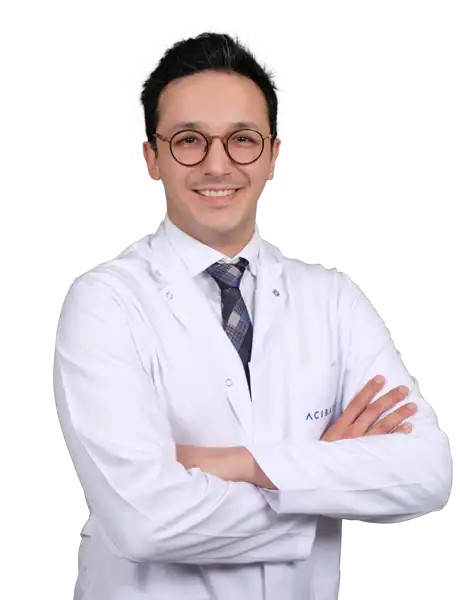
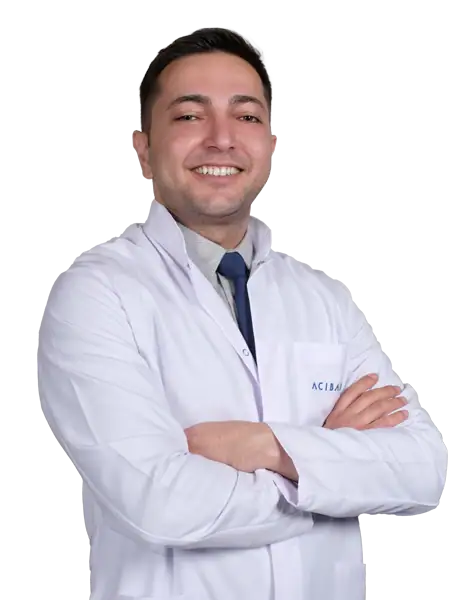
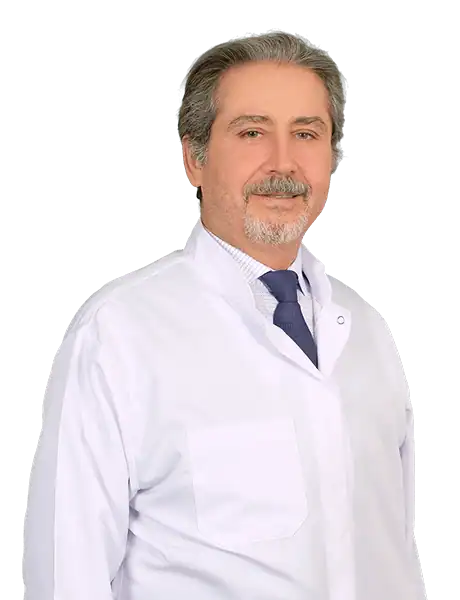
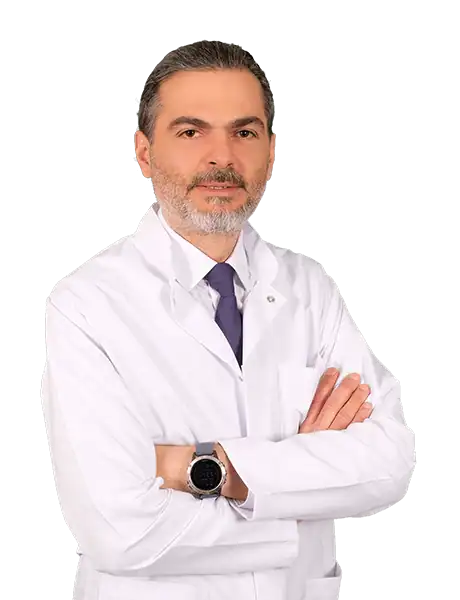
Doctors Performing This Treatment


Aesthetic Plastic & Reconstructive Surgery
Prof. Mehmet Veli Karaaltın, MD


Aesthetic Plastic & Reconstructive Surgery
Assoc. Prof. Erdem Güven, MD

Aesthetic Plastic & Reconstructive Surgery
Assoc. Prof. Ahmet Küçükçelebi, MD
Aesthetic Plastic & Reconstructive Surgery
Assoc. Prof. Mehmet Altıparmak, MD

Aesthetic Plastic & Reconstructive Surgery