Dimple Creation Surgery
Dimple creation surgery is a minor cosmetic procedure that forms natural-looking cheek dimples by adjusting tissue inside the cheek. It is usually performed as an outpatient treatment with local anesthesia.
Quick answer
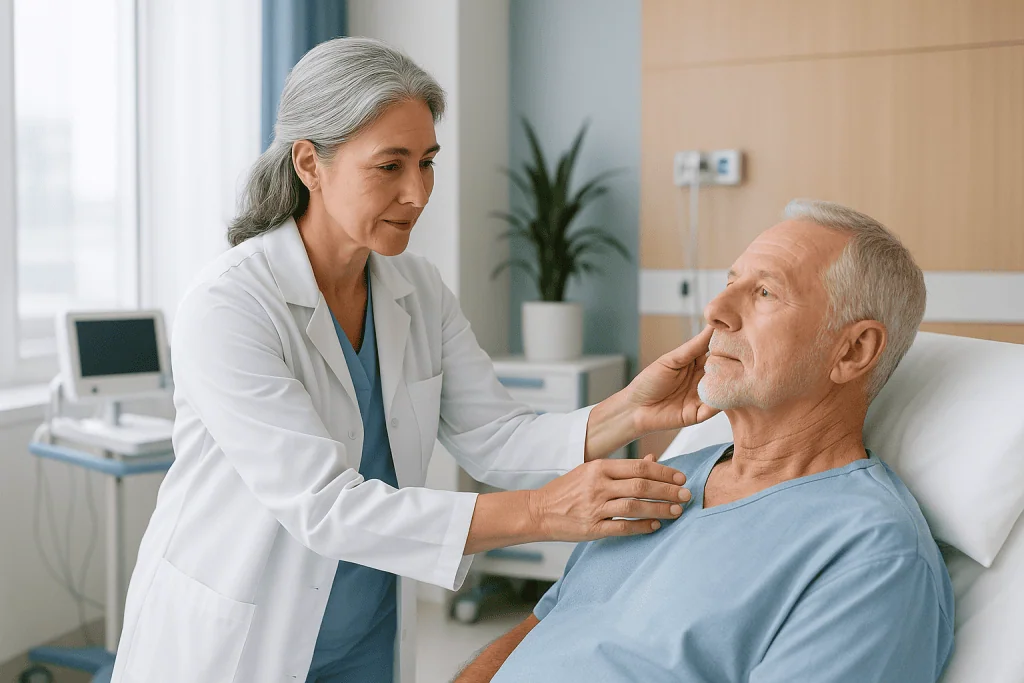
Dimple creation surgery, or dimpleplasty, is a minor outpatient cosmetic procedure that creates a small indentation in one or both cheeks. Working through a small opening inside the mouth, the surgeon places a suture that attaches the inner cheek lining to the underlying muscle, so the skin pulls inward when you smile. It usually takes under an hour, uses local anaesthetic and leaves no external scar.
Dimples, Dimpleplasty and the Decision in Front of You
Dimple creation surgery, also called dimpleplasty, is a minor cosmetic procedure that creates a small, controlled indentation in one or both cheeks. It works by attaching the inner cheek lining to the underlying facial muscle with a fine suture, so that the skin pulls inward, most visibly when you smile. It is intended for adults who were not born with dimples, or who have a dimple on one side and want better balance on the other.
Dimples carry a lot of meaning for something so small. They are associated with warmth, youthfulness and expressiveness, and for many people the wish for them is not a passing idea but a preference held for years, sometimes inspired by a family trait, sometimes by cultural ideals of beauty, sometimes simply by wanting the smile to have more character. The procedure that creates them, by contrast, is short and technically modest. That contrast is worth holding onto: the surgery is small, but it changes a visible part of your face, and the decision deserves the same care as any facial procedure.
Your questions at this stage are probably practical. Will the dimples look natural? Will they last? How much swelling should I expect? How soon can I return to work and normal life? What happens if I do not like the result? These are the right questions, and this page answers them as plainly as the evidence allows. The cheek is not empty space. It contains facial muscles, small blood vessels, branches of the facial nerve, salivary structures and delicate soft tissue. A refined result depends on precise placement, appropriate depth and a realistic understanding of how the dimple will behave both at rest and in motion.
At Acibadem, dimple creation is treated as a personalised facial procedure rather than a standardised technique, planned by specialists in plastic, reconstructive and aesthetic surgery. The assessment covers your facial anatomy, smile dynamics, cheek thickness, expectations and general health before any plan is confirmed, including, on occasion, the recommendation not to proceed.
What Are Cheek Dimples and Why Do Some People Have Them?
Cheek dimples are small indentations in the skin of the cheek that appear or deepen with facial expression, most obviously with smiling. They are a normal anatomical variation, not a medical condition, and they can occur on one side or both. Understanding why natural dimples exist makes it much easier to understand what dimpleplasty actually does, because the operation is essentially an imitation of natural anatomy.
It also helps to distinguish cheek dimples from the other indentations the word covers. A chin dimple, the vertical cleft some people have at the centre of the chin, reflects the way the two halves of the chin muscle and the underlying bone developed, and it is a fixed feature rather than one that appears with expression. Back dimples, the paired hollows sometimes visible above the pelvis, are points where skin is anchored to deeper ligament and bone. Dimpleplasty concerns cheek dimples only: the expression-linked kind, created by a connection between the skin and the smiling muscle.
What is the cause of a dimple?
A natural dimple is caused by a small variation in the structure of a cheek muscle, most often the zygomaticus major: the muscle that lifts the corner of the mouth when you smile. In people with dimples, a portion of this muscle, or a fibrous connection related to it, tethers the overlying skin. When the muscle contracts during a smile, it pulls that tethered point of skin inward, and the familiar indentation appears. In some faces the tether is strong enough that a faint dimple is visible even at rest; in others it shows only during broad expression. This is exactly the mechanism that dimple creation surgery reproduces: instead of a naturally occurring muscle variation, a surgical suture creates the connection between skin and muscle.
Why are dimples so rare?
Dimples are relatively uncommon because they depend on a specific anatomical variation that most people simply do not have. The genetics are often described in popular writing as a dominant inherited trait, but the honest scientific position is more cautious: inheritance patterns for dimples are not fully understood, expression varies within families, and some children of dimpled parents have no dimples at all, while dimples occasionally appear in families with no known history of them. Depth and visibility can also change through life, childhood dimples sometimes soften as facial fat distribution changes, and adult dimples may become more or less prominent with weight change and ageing. In short, dimples are rare because the underlying muscle variation is rare, and unpredictable because the biology behind it is not a simple on-off switch.
Is it attractive to have dimples?
Attractiveness is subjective, and dimples are a good example of how strongly it varies by culture and by individual taste. In many cultures dimples are read as youthful, friendly or charming, and this association is a common reason people seek dimpleplasty. In others they carry no particular significance. What can be said with confidence is narrower: dimples draw attention to the smile, and a well-placed dimple tends to be perceived as a natural feature rather than a surgical one. What cannot be said is that dimples will make any given face more attractive. A dimple that suits one face may sit oddly on another, which is why placement is planned on your face, while you smile, rather than copied from a photograph of someone else.
What does a person with dimples mean?
Dimples have no medical meaning. A person with dimples is not healthier, luckier or different in temperament from anyone else: the indentation reflects a muscle variation and nothing more. The question usually points at folklore, and there is plenty of it: various traditions treat dimples as marks of good fortune, charm, flirtatiousness or a blessed disposition. These beliefs are part of why dimples are culturally desirable in many places, and they are worth knowing about for one reason: they shape expectations. Surgery can create the indentation. It cannot create the meanings people attach to it, and a sensible consultation will keep those two things separate.
What Is Dimple Creation Surgery?
Dimple creation surgery is an outpatient cosmetic procedure that forms a small indentation in the cheek by creating a deliberate attachment between the inner cheek tissue and the underlying facial muscle. It is usually performed under local anaesthetic, from inside the mouth, which means there is typically no external skin incision and no visible scar on the cheek surface. Through a small opening in the inner cheek lining, the surgeon adjusts a tiny amount of soft tissue at the planned site and places a suture connecting the cheek lining to the deeper muscle layer. As healing progresses, a small internal scar forms around this connection, and it is that scar, not the suture alone, that maintains the dimple over time.
One feature of the healing process surprises many patients, so it is worth stating early. In the first days and weeks after surgery, the dimple is usually visible even when your face is completely relaxed. This is expected: the tissues are still swollen and the internal suture is holding the indentation firmly. As swelling settles and the tissue softens over the following weeks and months, the dimple typically becomes more dynamic, showing mainly with smiling and facial movement, the way a natural dimple behaves. The exact evolution varies from person to person, and nobody can promise precisely how deep the final dimple will be or exactly how visible it will remain at rest.
It is also worth being clear about what “minor procedure” does and does not mean. Dimpleplasty is brief, uses local anaesthetic and involves no hospital stay. None of that makes it casual. A dimple placed too high, too low, too deep or too shallow can look unnatural, and an overly aggressive technique can create asymmetry, persistent tightness or an indentation more prominent than intended. Working inside the mouth also demands strict attention to infection control. Patient selection, precise planning and sterile technique matter here just as they do in larger operations.
How can I get a dimple?
For an adult who was not born with dimples, dimple creation surgery is the only reliable way to create a lasting, expression-linked dimple, because a true dimple requires a physical connection between the skin and the cheek muscle, something no cream, exercise or device can build. People phrase the question differently, how can I get a dimple, or how can I have dimples that look like the real thing, but the answer is the same: the mechanism has to be created surgically, and the realism of the result depends on placement that matches your own smile line, a depth appropriate to your cheek thickness, and healing that goes as planned.
How can you have dimples without surgery?
You can suggest dimples temporarily with makeup, but you cannot create a genuine one without surgery. Contouring, a small shadow placed at the smile line, can mimic the look of a dimple in photographs and from certain angles, and it is entirely reversible, which makes it a sensible way to preview whether the feature suits your face at all. Two other routes circulate online and deserve honest treatment. Cheek “exercises” and dimple-training devices that press or pinch the cheek do not create dimples, because pressing on skin does not tether it to muscle; at most they leave a short-lived mark. Cheek piercings can leave an indented scar that resembles a dimple, but this is scarring, not a planned aesthetic result: the position and depth are unpredictable, and piercings through the cheek carry their own risks of infection, gum and tooth damage and permanent unwanted scarring. They are not a medical alternative to dimpleplasty.
Who Is a Suitable Candidate for Dimpleplasty?
Dimpleplasty is elective. In most cases it treats no disease; it is a cosmetic choice made by people who want to add or enhance dimples. Suitable candidates are usually adults in good general health, with healthy mouths, realistic expectations and a clear understanding that the result will be shaped by their individual anatomy as much as by the surgeon’s technique.
You might reasonably consider the procedure if you:
- Want one or two cheek dimples that appear naturally with smiling.
- Have liked the appearance of dimples for a long time and want more definition in your smile, not a decision made last month on the strength of a filtered photograph.
- Have a natural dimple on one side and want better balance on the other.
- Previously had a visible dimple that faded with facial changes and want to discuss whether enhancement is realistic.
- Prefer a procedure performed under local anaesthetic, without a visible external incision and without an overnight stay.
The “diagnosis” here is an aesthetic and anatomical assessment rather than a medical one. During consultation, the surgeon examines your face at rest and while smiling, and evaluates cheek thickness, skin quality, facial symmetry, oral health, bite pattern, any prior facial procedures and your preferred dimple position. Standardised facial photographs are often taken to support planning and to document your starting point.
Not everyone is a good candidate. Active oral infections, uncontrolled medical conditions, significant bleeding disorders, poor wound healing, a tendency toward problematic scarring or expectations that anatomy cannot deliver are all reasons to delay or decline. Smoking interferes with healing in the mouth and may need to be addressed before treatment is scheduled. And anyone who feels uncertain about wanting a long-term facial change should take that uncertainty seriously: the internal scar that sustains a dimple is not designed to be undone on request.
Age matters too. Parents occasionally ask how can we get dimples for a child, and the plain answer is that elective cosmetic surgery is not appropriate for children: the face is still changing, aesthetic preferences evolve, and informed consent requires the maturity to weigh a permanent facial alteration. For younger adults, surgeons look for facial maturity and genuine, self-directed motivation before agreeing to operate. Whatever the starting point, final suitability is always confirmed by an in-person examination.
What Dimple Creation Surgery Can Address, and What It Cannot
The indications for dimpleplasty are aesthetic, and they are narrower than marketing sometimes suggests. The main ones are:
- Cosmetic dimple creation: forming a new dimple on one or both cheeks, at a position planned around your natural smile.
- Smile accentuation: adding a focal point for patients who feel their cheeks lack definition during expression.
- Facial balance: creating a dimple opposite an existing natural one, while accepting that perfect symmetry is not achievable, because no natural face is perfectly symmetrical and no surgical dimple will mirror a natural one exactly.
- Revision assessment: evaluating patients who had dimple surgery elsewhere and are unhappy with depth, position, asymmetry or persistence. Revision is possible in selected cases, but operating in previously scarred tissue is less predictable than primary surgery, and sometimes the most honest advice is to leave settled tissue alone.
One decision worth making consciously is one dimple or two. Natural dimples occur in both patterns, so neither choice is inherently more authentic. A single dimple tends to read as a quirk of the face and tolerates asymmetry by definition; paired dimples invite comparison between the two sides, which makes precise planning more demanding, and makes it more important to accept that the two sides of any face move differently. Weighing both options against your own smile in the mirror, rather than deciding in the abstract, usually settles the question quickly.
Equally important is what the procedure does not do. Dimpleplasty does not lift the face, does not remove meaningful cheek fullness, does not correct facial paralysis and is not a substitute for treatments aimed at skin laxity, volume loss or jawline definition. If your underlying goal is a broader change to the midface or lower face, a dimple will not deliver it, and a responsible consultation will say so, sometimes recommending a different treatment strategy, sometimes recommending nothing at all.
How Dimple Creation Surgery Is Performed
The operation itself is short, but the quality of the result is built across several stages: consultation, design, preparation, precise tissue work and disciplined aftercare. Most patients are treated under local anaesthetic, awake, with the cheek fully numbed. Sedation is not usually necessary, though the approach can be adapted to your anxiety level, medical status and the surgeon’s judgement.
Consultation and design
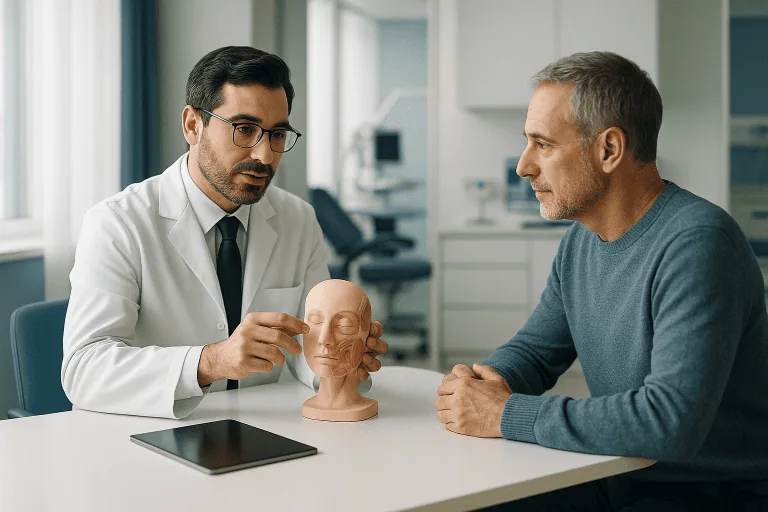
Everything starts with a detailed consultation. The surgeon asks about your goals, medical history, allergies, current medicines, prior facial treatments and any history of oral or dental infection, then examines the cheeks from outside and inside the mouth. Smile movement is assessed carefully, because a dimple must be planned in relation to your actual expression, not placed by a fixed measurement. The cheek’s internal anatomy is also considered: branches of the facial nerve and the parotid duct: the salivary channel addressed in operations such as parotidectomy surgerycross this region, and the dimple site is chosen with those structures in mind.
The proposed dimple position is usually marked while you are smiling. This is an interactive step: you will be asked to smile naturally, smile broadly and relax your face several times so the surgeon can find the point where an indentation looks most harmonious. Many patients bring reference photographs. These help communication, but the final plan must be adapted to your own anatomy: a position copied directly from another face frequently looks wrong. If the examination reveals dental problems, mouth ulcers or active infection, the procedure is postponed until the issue is treated; where jaw or dental pathology needs specialist input, assessment in oral and maxillofacial surgery may come first.
Preparation before the procedure
Before surgery you receive instructions covering medicines, oral hygiene and eating and drinking. Some blood-thinning drugs, supplements and anti-inflammatory medicines can affect bleeding, but any decision to adjust them belongs to your treating doctor, never change medication on your own. Tell the care team about every prescription medicine, herbal product and any previous reaction to anaesthesia.
Because the incision sits inside the mouth, oral cleanliness matters more here than in most cosmetic procedures. You may be asked to brush carefully, use an antiseptic mouth rinse and confirm that there is no active gum or dental infection on the day. Smoking impairs healing of the oral lining and raises complication risk, so patients are typically advised to stop around the time of surgery, in line with their doctor’s guidance.
The procedure, step by step
On the day, the sequence is straightforward:
- The planned dimple position is confirmed with you, again while smiling, and marked.
- The cheek is cleaned and local anaesthetic is placed to numb the area. You may feel pressure and movement during the procedure, but the anaesthetic minimises pain, and you can speak to the surgeon at any point if you are uncomfortable.
- Working through a small opening in the inner cheek lining, the surgeon adjusts a controlled amount of soft tissue at the planned site.
- A fine suture is placed to connect the cheek lining, or the deeper soft tissue, to the underlying muscle. This connection pulls the cheek inward and forms the dimple.
- The inner incision is closed or secured according to the technique used, and the result is checked at rest and with movement.
Treating one cheek commonly takes well under an hour; treating both takes longer but is still usually completed within a single short session. After a brief observation period, most patients go home the same day. Because the anaesthetic is local, the immediate recovery is generally uncomplicated, provided the written aftercare instructions are followed.
Technology and safety measures
Dimpleplasty depends more on surgical judgement and fine technique than on large equipment, but modern clinical infrastructure still earns its place. High-quality facial photography supports symmetry assessment and documents the preoperative appearance. Digital medical records keep planning, consent and follow-up coordinated. Magnification, fine instruments, sterile technique and properly monitored local anaesthesia let the surgeon work precisely through a small intraoral opening.
A hospital setting adds something informal clinics cannot: access to other specialties when a question arises. Concerns about oral infection, dental status, bleeding risk or the effects of a previous facial procedure can be assessed before anyone operates. That structure reduces uncertainty and helps ensure an elective procedure happens under appropriate medical conditions rather than on an optimistic assumption.
Immediately after the procedure
Mild swelling, bruising, tenderness and a sense of tightness in the cheek are common and expected. The dimple usually looks deeper and more constant than the final intended result: this early firmness softens as healing progresses, and judging the outcome in the first week is premature. You will typically be advised to eat soft foods for a short period, avoid very hot or spicy foods if they irritate the mouth, and keep oral hygiene meticulous. Medication may include simple pain relief and, in some protocols, antibiotics or an antiseptic rinse, according to your surgeon’s plan. Avoid manipulating the cheek, repeatedly checking the dimple with your fingers or stretching the mouth in the early healing period.
The sutures used inside the mouth are usually dissolvable and disappear on their own over the following weeks, so removal is not normally needed. Until the inner lining has healed, a mild pulling sensation when opening the mouth wide, chewing or laughing is common and settles as the tissue softens. Your surgeon will tell you when normal eating, exercise and dental cleaning routines can resume, timings vary with the technique used and how your tissue responds. Follow-up is scheduled according to your surgeon’s plan, in person or, where appropriate, remotely.
The Cost of Dimple Creation Surgery
How much does dimple creation surgery cost?
There is no single answer, because the price of dimpleplasty depends on where you have it, who performs it and what the quoted fee actually includes. The main drivers are the surgeon’s experience and specialty training, the clinical setting: a hospital-based procedure with full sterile infrastructure is priced differently from an office room, whether one cheek or both are treated, the type of anaesthesia, and what is bundled into the quote: consultation, photography, medicines, follow-up visits and any policy on revision. Prices also vary considerably between countries and cities.
When people ask how much is dimple creation surgery, the more useful question is what a given quote covers. A low headline figure that excludes follow-up, aftercare medicines and any pathway for managing a complication is not comparable to a complete package. Before committing, ask for the fee in writing, itemised, together with the surgeon’s qualifications and the setting where the procedure will take place. For a facial procedure you will look at every day, the credentials behind the price matter more than the price itself.
Why Early Consultation Matters, and What Delay Actually Risks
Dimpleplasty is never medically urgent, and taking time to think is entirely appropriate. But there is a difference between taking time to decide and delaying the conversation that would inform the decision. An early consultation tells you whether your desired result is anatomically realistic, whether one dimple or two would look more balanced on your face, and whether any health or oral hygiene issue needs sorting out first. None of that commits you to surgery; all of it makes your eventual decision better.
Delaying professional advice carries its own quiet risks. Some people fill the gap with quick, non-medical alternatives, piercings, pressing devices, that can leave scarring without producing the result they wanted. Others decide based purely on social media images, without realising that a dimple flattering one face may not suit another. Without proper evaluation, the likelihood of a poorly placed dimple, excessive depth, asymmetry, infection or a disappointing result that is hard to revise goes up.
There is also a practical scheduling logic. You need enough time for preoperative assessment, the procedure itself and the early healing weeks before any occasion where your appearance matters to you, swelling and an at-rest dimple are normal in the first phase, and a wedding, photoshoot or job interview is a poor deadline for tissue that heals on its own timetable. If an oral infection, an uncontrolled medical condition or a medication issue surfaces late, treatment gets postponed and plans unravel. Planning early protects both the result and the calendar. Finally, the most underrated benefit of an early consultation is that it sometimes redirects you: a thorough assessment occasionally reveals that a different approach, or no procedure at all, better matches what you actually want from your face.
Benefits of Dimple Creation Surgery
The realistic benefits are practical ones, what the procedure can genuinely change and how that plays out in daily life.
| Benefit | What It Means for You |
|---|---|
| Natural-looking smile enhancement | A carefully placed dimple adds definition to the cheek and becomes most noticeable when you smile or speak. |
| No external cheek incision in most cases | The procedure is performed from inside the mouth, so visible skin scarring is typically avoided. |
| Outpatient treatment | Most patients go home the same day after a short observation period. |
| Local anaesthesia in many cases | The cheek can usually be numbed without general anaesthesia, which simplifies the hours immediately after surgery. |
| Personalised placement | The dimple position is planned around your smile pattern, cheek shape and facial proportions, not a template. |
| Potential improvement in facial balance | For selected patients with one natural dimple, creating a matching dimple can improve balance, within the limits of natural asymmetry. |
Recovery Timeline After Dimple Creation Surgery
Recovery is usually manageable, but the dimple’s appearance changes meaningfully across the healing period, which is why early judgements about the result are unreliable.
| Time Period | What Patients Can Expect |
|---|---|
| Day 1 | Mild swelling, tightness and tenderness are common. The dimple looks deeper than the final expected result. Most patients leave the clinic the same day. |
| First week | Swelling and sensitivity gradually improve. Soft foods and careful oral hygiene are usually recommended. Avoid pressing or stretching the cheek. |
| First month | The cheek continues to soften. The dimple may still show at rest, but it begins to look more natural with facial movement. |
| Longer term | The final appearance becomes clear as internal healing matures. In many patients the dimple becomes dynamic, showing mainly with smiling, though outcomes vary and depth can soften over time. |
On the question of permanence: the dimple is created by an internal scar, and it is intended to last. In practice, depth can soften as the scar remodels, and in some patients the dimple becomes subtler over the years, occasionally subtler than they would like. Conversely, a dimple that remains visible at rest longer than expected is usually a matter of slower tissue settling rather than a complication. Neither direction can be predicted precisely for an individual, and any surgeon who promises an exact permanent depth is overstating what the biology allows.
Risks, Limits and What Shapes a Good Result
A good result is not defined by whether an indentation exists. It is defined by whether the dimple suits your face, moves naturally with expression, heals cleanly and matches what you were told to expect. Several factors decide that.
Facial anatomy comes first. Cheek thickness, muscle movement, skin elasticity and your face’s natural asymmetry all influence how the dimple forms and how it looks over time. Fuller cheeks generally need a different approach from thin facial tissue, and a very deep dimple does not look natural on every face.
Placement is where most visibly artificial results go wrong. A dimple too close to the mouth, too high on the cheek or misaligned with the smile line reads as surgical. Planning while you smile, repeatedly, naturally, is how the surgeon finds a position that works with your motion rather than against it.
Depth and tension require balance. Too strong an internal attachment leaves the dimple constantly visible at rest, sometimes with a pulled appearance; too weak, and the dimple softens more than intended. Surgeons manage this trade-off with tissue assessment and experience, not with a formula.
Healing response is individual. Some people swell more; some form firmer internal scar tissue. Smoking, diabetes, certain medicines, poor oral hygiene and infection all interfere with healing, which is why following the aftercare instructions is part of the surgery, not an optional extra. The recognised complications, infection, bleeding, prolonged swelling, asymmetry, an over-deep or fading dimple, and, rarely, injury to nearby nerve branches or the salivary duct, are uncommon in careful hands, but they are real, and pretending otherwise serves nobody.
Realistic expectations close the loop. Dimpleplasty can enhance your smile; it cannot deliver perfect symmetry or replicate another person’s face. Results shift with ageing, weight fluctuation and natural tissue remodelling, and a minority of patients need revision or adjustment. Going in with that understanding is the difference between a satisfied patient and a disappointed one.
Surgeon experience and setting are the factors patients most often underestimate, precisely because the procedure is small. Working inside the mouth demands infection control, detailed knowledge of cheek anatomy and the capacity to manage a complication if one occurs. A hospital-based or properly regulated clinical environment provides safety infrastructure that informal settings do not.
How Dimple Creation Is Approached at Acibadem
At Acibadem hospitals, dimpleplasty sits inside a full hospital environment rather than a standalone cosmetic office, and the working method reflects the standards applied across more complex areas of care: careful evaluation, evidence-based protocols, attention to sterility and individualised planning. The assessment asks not only whether the procedure can be done, but whether it should be done for your anatomy, goals and health status. Some patients want a barely-there dimple; some want more definition; some want one side, some both. The surgeon will say plainly what is aesthetically and medically reasonable, and a modified recommendation, or a careful no, is treated as a legitimate outcome of the consultation.
Multidisciplinary input is available when it is needed. For a straightforward case, a single specialist consultation is enough; where oral health concerns, prior facial surgery, medical conditions or medication-related bleeding risk exist, the relevant departments can assess before anything is scheduled. Aftercare guidance is written to be genuinely usable: what normal healing looks like week by week, how to manage diet and oral hygiene while the inner lining heals, and how follow-up is organised after the procedure.
Deciding With Clear Eyes
Dimple creation surgery is a small operation with a visible, personal outcome. It is brief, usually done under local anaesthetic, and leaves no external scar, and it still deserves unhurried thought, because it creates a lasting change to your face on the strength of a preference. The procedure works by a simple, well-understood mechanism; the quality of the result rests on planning, placement, technique and honest expectations. If dimples are something you have wanted for years rather than weeks, that history is worth taking seriously, and so is the fact that only an evaluation of your own anatomy, smile and health can turn general information like this into an individual answer.
Preparation
- A plastic surgeon evaluates facial anatomy, smile dynamics, skin quality, and expectations before planning dimple placement. Patients may be advised to stop smoking and avoid blood-thinning medications or supplements before the procedure. Medical history, allergies, and current medications should be reviewed in advance.
Aftercare
- Mild swelling, bruising, and cheek tenderness are common for several days. Patients should follow oral hygiene instructions, use prescribed mouthwash or medication if given, and avoid manipulating the cheeks during early healing. Soft foods may be recommended briefly, and follow-up visits help monitor healing and symmetry.
Frequently Asked Questions
What affects the cost of dimple creation surgery?
Cost is influenced by the surgeon’s experience, hospital or clinic setting, anesthesia and facility arrangements, whether revision is needed, aftercare requirements and any international patient services such as interpretation, transfers or accommodation support.
How can I get a personalised quote?
You can request a free consultation by sharing clear facial photographs, your medical history, previous cheek or facial procedures if any, and your aesthetic goals. A specialist review is needed before a personalised quote can be provided.
Is dimple creation surgery usually included in an international patient package?
Packages may include consultation, local anesthesia, the procedure, standard medications, follow-up guidance and patient coordination. Travel, accommodation or additional treatments may be handled separately depending on the plan.
Why can quotes differ between clinics or countries?
Quotes may differ because of surgeon expertise, facility standards, accreditation, local operating costs, what is included in aftercare and how services are bundled or itemised.
Is the lowest quote always the best option?
Not necessarily. Patients should consider surgeon qualifications, clinical setting, hygiene standards, communication quality, aftercare access and realistic explanation of risks as well as cost.
Is this medical or financial advice?
No. This information is general and educational. A qualified specialist consultation is required to assess suitability, explain risks and provide a personalised treatment plan and quote.
Medically reviewed by the Acıbadem International Medical Board September 13, 2026
See our medical review board →
Update history
- PublishedJune 8, 2026
- Medical review approvedSeptember 13, 2026
- Last content updateSeptember 12, 2026
Trusted care for international patients
From the Acibadem Blog

Dimpleplasty Risks Explained: Asymmetry, Infection and Dimples That Fade or Deepen
Dimple surgery, or dimpleplasty, carries mostly local and cosmetic risks rather than life-threatening ones. The problems patients most often report are uneven or mismatched…
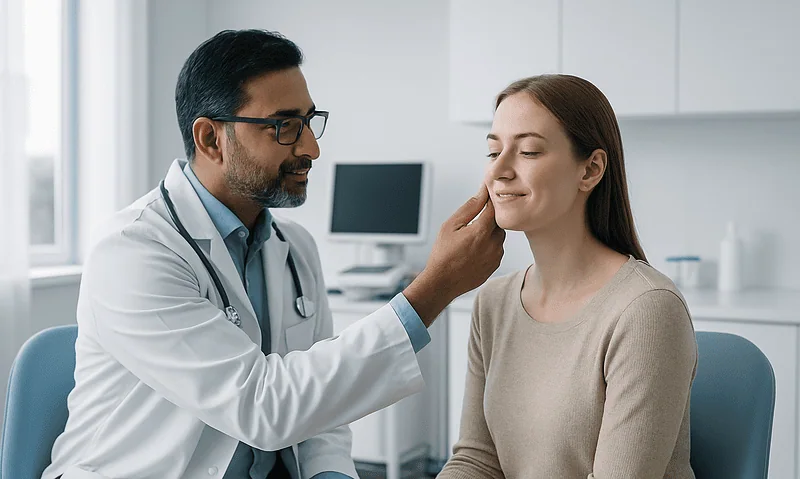
How Dimple Creation Surgery Is Done: The Inside-the-Cheek Incision and Anchoring Suture
Dimpleplasty is a short outpatient procedure, usually done under local anesthesia, in which a surgeon marks the desired spot on the cheek, makes a…

Do Surgical Dimples Look Natural? How Dimpleplasty Results Settle Over the First Months
Surgical dimples can look natural, but rarely in the first weeks. Dimpleplasty results usually begin as a fixed indentation that shows even when the…
Doctors Performing This Treatment



Aesthetic Plastic & Reconstructive Surgery
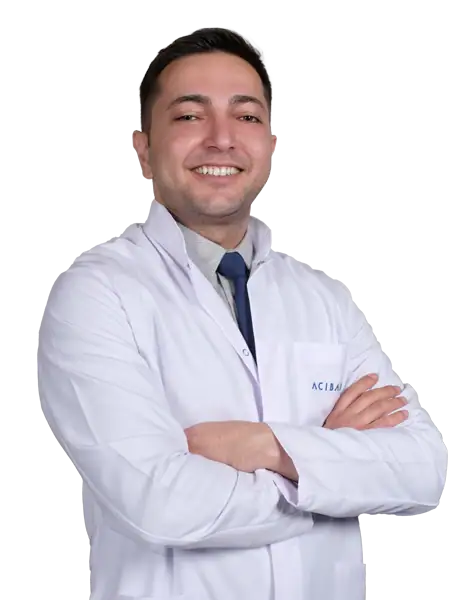
Prof. Mehmet Veli Karaaltın, MD


Aesthetic Plastic & Reconstructive Surgery
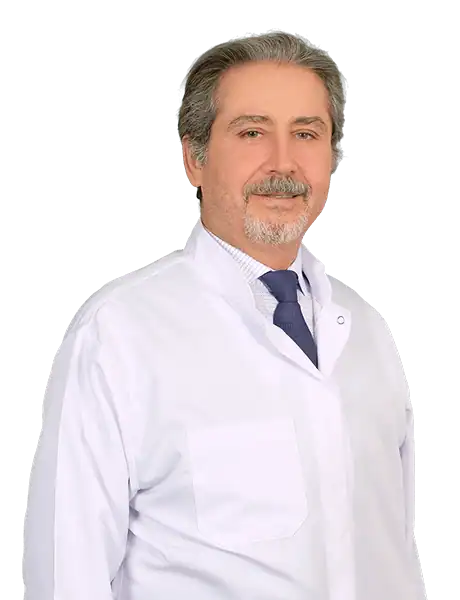
Assoc. Prof. Erdem Güven, MD

Aesthetic Plastic & Reconstructive Surgery
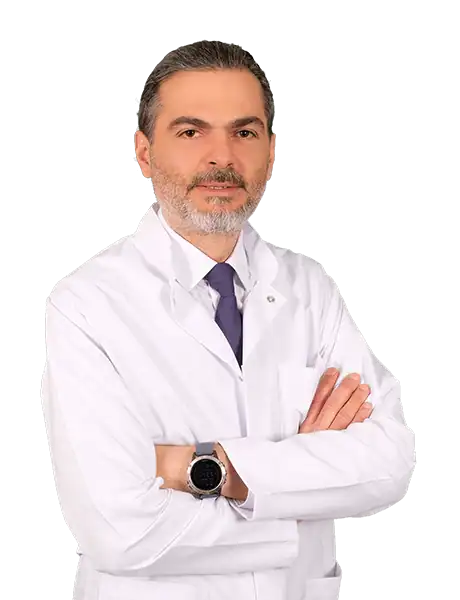
Assoc. Prof. Ahmet Küçükçelebi, MD
Aesthetic Plastic & Reconstructive Surgery
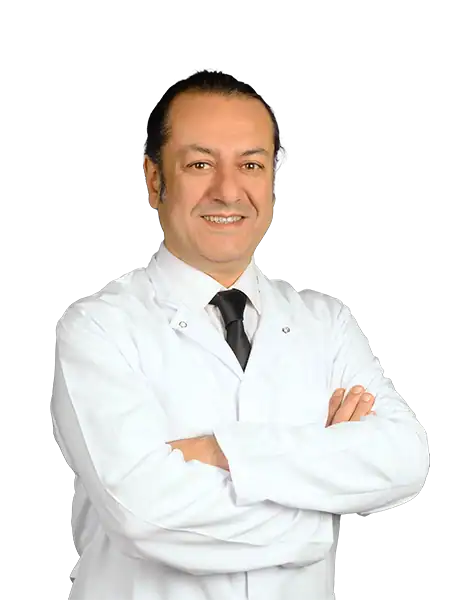
Assoc. Prof. Mehmet Altıparmak, MD

Aesthetic Plastic & Reconstructive Surgery