Facial Aesthetics
Facial aesthetics improves facial harmony and signs of aging through personalized surgical procedures such as lifting, contouring, and reshaping performed by plastic surgery specialists.
Quick answer
Facial aesthetics is a group of plastic surgery procedures used to improve facial harmony, refine contours, and reduce visible signs of aging by lifting, reshaping, or restoring facial structures. At Acibadem in Turkey, facial aesthetic treatment is planned individually by plastic surgery specialists and may include techniques such as facelift, eyelid surgery, nose reshaping, or chin and cheek contouring, depending…
Facial Aesthetics: A Thoughtful Decision About How You Want to Look and Feel
Considering facial aesthetic treatment is often a deeply personal decision. Some people begin researching because they feel their face no longer reflects their energy, health or inner sense of self. Others are concerned about a specific feature, such as a heavy brow, loose neck skin, tired-looking eyes, facial asymmetry, a weak chin, prominent jowls or changes after weight loss. For international patients, the decision can feel even more complex: you may be comparing medical systems, evaluating surgeon credentials, worrying about recovery away from home and trying to understand what is realistic.
Facial aesthetics is not about creating a standardized appearance. The goal is to improve facial harmony while preserving identity, expression and proportion. In expert hands, facial aesthetic surgery is based on anatomy, balance, skin quality, age-related changes and the patient’s own goals. A natural result usually comes from careful planning rather than a single dramatic change. The most refined outcomes often combine small adjustments across several facial zones so that the face looks rested, balanced and authentic.
Treatment matters because the face is central to communication. The eyes, jawline, neck, nose, cheeks and lips all influence how others perceive emotion, age and vitality. When facial changes bother you, they can affect self-confidence, professional presence and social comfort. Some facial aesthetic concerns may also overlap with function, such as upper eyelid heaviness affecting vision, nasal shape affecting airflow or skin laxity causing irritation. A careful evaluation helps distinguish what is cosmetic, what is functional and what combination of treatments may be appropriate.
At Acibadem, facial aesthetics is approached as a personalized medical process led by plastic surgery specialists and supported by modern diagnostic pathways, anesthesiology teams and international patient coordination. For patients traveling from abroad, clarity is essential: what can be improved, what cannot, how recovery will feel and how treatment should be timed around travel. A responsible plan begins with honest assessment and ends with structured follow-up.
What Facial Aesthetics Means
Facial aesthetics refers to surgical and, in some cases, complementary non-surgical treatments designed to enhance facial balance, improve signs of aging and refine facial contours. In the context of surgical facial aesthetics, procedures may include lifting, reshaping, tightening, contouring or repositioning facial tissues. The exact approach depends on the individual’s anatomy and goals.
Common surgical facial aesthetic procedures include facelift, neck lift, eyelid surgery, brow lift, rhinoplasty, facial fat grafting, chin or cheek contouring, lip lift, neck liposuction and ear reshaping. Some patients need only one focused procedure, such as upper eyelid surgery. Others may benefit from a combined plan, such as facelift with neck lift and eyelid surgery, or rhinoplasty with chin contouring to improve profile balance.
A key principle is that facial aging does not happen only at the skin surface. Over time, skin loses elasticity, facial fat shifts, deeper support structures weaken and bone contours may become less prominent. Simply tightening skin may create an unnatural appearance if deeper tissues are not addressed appropriately. Modern facial aesthetic surgery generally focuses on restoring support, improving contour and allowing the skin to settle naturally over a better foundation.
Facial aesthetic treatment may also address congenital or acquired features unrelated to aging. For example, a person may seek correction of ear prominence, nasal asymmetry, facial imbalance after trauma or underdeveloped chin projection. In these situations, the goal is not rejuvenation but proportion and harmony.
Because every face is different, there is no universal “best” treatment. A high-quality plan considers facial shape, ethnicity, gender, skin thickness, scar tendency, medical history, prior procedures, lifestyle, expectations and recovery time. The treatment should be individualized rather than based only on trends or isolated before-and-after images.
Who May Need Facial Aesthetic Treatment?
People consider facial aesthetics for many reasons. Some are bothered by gradual aging changes, while others have long-standing concerns about a specific facial feature. The best candidates are usually individuals in good general health, with realistic expectations and a clear understanding of the recovery process.
Typical concerns that lead patients to consult a facial aesthetic surgeon include loose skin along the jawline, jowls, neck bands, under-eye bags, drooping upper eyelids, brow heaviness, deep facial folds, loss of cheek volume, double chin, nasal shape concerns, facial asymmetry, weak chin projection, prominent ears or changes after significant weight loss. Patients may say they look tired, sad, angry or older than they feel, even when well rested.
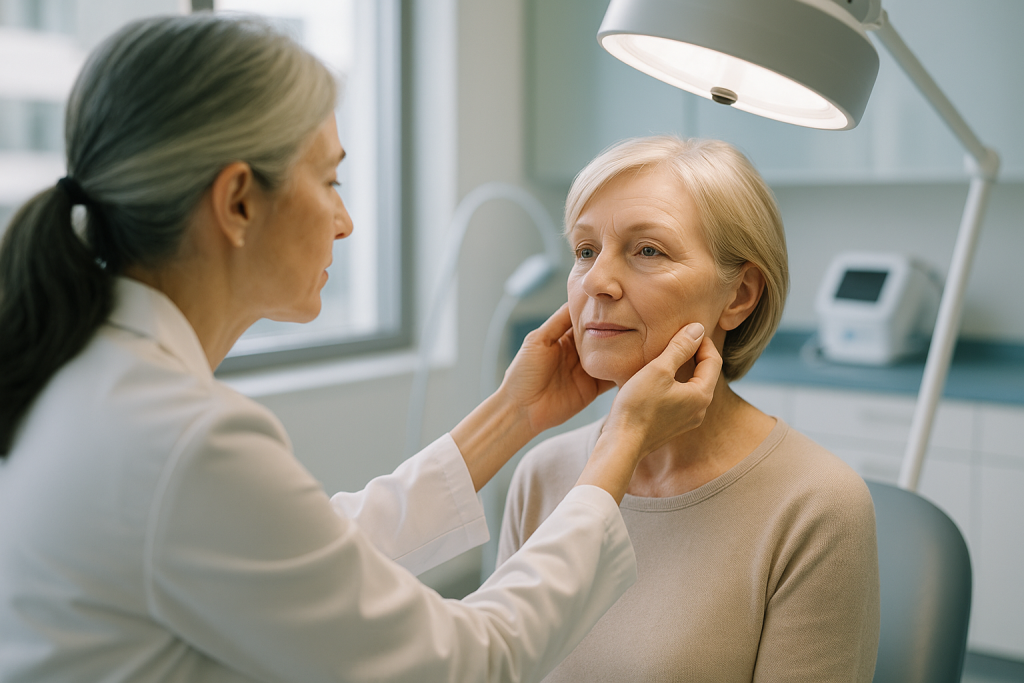
Diagnosis in facial aesthetics is based on a clinical evaluation rather than a single test. The surgeon examines facial proportions, skin quality, tissue laxity, bone structure, muscle activity, facial expressions and symmetry. Standardized medical photography is often used to document baseline anatomy and support surgical planning. In some cases, imaging studies may be needed, especially when nasal function, previous trauma, implants, dental occlusion or skeletal relationships are relevant.
A careful consultation also includes a medical review. Conditions such as uncontrolled hypertension, diabetes, bleeding disorders, autoimmune disease, smoking, active infection or certain medications can influence surgical timing and safety. Patients who have had previous facial surgery require especially detailed assessment because scar tissue and altered anatomy may affect planning.
International patients may begin with a remote medical review using photographs, medical history and treatment goals. This can help determine whether travel for in-person evaluation is appropriate. However, a final surgical plan is typically confirmed after face-to-face examination, because subtle tissue quality, facial movement and anatomy are best assessed directly.
Conditions and Indications Facial Aesthetics Can Address
Facial aesthetic procedures can address a broad range of concerns, from early signs of aging to structural imbalance. Treatment may be focused on one region or planned across multiple areas for a more balanced result.
- Facial aging: Loose skin, jowls, sagging cheeks, deep folds, neck laxity and loss of jawline definition may be improved with facelift, neck lift, fat grafting or related procedures.
- Eyelid and brow changes: Heavy upper lids, under-eye bags, excess eyelid skin or brow descent may be treated with blepharoplasty, brow lift or a combined approach. In selected cases, eyelid surgery may also improve peripheral vision.
- Neck and chin contour concerns: Fullness under the chin, vertical neck bands, loose neck skin or weak chin projection may be addressed with neck lift, liposuction, chin contouring or implant-based procedures.
- Nasal shape and balance: Rhinoplasty can refine nasal size, bridge shape, tip definition or asymmetry. When breathing is affected, functional nasal surgery may be considered as part of the plan.
- Volume loss and facial hollowing: Fat grafting or other volume restoration techniques may help restore youthful contour in the cheeks, temples, under-eye area or jawline when appropriate.
- Facial asymmetry: Mild to moderate asymmetry may be improved through contouring, lifting, fat grafting or structural procedures, depending on the cause.
- Prominent or misshapen ears: Otoplasty can reposition or reshape ears that protrude or have developmental contour differences.
- Post-weight-loss facial changes: Significant weight loss may leave excess skin or hollowing in the face and neck, requiring a tailored lifting and contouring plan.
- Revision needs: Some patients seek correction or refinement after previous aesthetic procedures. Revision surgery requires advanced planning and careful discussion of limitations.
Not every concern requires surgery. Some early changes may be managed with skin treatments, injectables or observation. A responsible surgeon will explain when non-surgical care is reasonable, when surgery is more effective and when treatment should be deferred for safety or expectation-related reasons.
How Facial Aesthetic Treatment Is Performed
Consultation and Personalized Planning
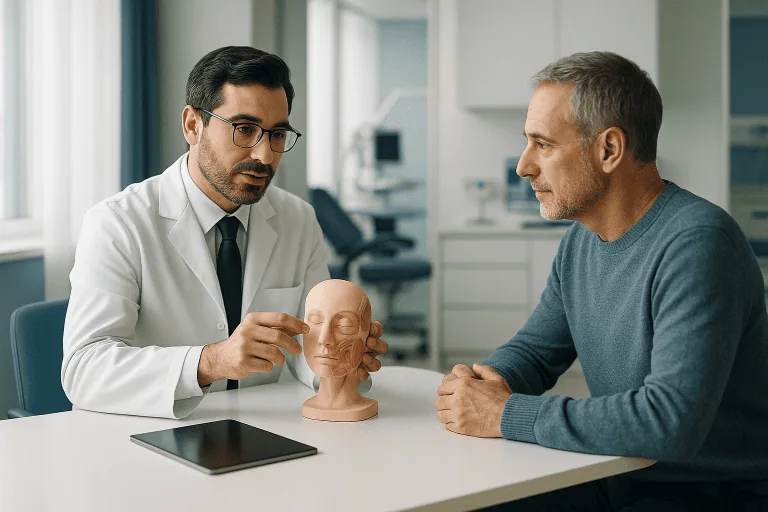
The process begins with a detailed consultation. Your surgeon will ask what bothers you, how long you have noticed the concern and what result would feel natural to you. This conversation is as important as the physical examination. The aim is to understand priorities and avoid unnecessary procedures.
The surgeon evaluates facial anatomy in repose and movement. Photographs may be taken from several angles. For some procedures, digital planning tools or three-dimensional imaging may be used to assess proportions and discuss possible changes. These tools help communication, but they are not a promise of an exact postoperative appearance. Human tissue heals individually, and final results depend on anatomy, technique and recovery.
A treatment plan may involve one procedure or a staged approach. For example, a patient with lower face and neck laxity may benefit from a facelift and neck lift, while another patient may achieve the desired improvement with eyelid surgery alone. Combining procedures can reduce the need for multiple anesthesia episodes, but it is recommended only when medically appropriate.
Medical Preparation Before Surgery
Before surgery, patients undergo medical evaluation to assess fitness for anesthesia and healing. This may include blood tests, electrocardiogram, imaging or specialist consultations depending on age, medical history and procedure complexity. Medications and supplements that increase bleeding risk may need to be adjusted under medical guidance. Smoking and nicotine use are particularly important because they can impair blood flow and wound healing; patients are typically advised to stop well before and after surgery.
International patients receive instructions about arrival timing, fasting, medication management, postoperative accommodation and when it is safe to fly home. Planning should allow enough time in Turkey for preoperative assessment and early postoperative review. The exact schedule depends on the procedure and the surgeon’s recommendation.
The Procedure Itself
Facial aesthetic surgery is usually performed in an operating room under local anesthesia with sedation or general anesthesia, depending on the procedure. An anesthesiology team monitors comfort and safety throughout. Surgical duration varies widely. A focused eyelid procedure may be relatively short, while a combined facelift, neck lift and eyelid surgery may take several hours.
During lifting procedures, incisions are placed in natural creases or along discreet boundaries when possible, such as around the ear, within the hairline or under the chin. The deeper tissues may be repositioned, excess skin is carefully removed and the skin is closed without excessive tension. In neck surgery, the surgeon may refine underlying muscle bands, remove selected fat or improve the angle between the chin and neck.
In eyelid surgery, excess skin, muscle or fat is adjusted through upper eyelid creases or lower eyelid approaches selected according to anatomy. In rhinoplasty, the surgeon reshapes cartilage, bone and soft tissue to improve nasal contour and, when needed, internal support for breathing. Facial fat grafting involves harvesting small amounts of fat from another area of the body, processing it and placing it in selected facial regions to restore volume.
Technology supports precision and safety. High-resolution imaging and standardized photography help with planning and documentation. Endoscopic or minimally invasive instruments may be used in selected brow or midface procedures to reduce incision length. Fine surgical instruments and magnification can support delicate tissue handling. Modern anesthesia monitoring, temperature control and sterile operating room systems contribute to patient safety. The value of technology lies not in replacing surgical judgment, but in helping the team plan, perform and monitor treatment more accurately.
Immediately After Surgery
After surgery, patients are monitored in a recovery area. Some procedures are outpatient, while others may require an overnight hospital stay. Dressings, compression garments, small drains or nasal splints may be used depending on the operation. Swelling, bruising, tightness, numbness and mild to moderate discomfort are expected early in recovery. Pain is usually managed with prescribed medication.
Patients receive detailed instructions about head elevation, wound care, showering, activity limits, medication use and signs that should prompt medical contact. Early follow-up visits allow the surgeon to check healing, remove sutures or drains if used and adjust care instructions. For international patients, these visits are scheduled with travel plans in mind.
Recovery and Return to Daily Life
Recovery depends on the procedure, the extent of surgery, individual healing and whether treatments are combined. Many patients can walk gently the day after surgery, but strenuous activity is restricted for several weeks. Bruising often improves significantly over the first two weeks, while swelling may take longer to settle. Social recovery, the point at which a patient feels comfortable being seen in public, varies by procedure and personal preference.
Final results develop gradually. Early swelling can obscure contours, and tissues need time to soften. Scars typically mature over months and continue to fade. A natural-looking outcome depends not only on the operation but also on careful postoperative care, sun protection, avoidance of smoking and realistic patience during healing.
Why Acting at the Right Time Matters
Facial aesthetic surgery is usually elective, so it is rarely an emergency. However, timing still matters. Acting at the right time can make treatment more predictable, reduce the need for more extensive correction later and support a smoother recovery. When facial tissues have moderate laxity rather than severe sagging, some procedures may be performed with less extensive adjustment. Waiting many years is not always harmful, but advanced skin laxity, marked volume loss or repeated non-surgical interventions may make surgical planning more complex.
There are also functional situations where delay can affect comfort or health. Heavy upper eyelids may interfere with vision or cause forehead strain. Nasal obstruction may affect sleep, exercise tolerance or quality of life. Loose skin folds can cause irritation in some patients. In these cases, evaluation can clarify whether the issue is cosmetic, functional or both.
Delaying treatment for the wrong reasons can also lead to decision fatigue. Patients may spend years trying temporary solutions that do not address the underlying anatomy. Conversely, rushing into surgery without adequate planning can lead to disappointment. The best timing is when the concern is stable, the patient is medically prepared, expectations are realistic and the recovery period can be protected.
Benefits of Facial Aesthetic Treatment
The potential benefits depend on the procedure performed, but the most meaningful results usually relate to balance, comfort and natural facial expression.
| Benefit | What It Means for You |
|---|---|
| Improved facial harmony | Features such as the nose, chin, cheeks, jawline and neck can be brought into better proportion, helping the face appear more balanced from the front and profile. |
| A more rested appearance | Eyelid, brow, facelift or volume procedures may reduce the tired or heavy look caused by sagging tissue, under-eye fullness or facial hollowing. |
| Sharper jawline and neck contour | Neck lift, facelift, chin contouring or liposuction may improve definition in areas that are difficult to change with diet, exercise or skin care alone. |
| Longer-lasting structural improvement | Surgical procedures address deeper tissue position and contour, so results can be more durable than surface-level or temporary treatments, although aging continues naturally. |
| Potential functional improvement | In selected cases, eyelid or nasal procedures may improve vision, airflow or daily comfort when functional anatomy is part of the concern. |
| Personalized, natural-looking change | A carefully planned approach aims to preserve identity and expression rather than make the face look operated on or overly altered. |
Recovery Timeline After Facial Aesthetic Procedures
Recovery varies by procedure and patient, but the following timeline gives a general sense of what many patients can expect after facial aesthetic surgery.
| Time Period | What Patients Can Expect |
|---|---|
| Day 1 | Monitoring after surgery, swelling and tightness, dressings or compression if needed, gentle walking and careful head elevation. Some patients stay overnight depending on the procedure. |
| First Week | Bruising and swelling are usually most noticeable. Follow-up visits may include wound checks, dressing changes, drain removal or suture assessment. Rest and limited activity are important. |
| First Month | Many patients return to desk-based work and light social activities as bruising improves. Exercise is gradually reintroduced only with the surgeon’s approval. Swelling continues to decrease. |
| Three to Six Months | Facial contours look more refined, scars begin to mature and tissues feel softer. Residual swelling may persist in areas such as the nose, jawline or under the eyes. |
| Longer Term | Results continue to settle. Scar maturation and subtle contour refinement may continue for a year or more, especially after rhinoplasty or more extensive lifting procedures. |
What Influences a Good Facial Aesthetic Result?
A successful facial aesthetic result is not measured only by how much change is visible. It is measured by whether the face looks balanced, natural and appropriate for the patient’s age, anatomy and goals. Several factors influence this outcome.
Patient selection is essential. Good candidates are medically fit, understand the limitations of surgery and have stable, realistic goals. Patients seeking perfection or hoping surgery will resolve unrelated personal stress may need more time, counseling or a different approach before proceeding.
Surgeon experience and judgment strongly affect planning and execution. Facial aesthetic surgery requires detailed understanding of anatomy, tissue behavior, scar placement and proportion. The surgeon must know when to operate, when to combine procedures and when a simpler approach may be better.
Skin quality and tissue characteristics influence healing and longevity. Thick skin, thin skin, sun damage, poor elasticity, previous scars and pigmentation tendencies can all affect what is possible. Some patients may need skin treatments before or after surgery to improve texture and tone, while others may need realistic counseling about limitations.
Overall health and lifestyle are also important. Smoking, uncontrolled medical conditions, poor nutrition and certain medications can increase risks. Good blood pressure control, stable weight, healthy protein intake, hydration and sun protection support recovery. Weight fluctuations after surgery can alter facial contours, especially after lifting or fat grafting.
Technical planning matters because facial regions are interconnected. Treating one area in isolation may create imbalance. For example, refining the nose may change how the chin is perceived; lifting the lower face may reveal untreated eyelid heaviness; restoring cheek volume may improve the transition between the lower eyelid and midface. A comprehensive assessment helps avoid mismatched results.
Postoperative care influences healing. Following instructions about wound care, activity restriction, head elevation, compression, medications and follow-up visits reduces avoidable problems. Patients traveling internationally should stay long enough for early postoperative review and should have a clear plan for communication after returning home.
As with any surgery, facial aesthetic procedures carry risks. These may include bleeding, infection, delayed wound healing, visible scarring, asymmetry, changes in sensation, unfavorable swelling, anesthesia-related risks, dissatisfaction with appearance or the need for revision. Serious complications are uncommon in appropriately selected patients, but they must be discussed openly before surgery. Informed consent is an important part of responsible care.
Why International Patients Choose Acibadem for Facial Aesthetics
International patients considering facial aesthetic surgery abroad often want more than a surgical appointment. They need a medical environment that can evaluate them safely, communicate clearly, coordinate logistics and provide continuity before and after travel. Acibadem’s approach to facial aesthetics reflects these needs.
Care is delivered in JCI-accredited hospitals where surgical safety, infection control, anesthesia protocols and patient processes are structured according to internationally recognized standards. For patients coming from the United States or other countries, this can make the care pathway more familiar and easier to evaluate. Accreditation does not replace personal medical judgment, but it provides an important framework for quality and safety.
Facial aesthetic treatment at Acibadem is led by physicians experienced in plastic, reconstructive and aesthetic surgery. Depending on the patient’s needs, care may involve anesthesiologists, dermatology specialists, ear, nose and throat specialists, ophthalmology specialists, dental or maxillofacial teams, radiology and internal medicine. This multidisciplinary model is especially important when aesthetic concerns overlap with function, such as eyelid heaviness, nasal breathing problems, facial trauma history or complex revision surgery.
Specialist boards and collaborative case discussions may support decision-making for patients with more complex anatomy, previous operations or medical risk factors. Evidence-based protocols help guide evaluation, anesthesia planning, infection prevention, postoperative monitoring and follow-up. The goal is not to apply the same plan to every patient, but to build a treatment strategy around anatomy, safety and the desired degree of change.
Technology supports the patient journey from consultation to recovery. Standardized medical photography and imaging help document anatomy and plan surgery. Digital tools may assist in discussing proportions and likely directions of change. In the operating room, modern monitoring systems, refined surgical instruments and procedure-specific techniques help the team operate with precision. For selected procedures, endoscopic approaches or limited-incision methods may be considered when they fit the patient’s anatomy and goals.
Acibadem International supports patients traveling from abroad with coordination in more than 20 languages. This may include appointment planning, medical record transfer, translation support, hospital admission guidance and communication with clinical teams. For many patients, language access and organized coordination reduce uncertainty during a time when they are making important medical decisions away from home.
Another important reason patients choose Acibadem is the emphasis on personalized treatment planning. A premium facial aesthetic experience is not defined by doing more procedures. It is defined by doing the right procedure, for the right patient, at the right time. Some patients are advised to have a focused operation. Others may be better served by staging treatment. In some cases, surgery may be postponed until health factors are optimized. This type of judgment is central to patient safety and credible outcomes.
For international patients seeking a second opinion, Acibadem can review photographs, medical history and prior procedure details to provide an initial perspective. When surgery is appropriate, the in-person consultation confirms the plan and allows the surgeon to assess tissue quality, facial movement and expectations directly. Patients are encouraged to ask detailed questions about incision placement, anesthesia, recovery, scarring, travel timing and long-term maintenance.
Moving Forward With Confidence and Clarity
Facial aesthetic surgery is a meaningful decision. It involves your appearance, your health, your time and your trust in a medical team. The right plan should feel clear, proportionate and medically responsible. You should understand what the procedure can improve, what it cannot change, how recovery is likely to unfold and what role you play in the final outcome.
If you are considering facial aesthetics, the next step is a specialist consultation or second opinion. Sharing your concerns, photographs, medical history and previous treatment details can help the team determine which options are appropriate. For international patients, early planning also helps align surgery, recovery and travel in a safe and practical way.
Acibadem’s facial aesthetic teams aim to provide careful evaluation, advanced surgical planning and coordinated international patient support for people seeking natural, balanced facial improvement. Whether your goal is rejuvenation, contour refinement, functional improvement or revision assessment, a personalized consultation can help you make an informed decision.
This information is general and is not a substitute for professional medical advice, diagnosis or treatment. A qualified physician should evaluate your individual condition and recommend the most appropriate options for you.
Preparation
- A plastic surgery consultation evaluates facial structure, skin quality, medical history, and expectations. Patients may need photographs, blood tests, and anesthesia assessment before surgery. Smoking, alcohol, and blood-thinning medications are usually avoided as advised by the doctor.
Aftercare
- Swelling, bruising, and tightness are common in the first days and gradually improve. Patients should keep the head elevated, avoid strenuous activity, and follow wound care and medication instructions. Follow-up visits help monitor healing and results.
Frequently Asked Questions
What affects the cost of facial aesthetics?
The final cost depends on the selected procedure, whether procedures are combined, surgeon experience, hospital setting, anaesthesia, medical tests, recovery needs, and travel services. A specialist assessment is required for an accurate plan.
How can I get a personalised quote from Acibadem?
You can request a free consultation by sharing your goals, medical history, facial photographs if requested, and any previous surgery details. The medical team reviews your information and provides a personalised treatment plan and quote.
Are travel and accommodation included in the package?
Some international patient packages may include coordination support such as translation, transfers, appointments, and hotel guidance. Inclusions vary by treatment plan, so they should be confirmed before booking.
Does a lower package price mean lower quality?
Not necessarily. Cost is influenced by local healthcare expenses, package structure, hospital model, and travel logistics. Patients should compare surgeon credentials, hospital accreditation, safety protocols, and aftercare rather than price alone.
Can I choose the exact facial aesthetic procedure I want?
Your preferences are important, but suitability is decided by a plastic surgery specialist after assessment. The recommended option depends on anatomy, skin quality, health status, expectations, and whether the procedure can be performed safely.
Medically reviewed by the Acıbadem International Medical Board June 20, 2026
See our medical review board →
Update history
- PublishedJune 8, 2026
- Medical review approvedJune 20, 2026
- Last content updateJune 8, 2026
Trusted care for international patients
From the Acibadem Blog

Is Facial Aesthetic Surgery Different After 60? Age, Medications and Healing Considered
Facial aesthetic surgery after 60 is not ruled out by age itself; surgeons weigh overall health, medications and healing capacity rather than birthdays. Older…
Facial Aesthetic Surgery Preparation: Photographs, Blood Tests and the Smoking Question
Preparing for facial aesthetic surgery usually means three things in the weeks before the operation: standardized photographs so the surgeon can plan and later…

Facial Aesthetic Surgery Recovery: Head Elevation, Bruising Stages and Return to Work
Facial surgery recovery time runs on three overlapping clocks. Dressings, drains and sutures are usually dealt with within the first week; visible bruising and…
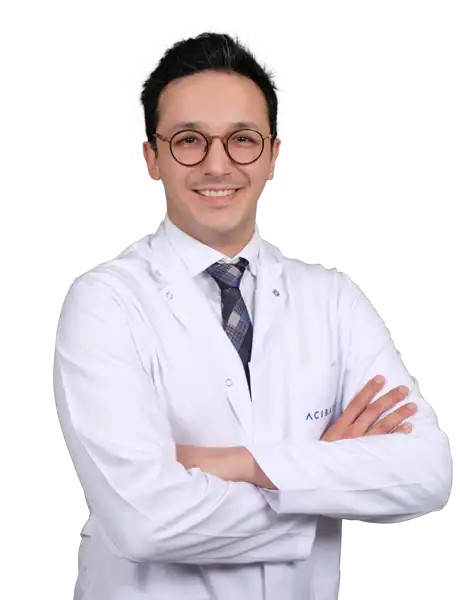
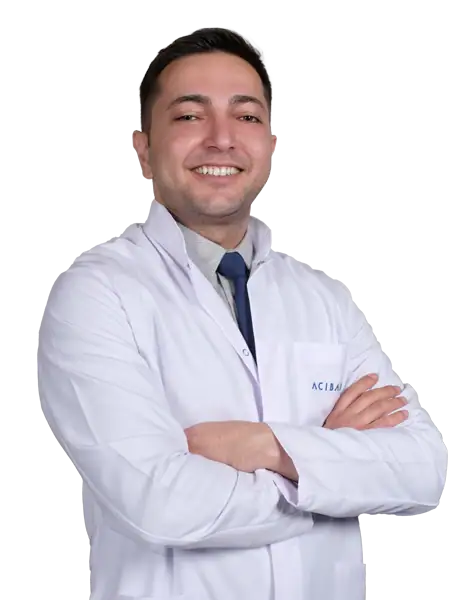
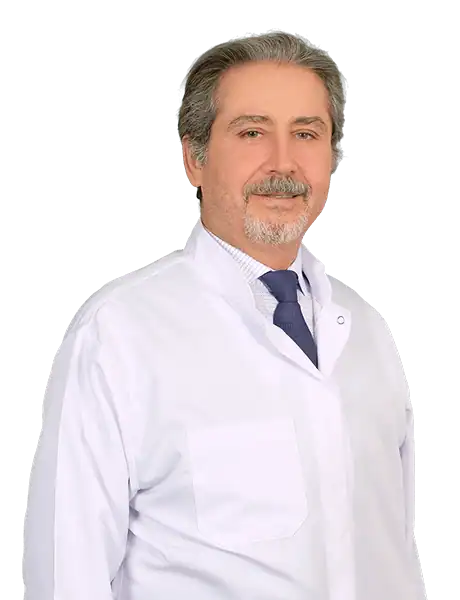
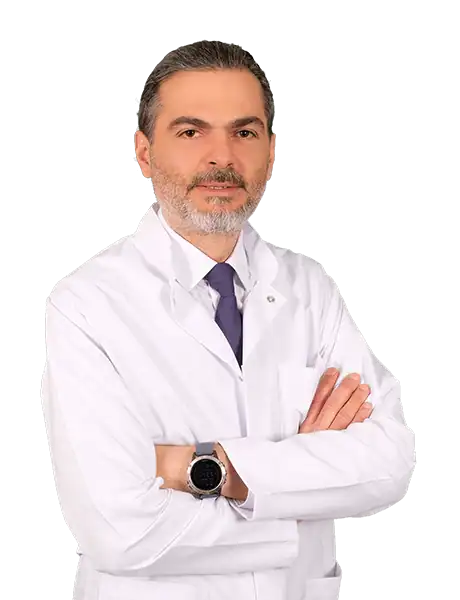
Doctors Performing This Treatment


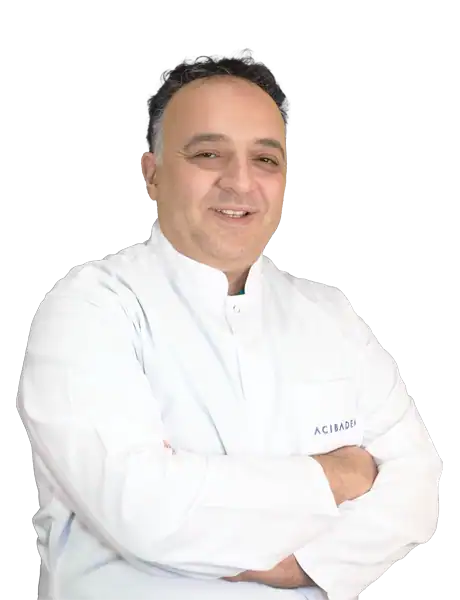
Aesthetic Plastic & Reconstructive Surgery
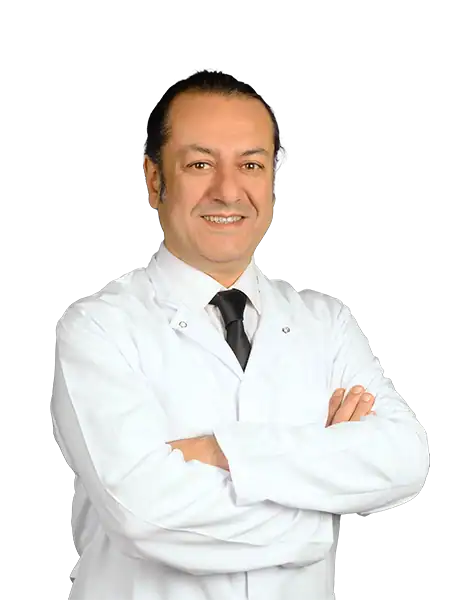
Prof. Mehmet Veli Karaaltın, MD

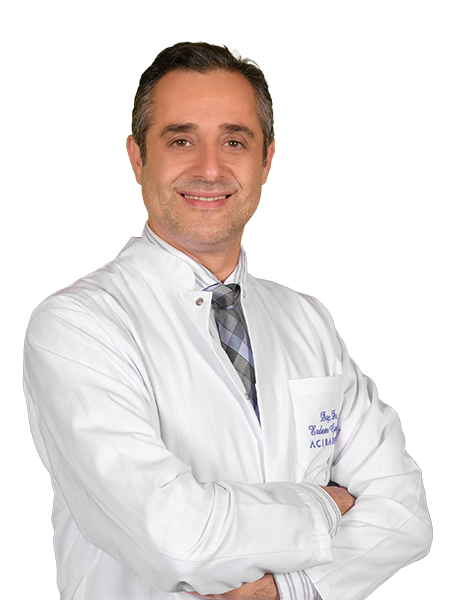
Aesthetic Plastic & Reconstructive Surgery
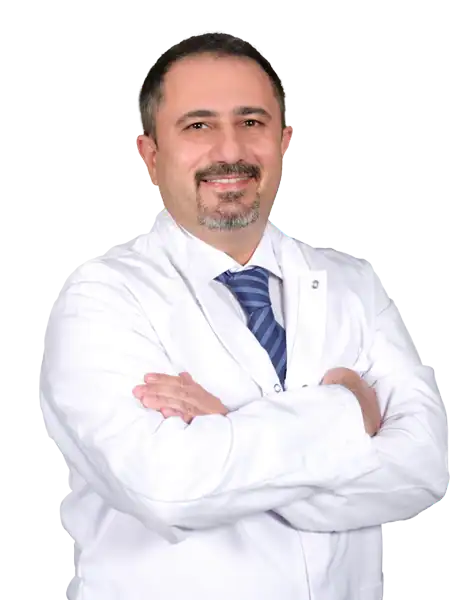
Assoc. Prof. Erdem Güven, MD

Aesthetic Plastic & Reconstructive Surgery
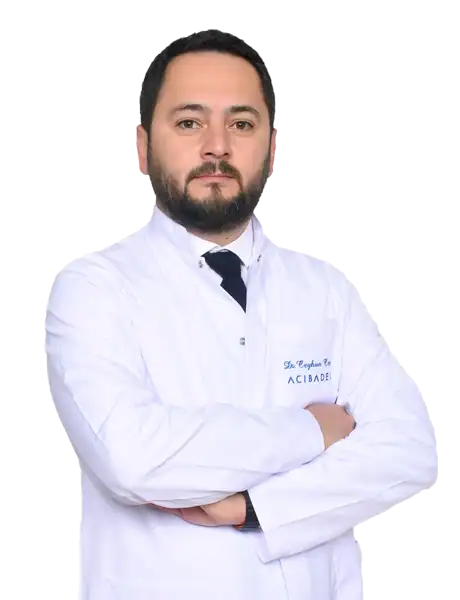
Assoc. Prof. Ahmet Küçükçelebi, MD
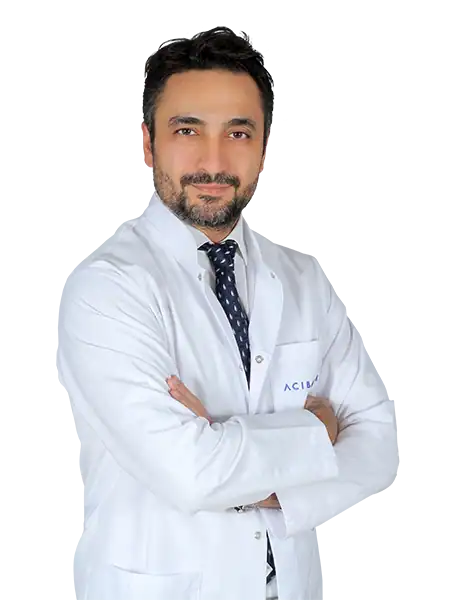
Aesthetic Plastic & Reconstructive Surgery
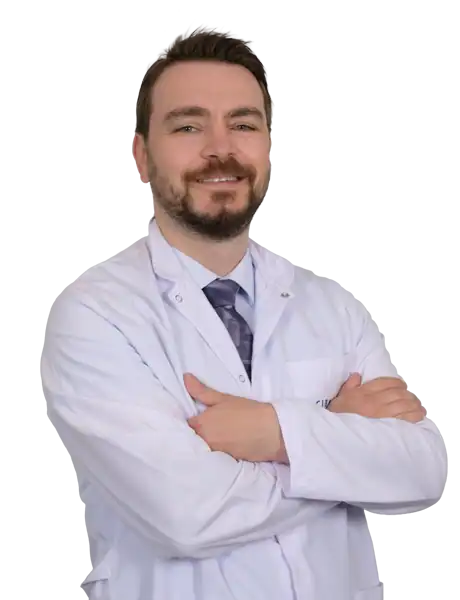
Assoc. Prof. Mehmet Altıparmak, MD

Aesthetic Plastic & Reconstructive Surgery