Integrative Dentistry
Integrative dentistry combines modern dental care with whole-person assessment, focusing on oral health, prevention, materials biocompatibility, nutrition, and links between dental conditions and overall wellness.
Quick answer
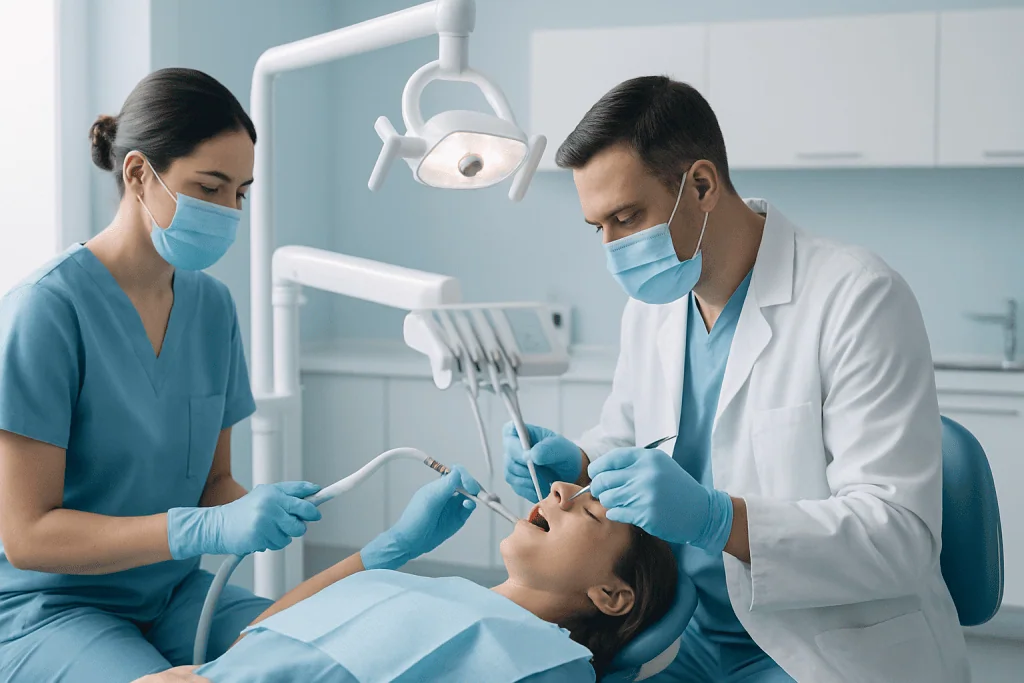
Integrative dentistry combines conventional, evidence-based dental treatment with a whole-person assessment of health. The dentist evaluates teeth, gums, bite, jaw joints and oral tissues alongside medical history, medications, nutrition, sleep and lifestyle, then plans procedures — from cleanings and fillings to implants and full-mouth rehabilitation — in a sequence tailored to the individual. Material selection, prevention and coordination with physicians are central to the approach.
Integrative Dentistry: Dental Care That Looks Beyond a Single Tooth
Integrative dentistry is a comprehensive model of dental care that combines conventional, evidence-based dental treatment with an assessment of your overall health. It treats teeth, gums, jaw joints and oral tissues while taking into account your medical history, medications, nutrition, sleep, bite function and the materials placed in your mouth. It suits patients who want dental problems diagnosed and treated in the context of the whole body, not one tooth at a time.
Many people begin searching for integrative dentistry after years of recurring dental problems: unexplained sensitivity, gum inflammation that keeps returning, jaw discomfort, or concerns about the materials used in previous dental work. Others are not in pain at all. They simply want a more preventive, comprehensive approach that considers how oral health may influence the rest of the body. Either way, the underlying questions are the same: what is actually wrong, what does the evidence support, and in what order should treatment happen so that the result lasts.
The starting point is a simple observation: the mouth is not separate from the body. Gum disease, dental infections, bite imbalance, sleep-related breathing problems, nutrition, oral hygiene habits and the choice of restorative materials can all affect comfort, function and long-term wellness. The relationship runs in the other direction too. Medical conditions such as diabetes, cardiovascular disease, autoimmune disorders, pregnancy-related changes, osteoporosis and cancer treatment — as well as certain medications — can affect the mouth and change the way dental treatment should be planned.
This approach is especially valuable when dental care is not a single procedure but a sequence of decisions. Should an infected tooth be saved or removed? Which filling or crown material is most suitable for this tooth, in this mouth, in this patient? Is gum inflammation a matter of hygiene alone, or is a broader inflammatory or metabolic factor involved? Could headaches or jaw pain be connected to how the teeth meet? Is a dental implant appropriate in someone with bone loss or chronic disease? Integrative dentistry aims to answer these questions with careful examination, modern diagnostics and a treatment plan built around the individual, not a template.
One point is worth stating plainly. The goal is not to replace conventional dentistry with unproven alternatives. Integrative dentistry brings together contemporary dental science, prevention, careful material selection where appropriate, nutrition-aware counselling, periodontal health, restorative care, implant dentistry, oral surgery, orthodontics, endodontics and collaboration with medical specialists when a case needs it. For patients who are anxious or medically complex, this broader planning can make dental care feel more organised, more transparent and better aligned with their health priorities.
What is integrative dentistry?
Integrative dentistry is a way of practising dentistry that combines conventional diagnosis and treatment with whole-person assessment. It examines teeth, gums, jaw joints, muscles, oral tissues, airway, bite function, diet, lifestyle habits, medical history, medications and patient preferences before deciding on treatment. The plan itself may include entirely standard procedures — fillings, crowns, root canal therapy, periodontal treatment, dental implants, tooth extractions, orthodontics, professional cleaning, oral surgery or cosmetic restorations. What makes the approach integrative is not a different set of procedures. It is the way those procedures are selected, sequenced and personalised, and the attention paid to why a problem developed in the first place.
What does integrative dentistry mean?
In practice, integrative dentistry means reading oral disease as part of a broader health pattern rather than an isolated event. Periodontal disease is a good example: it is a chronic inflammatory condition involving bacterial biofilm and the body’s immune response, and it is associated with several systemic health concerns, including diabetes control and cardiovascular risk — although dental treatment is only one part of overall medical care, never a replacement for it. The same logic applies elsewhere. Dry mouth may be linked to medications or autoimmune disease. Enamel erosion may reflect reflux, an acidic diet or an eating disorder. Recurrent cavities may involve saliva quality, the oral microbiome, how often carbohydrates are eaten, enamel strength and home-care technique. An integrative dentist treats the damage and investigates the pattern behind it.
What is integrated dentistry, and is it the same thing?
Integrated dentistry is, for most purposes, the same concept described from a slightly different angle. Where “integrative” tends to emphasise the whole-person philosophy — connecting oral findings to general health, lifestyle and prevention — “integrated” often emphasises coordination: an integrated dental team working across periodontology, oral surgery, prosthodontics, endodontics and orthodontics, and communicating with physicians where a patient’s medical condition affects treatment. When clinics describe integrated dental care, they usually mean both things at once: one plan, several specialties, and a patient whose general health is part of every decision. In everyday use, patients searching for either term are looking for the same kind of care.
What is integrative medicine and dentistry?
Integrative medicine and dentistry describes the application of integrative medicine’s core principles — treating the person rather than the disease, prioritising prevention, considering lifestyle and nutrition, and coordinating across disciplines — to oral health. In responsible hands, this remains firmly evidence-based. It does not mean rejecting X-rays, anaesthesia, root canal therapy or fluoride on principle, and it does not mean substituting supplements for treatment of infection. It means that a dentist planning your care asks about your sleep, your medications, your diet and your medical conditions because those answers genuinely change what is safe, what is likely to last and what should be done first.
Integrative Dentistry and Holistic Dentistry: What Is the Difference?
The two terms overlap heavily, and many clinics use them interchangeably. Both describe dentistry that considers the whole patient, pays attention to materials and emphasises prevention — you can read more about the related philosophy on our holistic dentistry page. The practical difference, where one exists, is that integrative dentistry keeps the full conventional toolkit and adds whole-person assessment on top, while some practitioners who describe themselves as strictly holistic decline certain established procedures as a matter of policy. An integrative dentist makes those calls case by case, on clinical evidence, rather than ruling whole categories of treatment in or out in advance.
Why do holistic dentists not do root canals?
Some holistic practitioners avoid root canal treatment because of concerns descended from the old “focal infection” theory — the idea that a treated tooth might harbour bacteria that affect distant organs. Mainstream dental science regards root canal therapy as a well-established treatment for infected teeth, performed to remove infected tissue, disinfect the canal system and preserve the natural tooth. An integrative approach does not reject the procedure. Instead, the dentist assesses each tooth’s prognosis individually: a tooth with a vertical fracture or too little remaining structure may genuinely be better removed and replaced, while a tooth with treatable root canal anatomy and good bone support may be worth saving. The decision follows the evidence and the individual case, not a blanket rule.
Do holistic dentists fill cavities?
Yes — holistic and integrative dentists both treat cavities, most commonly with tooth-coloured, metal-free materials such as composite resin or ceramic. Tooth decay is a bacterial process; left alone, it progresses towards the nerve, and no lifestyle change reverses a cavity that has broken through enamel. Where the integrative approach differs from purely repair-focused care is in the second question it asks: why is decay happening? Saliva quality, dry mouth, snacking frequency, acidic drinks, cleaning technique and existing restorations that trap plaque can all keep the cycle going. Treating the cavity and the cause together is the point of the approach.
Materials deserve a word of their own, because they are one of the most common reasons patients seek this kind of care. Dental restorations remain in contact with oral tissues for many years, so selection matters. Modern dentistry offers ceramics, composite resins, zirconia, titanium implants and other materials, each with benefits and limitations. In patients with allergies, known sensitivities, concerns about metal, strong aesthetic priorities or complex medical histories, the dental team may recommend additional evaluation and a careful, honest discussion of options. No material is ideal for every patient or every tooth. The aim is to use materials that are functional, durable, suitable for the clinical situation and compatible with the patient’s needs — and to explain the trade-offs plainly before anything is placed.
Who May Benefit From Integrative Dentistry
Integrative dentistry may be appropriate for anyone who wants dental care that considers general health, prevention and individualised decision-making. It is often chosen by patients who have had repeated dental treatment yet continue to have problems, and by people with chronic medical conditions, multiple restorations, concerns about dental materials, gum disease, dental anxiety or complex needs that cross several specialties.
The symptoms and concerns that bring patients to this approach are varied: bleeding gums, persistent bad breath, loose teeth, recurring cavities, cracked or worn teeth, sensitivity to hot or cold, jaw pain, headaches related to clenching or grinding, clicking or locking of the jaw joint, facial muscle tension, tooth discolouration, missing teeth, ill-fitting crowns or dentures, and chronic dental infections. Some patients have no obvious symptoms at all but want a genuinely comprehensive evaluation before committing to major treatment such as full-mouth rehabilitation, implant therapy or replacement of older dental work. That is a reasonable instinct: extensive dentistry built on an incomplete diagnosis tends to need redoing.
Diagnosis begins with a detailed conversation. Your dentist will ask about your dental history, medical conditions, medications, allergies, previous reactions to dental materials, nutrition, oral hygiene routine, sleep quality, stress-related clenching, tobacco or nicotine use, and what you actually want from treatment. Existing dental records, X-rays, CT scans, photographs and medical reports can be reviewed in advance when they are available. This helps estimate the scope of care, plan appointments more efficiently and identify early whether specialist input will be needed.
The clinical examination typically covers teeth, gums, bite, jaw joints, oral soft tissues, existing restorations, missing teeth, bone support, saliva and any signs of infection or inflammation. Digital imaging may be used to evaluate hidden decay, root structure, bone volume, impacted teeth, cysts, abscesses, implant sites or sinus proximity. Periodontal charting measures gum pocket depths and bleeding points around every tooth. In selected cases, additional tests may be considered: microbiological assessment, salivary evaluation, allergy or sensitivity assessment through appropriate medical channels, or direct collaboration with physicians managing diabetes, autoimmune disease, osteoporosis or heart disease.
Patients who tend to benefit particularly from integrative dental planning include those who:
- Need several dental procedures and want them planned in a logical, safe sequence.
- Have gum disease, bone loss, or repeated inflammation around teeth or implants.
- Are concerned about the safety, durability or compatibility of dental materials.
- Have chronic medical conditions that may affect healing or infection risk.
- Experience jaw pain, tooth wear, clenching, grinding or bite instability.
- Have recurrent cavities despite regular dental visits.
- Need dental implants, crowns, bridges, veneers, orthodontic care or full-mouth rehabilitation.
- Want prevention-focused dental care with attention to nutrition and daily habits.
- Are seeking a second opinion before removing teeth or replacing extensive dental work.
Conditions and Indications Addressed by Integrative Dentistry
Integrative dentistry applies across most areas of dental care. It is not limited to one disease or one procedure; it is a way of assessing and treating oral conditions while keeping the patient’s overall health and long-term goals in view.
One of the most common indications is periodontal disease. Gum inflammation and bone loss threaten tooth stability and may also reflect broader inflammatory or metabolic factors. Treatment may include deep cleaning, periodontal maintenance, laser-assisted or surgical periodontal therapy when indicated, coached improvements in home care, risk-factor modification and coordination with physicians when diabetes or other systemic conditions are present. Because periodontal disease is chronic, the plan always includes what happens after active treatment, not just the treatment itself.
Restorative needs are the second large group. Patients with cavities, broken fillings, cracked teeth, worn enamel or ageing crowns may need tooth-coloured restorations, ceramic inlays or onlays, crowns, or staged restorative dentistry up to full-mouth rehabilitation. The integrative difference is that the dentist evaluates not only the damaged tooth but the reason for the damage: bite overload, an acidic diet, reflux, dry mouth, grinding, hygiene challenges or plain material failure. Repairing a tooth without addressing the force or chemistry that broke it invites the same failure again.
Dental infections are a third important area. A tooth abscess, a failed root canal, deep decay or chronic infection around a tooth affects comfort, function and sometimes wider health planning. Depending on the tooth’s condition, treatment may involve root canal therapy, retreatment, surgical endodontics, extraction, bone grafting or implant planning. The decision rests on prognosis, infection control, bone support, the patient’s health and the patient’s own preference after an honest discussion of risks and alternatives — including the option of doing less.
Missing teeth are addressed with the same breadth. Tooth loss affects chewing, speech, jawbone volume, facial support and the stability of neighbouring teeth, which drift into gaps over time. Options may include dental implants, implant-supported bridges, conventional bridges, removable dentures or combinations of these. Planning weighs bone quality, gum health, smile aesthetics, bite forces, systemic health and — often overlooked — the patient’s realistic ability to maintain the result at home.
Other indications include temporomandibular joint disorders, bruxism, sleep-related oral signs, erosion from reflux or acidic diet, oral dryness, mucosal lesions, cosmetic concerns, orthodontic problems, and dental care before or after medical treatment. Patients preparing for cancer therapy, organ transplantation, heart valve procedures or certain bone-modifying medications may require dental clearance and careful infection management first. In those situations, coordination between the dental and medical teams is not a luxury; it is part of doing the job safely.
Nutrition runs through many of these indications. Frequent sugar exposure feeds the bacteria that cause decay, and how often carbohydrates are eaten matters more than the total amount, because each exposure lowers the pH at the tooth surface and enamel needs time to recover between episodes. Acidic drinks — including many sugar-free ones — erode enamel directly. Saliva is the mouth’s natural defence, buffering acid and returning minerals to the tooth surface, which is why dry mouth caused by medication, dehydration or mouth breathing raises decay risk noticeably. Adequate protein and micronutrients support gum tissue and healing after surgical procedures. Integrative dental planning treats these factors as part of the diagnosis: dietary counselling is not an add-on, it is one of the levers that determines whether treatment lasts.
Should dentistry integrate with medicine?
In many situations, yes — and in some, it must. Diabetes and periodontal inflammation influence each other, so a dentist treating advanced gum disease benefits from knowing how well a patient’s diabetes is managed. Patients taking anticoagulants need oral surgery planned with bleeding risk in mind, in communication with the prescribing physician. Bone-modifying drugs used for osteoporosis or cancer care change how extractions and implants are approached. Pregnancy alters gum response and treatment timing. Cancer therapy, transplantation and cardiac procedures may all require the mouth to be cleared of infection beforehand. Dentistry does not replace medical care in any of these scenarios, and a dentist never adjusts a patient’s medication — that decision belongs to the treating doctor. What integration does is reduce preventable risk by making sure both sides of the patient’s care are planned with the same information.
How does holistic dentistry integrate sleep health?
Holistic and integrative dentists integrate sleep health mainly through screening: the mouth often shows signs that point towards sleep-related problems before the patient connects them. Flattened, worn tooth surfaces suggest night-time grinding. A scalloped tongue edge, narrow dental arches, habitual mouth breathing, dry mouth on waking and morning jaw or head tension are all findings a dentist can observe during a routine examination. None of these amounts to a diagnosis — sleep disorders are diagnosed medically — but a dentist who notices the pattern can raise it, recommend medical sleep assessment and, where a physician has diagnosed a suitable condition, contribute to treatment with appliance therapy or protective night guards under medical guidance. Screening for these signs during dental visits is a practical example of the integrative principle at work.
How does pediatric orthodontics integrate with dentistry?
Pediatric orthodontics integrates with dentistry through routine monitoring: during ordinary check-ups, a children’s dental team tracks jaw growth, the timing and sequence of tooth eruption, early crowding, crossbites, and habits such as thumb-sucking or persistent mouth breathing that can shape how the jaws develop. Identifying these patterns early means bite problems can sometimes be guided while the child is still growing, which may simplify or shorten later orthodontic treatment. It also connects to the wider picture — airway, habits and facial growth influence each other — which is why pediatric dentistry and orthodontic assessment work best as a continuous conversation rather than separate, one-off visits.
How Integrative Dentistry Is Performed, Step by Step
Although every plan is individual, the process usually follows a consistent sequence:
- Comprehensive consultation and review of medical and dental history.
- Clinical examination with imaging and periodontal charting.
- Personalised treatment planning, including material discussion and any physician coordination.
- Active treatment, prioritising infection, pain and instability first.
- Comfort and safety measures adapted to the patient throughout.
- Recovery, follow-up and a long-term maintenance plan.
Comprehensive Consultation and Health Review
The process begins with a structured consultation. Your dentist reviews your concerns, previous dental experiences, medical history, medications, allergies, lifestyle factors and treatment goals. Records, imaging, photographs and medical information gathered ahead of the first appointment mean the evaluation starts from knowledge rather than guesswork. This preparation also clarifies which disciplines your care may involve: general dentistry, periodontology, oral surgery, implantology, orthodontics, prosthodontics, endodontics or a medical consultation.
Patients often arrive with very specific framings: “I want metal-free restorations,” “I have gum disease and diabetes,” “I was told I need several teeth removed,” or “I want implants but I am worried about bone loss.” The consultation exists to clarify the actual clinical picture behind these statements, explain the realistic options, and separate evidence-based recommendations from assumption or fear. A well-planned first appointment frequently prevents unnecessary procedures — sometimes the most valuable output of a consultation is a shorter treatment plan than the one the patient arrived with.
Diagnostic Examination and Imaging
After the consultation, the dental team performs a detailed oral examination: tooth-by-tooth assessment, periodontal measurements, bite analysis, jaw joint evaluation, oral cancer screening, assessment of existing restorations and clinical photographs. Digital X-rays help identify decay between teeth, bone levels, root problems and hidden infection. Three-dimensional imaging may be recommended for implant planning, impacted teeth, complex root anatomy, jawbone assessment or surgical procedures — cases where a two-dimensional image simply cannot show what the surgeon needs to know.
Digital intraoral scanning can create accurate models of the teeth without conventional impression trays in many cases. These scans support treatment planning, smile design, aligner therapy, crowns, bridges, splints and clear communication between the dentist and the dental laboratory. In complex cases, digital planning tools can simulate restorative changes, evaluate bite relationships and guide implant positioning before anything irreversible happens. The point of all this technology is not technology for its own sake. It is clearer diagnosis, more precise planning and a patient who can see and understand what is being proposed.
Personalised Treatment Planning
Once the information is gathered, the dentist builds the plan. It may be a simple preventive programme or a multi-stage sequence spanning months. Urgent issues come first — infection, pain, unstable teeth, active decay, advanced gum disease — because building restorative work on top of active disease wastes both. Function, bite stability, missing teeth, aesthetics and long-term maintenance follow in a deliberate order.
Material selection is discussed whenever restorations are planned. Ceramic or zirconia restorations may suit situations demanding strength and aesthetics; composite resin may be right for more conservative repairs that preserve tooth structure. Titanium or ceramic implant options may be discussed depending on the case, bone conditions, availability and clinical indication. The dentist’s role is to explain the advantages, limitations, maintenance requirements and scientific evidence behind each option honestly — including the option’s known weaknesses — so that the choice is genuinely informed rather than fashionable.
In medically complex patients, planning includes communication with physicians. This matters for patients taking blood thinners, immunosuppressive medications, bisphosphonates or other bone-modifying drugs, and for those with diabetes, heart disease, autoimmune conditions, a cancer history, pregnancy or significant allergies. Any change to medication is decided by the treating doctor, never by the dental team; the dentistry adapts around the medicine, with timing, technique and precautions adjusted accordingly.
Active Treatment
Treatment follows the diagnosis, not a menu. A patient with early gum inflammation may need professional cleaning, oral hygiene coaching, nutritional guidance and scheduled maintenance visits — nothing more. A patient with advanced periodontal disease may need deeper periodontal therapy, local infection control and ongoing monitoring. Someone with failing restorations may need replacement fillings, crowns, onlays or bite protection. A patient with missing teeth may need implant surgery, grafting, provisional restorations and staged final prosthetic work.
Where the tooth’s condition allows it, modern adhesive techniques can preserve more natural structure than older approaches — the philosophy explored further in minimally invasive dentistry. Digital design and close laboratory communication help restorations fit accurately and blend with surrounding teeth. For implants, three-dimensional imaging and guided planning allow the team to evaluate bone volume, nerve position, sinus anatomy and the intended prosthetic outcome before surgery begins. For endodontic treatment, magnification and modern imaging help the clinician find and treat root canal anatomy that would once have gone unseen.
Be realistic about duration. A preventive consultation and cleaning may take one visit. A single restoration may be finished in a short appointment or require laboratory work between visits. Periodontal therapy may need several sessions. Implant treatment can take months when healing, bone grafting or staged restoration is involved, and full-mouth rehabilitation requires multiple appointments in careful sequence. Appointments can be organised efficiently, but biological healing times cannot always be shortened safely, and a plan that pretends otherwise is not a good plan.
Comfort, Safety and Anxiety Management
Many patients drawn to integrative dentistry carry difficult dental experiences with them, so comfort planning is treated as part of the clinical work, not an afterthought. Local anaesthesia, gentle technique, clear explanations and step-by-step communication help many patients feel in control of what is happening. Depending on the procedure and the patient’s profile, sedation dentistry options may be discussed. The team also plans around infection prevention, medication interactions, bleeding risk and healing capacity, and provides clear post-treatment instructions.
For patients with significant dental anxiety, the first goal may be building trust rather than starting complex treatment immediately. Knowing what will happen, how long it will take and which sensations are normal during healing reduces stress considerably. For many anxious patients, a sequence of small, predictable, successful appointments is what finally breaks the avoidance cycle that allowed problems to accumulate in the first place.
Recovery and Maintenance
Recovery depends entirely on what was done. After a cleaning or a small filling, most patients return to normal activities quickly. After periodontal therapy, gum tenderness and sensitivity are common for several days. After extractions, implant surgery or grafting, expect swelling, possible mild bruising and short-term dietary restrictions. More extensive rehabilitation involves temporary restorations, a period of bite adaptation and staged follow-up appointments.
Long-term success in integrative dentistry rests heavily on maintenance. Excellent dental work can still fail if gum disease, clenching, smoking, dry mouth, uncontrolled diabetes or poor oral hygiene continue unaddressed around it. Maintenance may include professional cleanings at risk-based intervals, periodontal monitoring, night guard use, dietary changes, fluoride or remineralising strategies suited to your profile, implant care instruction, and periodic imaging when clinically necessary. The maintenance plan is agreed at the start, not improvised at the end.
Why Acting Early Matters
Dental problems progress quietly. Cavities grow without pain until they reach the nerve. Gum disease destroys bone support before teeth ever feel loose. A cracked tooth may be manageable at first and non-restorable once the fracture extends. A small infection can develop into swelling, pain or a wider spread of bacteria. Early assessment keeps more conservative options open and often reduces the need for complex procedures later.
Delay also degrades the quality of the treatment that eventually becomes necessary. When teeth are missing for a long time, neighbouring teeth shift and opposing teeth over-erupt into the gap. Jawbone volume decreases, making implant placement harder or requiring grafting first. Long-standing bite imbalance contributes to tooth wear, muscle pain, restoration fracture and strain on the temporomandibular joints. Untreated gum disease compromises natural teeth and implants alike.
For patients with medical conditions, delay carries additional weight. Oral infections can complicate preparation for certain surgeries, cancer treatments, transplantation or therapies that affect bone metabolism. Poorly controlled periodontal inflammation can make diabetes management harder for some patients. Dental care is not a substitute for medical treatment — but timely oral diagnosis and infection control are part of responsible health planning, and integrated dental care makes that timing visible before it becomes urgent.
Early integrative evaluation does not automatically mean immediate extensive treatment. Sometimes the most valuable outcome is clarity: knowing which teeth are stable, which issues need attention now, which can safely be monitored, and how to stop the problem recurring. That clarity is what allows decisions to be made with a realistic understanding of time, healing and follow-up needs, rather than under pressure.
Benefits of Integrative Dentistry
The benefits of integrative dentistry come from pairing accurate dental treatment with prevention, individualised planning and honest attention to the patient’s general health context. None of them is a guarantee of outcome; they are the practical advantages of planning care this way.
| Benefit | What It Means for You |
|---|---|
| Whole-person assessment | Your dental plan considers medical history, medications, gum health, bite function, nutrition and personal priorities rather than focusing on one tooth at a time. |
| Prevention-focused care | The team investigates why dental problems keep returning — dry mouth, clenching, diet, hygiene technique or periodontal risk — and addresses the cause alongside the damage. |
| Thoughtful material selection | Restorative materials are chosen for function, aesthetics, durability and clinical indication, with any sensitivity or compatibility concerns discussed openly. |
| Coordinated specialist input | Complex cases can involve periodontists, oral surgeons, implant specialists, endodontists, orthodontists, prosthodontists and medical physicians when genuinely needed. |
| Clearer long-term planning | You receive a staged plan that prioritises urgent care, preserves healthy structures where possible and builds maintenance into the result from the start. |
| Improved patient understanding | Digital imaging, photographs and structured explanations help you understand the diagnosis, options, risks and expected recovery before you decide anything. |
Recovery Timeline After Integrative Dental Treatment
Because integrative dentistry can involve very different procedures, recovery varies from patient to patient. The timeline below describes common expectations after typical preventive, periodontal, restorative or minor surgical dental care — your own dentist’s instructions always take precedence over any general table.
| Time Period | What Patients Can Expect |
|---|---|
| Day 1 | After an examination or cleaning, most patients resume normal routines. After fillings, periodontal therapy, extraction or implant-related procedures, temporary numbness, tenderness or mild swelling may occur. |
| First Week | Gums may feel sensitive after periodontal care. Surgical sites usually need soft foods, careful cleaning and any medications the treating clinician has prescribed or recommended. Temporary restorations need gentle chewing. |
| First Month | Restorations begin to feel more natural and gum tissues continue to stabilise. Bite adjustments, follow-up checks, suture removal or further appointments may be scheduled depending on the treatment. |
| Three to Six Months | Implants and grafted areas may still be healing biologically. Periodontal maintenance and reassessment determine whether inflammation is controlled and whether further restorative steps can proceed. |
| Longer Term | Results depend on maintenance, home care, gum stability, bite forces, medical factors and regular dental follow-up. Night guards, periodontal cleanings and lifestyle adjustments may remain part of ongoing care. |
Factors That Influence Outcomes
A good result in integrative dentistry depends on four things: diagnosis, treatment quality, patient biology and long-term maintenance. The most predictable plans are built on accurate information — high-quality imaging, periodontal measurements, bite evaluation, assessment of existing restorations and a truthful medical history. When the cause of a problem is correctly identified, treatment can be targeted and recurrence is less likely; when the cause is guessed at, even beautifully executed work tends to fail the same way its predecessor did.
Gum health is one of the strongest influences on long-term outcomes. Restorations, veneers, bridges and implants all perform better in a healthy oral environment, and active periodontal disease raises the risk of tooth loss and implant complications. Patients with a history of gum disease typically need more frequent maintenance than low-risk patients. Smoking, uncontrolled diabetes, poor plaque control and irregular follow-up all pull results in the wrong direction, and no material or technique fully compensates for them.
Bite forces matter just as much. Clenching and grinding damage natural teeth and restorations, contribute to muscle pain and place stress on implants. A night guard, bite adjustment, orthodontic treatment or restorative redesign may be recommended when excessive forces are identified. Treating the visible damage without addressing the force pattern behind it leads to repeated fractures — one of the most common stories patients bring to an integrative consultation.
Material choice influences function, aesthetics, maintenance and longevity. Ceramic, zirconia, composite resin, titanium and other materials each behave differently under chewing forces and in different regions of the mouth. The right choice depends on tooth location, remaining tooth structure, gum condition, aesthetic goals, bite, allergy history and the space available for the restoration. In integrative dentistry the discussion is individualised; there is no single preferred material applied to every case regardless of circumstance.
Medical and lifestyle factors affect healing throughout. Diabetes control, immune status, medications, osteoporosis treatment, nutrition, stress, sleep quality and tobacco use can each influence inflammation, infection risk and tissue repair. Share your full medical history even where it seems unrelated to teeth — it allows the dentist to plan safely, coordinate with your physicians where needed, and adjust the timing or type of procedure before problems arise rather than after.
Finally, patient participation is not optional. The most carefully designed treatment still depends on daily cleaning, sensible diet, maintenance visits and following post-procedure instructions. Integrative dentistry works as a partnership: the dental team supplies diagnosis, technical care and guidance; the patient sustains the result through consistent habits and follow-up. Plans that ignore what a patient can realistically maintain are not integrative — they are optimistic.
How Do People Find Integrative Dental Care?
Most searches for this kind of dentistry are local. People look for a named practice they have heard of — Virtue Dental Care or Green City Dental, for instance — or search by place, typing queries like “Ithaca dentist” or “dentist Eldersburg MD” and then filtering the results for a whole-person philosophy. That pattern says something useful: patients want this approach close to home first, and consider travelling only when local options cannot cover the complexity, technology or specialist coordination their case needs. Wherever you look, the questions worth asking are the same. Does the clinic base recommendations on thorough diagnostics rather than a standard package? Are material options explained with their genuine limitations? Is prevention and maintenance planned, or is the relationship over once the invoice is paid? Can the dental team coordinate with your physicians when your medical situation requires it? A practice that answers those questions plainly — whatever its name and wherever it sits — is practising integrative dentistry in substance, not just in branding.
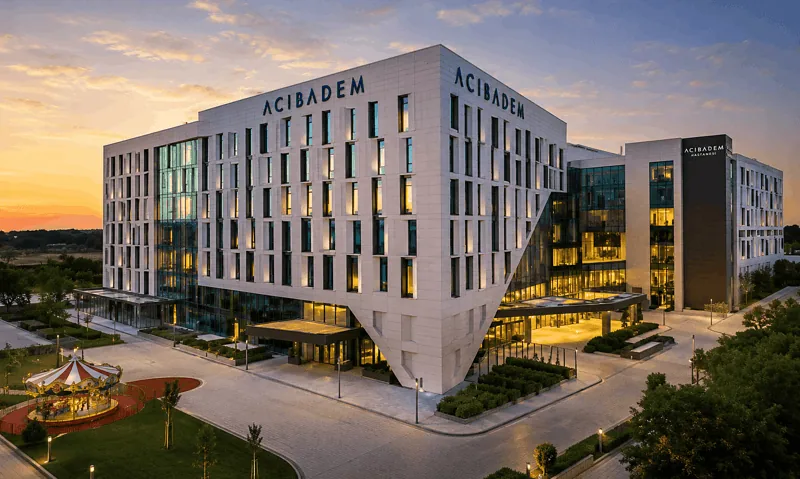
Integrative Dentistry at Acibadem
Acibadem approaches complex dental needs within a broader medical environment through its Dental & Oral Health unit. As part of a large healthcare group, dental care is planned with the rest of medicine in view — a context that is particularly valuable for patients with chronic conditions, patients who require oral surgery, patients who need dental treatment cleared before another medical procedure, and anyone seeking a second opinion on an extensive treatment plan.
Care is planned around the individual rather than a standard package. Depending on the case, dentists collaborate with specialists in periodontology, oral and maxillofacial surgery, prosthodontics, endodontics, orthodontics, radiology, anaesthesiology or the relevant medical departments. Multidisciplinary discussion is used for complex cases — implants with significant bone loss, full-mouth rehabilitation, medically compromised patients, unclear diagnoses — so that recommendations reflect more than one specialist’s perspective when a case genuinely warrants it.
Diagnostics follow modern pathways: digital radiography, three-dimensional imaging when indicated, intraoral scanning, photographic documentation, computer-assisted planning and close laboratory communication. These tools support more precise implant planning, better-fitting restorations, clearer bite evaluation and more logical treatment sequencing — and they help you see and understand your own condition before deciding anything. The technology supports clinical judgement; it does not replace it.
For staged treatment, sequencing is agreed at the outset. The plan sets out which steps depend on healing, which can proceed in parallel, and which milestones — periodontal reassessment, implant integration checks, provisional restorations — determine when the next stage begins. Complex rehabilitation is broken into stages with a defined purpose for each, so patients know at every point what has been completed, what is currently healing and what remains. That structure keeps a long treatment journey understandable and prevents the drift that happens when large plans are improvised appointment by appointment.
The medical setting also matters in concrete ways. A patient with diabetes and periodontal disease benefits from care planned with medical awareness of both. A patient taking blood thinners requires careful surgical planning in communication with the prescribing physician. A patient with a cancer history or a planned medical treatment may need dental clearance and infection control first. In these situations, dentistry is not isolated from the rest of healthcare, and at Acibadem it is not treated as if it were.
At the same time, integrative dentistry here stays evidence-based. Patients are encouraged to question everything: the diagnosis, the alternatives, the materials, the risks, the expected healing, the maintenance burden. The aim is clear recommendations, not pressure. For many patients, that clarity is the foundation of trust — knowing what is urgent, what is optional, what can be monitored, and what outcome is realistic for their particular mouth and health.
Preparing for a Comprehensive Evaluation
A comprehensive integrative evaluation is the natural first step whether you are seeking relief from symptoms, a second opinion before major dental work, replacement of older restorations, implant planning, gum disease treatment or simply a preventive approach that reflects your overall health. It establishes the condition of your teeth and gums, the relationship between oral findings and general health factors, and which treatment options genuinely fit your situation — including the ones that involve doing less than you feared.
Preparation improves the value of the visit. Recent dental X-rays, clinical photographs, previous treatment plans, medical reports and a current list of medications allow a dental team to review the case in advance, estimate the likely treatment sequence and identify whether specialist appointments or additional diagnostics will be needed. Some decisions can only be made after an in-person examination — bone quality, gum response and bite behaviour do not always show on paper — but early record review makes the whole process more efficient and better informed. Patients with additional needs, such as significant anxiety, disability or complex medical histories, may also find it useful to read about special care dentistry when weighing how their evaluation should be arranged.
Integrative dentistry is, in the end, informed and personalised care. It respects the connection between the mouth and the body while staying grounded in modern dental science. With an accurate diagnosis, careful planning, materials suited to the individual case and consistent maintenance afterwards, many patients improve their comfort, function, appearance and oral health stability over time — not because the approach promises more, but because it plans better.
Preparation
- Bring recent dental records, X-rays, medication lists, allergy information, and details of any chronic medical conditions. Before your visit, note symptoms such as jaw pain, gum bleeding, sensitivity, or digestive and sleep concerns that may relate to oral health. Your dentist may recommend imaging, oral examination, and coordination with other specialists when needed.
Aftercare
- After the evaluation, follow the personalized oral hygiene, nutrition, and prevention plan provided by your dentist. If restorative or surgical dental procedures are recommended, aftercare will depend on the specific treatment. Regular follow-up visits help monitor gum health, bite function, and overall treatment progress.
Turkey vs UK, Germany & USA
Integrative dentistry combines conventional dental diagnosis and treatment with whole-person assessment, prevention, material selection, nutrition, and wellness-related risk factors. Costs vary because care is often personalised after a detailed dental and medical review.
This comparison focuses on cost and patient-experience factors for international patients considering integrative dentistry.
| Factor | Turkey | UK | Germany | USA |
|---|---|---|---|---|
| Price drivers | Clinic setting, specialist involvement, imaging, laboratory work, biocompatible materials, and combined dental procedures | Private clinic fees, specialist referrals, laboratory costs, and whether care is outside public coverage | Specialist fees, laboratory standards, material choices, and private versus statutory coverage rules | Provider fees, insurance coverage limits, specialist networks, imaging, materials, and laboratory charges |
| Hospital and dentist factors | Multidisciplinary hospital access may support patients needing medical coordination; dentist experience and technology influence cost | General dentists and private specialists may coordinate care; advanced diagnostics and specialist referrals can affect the total | Strong specialist and laboratory infrastructure; treatment planning and material selection influence the final fee | Wide variation between providers and regions; specialist-led and technology-supported care may increase cost |
| Accreditation and quality | International patients may look for hospital-based dentistry, JCI-accredited hospital environments, and documented sterilisation protocols | Regulated dental professionals and clinic standards; patients should confirm credentials and scope of services | Regulated providers and established dental quality systems; patients should confirm clinic experience with integrative protocols | Licensing and accreditation vary by provider and state; patients should check credentials, infection control, and treatment documentation |
| Typical waiting times | Often arranged with coordinated scheduling for international patients, depending on diagnostics and procedure complexity | Private care may be faster than public pathways; specialist appointments can require advance planning | Appointments are generally organised through dental clinics, with timing affected by specialist availability and laboratory steps | Access can be rapid in private settings, but insurance authorisation and specialist availability may affect timing |
| Travel and language logistics | International patient teams may assist with appointment planning, translation, transfers, and follow-up communication | Travel is simpler for local residents; international patients arrange accommodation and communication support if needed | International patients may need language support and coordinated scheduling for staged care | Long-distance travel and local transport can add complexity; insurance and payment processes may require extra coordination |
| Package inclusions | Packages may include consultation, dental imaging, treatment planning, selected procedures, medication guidance, and care coordination | Services are commonly billed by consultation, imaging, procedure, and laboratory stage | Itemised planning is common, with separate costs for diagnostics, procedures, laboratory work, and materials | Itemised billing is common, with separate provider, facility, imaging, laboratory, and insurance-related components |
- What affects your final cost
- The findings of your dental examination and imaging
- The number and complexity of restorations, periodontal treatments, extractions, implants, or bite-related procedures required
- The type of materials selected and whether biocompatibility testing is recommended
- Laboratory work, digital planning, sedation, or hospital-based support
- Whether care can be completed in one visit or requires staged follow-up
- Travel, accommodation, translation, and aftercare coordination needs
Compare your options
Integrative dentistry is not a single procedure; it is a care approach that may combine several clinical options. Suitability is decided by a dental specialist after examination, imaging, and review of your medical history.
| Option | What it is | Typical use | Key considerations |
|---|---|---|---|
| Comprehensive oral and whole-person assessment | A detailed review of teeth, gums, jaw function, oral habits, medical history, medications, nutrition, and lifestyle factors | Used at the start of care to identify oral disease, risk factors, and links with overall health concerns | May require imaging, periodontal charting, bite assessment, and coordination with medical specialists when relevant |
| Preventive and minimally invasive dentistry | Care focused on early detection, cleaning, remineralisation support, hygiene coaching, and conservative restorations | Used to reduce future dental disease and preserve natural tooth structure where possible | Requires patient adherence to home care, diet guidance, and maintenance visits |
| Biocompatible restorative dentistry | Restoration of damaged teeth using materials selected with attention to function, aesthetics, and patient tolerance | Used for fillings, crowns, inlays, onlays, or replacement of failing restorations | Material choice, laboratory quality, tooth condition, and allergy or sensitivity history can influence the plan |
| Periodontal and oral infection management | Diagnosis and treatment of gum disease, dental infections, and inflammatory oral conditions | Used when bleeding gums, bone loss, abscesses, or chronic oral inflammation are present | May involve deep cleaning, medication guidance, surgery, or coordination with physicians for patients with systemic conditions |
| Nutrition and lifestyle support | Education on diet, hydration, oral microbiome support, smoking cessation, and habits that affect teeth and gums | Used alongside dental treatment to support prevention and long-term oral health | Does not replace dental procedures when disease is present; it supports the overall treatment plan |
| Jaw, bite, and airway-related assessment | Evaluation of occlusion, tooth wear, grinding, jaw discomfort, and breathing-related dental signs | Used when patients report jaw pain, headaches, tooth wear, clenching, or sleep-related concerns | May require splints, restorative planning, orthodontic referral, or medical evaluation depending on findings |
General information only — not medical or financial advice. Final costs depend on the factors above and your individual case; request a free, personalised quote.
Frequently Asked Questions
What affects the cost of integrative dentistry?
The main factors are the diagnosis, the number of procedures required, imaging, laboratory work, material selection, specialist involvement, sedation needs, and whether treatment is completed in stages. A personalised plan is needed before a reliable quote can be prepared.
How can I get a personalised quote?
You can request a free consultation by sharing your dental concerns, recent images or reports if available, medical history, and treatment goals. The clinical team can then advise which examinations are needed and prepare a personalised estimate.
Are biocompatible materials more expensive?
They can affect the final cost because material type, laboratory process, testing needs, and restoration design vary from patient to patient. The dentist will explain suitable options and the reasons for each recommendation.
Does integrative dentistry replace conventional dental treatment?
No. It uses evidence-based dental diagnosis and treatment while also considering prevention, materials, nutrition, oral-systemic health factors, and long-term maintenance. The appropriate approach is decided by a specialist.
Can international patients have treatment planned before travelling?
Preliminary planning may be possible with photos, dental records, and radiographs, but the final plan is confirmed after an in-person examination. International patient teams can help coordinate appointments, language support, and follow-up communication.
Medically reviewed by the Acıbadem International Medical Board — August 30, 2026
See our medical review board →
Update history
- PublishedJune 8, 2026
- Medical review approvedAugust 30, 2026
- Last content updateAugust 30, 2026
Trusted care for international patients
Doctors Performing This Treatment

Assoc. Prof. Dr. Ferit Bayram
Oral & Dental Health
Dr. Ezgi Gülüm
Oral Dental & Maxillofacial Surgery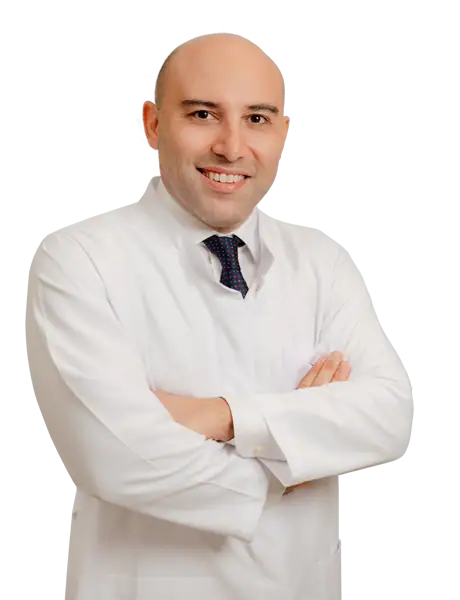
Dr. Emre Çengelli
Oral Dental & Maxillofacial Surgery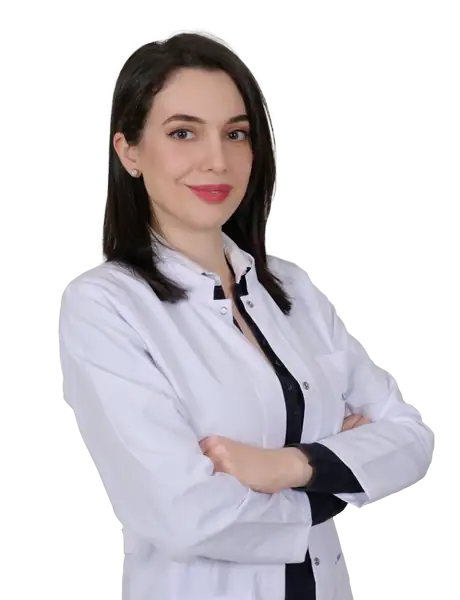
Dr. Arzu Morçiçek
Oral & Dental HealthDr. Deniz Turgut
Oral & Dental Health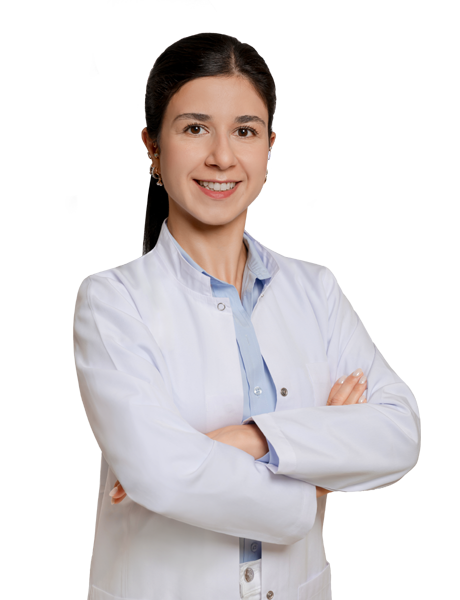
Dr. Ceyda Sabancı
Oral & Dental Health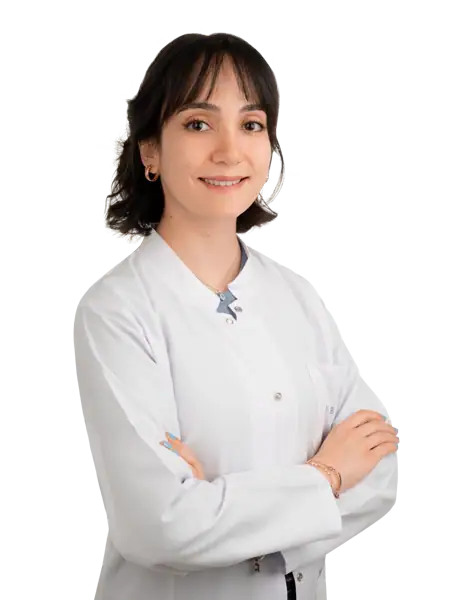
Dr. Çağla Su Doğangün Ayduk
Oral & Dental Health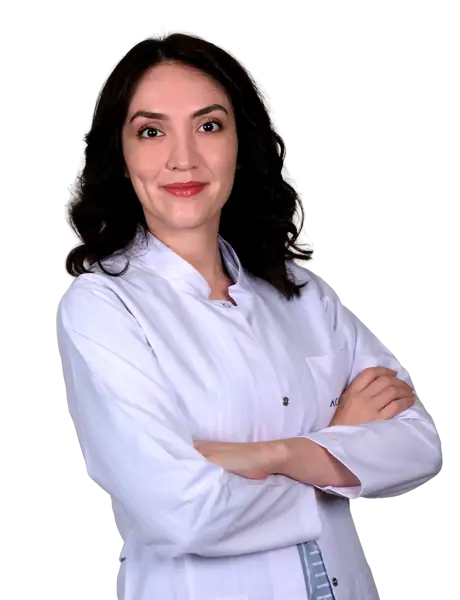
Dr. Begüm Öykü Kesim
Oral & Dental Health
Dr. Eylül Türsen
Oral & Dental Health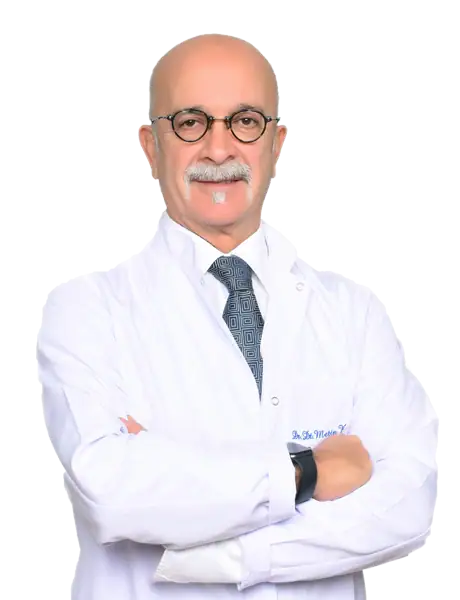
Dr. Metin Kınacı
Oral & Dental Health
Dr. Duygu Yavuzer Karadeniz
PeriodontolgyDr. Ali Riza Özdurmuş
Oral & Dental Health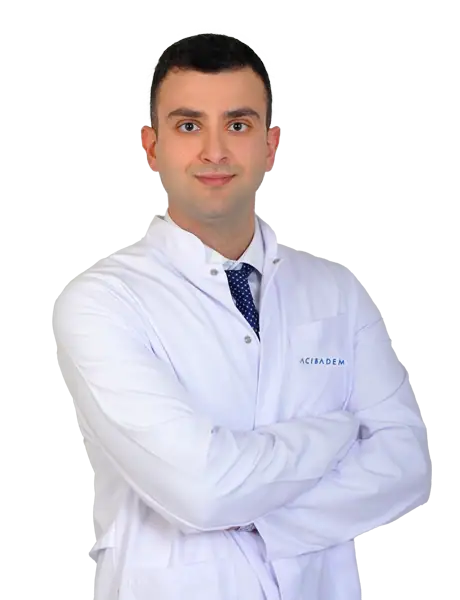
Dr. Bedii Ender Topçu
Oral & Dental Health
Dr. Sebiha Nihal Yılmaz
Oral Dental & Maxillofacial SurgeryDr. Seda Saygılı Özaydın
Oral & Dental Health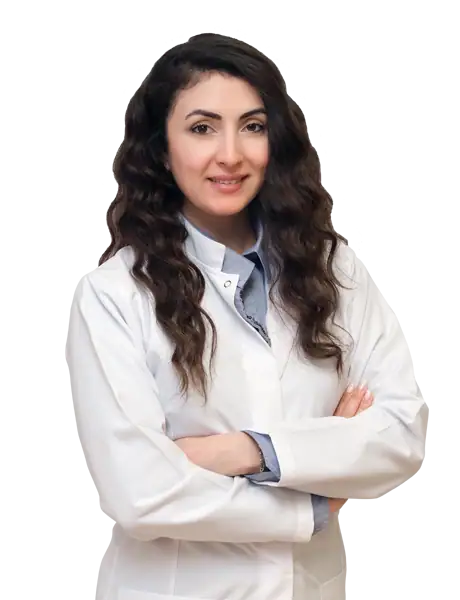
Dr. Zeynep Ekin Kılınç
Oral & Dental Health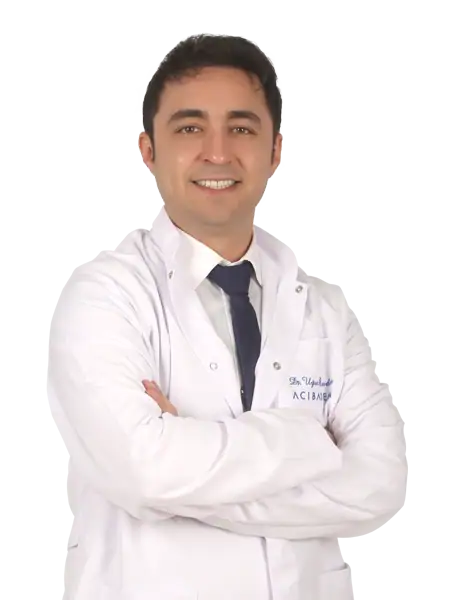
Dr. Uğur Önder
Oral & Dental Health
Dr. Helin Kuşsever Topçu
Oral & Dental Health
Dr. Pelin Açık
Oral & Dental Health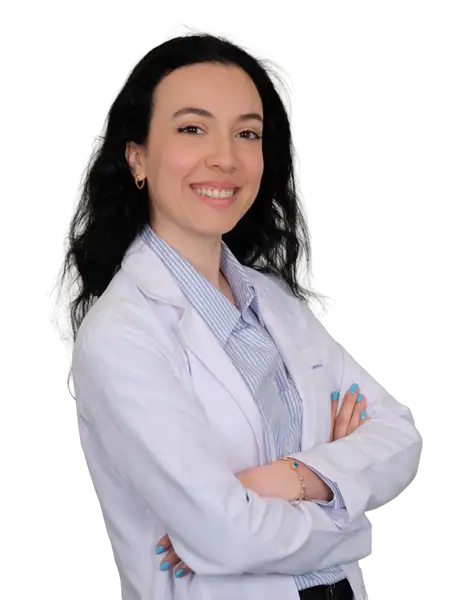
Dr. İpek Saygılı
Oral & Dental Health
Dr. Halime Bayram
Oral & Dental Health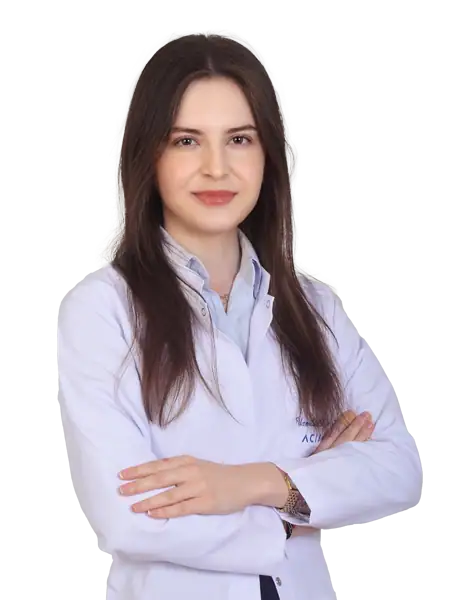
Dr. Havva Gölalan
Oral & Dental Health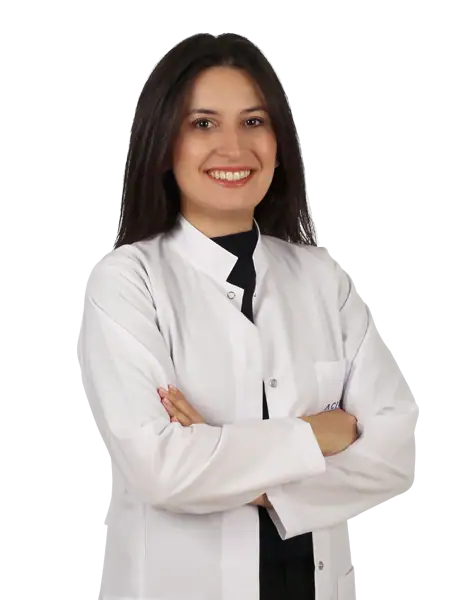
Dr. Merve Ağartıoğlu
Oral & Dental Health
Dr. Mücahit Güner
Oral & Dental HealthMedical Units
Available at These Hospitals