Otoplasty
Otoplasty, or ear pinning surgery, reshapes prominent or asymmetrical ears by adjusting cartilage for a more balanced appearance. It is performed for adults and children after ear growth is sufficient.

Quick answer
Otoplasty is surgery that reshapes or repositions prominent, asymmetrical, or misshapen ears to create a more balanced appearance. At Acibadem in Turkey, this treatment is planned individually and typically performed by adjusting the ear cartilage through carefully placed incisions, with techniques chosen according to the patient’s ear structure and goals.
Considering Otoplasty: When Ear Shape Affects Confidence and Comfort
Prominent, protruding, uneven or misshapen ears can be a small physical feature with a large emotional impact. For some children, ears that stand out may lead to teasing at school, reluctance to wear short hair or distress in social situations. For adults, the concern may be long-standing: a feature they have hidden for years with hairstyles, hats or careful angles in photographs. Others seek correction after an injury, previous surgery or a difference in ear shape from birth.
Otoplasty, often called ear pinning surgery, is designed to improve the shape, position or proportion of the outer ear. It does not change hearing. Instead, it focuses on the visible cartilage framework that gives the ear its contour. By reshaping or repositioning this cartilage, the surgeon can bring the ears closer to the head, improve symmetry or create a more natural fold where one is underdeveloped.
The decision to have otoplasty is personal, especially for families considering surgery for a child. Parents often want to know whether their child is old enough, whether the procedure is painful, how visible scars will be and whether the results will look natural rather than “operated.” Adults may be concerned about time away from work, anesthesia, healing and whether correction is still possible later in life. These are appropriate questions, and they are best answered through a careful consultation with a surgeon experienced in facial and ear anatomy.
At Acibadem, otoplasty is approached as both a technical procedure and an aesthetic judgment. The goal is not to create identical ears or an artificial look, but to achieve balanced ears that suit the face, age and expectations of the patient. For international patients, this evaluation can often begin before travel with photographs and medical information, followed by an in-person assessment and a personalized surgical plan.
What Otoplasty Is
Otoplasty is a surgical procedure that reshapes the external ear, also known as the auricle or pinna. The outer ear is made primarily of cartilage covered by skin. Its curves, folds and position determine how prominent the ears appear from the front, side and back. When the cartilage fold is underdeveloped, when the bowl-shaped part of the ear is deep, or when the ear sits at a wider angle from the head, the ears may appear to protrude.
Ear pinning is the most common form of otoplasty. In this procedure, the surgeon adjusts the cartilage so the ears rest closer to the head. Depending on the anatomy, this may involve creating or strengthening the antihelical fold, reducing excess cartilage in the conchal bowl, repositioning the ear with permanent or long-lasting internal sutures, or using a combination of techniques. The incision is usually placed behind the ear, where it is naturally concealed in the crease between the ear and the scalp.
Otoplasty can also address asymmetry, irregular ear contours, overly large ears in selected cases, congenital shape differences and certain traumatic deformities. In reconstructive situations, treatment may require a more complex plan and sometimes staged procedures. For prominent ears, however, otoplasty is commonly performed as a single operation, with a recovery period that is typically manageable for both children and adults.
The procedure is available for adults and for children once ear growth is sufficiently developed. In many children, the outer ear has reached most of its adult size by early school age, which is why otoplasty is often considered before or during the early years of schooling. A child’s emotional readiness is also important. The most appropriate candidates are children who can understand the basic purpose of the surgery, cooperate with aftercare and express some degree of personal concern rather than feeling pressured by others.
Who May Need Otoplasty
People consider otoplasty when the ears appear disproportionately prominent, uneven, folded abnormally or out of balance with the face. The concern may be visible from early childhood or may become more noticeable as a child’s facial proportions change. Adults may seek surgery because they were unable to have treatment earlier, because their preferences changed, or because trauma or prior surgery affected the ear’s appearance.
Typical reasons for consultation include ears that stick out noticeably from the head, one ear that protrudes more than the other, an absent or weak natural fold in the upper ear, a deep conchal bowl that pushes the ear outward, or dissatisfaction with the shape of the earlobe or upper ear. Some patients have ears that are not very prominent from the side but appear uneven from the front, especially in photographs. Others may have had previous otoplasty elsewhere and want an expert opinion about revision.
Diagnosis is based on physical examination and detailed discussion. The surgeon evaluates the ear from multiple angles, measuring the relationship between the ear and the head, the strength of natural folds, cartilage thickness, skin quality, asymmetry and the shape of the earlobe. In children, the surgeon also assesses age, growth, ability to follow instructions and family expectations. Photographs are often taken for planning and comparison, with attention to both ears as a pair rather than each ear in isolation.
In most cosmetic otoplasty cases, advanced imaging is not necessary. However, when there is a history of trauma, congenital ear difference, previous surgery or associated medical conditions, additional evaluation may be appropriate. The preoperative assessment also includes general health review, medication history, allergies, bleeding tendencies and anesthesia suitability. For international patients, this information helps the medical team plan safely and efficiently before arrival.
Good candidates for otoplasty are generally healthy, have realistic expectations and understand that ears are naturally not perfectly identical. The aim is improvement in balance, projection and contour. In children, stable emotional support from parents or caregivers is essential. In adults, smoking, uncontrolled medical conditions or medications that increase bleeding risk may need to be addressed before surgery.
Conditions and Indications Otoplasty Can Address
Otoplasty can be used for a range of aesthetic and reconstructive indications involving the outer ear. The most common indication is prominent ears, which may occur because the antihelical fold is underdeveloped, the conchal cartilage is overly deep, or both. These anatomical factors can make the ear sit farther from the side of the head and appear more noticeable from the front.
The procedure may also improve ear asymmetry. Almost everyone has some natural difference between the two ears, but more pronounced asymmetry can draw attention or affect self-confidence. Otoplasty can adjust projection, folding and contour to make the ears appear more balanced, although perfect symmetry is not a realistic surgical goal.
Some patients seek correction of congenital shape differences such as constricted ear, cup ear, lop ear or irregular folding. The surgical approach depends on the specific anatomy and severity. Mild to moderate shape differences may be corrected with cartilage reshaping and suturing, while more complex deformities may require reconstructive methods. Traumatic ear deformities, torn earlobes and certain irregularities after previous procedures may also be evaluated for surgical correction.
In selected cases, otoplasty may address overly large or disproportionate ears, particularly when the concern involves the upper ear, earlobe or overall ear length. Reduction techniques require careful planning because the ear has a visible and delicate three-dimensional structure. The surgeon must preserve natural contours while reducing size or improving proportion.
For many patients, the indication is not a medical disease but a persistent concern that affects daily life. A child who avoids school photographs, an adult who never feels comfortable wearing hair up, or a patient who feels their ears distract from facial harmony may all have valid reasons to explore treatment. The role of the consultation is to determine whether surgery can address the concern safely and with a natural-looking result.
How Otoplasty Is Performed
Preoperative Consultation and Planning
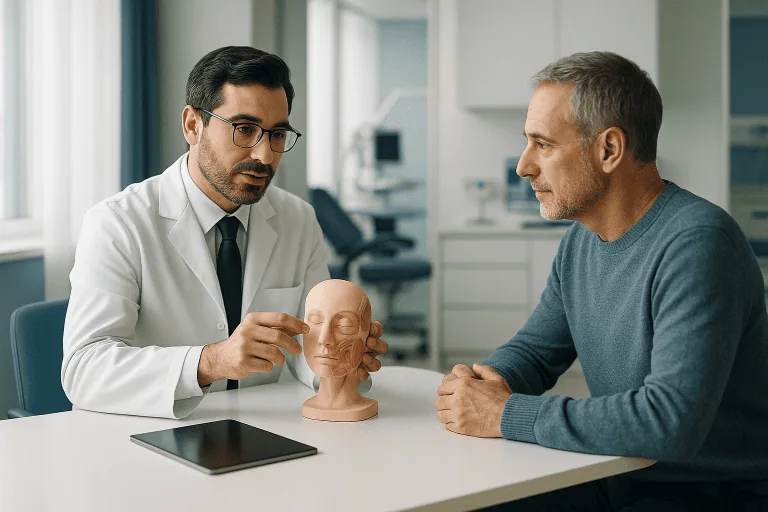
Otoplasty begins with a detailed consultation. The surgeon asks what specifically bothers the patient or family: whether the ears protrude too much, whether one side is more visible, whether the earlobes are involved, or whether there is concern about an unnatural contour. This conversation is important because two patients with similar anatomy may have different priorities.
The surgeon then examines the ears, cartilage strength, skin thickness, hairline, facial proportions and degree of asymmetry. Standardized photographs may be taken for planning. For children, the discussion includes maturity, school schedule, aftercare needs and the timing of surgery. For adults, planning may include work commitments, travel schedule and any medical issues that influence anesthesia or healing.
Before surgery, patients may be advised to avoid certain medications or supplements that can increase bleeding, such as aspirin or some anti-inflammatory drugs, unless prescribed for a medical reason. Smoking and nicotine products can impair wound healing and should be discussed honestly with the care team. Patients receive instructions about eating and drinking before anesthesia, arrival time, what to bring and who should accompany them after the procedure.
Anesthesia and Surgical Setting
Otoplasty may be performed under local anesthesia with sedation or under general anesthesia, depending on the patient’s age, anxiety level, extent of surgery and surgeon recommendation. Children are more commonly treated under general anesthesia so they remain still and comfortable. Adults with limited correction may be suitable for local anesthesia with sedation, while others prefer general anesthesia.
The procedure is performed in a controlled surgical environment with appropriate monitoring. For international patients, anesthesia evaluation is part of the preoperative pathway, and medical records may be reviewed in advance when relevant. The care team considers safety, comfort and the expected length of surgery when selecting the anesthesia plan.
The Surgical Technique
Although each otoplasty is customized, the most common technique involves an incision placed behind the ear. Through this hidden access point, the surgeon exposes the cartilage while preserving the skin and soft tissue envelope. If the natural antihelical fold is weak or absent, sutures may be placed to bend the cartilage into a more defined fold. In some patients, the cartilage is scored or softened to allow a natural curve without sharp edges.
If the conchal bowl is deep and pushes the ear outward, the surgeon may use sutures to reposition it closer to the head. In selected cases, a small amount of cartilage may be removed or reshaped. The goal is to reduce projection while keeping the ear’s normal curves and avoiding an overly flattened appearance. The earlobe is assessed separately because it can sometimes remain prominent even after the upper ear is corrected; additional suturing or contour adjustment may be needed for balance.
Modern otoplasty planning relies on a careful understanding of three-dimensional ear anatomy. Surgical magnification, precise instruments, refined suture techniques and careful tissue handling help the surgeon create controlled changes while minimizing trauma. Photography and measurement may support planning, but the surgeon’s judgment during the procedure remains essential because cartilage response can vary from patient to patient.
When both ears are treated, the surgeon repeatedly compares the two sides during the operation. This comparison is important because the ears are viewed together, particularly from the front and back. Some asymmetry usually remains because natural ears are not mirror images, but the aim is to reduce the differences that are most noticeable.
Duration of Surgery and Immediate Recovery
Otoplasty commonly takes one to two hours, although more complex or revision procedures may take longer. After surgery, a soft protective dressing or head bandage is placed around the ears. This dressing supports the new position, helps control swelling and protects the ears from accidental bending in the early healing period.
Most otoplasty patients return home or to their hotel the same day, depending on anesthesia, age and medical status. Children are observed until they are fully awake and comfortable. Adults should not drive after sedation or general anesthesia and should have a responsible companion. Mild to moderate discomfort, tightness, itching and pressure are expected in the first days and are usually managed with prescribed or recommended pain medication.
Recovery Process and Aftercare
The initial bulky dressing is usually removed or changed according to the surgeon’s instructions. Many patients then wear a soft headband, especially at night, to protect the ears while sleeping. The exact schedule varies by technique and surgeon preference. Keeping the ears from folding forward is important because the cartilage and sutures need time to settle.
Swelling and bruising are common early and gradually improve. The ears may feel numb, tender or unusually sensitive for several weeks. Children usually return to school after a short recovery period, provided they avoid rough play and sports. Adults often return to desk-based work within several days to one week, depending on comfort and visibility of dressings. Strenuous exercise, contact sports, swimming and activities that may pull or bend the ears are restricted for longer.
Scars are usually located behind the ear and tend to be discreet once healed. Scar quality depends on skin type, surgical technique, wound care and individual healing. Patients are given instructions on cleaning, sleeping position, headband use, medication and signs that should prompt medical contact, such as increasing pain, bleeding, fever, worsening redness or sudden change in ear shape.
For patients traveling from abroad, the recovery plan should include enough time in Istanbul or the relevant Acibadem location for the early postoperative check. Travel recommendations depend on the type of anesthesia, the patient’s age and overall health. The international patient team can help coordinate appointments, translation, hospital logistics and communication with the surgical team before and after the visit.
Why Acting Early Can Matter
Otoplasty is usually an elective procedure, so it is not always medically urgent. However, timing can matter emotionally and practically. For children with prominent ears, early correction after sufficient ear growth may reduce the social discomfort that can occur during school years. When a child is repeatedly teased or self-conscious, the concern can influence confidence, participation and willingness to be photographed or engage in activities.
Acting early does not mean rushing. A child should be physically ready, emotionally prepared and supported by parents who understand both the benefits and limitations of surgery. The decision should be made with a qualified surgeon after assessment of ear development and the child’s ability to cooperate with postoperative care.
For adults, delaying otoplasty is often safe from a medical standpoint, but the personal burden may continue. Some patients spend years adapting hairstyles, avoiding certain social situations or feeling distracted by the appearance of their ears. A consultation can clarify whether the anatomy is suitable for correction and what recovery would involve, allowing the patient to make an informed decision.
There are also situations where delay may complicate correction. Scar tissue from previous injury or surgery can become more established over time. Some deformities may be easier to treat before repeated trauma or stretching changes the tissues further. In revision otoplasty, a careful waiting period after prior surgery is often necessary, but prolonged uncertainty without specialist evaluation may leave patients without a clear plan.
As with any surgery, postponing care should be balanced against health factors, school or work schedules, travel plans and emotional readiness. A structured evaluation helps patients and families understand whether now is the right time or whether observation is more appropriate.
Benefits of Otoplasty
The benefits of otoplasty are best understood as practical, aesthetic and emotional improvements that depend on each patient’s anatomy and goals.
| Benefit | What It Means for You |
|---|---|
| Reduced ear prominence | The ears can sit closer to the head, making them less noticeable from the front, side and back. |
| Improved facial balance | Reshaping the cartilage can help the ears look more proportionate with the rest of the face. |
| Better symmetry | Noticeable differences between the two ears can often be softened, although natural asymmetry remains normal. |
| Concealed scarring | Incisions are usually placed behind the ear, where scars are hidden in the natural crease. |
| Long-lasting correction | Once cartilage healing stabilizes, the improved ear position and contour are typically durable, provided the ears are protected during recovery. |
| Greater comfort with appearance | Many patients feel more comfortable with short hair, tied-back hairstyles, photographs and everyday social situations. |
Otoplasty Recovery Timeline
Recovery varies by age, surgical technique and individual healing, but most patients follow a predictable general pattern.
| Time Period | What Patients Can Expect |
|---|---|
| Day 1 | A protective dressing is in place. Pressure, mild pain, tightness and sleepiness after anesthesia are common. Patients rest with the head elevated and follow medication instructions. |
| First Week | The initial dressing is removed or changed as directed. Swelling and bruising begin to improve. Many adults resume desk work, and children may return to school if protected from rough activity. |
| First Month | A soft headband may be used at night. Tenderness and sensitivity continue to decrease. Strenuous exercise and contact sports remain restricted until the surgeon confirms it is safe. |
| Three Months | Most swelling has settled, scars are maturing and the ear contour appears more natural. Minor firmness or sensitivity may still improve over time. |
| Longer Term | The final shape becomes clearer as tissues soften and scars fade. Patients continue routine care and protect the ears from significant trauma. |
What Influences a Good Otoplasty Result
A good otoplasty result depends on more than simply placing the ears closer to the head. The most natural outcomes come from identifying the exact anatomical reason for prominence and correcting it in a balanced way. If the antihelical fold is weak, fold creation is important. If the conchal bowl is deep, repositioning may be needed. If the earlobe protrudes separately, it must be evaluated as part of the overall ear shape.
Cartilage quality is another important factor. Children often have softer cartilage that responds well to reshaping, while adults may have firmer cartilage that requires different techniques. Thick skin, prior surgery, trauma or scarring can influence how precisely the ear can be shaped and how quickly swelling resolves. The surgeon’s experience with ear anatomy and aesthetic proportion is central to choosing the right combination of maneuvers.
Symmetry is a major part of patient satisfaction, but it must be discussed realistically. Human ears are naturally asymmetric in size, height, shape and angle. Otoplasty can reduce visible imbalance, yet exact mirror-image symmetry is neither natural nor reliably achievable. A measured surgical plan aims for ears that look harmonious rather than identical.
Aftercare also affects the outcome. The early healing period is when the ears are most vulnerable to accidental bending or trauma. Wearing the recommended dressing or headband, avoiding contact sports, sleeping carefully and attending follow-up appointments all help protect the correction. Children need adult supervision to follow these instructions, especially during play and sleep.
General health influences healing as well. Smoking, nicotine use, uncontrolled diabetes, bleeding disorders, certain medications and poor nutrition may increase the risk of wound problems or delayed recovery. Patients should provide complete medical information before surgery so the team can identify and manage risks.
Clear communication is equally important. Patients should explain what they hope to change and what would still feel unacceptable after surgery. The surgeon should explain the expected improvement, possible limitations, scar placement, recovery requirements and potential risks. These risks may include bleeding, infection, wound healing problems, asymmetry, overcorrection, undercorrection, suture irritation, contour irregularity, numbness, visible scarring or the need for revision. Serious complications are uncommon, but informed consent is an essential part of responsible care.
Why International Patients Choose Acibadem for Otoplasty
For patients traveling for surgery, clinical quality and trust are only part of the decision. The experience also depends on communication, coordination, comfort and continuity of care. Acibadem’s hospitals in Turkey are JCI-accredited and serve a large international patient population, with systems designed to support people who are receiving care away from home.
Otoplasty at Acibadem is performed by physicians experienced in plastic, reconstructive and aesthetic surgery, with attention to facial proportion, cartilage anatomy and individualized planning. For straightforward prominent ear correction, the pathway is usually focused and efficient. For more complex cases, such as congenital ear differences, trauma-related deformity or revision surgery, the patient may benefit from additional specialist input. When needed, care can be discussed through multidisciplinary boards or specialist consultations to ensure the plan reflects both aesthetic and functional considerations.
International patients often begin with a remote review. Photographs, medical history, age, prior surgeries and expectations can be shared securely so the team can provide preliminary guidance. This does not replace an in-person examination, but it helps patients understand whether they may be candidates, how long they may need to stay, what type of anesthesia may be considered and what records are needed before travel.
Once in Turkey, patients receive an in-person surgical consultation, preoperative assessment and a clear explanation of the procedure and recovery. Translation and international patient services are available in more than 20 languages, helping patients communicate comfortably with physicians, nurses and coordinators. This support is especially valuable for parents traveling with children, patients coming alone or those coordinating surgery within a limited travel schedule.
Acibadem hospitals use modern operating rooms, anesthesia monitoring systems, diagnostic services and postoperative care pathways that support safe surgical practice. In otoplasty, technology is not about replacing surgical judgment; it helps the team plan, monitor, document and perform the procedure with precision. High-quality imaging and photography support assessment, refined surgical instruments allow delicate cartilage work, and appropriate anesthesia monitoring supports patient safety throughout the operation.
Personalized treatment planning is central. A child with soft cartilage, prominent upper ears and school-related distress has different needs from an adult with firm cartilage and mild asymmetry. A revision patient with scar tissue requires a different discussion from someone having first-time ear pinning. The treatment plan should reflect the patient’s anatomy, health, travel needs and personal priorities.
For international patients, continuity after returning home is also considered. Before departure, patients receive postoperative instructions, warning signs to monitor and follow-up recommendations. When appropriate, the team may review healing photographs remotely and advise whether additional local medical assessment is needed. This type of coordination helps patients feel supported beyond the day of surgery, while recognizing that any urgent concern should be evaluated promptly by a qualified clinician.
Taking the Next Step
Otoplasty can be a meaningful procedure for children, teenagers and adults who feel that prominent, uneven or misshapen ears affect their confidence or comfort. The surgery is typically focused, with incisions hidden behind the ears and a recovery that most patients can plan around school, work and travel. The best outcomes come from careful patient selection, realistic expectations, precise cartilage reshaping and attentive aftercare.
If you are considering otoplasty for yourself or your child, a specialist consultation can help you understand the anatomy, treatment options, likely recovery and timing. International patients may request an evaluation or second opinion by sharing photographs and medical details before traveling. The Acibadem team can then guide you through the next steps, including appointment planning, language support and preparation for surgery if treatment is appropriate.
This information is general and is not a substitute for professional medical advice, diagnosis or treatment. A qualified physician should evaluate your individual condition and recommend the most appropriate care plan.
Preparation
- Before otoplasty, the surgeon evaluates ear shape, cartilage structure, medical history, and expectations. Patients may need routine blood tests and should stop smoking and avoid blood-thinning medicines if advised. Children are assessed for ear growth, cooperation, and anesthesia suitability.
Aftercare
- A protective head bandage or headband is usually worn as directed to support the new ear position. Mild swelling, bruising, and discomfort are expected and managed with prescribed medication. Patients should avoid pressure on the ears, contact sports, and sleeping on the side until cleared by the surgeon.
Frequently Asked Questions
What affects the cost of otoplasty?
The final cost depends on the technique required, whether one or both ears are treated, anaesthesia type, hospital or clinic setting, surgeon expertise, preoperative tests and follow-up needs. For international patients, travel coordination, translation and accommodation support may also affect the overall package.
How can I get a personalised otoplasty quote?
A personalised quote usually requires a specialist review of ear photos, medical history, age, expectations and any previous ear surgery. Acibadem International can arrange a free consultation to help clarify suitability, likely treatment plan and package inclusions.
Is otoplasty usually included in an international patient package?
Package content varies by hospital and patient needs. It may include consultation, surgery, anaesthesia, hospital services, dressings, standard follow-up and coordination support, while travel documents, flights or accommodation may be handled separately depending on the arrangement.
Does a lower quote mean the same level of care?
Not necessarily. Patients should compare what is included, the surgeon’s experience, hospital accreditation, anaesthesia arrangements, postoperative care and revision policies. This information is general and should not replace medical or financial advice.
Can children and adults have different cost considerations?
Yes. Children may require different anaesthesia planning, family logistics and timing considerations, while adults may have different expectations or revision needs. A specialist decides suitability after assessing ear growth, health status and treatment goals.
Medically reviewed by the Acıbadem International Medical Board September 14, 2026
See our medical review board →
Update history
- PublishedJune 8, 2026
- Medical review approvedSeptember 14, 2026
- Last content updateSeptember 14, 2026
Planning tools for this treatment
Indicative figures for orientation only: your written plan and quote follow a free medical review.
Trusted care for international patients
Compare options, costs and recovery
Otoplasty costsledger-based guide ranges, or browse the full Turkey Medical Price Index.
From the Acibadem Blog

What Age Is Right for Otoplasty? Ear Growth, Timing and Readiness in Children and Adults
Otoplasty, surgery to reshape or set back prominent ears, is usually considered from about age five, when the outer ear has reached most of…

When Can My Child Go Back to School After Otoplasty? Bandage, Headband and Activity Milestones
Most children can return to school about one to two weeks after otoplasty, once the surgeon has removed the head bandage and the ears…
Doctors Performing This Treatment


Aesthetic Plastic & Reconstructive Surgery
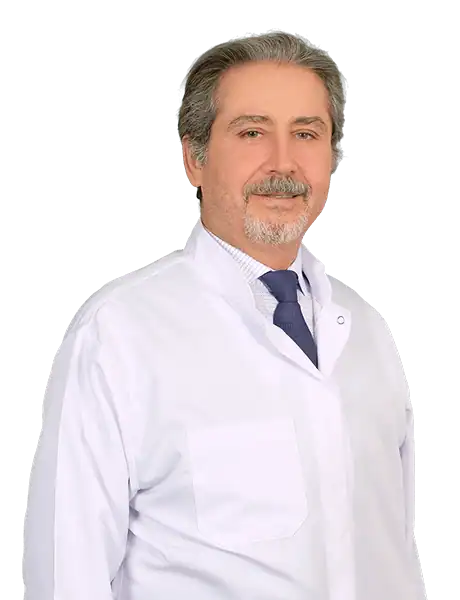
Prof. Mehmet Veli Karaaltın, MD


Aesthetic Plastic & Reconstructive Surgery
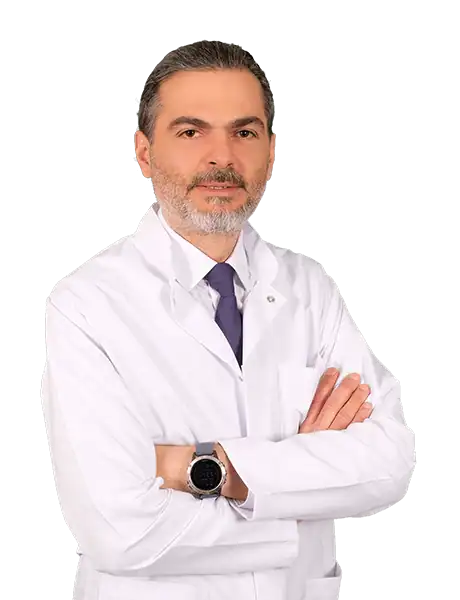
Assoc. Prof. Erdem Güven, MD

Aesthetic Plastic & Reconstructive Surgery
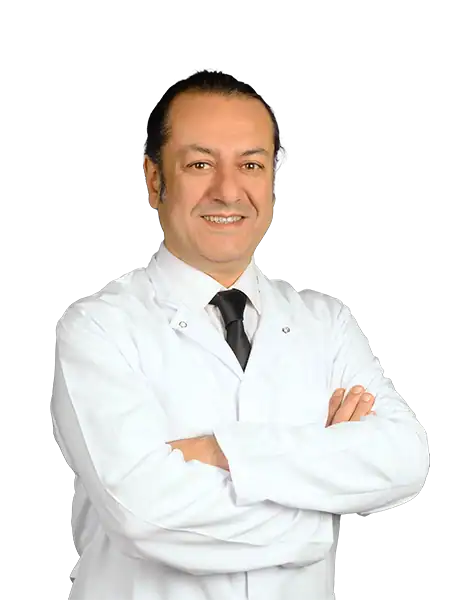
Assoc. Prof. Ahmet Küçükçelebi, MD
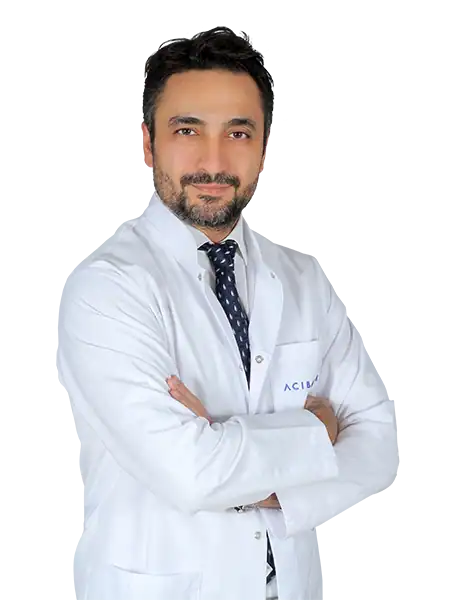
Aesthetic Plastic & Reconstructive Surgery
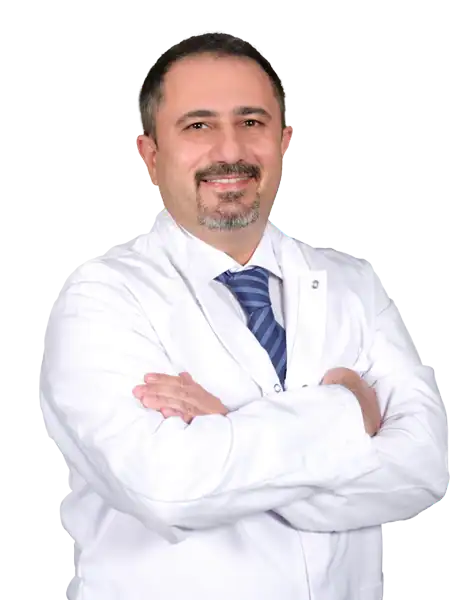
Assoc. Prof. Mehmet Altıparmak, MD

Aesthetic Plastic & Reconstructive Surgery