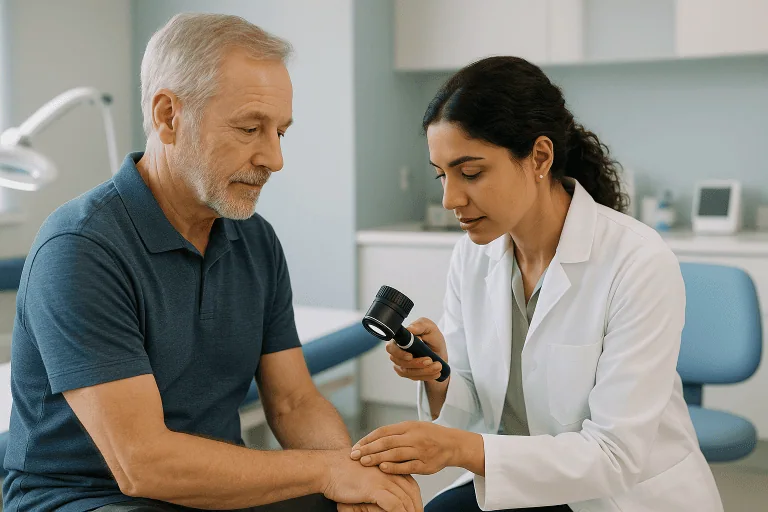
Pigmentation Treatment
Pigmentation treatment is a set of dermatological procedures used to reduce dark patches such as melasma, sun spots and post-inflammatory marks, or to restore color in conditions like vitiligo. Approaches include prescription…
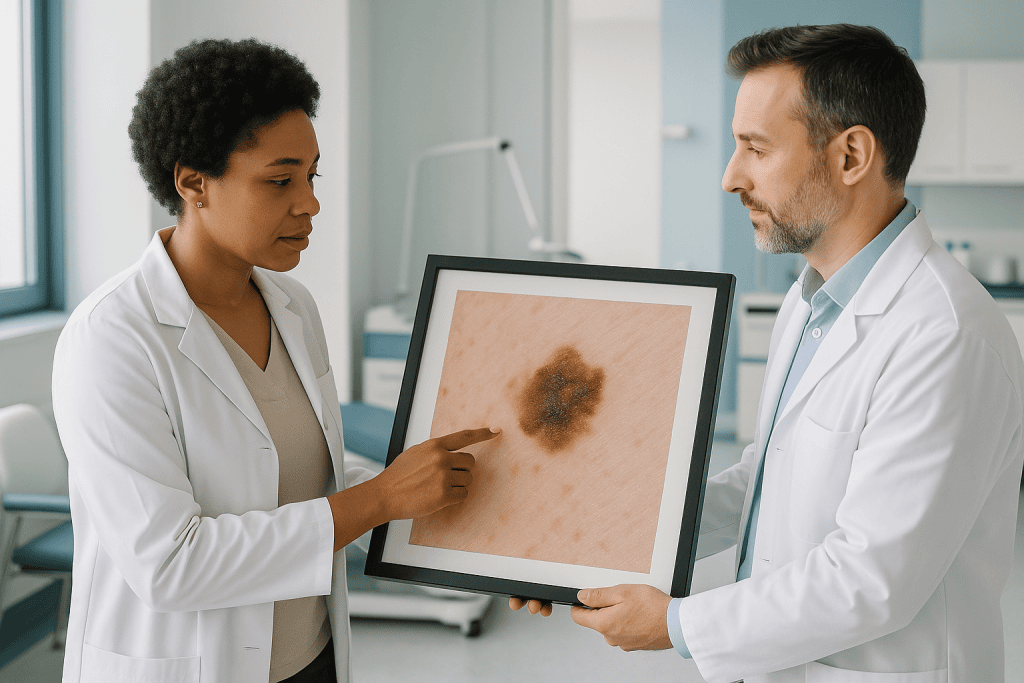
Quick answer
Pigmentation treatment refers to dermatologist-led therapies that reduce or even out dark or light skin patches caused by too much or too little melanin. Options include prescription creams, chemical peels, laser or light devices, microneedling and phototherapy. It is usually elective and outpatient, requires strict sun protection, and results vary by condition, with melasma often recurring.
What is pigmentation treatment?
Pigmentation treatment is a group of medical and cosmetic procedures used to reduce, even out, or in some cases restore the color of the skin. Skin color comes from melanin, a natural pigment made by cells called melanocytes. When these cells produce too much pigment in one area, the skin develops darker patches, known as hyperpigmentation. When they produce too little, or the cells are damaged, lighter patches appear, known as hypopigmentation. Pigmentation treatment is most often requested for darker patches, but the term also covers therapies for lighter patches.
Common conditions treated include:
- Melasma: symmetrical brown or gray-brown patches, usually on the cheeks, forehead and upper lip, often linked to hormones and sun exposure.
- Solar lentigines (sun spots or age spots): flat brown marks that develop on sun-exposed skin over many years.
- Post-inflammatory hyperpigmentation: dark marks left behind after acne, eczema, injury or a previous skin procedure.
- Freckles: small pigmented spots that darken with sun exposure.
- Vitiligo and other hypopigmentation: loss of pigment that leaves lighter or white patches, which is managed with different methods than dark spots.
Treatment options range from prescription creams and chemical peels to laser and light-based devices, microneedling and, for pigment loss, phototherapy (controlled ultraviolet light). In most hospitals, pigmentation treatment is planned and carried out by a dermatologist, a doctor who specializes in skin conditions. At Acibadem this care is provided within the Dermatology department.
Who needs pigmentation treatment? Candidates and limitations
Many people ask who needs pigmentation treatment. From a medical point of view, most pigmentation changes are harmless and treatment is elective, meaning it is chosen for cosmetic or quality-of-life reasons rather than being medically required. You may be considered a candidate if:
- You have dark or light patches that bother you and have not improved with sun protection and over-the-counter products.
- A dermatologist has confirmed the diagnosis and ruled out conditions that need a different approach, such as a suspicious mole or skin cancer.
- You are able to follow strict sun protection during and after treatment, which is essential for a good result.
- Your expectations are realistic: the aim is improvement, not guaranteed removal.
Pigmentation treatment may not be suitable, or may need to be adapted, in the following situations:
- Pregnancy or breastfeeding: several prescription lightening agents and some peels are avoided during this time; melasma that appears in pregnancy often fades on its own after delivery.
- Active skin infection, cold sores, or a flare of eczema or acne in the treatment area.
- Recent heavy tanning or sunburn, which raises the risk of burns and uneven results with lasers and peels.
- Certain medications, such as isotretinoin for acne or drugs that make the skin more sensitive to light, which your doctor may ask you to pause or wait after.
- A history of keloid scars (raised, overgrown scars) or of pigment changes after previous procedures.
- Darker skin types: treatment is certainly possible, but some lasers carry a higher risk of causing new dark or light marks, so device and settings must be chosen carefully.
Any spot that is new, changing shape, bleeding, itching or has irregular color should be examined before any cosmetic treatment is planned, because these features can occasionally indicate skin cancer.
How the pigmentation treatment procedure works
The exact pigmentation treatment procedure depends on the diagnosis, the depth of pigment in the skin and your skin type. Most people receive a combination of approaches rather than a single method.
Before the procedure: The dermatologist examines the skin, sometimes with a handheld magnifying device or a special lamp that helps show how deep the pigment sits. You will be asked about your medical history, medications, sun habits and previous treatments. Photographs are usually taken to track progress. In many cases a course of topical (applied to the skin) medication is started first, for several weeks, to calm pigment-producing cells before any device-based treatment.
During the procedure: The main options include:
- Topical therapy: prescription creams such as hydroquinone, retinoids (vitamin A derivatives), azelaic acid, tranexamic acid or combination formulas. These are applied at home and work gradually over weeks to months.
- Chemical peels: a solution such as glycolic, salicylic or trichloroacetic acid is applied for a few minutes to remove the outer layers of skin, allowing pigmented cells to shed. Light peels cause mild stinging; deeper peels are more intense and less often used for pigment.
- Laser and intense pulsed light (IPL): a device delivers energy that is absorbed by melanin, breaking up the pigment so the body can clear it. A cooling gel or a numbing cream may be applied first. Sessions often last 15 to 45 minutes and feel like a snapping or warm sensation.
- Microneedling: fine needles create tiny channels in the skin, which can help topical medication penetrate and encourage renewal.
- Phototherapy for hypopigmentation: for conditions such as vitiligo, controlled doses of narrowband ultraviolet B light are given several times a week in a clinic to encourage remaining pigment cells to become active again.
After the procedure: Device-based treatments are almost always outpatient, meaning you go home the same day. The treated skin is typically red and may feel warm for a few hours. Dark spots often look darker before they flake off over the following days. A soothing cream and a broad-spectrum sunscreen are applied before you leave, and follow-up sessions are scheduled, commonly a few weeks apart.
Preparation before pigmentation treatment
Preparation begins well before the first session and has a direct effect on both safety and results.
- Sun protection for several weeks: avoid tanning, sunbeds and unprotected sun exposure. Treating tanned skin increases the risk of burns and patchy results.
- Skin-priming creams: your dermatologist may prescribe a lightening or retinoid cream to use for two to six weeks beforehand. This is often stopped a few days before a peel or laser to reduce irritation.
- Medication review: tell your doctor about all medicines and supplements, including blood thinners, antibiotics, acne medication and herbal products, some of which increase light sensitivity or bruising.
- Cold sore history: if you get cold sores, an antiviral tablet may be prescribed around the time of a peel or laser to prevent a flare.
- Skin products: stop exfoliating scrubs, waxing, retinol and acid-based products in the treatment area for about a week before, unless told otherwise.
- On the day: arrive with clean skin free of makeup, moisturizer or perfume. Wear clothing that gives easy access to the area being treated.
- Realistic planning: because several sessions are usually needed and skin should be protected from sun between them, many patients schedule treatment in cooler seasons or around periods with less outdoor activity.
You will be asked to sign a consent form after the possible risks and expected outcomes have been explained. This is a good time to ask how many sessions are anticipated and what would happen if the response is slower than hoped.
Recovery and aftercare: pigmentation treatment recovery time
Pigmentation treatment recovery time varies with the method used and how strongly the skin reacts. The following timelines are typical, but your own experience may differ.
- Topical creams: no downtime, although mild dryness, peeling or redness is common in the first weeks as the skin adjusts.
- Light chemical peels: redness for a few hours to a day, followed by fine flaking for three to seven days. Most people return to work the same or next day.
- Laser or IPL for dark spots: redness and slight swelling for one to three days; treated spots darken, form tiny crusts and then flake away over about one to two weeks. Many patients resume daily activities within a day or two but avoid makeup until the skin surface has settled.
- Deeper peels or more aggressive laser settings: swelling and peeling can last one to two weeks, with sensitivity for several weeks.
- Phototherapy: usually no downtime, but the skin may be pink for a day after each session.
Aftercare advice generally includes:
- Apply a broad-spectrum sunscreen (protecting against both UVA and UVB) every day, reapply when outdoors, and wear a wide-brimmed hat. Unprotected sun exposure is the most common reason pigment returns.
- Do not pick, scratch or rub off flaking skin or crusts, as this can cause scarring or new dark marks.
- Use a gentle cleanser and a bland moisturizer; avoid acids, retinoids, scrubs and fragranced products until the skin has healed.
- Skip hot showers, saunas, swimming pools and intense exercise for a day or two after device-based sessions to limit heat and irritation.
- Restart prescribed maintenance creams only when your dermatologist advises.
Final color changes often take several weeks to become visible after each session, because the body clears broken-down pigment gradually. Full courses commonly span several months.
Pigmentation treatment risks and benefits
Weighing pigmentation treatment risks and benefits honestly is important, because the condition being treated is usually harmless while the treatment itself can occasionally make things worse.
Potential benefits include a more even skin tone, fading of individual spots, less need for heavy makeup, and, for people with pigment loss, partial return of color to affected areas. For many patients the psychological relief of improved appearance is the main gain.
Common, usually temporary side effects:
- Redness, warmth, swelling and a sunburn-like feeling for hours to days.
- Dryness, flaking and mild itching.
- Temporary darkening of treated spots before they shed.
- Stinging or burning when creams are applied, especially with retinoids or hydroquinone.
Less common but important risks:
- Post-inflammatory hyperpigmentation: new dark marks caused by the treatment itself. This is more likely with darker skin types, aggressive settings or sun exposure afterward.
- Hypopigmentation: light or white patches where pigment cells have been damaged, which can be difficult to reverse.
- Burns, blistering and scarring, mainly from lasers or deep peels.
- Infection, including reactivation of cold sores, when the skin barrier is disrupted.
- Rebound: melasma in particular tends to return after treatment, especially with sun or hormonal triggers.
- Ochronosis: a rare blue-gray discoloration linked to long-term, high-strength hydroquinone use, which is why this cream is prescribed for limited periods under supervision.
- Allergic or irritant reactions to creams or peel solutions.
Choosing a qualified dermatologist, disclosing your full medical history and following sun protection advice are the main ways to reduce these risks.
Results and outlook
Results depend heavily on the underlying condition. Sun spots and freckles generally respond well to laser or light treatment and often need only one to a few sessions, although new spots can appear over time with continued sun exposure. Post-inflammatory hyperpigmentation frequently improves with topical therapy and time, sometimes without any device treatment. Melasma is widely considered the most challenging: it usually improves with combined topical treatment and strict sun protection, but complete clearance is uncommon and recurrence is frequent, so it is often managed as a long-term condition with maintenance care rather than cured. For vitiligo, phototherapy and topical medicines can restore pigment in some areas, particularly on the face, but response is variable and slow, and lost color may return only partially.
No pigmentation treatment can be guaranteed to work, and a treatment that suits one person may be unsuitable for another. Your dermatologist will usually review progress with photographs every few weeks and adjust the plan. Long-term daily sunscreen use is the single most consistent factor in maintaining whatever improvement is achieved.
Cost considerations
Because pigmentation treatment is usually elective and cosmetic, it is often not covered by health insurance, although treatment for some medical conditions such as vitiligo may be handled differently depending on your insurer and country. Factors that influence the overall cost include:
- The type of treatment: prescription creams are generally less costly than device-based sessions, while laser and IPL involve expensive equipment and consumables.
- The number of sessions required, which is often higher for melasma and widespread pigmentation than for a few isolated spots.
- The size of the area treated and whether more than one body region is involved.
- Consultation fees, diagnostic examination and clinical photography.
- Follow-up visits and maintenance products such as sunscreens and prescribed creams used for months afterward.
- Any treatment of complications, should they occur.
Hospital stays are not normally part of pigmentation treatment, so accommodation costs are rarely relevant. Asking for a written treatment plan that lists the expected number of sessions and included follow-ups helps you understand what is covered before you begin.
Frequently asked questions
Is pigmentation treatment painful?
Most methods cause mild discomfort rather than pain. Peels typically sting for a few minutes, and lasers feel like a warm snap against the skin; a cooling device or numbing cream is often used. Topical creams may cause stinging or dryness in the first weeks. Discomfort that is severe, or pain that worsens over days rather than improving, is not expected and should be reported to your doctor.
How long does the pigmentation treatment procedure take?
Device-based sessions such as laser, IPL or a light peel often take 15 to 45 minutes, including preparation of the skin. Consultation and photography add time to the first visit. Phototherapy sessions for pigment loss are usually shorter but are repeated several times a week over months. Home-based creams are used daily for weeks to months and do not involve clinic time beyond reviews.
What is the typical pigmentation treatment recovery time?
Many patients return to normal activities the same day or the next day after light peels and laser treatment, with visible redness or flaking lasting several days to about two weeks. Deeper treatments may need one to two weeks before the skin looks settled. The full color change is usually seen several weeks later, once the body has cleared the broken-down pigment. Individual healing varies.
Who needs pigmentation treatment, and can I just use sunscreen instead?
Nobody strictly needs pigmentation treatment for cosmetic spots; it is a personal choice made after a doctor has confirmed the spots are harmless. Consistent sunscreen use and avoiding known triggers can lighten some pigmentation on their own and are essential whether or not you have further treatment. Treatment is generally considered when pigmentation persists despite these measures and affects your confidence or daily life.
What are the main pigmentation treatment risks and benefits for darker skin?
Darker skin types can benefit from pigmentation treatment, but they have a higher chance of developing new dark or light marks after lasers or peels, because their pigment cells react more strongly to inflammation. Dermatologists usually favor gentler approaches, such as topical therapy, lower-strength peels and specific laser types with conservative settings, and may perform a test patch first. Benefits are still achievable when treatment is tailored carefully.
Will pigmentation come back after treatment?
It can. Sun spots may be cleared but new ones form with ongoing sun exposure, and melasma frequently returns, particularly with sun, heat or hormonal changes such as pregnancy or certain contraceptives. Post-inflammatory marks generally do not return unless the skin is injured or inflamed again. Ongoing sun protection and, in many cases, maintenance creams help prolong results.
Can pigmentation treatment be done during pregnancy?
Most dermatologists advise waiting. Several lightening creams, oral tranexamic acid and some peels are avoided in pregnancy and breastfeeding because their safety has not been established, and melasma that starts in pregnancy often fades after delivery. Sunscreen and gentle skincare are considered appropriate during this time, and treatment can be planned afterward with your doctor.
When to see a doctor
You should be assessed by a dermatologist before starting any pigmentation treatment if you have:
- A spot that is new, growing, changing color or shape, has irregular or multiple colors, bleeds, itches or does not heal. These features need to be checked to rule out skin cancer before any cosmetic procedure.
- Pigmentation that appeared suddenly or is spreading rapidly.
- Dark or light patches together with other symptoms such as fatigue, weight change or hair loss, which can occasionally point to a hormonal or internal cause.
- Pigment changes after starting a new medication.
- Persistent marks that have not responded to sun protection and over-the-counter products after several months.
After a pigmentation treatment session, seek prompt medical attention, and contact the treating clinic, if you notice any of the following red flags:
- Blistering, open sores or skin that looks white, gray or leathery, which may indicate a burn.
- Increasing pain, spreading redness, warmth, pus or a fever, which can signal infection.
- A cluster of painful blisters around the mouth or treated area, suggesting a cold sore flare.
- Sudden swelling of the face, lips or eyes, hives, or difficulty breathing, which may be an allergic reaction and requires emergency care.
- New dark or very light patches developing weeks after treatment, so your plan can be adjusted early.
- Any change in vision or eye pain after a laser or light treatment near the eyes.
Reporting these problems early gives the best chance of treating them before they leave lasting marks.
Preparation
- Avoid sun exposure, tanning and sunbeds for several weeks before treatment, and use any priming cream your dermatologist prescribes. Tell your doctor about all medications, including acne drugs, blood thinners and anything that increases light sensitivity, and mention any history of cold sores or keloid scars. Stop scrubs, acids, retinol and waxing in the area about a week beforehand, and arrive with clean, makeup-free skin.
Aftercare
- Apply broad-spectrum sunscreen daily and wear a hat, since sun exposure is the main reason pigment returns. Do not pick at flaking skin or crusts, use only gentle cleansers and moisturizers, and avoid heat, saunas, swimming and intense exercise for a day or two after device-based sessions. Restart prescribed maintenance creams only when your dermatologist advises, and report blistering, spreading redness or new patches promptly.
Medically reviewed by the Acıbadem International Medical Board September 13, 2026
See our medical review board →
Update history
- PublishedSeptember 13, 2026
- Medical review approvedSeptember 13, 2026
- Last content updateSeptember 13, 2026
References2
From the Acibadem Blog

When Pigmentation Returns After Treatment: Sun, Hormones and What the Next Step Looks Like
Pigmentation often comes back after treatment because creams, peels and lasers reduce or remove existing pigment without switching off the pigment-making cells underneath. Ultraviolet…

Melasma, Sun Spots or Post-Inflammatory Marks: How a Pigmentation Treatment Plan Is Built
A melasma treatment plan is usually built in layers. A clinician first confirms whether the pigmentation is melasma, sun spots or post-inflammatory marks, because…