Tumescent Liposuction
Tumescent liposuction removes localized fat deposits using a diluted anesthetic solution that helps reduce bleeding, discomfort, and swelling. It is used for body contouring rather than weight loss.

Quick answer
Tumescent liposuction is a body-contouring procedure that removes localized fat deposits by first infusing the treatment area with a diluted anesthetic solution to help limit bleeding, discomfort, and swelling. At Acibadem in Turkey, it is performed after individual assessment to target suitable areas of excess fat and support a smoother body shape, rather than as a weight-loss treatment.
Considering Tumescent Liposuction: A Personal Decision About Body Contour
Many people considering liposuction are not looking for a dramatic change in who they are. They are often looking for a more proportionate shape, a smoother contour, or a way to address fat deposits that do not respond to disciplined nutrition and exercise. These areas may be small, but they can have a meaningful effect on how clothing fits, how the body feels in motion, and how a person perceives their own silhouette.
Tumescent liposuction is one of the most established techniques used for removing localized fat deposits. It is not a treatment for obesity and it is not a substitute for healthy weight management. Instead, it is a body-contouring procedure designed for selected areas where fat tends to persist despite stable lifestyle habits. Common treatment areas include the abdomen, flanks, hips, thighs, upper arms, back, chest area, under the chin, knees, calves, and ankles.
It is natural to approach liposuction with questions. Patients often worry about pain, bruising, scars, anesthesia, downtime, and whether the result will look natural. International patients may also wonder how their evaluation will be handled, what happens if more than one area is treated, how long they should stay near the hospital, and how aftercare is coordinated after they return home.
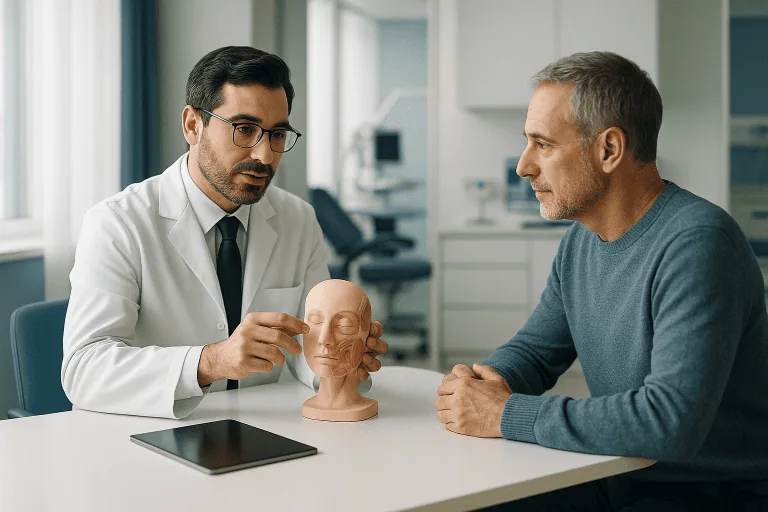
The right approach begins with careful consultation. A qualified plastic surgeon evaluates whether tumescent liposuction is suitable, whether the skin is likely to adapt after fat removal, whether another procedure may be needed, and how to plan treatment safely. At Acibadem, this assessment is approached as a medical decision as well as an aesthetic one. The aim is not simply to remove fat, but to create a balanced contour while prioritizing patient safety, proportion, and realistic expectations.
What Is Tumescent Liposuction?
Tumescent liposuction is a surgical body-contouring procedure that removes localized fat using a technique in which a specially prepared fluid is injected into the treatment area before fat is suctioned. The word “tumescent” refers to the firm, swollen quality of the tissue after this solution is introduced.
The tumescent solution typically contains sterile fluid, a local anesthetic to reduce discomfort, and medication that narrows small blood vessels. This combination helps the surgeon remove fat more precisely while reducing bleeding, bruising, and postoperative discomfort compared with older liposuction techniques that used less fluid and relied more heavily on general anesthesia.
Once the area has been prepared with the tumescent solution, the surgeon makes very small incisions and inserts a thin tube called a cannula. The cannula is moved through the fatty layer beneath the skin to loosen and remove fat cells with controlled suction. The goal is to reduce volume in selected areas and improve contour, not to remove the maximum possible amount of fat.
Tumescent liposuction may be performed under local anesthesia with sedation, regional anesthesia, or general anesthesia depending on the number of areas treated, the amount of fat to be removed, the patient’s health, and the surgeon’s recommendation. For smaller areas, local anesthesia with carefully monitored sedation may be appropriate. For larger or multiple areas, general anesthesia may be preferred for safety and comfort.
Because fat cells removed by liposuction do not regenerate in the treated area in the same way, the contour improvement can be long lasting if the patient maintains a stable weight. However, remaining fat cells can still enlarge with weight gain, and untreated areas may change over time. Aging, pregnancy, hormonal factors, and skin elasticity also influence long-term results.
Who May Need Tumescent Liposuction?
Tumescent liposuction may be considered by adults who are close to their desired weight but have localized fat deposits that are resistant to lifestyle measures. Ideal candidates usually have stable body weight, good overall health, realistic expectations, and skin with enough elasticity to contract smoothly after fat removal.
Patients commonly seek consultation because they notice that certain areas remain prominent even when they lose weight. The abdomen may retain a lower belly fullness. The flanks may create a persistent “love handle” contour. The outer thighs may appear disproportionate to the waist. The under-chin area may make the jawline appear less defined. In men, fatty fullness of the chest may be a concern, although true glandular gynecomastia often requires a different or combined surgical approach.
Tumescent liposuction is not usually appropriate for people whose main goal is major weight loss. It also may not be the best option when there is significant loose skin, severe skin laxity, or weakened abdominal muscles after pregnancy or major weight change. In those situations, procedures such as abdominoplasty, arm lift, thigh lift, or other body-contouring surgeries may be more appropriate, either instead of or in combination with liposuction.
Diagnosis and planning are based on physical examination rather than a single laboratory test. The surgeon assesses fat thickness, skin quality, body proportions, previous scars, muscle tone, and areas of asymmetry. Medical history is also important. Conditions such as bleeding disorders, uncontrolled diabetes, significant heart or lung disease, active infection, or certain medication use may affect whether surgery is safe or whether additional preparation is needed.
During consultation, patients should be prepared to discuss prior surgeries, allergies, medications, supplements, smoking or nicotine use, pregnancy plans, weight fluctuations, and aesthetic goals. Photographs may be taken for medical planning. In some cases, blood tests, imaging, anesthesia evaluation, or specialist review may be recommended before proceeding.
Conditions and Indications Addressed by Tumescent Liposuction
Tumescent liposuction is most often used for aesthetic body contouring, but it can also be part of a functional or reconstructive plan in selected circumstances. The indication depends on the patient’s anatomy, health, expectations, and the surgeon’s judgment.
Common aesthetic indications include localized fat deposits of the abdomen, waist, flanks, back, hips, thighs, knees, upper arms, chest area, neck, and under the chin. These areas are selected because they have enough subcutaneous fat for safe contouring and because fat reduction can improve proportion.
Some patients seek treatment for contour irregularities after previous surgery or trauma. In these cases, liposuction may help refine localized fullness, but it may also need to be combined with scar revision, fat grafting, or skin-tightening procedures depending on the concern. Revision procedures require especially careful planning because tissue planes may be altered by prior surgery.
In selected patients with lipedema, a chronic condition involving abnormal fat distribution and tenderness, liposuction techniques may be considered as part of a broader treatment plan. This requires specialized assessment because lipedema is not the same as ordinary localized fat accumulation. Compression therapy, long-term care, and realistic expectations are important.
Tumescent liposuction may also be used in male chest contouring when excess fat contributes to chest fullness. If glandular tissue is present, direct excision may be needed in addition to liposuction. The distinction between fatty chest fullness and true gynecomastia is made during examination and sometimes with imaging when clinically indicated.
The procedure is not designed to treat cellulite, stretch marks, generalized obesity, or loose hanging skin. It may improve the appearance of some areas indirectly by reducing fullness, but it should not be presented as a skin-tightening or cellulite-removal procedure. A clear understanding of what liposuction can and cannot do is one of the most important factors in patient satisfaction.
How Tumescent Liposuction Is Performed
Preparation Before the Procedure
Preparation begins with a detailed consultation and a personalized surgical plan. The surgeon reviews the areas to be treated, expected contour changes, incision locations, anesthesia options, and recovery requirements. Measurements and standardized clinical photographs may be used for planning and comparison.
Patients may be asked to complete blood tests, medical clearance, or anesthesia assessment depending on age, medical history, and the extent of surgery. Certain medications and supplements that increase bleeding risk may need to be stopped before surgery, but only under medical guidance. Smoking and nicotine products can interfere with healing and may need to be discontinued for a period before and after the procedure.
For international patients, preparation may include sharing medical records, photographs, prior operative reports, and current medication lists before travel. This helps the care team advise whether the procedure is likely to be appropriate and whether additional evaluations should be scheduled after arrival. Final treatment decisions are made after in-person examination.
Before surgery, the surgeon marks the treatment areas while the patient is standing, because body contours shift when lying down. These markings guide symmetrical fat removal and help define transition zones between treated and untreated areas. The anesthesiology team reviews fasting instructions, allergies, prior anesthesia experiences, and any relevant medical concerns.
During the Procedure
The procedure begins with anesthesia appropriate to the treatment plan. For smaller areas, local anesthesia with sedation may be sufficient. For more extensive liposuction or combined procedures, general anesthesia may be recommended. Patient monitoring is maintained throughout the procedure, including vital signs, oxygen level, and fluid balance when clinically necessary.
After the skin is cleaned and prepared, small incisions are made in discreet locations whenever possible. Through these openings, the surgeon introduces the tumescent solution into the fatty layer. The solution gradually expands the tissue, provides local anesthetic effect, and helps narrow small blood vessels. Time is allowed for the solution to take effect before fat removal begins.
A cannula is then inserted through the small incisions. Using controlled movements, the surgeon loosens and removes fat from the planned areas. The technique requires judgment: removing too little may not achieve the desired contour, while removing too much can create depressions, waviness, or unsafe fluid shifts. Skilled liposuction is as much about sculpting transitions as it is about reducing volume.
The surgeon may use different cannula sizes and patterns depending on the thickness of the fatty layer, the body area, and the contour goal. Modern suction systems and surgical planning tools help control fat removal, while careful monitoring supports patient safety. In some cases, liposuction may be combined with energy-assisted technologies or other contouring techniques if they are medically appropriate and available for the individual case. The role of these technologies is to assist fat removal or tissue management; they do not replace surgical judgment.
Typical procedure duration varies widely. A small under-chin treatment may take significantly less time than multi-area contouring of the abdomen, waist, and thighs. Many procedures are completed within a few hours, but duration depends on the number of areas treated, body type, anesthesia plan, positioning, and whether additional procedures are performed.
Immediately After Surgery
After the procedure, patients are moved to a recovery area where the medical team monitors comfort, vital signs, and early recovery from anesthesia. Some fluid drainage from incision sites is expected during the first day, particularly because tumescent fluid is used. Dressings and absorbent pads may be placed to manage this.
A compression garment is usually applied to help reduce swelling, support the treated areas, and encourage the skin to adapt to the new contour. The garment should fit firmly but not cause numbness, severe pain, or circulation problems. Patients receive specific instructions on how long to wear it and when it may be removed for hygiene.
Most patients can walk shortly after surgery, and gentle walking is encouraged to support circulation. Depending on the extent of treatment and anesthesia used, some patients return to their accommodation the same day, while others may require observation. International patients should not plan to fly immediately after surgery; the timing of travel should be discussed with the surgical team.
Recovery and Follow-Up
Recovery after tumescent liposuction is gradual. Bruising, swelling, tenderness, firmness, and temporary numbness are common. These symptoms usually improve over days to weeks, although residual swelling can take longer to resolve. The final contour often becomes more apparent over several months as the tissues soften and settle.
Pain is usually manageable with prescribed or recommended medications. Patients are typically advised to avoid strenuous exercise, heavy lifting, and high-impact activity during the early healing period. Light walking is usually encouraged early. Return to desk work may be possible within several days for smaller procedures, while larger or multiple-area treatments may require more time.
Follow-up appointments allow the surgeon to assess incision healing, swelling, symmetry, garment fit, and any early concerns. For international patients, the initial follow-up period in Turkey is planned according to the scope of surgery and the patient’s travel schedule. After returning home, patients may continue communication with the medical team and may also be advised to see a local physician if hands-on assessment is needed.
Why Acting at the Right Time Matters
Tumescent liposuction is usually elective, so “acting early” does not mean rushing into surgery. It means seeking a qualified evaluation before frustration leads to inappropriate treatments, unsafe providers, or unrealistic expectations. A thoughtful consultation can help clarify whether liposuction is the right procedure, whether weight stabilization should come first, or whether another surgical option would better address the concern.
Delaying assessment may allow weight fluctuations, skin laxity, or lifestyle factors to complicate planning. For example, if a patient continues to gain and lose weight, the result of body contouring may be less predictable. If loose skin is already significant, waiting may further reduce skin elasticity, making liposuction alone less likely to create the desired contour.
It is also important to address medical risk factors before surgery. High blood pressure, diabetes, anemia, smoking, medication use, and other health considerations may need optimization. Early evaluation gives patients time to prepare safely rather than making decisions under time pressure, especially when coordinating international travel.
Another reason to seek timely professional advice is to avoid nonmedical or minimally regulated fat-reduction claims that may not be appropriate for the patient’s anatomy. While nonsurgical options can help selected patients with small areas of fat, they cannot replicate surgical fat removal in all cases. A medically grounded assessment helps patients understand the full range of options.
Benefits of Tumescent Liposuction
When performed for the right patient and the right indication, tumescent liposuction can offer several practical and aesthetic benefits.
| Benefit | What It Means for You |
|---|---|
| Targeted fat reduction | Localized fat deposits can be reduced in areas that may not respond well to diet and exercise alone. |
| Improved body proportion | Contouring can create smoother transitions between areas such as the waist, hips, abdomen, thighs, or neck. |
| Reduced bleeding and bruising compared with older techniques | The diluted solution helps narrow small blood vessels, which can support a more controlled surgical field and recovery. |
| Small incision approach | Incisions are typically short and placed discreetly where possible, although scar quality varies by individual healing. |
| Potentially long-lasting contour change | Removed fat cells do not return in the same way, but maintaining a stable weight is essential to preserve the result. |
| Can be part of a combined plan | In selected patients, liposuction may be combined with other procedures to address skin laxity, contour imbalance, or male chest fullness. |
Recovery Timeline After Tumescent Liposuction
Recovery varies by treatment area, the amount of fat removed, anesthesia type, and individual healing, but many patients can use the following timeline as a general guide.
| Time Period | What Patients Can Expect |
|---|---|
| Day 1 | Swelling, fluid drainage, tenderness, and fatigue are common. Gentle walking is usually encouraged, and a compression garment is typically worn. |
| First Week | Bruising and swelling may be most visible. Many patients can resume light daily activities, depending on the extent of treatment and comfort level. |
| First Month | Swelling gradually decreases, and the body contour begins to look more defined. Strenuous activity is resumed only when cleared by the surgeon. |
| Three to Six Months | Tissues continue to soften and settle. The contour becomes more refined as residual swelling improves. |
| Longer Term | Results can remain stable with healthy habits and weight maintenance. Aging, weight change, pregnancy, and skin quality can influence the appearance over time. |
Factors That Influence Outcomes and a Good Result
A good tumescent liposuction result depends on more than the amount of fat removed. It depends on patient selection, surgical planning, skin quality, anatomy, postoperative care, and shared understanding of realistic goals.
Skin elasticity is one of the most important factors. When the skin has good tone, it is more likely to contract smoothly after fat removal. If skin is loose, thin, sun-damaged, or stretched by pregnancy or major weight changes, liposuction alone may leave residual laxity. In such cases, a skin-removal procedure may be more appropriate.
Stable weight supports a more predictable and durable result. Liposuction can reshape selected areas, but it does not prevent future weight gain. Significant weight changes after surgery can alter the contour and may affect both treated and untreated areas.
Fat distribution and body proportions also matter. Some patients have deep structural proportions that cannot be changed by removing superficial fat. For example, abdominal fullness may come from internal fat around the organs, muscle separation, bloating, posture, or skeletal structure. Liposuction treats subcutaneous fat, not internal visceral fat or muscle laxity.
Surgical technique affects smoothness and symmetry. Experienced surgeons plan not only the central treatment area but also the transition zones around it. Over-aggressive removal can create contour irregularities, while conservative, balanced removal may produce a more natural appearance.
Healing response varies from person to person. Some patients bruise more easily, retain swelling longer, or develop firmness during healing. Temporary numbness can occur because small sensory nerves are affected during the procedure. Most sensory changes improve, but the timeline can differ.
Compression garment use and aftercare are important. Wearing the garment as instructed, walking regularly, avoiding strenuous activity too early, and attending follow-up visits all support recovery. Some patients may be advised to have lymphatic drainage massage or physiotherapy-style support, but this should be done only when approved by the surgical team and by trained providers.
Medical safety is central to outcome quality. The total amount of fat removed, the number of areas treated, anesthesia choice, fluid management, and operative time must be planned carefully. More extensive treatment is not always better. A staged approach may be safer for some patients.
Expectations shape satisfaction. Tumescent liposuction can improve contour, but it does not create a different body type, remove all asymmetry, or stop natural aging. Most people have some asymmetry before surgery. The goal is improvement in proportion and contour rather than mathematical perfection.
Why International Patients Choose Acibadem for Tumescent Liposuction
For international patients, choosing where to have tumescent liposuction involves more than selecting a surgical technique. It involves trust in the medical team, hospital standards, anesthesia safety, communication, follow-up, and the ability to coordinate care across borders.
Acibadem Hospitals in Turkey provide plastic, reconstructive, and aesthetic surgery services within a broader hospital environment that supports preoperative evaluation, anesthesiology, imaging, laboratory testing, and postoperative care. Many patients value being treated in hospitals that follow internationally recognized quality and safety processes, including JCI-accredited facilities within the group.
Care planning is individualized. During consultation, the surgeon evaluates whether tumescent liposuction is suitable and whether other options should be considered. For some patients, liposuction alone is appropriate. For others, combining procedures or choosing a different operation may provide a safer or more anatomically appropriate result. This personalized approach is especially important for patients traveling from abroad, where time, travel logistics, and recovery planning must be considered carefully.
Experienced physicians and surgical teams are supported by modern diagnostic and perioperative pathways. This may include preoperative blood work, anesthesia assessment, medical clearance when needed, careful intraoperative monitoring, and structured postoperative instructions. The technology used in liposuction is selected according to the patient’s case and the surgeon’s plan, with an emphasis on controlled fat removal, patient monitoring, and safe recovery.
Multidisciplinary input may be relevant for certain patients. For example, someone with significant weight-loss history may require evaluation for body-lift procedures rather than liposuction alone. A patient with suspected lipedema may need a broader care plan. A patient with medical conditions may require review by internal medicine, cardiology, endocrinology, or another specialty before elective surgery. This kind of coordinated assessment helps align aesthetic goals with medical safety.
Acibadem International supports patients traveling from outside Turkey with services designed to make medical care more understandable and manageable. Depending on the patient’s needs, this may include appointment coordination, medical record review, interpreter support in more than 20 languages, assistance with hospital processes, and guidance on local logistics. For patients from the United States and other countries, clear communication before arrival is particularly important so that expectations, timelines, and recovery requirements are discussed in advance.
International patients often ask how long they should stay in Turkey after tumescent liposuction. The answer depends on the extent of treatment, anesthesia type, recovery progress, and the surgeon’s recommendation. A short stay may be sufficient for limited procedures, while larger or combined surgeries may require a longer period before travel. The care team provides individualized guidance on follow-up visits, garment use, activity restrictions, and flight timing.
The decision to travel for body-contouring surgery should be made carefully. Patients should feel comfortable asking detailed questions about the surgeon’s experience, the facility where the procedure will take place, anesthesia, expected recovery, potential risks, scar placement, and what happens if concerns arise after returning home. A responsible treatment plan includes not only the operation itself, but also preparation and aftercare.
Risks and Safety Considerations
All surgery involves risk, and tumescent liposuction is no exception. Most patients recover without serious complications, but informed consent requires understanding the possible issues. These may include bleeding, infection, fluid accumulation, contour irregularity, asymmetry, prolonged swelling, numbness, skin discoloration, scarring, delayed healing, anesthesia-related risks, and, rarely, more serious complications such as blood clots or fluid imbalance.
Risk is influenced by the size and number of treated areas, the patient’s health, smoking status, medication use, body mass index, and whether procedures are combined. Safety planning includes selecting appropriate candidates, limiting treatment to medically reasonable volumes, maintaining sterile technique, monitoring during anesthesia, and providing clear postoperative instructions.
Patients can reduce risk by following preoperative and postoperative instructions closely. This includes disclosing all medications and supplements, avoiding nicotine as instructed, arranging appropriate help after surgery, wearing compression garments correctly, walking as advised, and contacting the medical team promptly for symptoms such as worsening pain, fever, shortness of breath, significant swelling in one leg, heavy bleeding, or signs of infection.
It is also important not to compare recovery too closely with another person’s experience. Two patients may have the same procedure name but very different treatment areas, fat volumes, anesthesia plans, and healing patterns. Your surgeon’s guidance should be based on your own operative details and recovery progress.
Taking the Next Step
Tumescent liposuction can be an effective option for adults who want to refine localized areas of fat and improve body contour without treating liposuction as a weight-loss procedure. The best results come from careful patient selection, precise planning, realistic expectations, and attentive recovery.
If you are considering tumescent liposuction abroad, a consultation or second opinion can help you understand whether the procedure fits your anatomy, health profile, and goals. At Acibadem, international patients can share medical history, photographs, and questions before travel, then complete an in-person evaluation to confirm the most appropriate treatment plan.
A well-informed decision should leave you with clarity: what the procedure can address, what it cannot, what recovery will involve, and how your safety will be managed. When these elements are aligned, body-contouring surgery can be approached with confidence and realistic expectations.
This information is general and is not a substitute for professional medical advice, diagnosis, or treatment. A qualified physician should evaluate your individual condition and recommend the most appropriate care plan.
Preparation
- Before tumescent liposuction, patients have a plastic surgery consultation to assess target areas, skin quality, medical history, and expectations. Blood tests and anesthesia evaluation may be required. Patients may be advised to stop smoking and avoid blood-thinning medicines or supplements before the procedure.
Aftercare
- Compression garments are usually worn to reduce swelling and support the treated areas. Mild bruising, swelling, and fluid drainage can occur in the first days, while walking is encouraged early. Strenuous exercise should be avoided until the surgeon confirms it is safe.
Frequently Asked Questions
What affects the cost of tumescent liposuction?
The main factors are the treatment areas, the extent of fat removal, operating time, surgeon experience, hospital or clinic setting, anaesthesia, compression garments, medications, tests, and follow-up care. If you travel for treatment, accommodation, transfers, and interpreter support may also affect the total cost.
How can I get a personalised quote from Acibadem?
You can request a free consultation by sharing your medical history, goals, photos of the areas you want treated, and any previous surgery details. A specialist assessment is needed before a personalised treatment plan and quote can be prepared.
Are package prices always all-inclusive?
Not always. A package may include consultation, hospital services, surgeon fee, anaesthesia, garments, transfers, and follow-up, but inclusions vary. Ask for a written breakdown so you understand what is included and what may be charged separately.
Does choosing tumescent liposuction reduce the cost?
The technique can influence anaesthesia planning and recovery experience, but the final cost is mainly determined by the treatment plan, areas treated, facility fees, and surgeon factors. A specialist will advise whether tumescent liposuction is suitable for you.
Is tumescent liposuction covered by insurance?
Because it is usually performed for body contouring rather than medical treatment, it is commonly considered cosmetic. Coverage depends on the insurer and policy, so patients should confirm directly with their insurance provider.
Is this information medical or financial advice?
No. This is general educational information only. For medical suitability, risks, recovery expectations, and a personalised quote, arrange a consultation with a qualified specialist.
Medically reviewed by the Acıbadem International Medical Board June 20, 2026
See our medical review board →
Update history
- PublishedJune 8, 2026
- Medical review approvedJune 20, 2026
- Last content updateJune 8, 2026
References2
- Liposuction nhs.uk
- Liposuction medlineplus.gov
Planning tools for this treatment
Indicative figures for orientation only: your written plan and quote follow a free medical review.
Trusted care for international patients
Liposuction costsledger-based guide ranges, or browse the full Turkey Medical Price Index.
From the Acibadem Blog

Tumescent Liposuction Recovery: Fluid Drainage in the First Days, Compression and Walking
Tumescent liposuction recovery usually begins with a day or two of pink, watery drainage from the small incisions as leftover anesthetic solution leaves the…
Doctors Performing This Treatment


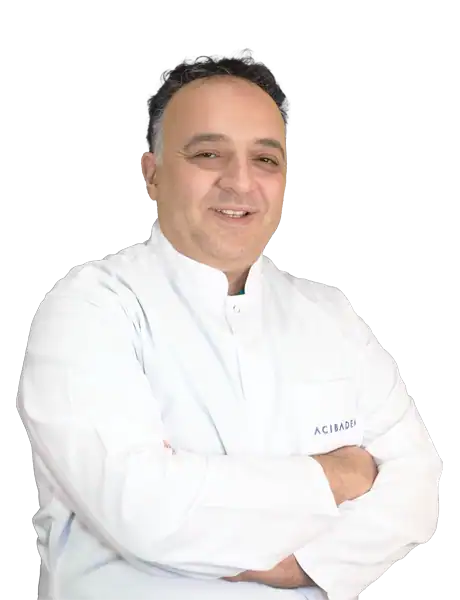
Aesthetic Plastic & Reconstructive Surgery
Prof. Mehmet Veli Karaaltın, MD

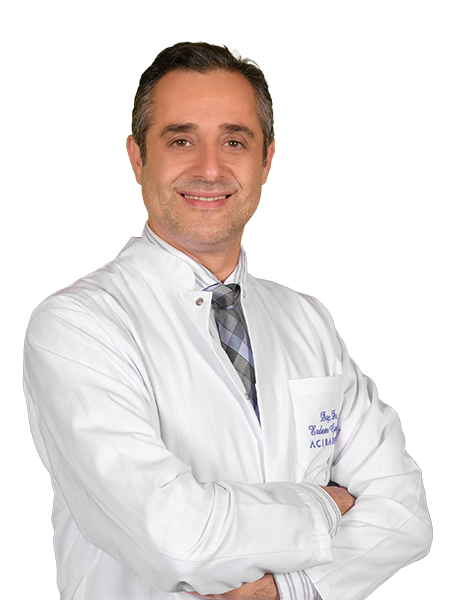
Aesthetic Plastic & Reconstructive Surgery
Assoc. Prof. Erdem Güven, MD

Aesthetic Plastic & Reconstructive Surgery
Assoc. Prof. Ahmet Küçükçelebi, MD
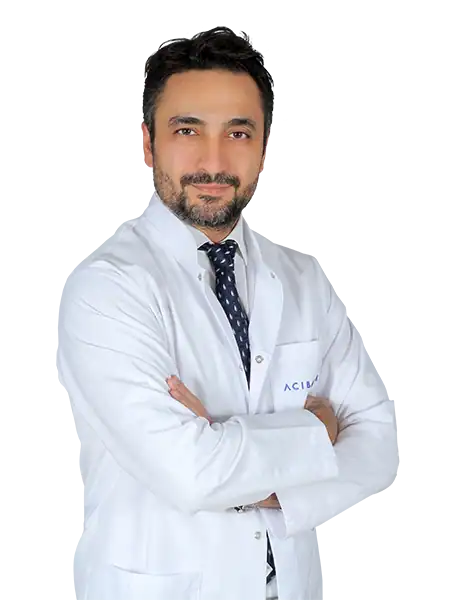
Aesthetic Plastic & Reconstructive Surgery
Assoc. Prof. Mehmet Altıparmak, MD

Aesthetic Plastic & Reconstructive Surgery